In This Guide
- Why Are Nuts Like Walnuts Bad for Cats? The Core of the Problem
- A Nut-by-Nut Breakdown: Which Are Worst, Which Are "Less Bad"?
- "But My Cat Already Ate One!" – What to Do Next
- So, What CAN I Give My Cat Instead? Safe & Healthy Treat Ideas
- Your Burning Questions Answered: The FAQ on Cats and Nuts
- Final Thoughts: Keeping Your Curious Cat Safe
So, you're sitting there, maybe cracking open some walnuts for a salad, and those big, curious eyes are locked onto you. Your cat. That little creature who thinks your every move is a potential food delivery service. The thought crosses your mind – can cats have walnuts and nuts as a little treat? It seems harmless, right? They're natural, they're healthy for us. I mean, my cat once stole an almond off the counter and batted it around like a tiny hockey puck before I could grab it. Got me thinking, and worrying.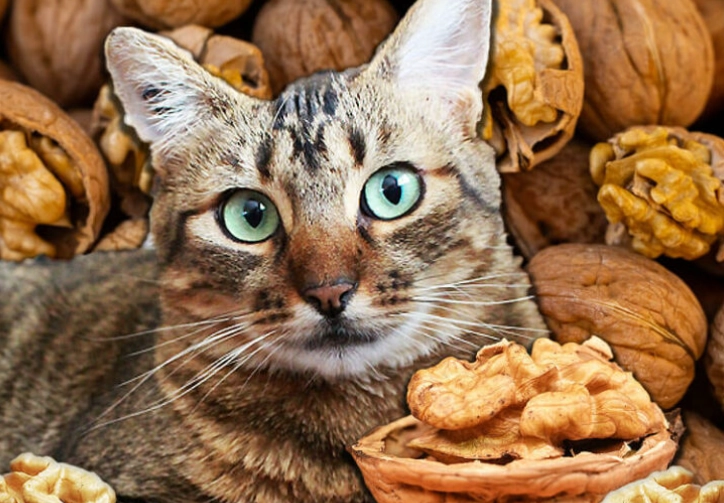
Here's the short, no-nonsense answer you probably came for: No, you should not give walnuts or most other nuts to your cat. It's not just a "maybe avoid it" situation. For several important reasons, it's actively a bad idea. I know, it's tempting to share your snack, but this is one area where sharing is not caring. Let's get into the why, because understanding that is way more helpful than just a simple "no."
Bottom Line Up Front: Walnuts, especially black walnuts, and many other common nuts pose real health risks to cats, ranging from mild stomach upset to severe poisoning and life-threatening conditions like pancreatitis. The potential dangers far, far outweigh any negligible nutritional benefit they might get from a tiny piece.
Why Are Nuts Like Walnuts Bad for Cats? The Core of the Problem
Cats are obligate carnivores. Their bodies are fine-tuned evolutionarily to process meat, not plant matter like nuts. What seems like a wholesome snack to us can be a complex, even hazardous, substance for their digestive system. The question "can cats have walnuts and nuts" touches on several specific hazards.
The Toxin Trouble: More Than Just a Tummy Ache
This is the big one, especially for walnuts. Certain nuts contain compounds that are outright toxic to cats.
- Black Walnuts (Juglans nigra): These are particularly dangerous. They contain a toxin called juglone. While the primary concern with juglone is for other plants (it's a natural herbicide), the mold that readily grows on fallen black walnuts (often Penicillium spp.) produces tremorgenic mycotoxins. If a cat ingests a moldy black walnut, it can lead to severe neurological symptoms like tremors, seizures, and vomiting. The ASPCA Animal Poison Control Center lists walnuts as a concern, particularly due to mold and the potential for gastrointestinal obstruction.
- Macadamia Nuts: These are famously toxic to dogs, and while the evidence in cats is less documented, it's universally advised to avoid them. The toxin is unknown, but effects can include weakness, depression, vomiting, tremors, and hyperthermia. Why risk it?
Honestly, the toxin risk alone makes me keep all nuts in sealed containers. Cats are curious and can get into things you'd never expect.
The High-Fat Hazard: A Recipe for Pancreatitis
Nuts are loaded with fats. We're talking healthy fats for us, but a huge problem for cats. A cat's pancreas isn't designed to handle a sudden, large influx of fat. Feeding fatty foods like nuts can trigger pancreatitis – a painful and potentially fatal inflammation of the pancreas.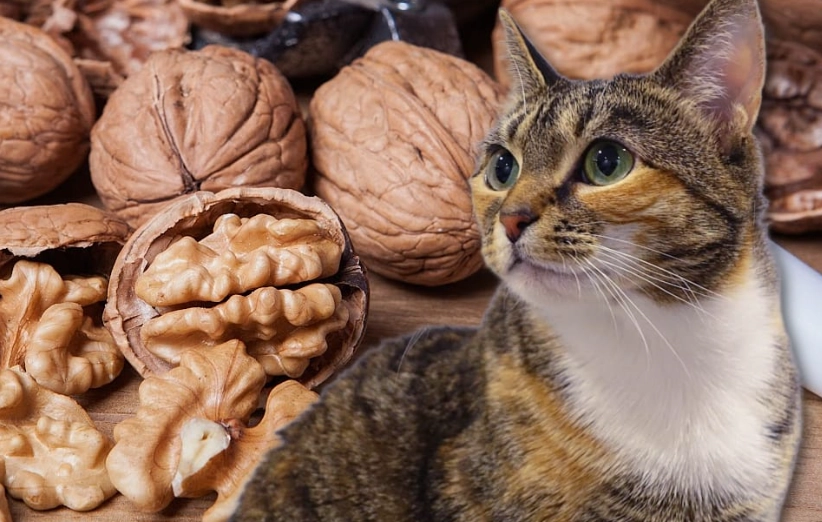
Symptoms of pancreatitis include severe lethargy, dehydration, loss of appetite, and vomiting. It requires immediate veterinary care. I've seen a friend's cat go through this after getting into some greasy human food, and it was a scary, expensive ordeal. The high fat content is a silent but major reason why the answer to "can cats eat walnuts" is a firm no.
Choking and Intestinal Blockage: A Physical Threat
Cats don't chew their food like we do. They tend to gulp and swallow. A whole nut or a large piece can easily become a choking hazard. Even if swallowed, a hard, irregularly shaped nut can cause an obstruction in their narrow intestinal tract. This is a surgical emergency. Salted nuts are even worse, as the salt can be dehydrating and unhealthy in large amounts.
Allergies and Sensitivities: The Unknown Variable
Just like people, cats can have food allergies or sensitivities. Introducing a novel, complex food like nuts could trigger an allergic reaction, leading to skin irritations, itching, or digestive issues. When there are so many known, safe treats available, why experiment with something risky?
A Nut-by-Nut Breakdown: Which Are Worst, Which Are "Less Bad"?
Not all nuts are created equal in terms of danger, but the overarching advice remains: avoid them. This table should give you a clear, at-a-glance reference. Think of it as a toxicity and risk chart.
| Nut Type | Risk Level for Cats | Primary Dangers | Verdict |
|---|---|---|---|
| Black Walnuts | Very High / Toxic | Juglone toxin, mold (mycotoxins), high fat, choking/blockage. | STRICTLY FORBIDDEN. Most dangerous on the list. |
| Macadamia Nuts | High / Potentially Toxic | Unknown toxin (known dog toxin), weakness, tremors, vomiting. | DO NOT FEED. Risk is well-established in pets. |
| Walnuts (English/Persian) | High | High fat (pancreatitis risk), mold risk, choking/blockage, salt. | DO NOT FEED. The core answer to "can cats have walnuts" is no. |
| Pecans | High | High fat, mold risk (similar to walnuts), juglone potential, choking. | DO NOT FEED. Too many overlapping risks. |
| Almonds | Moderate to High | High fat, potential for stomach upset, choking hazard, often salted. | AVOID. Not acutely toxic but likely to cause GI distress. |
| Cashews | Moderate | High fat, potential for stomach upset, often salted/seasoned. | NOT RECOMMENDED. A plain, unsalted piece is *probably* not toxic but offers zero benefit and high fat risk. |
| Peanuts** | Low-Moderate (but still not advised) | High fat, choking, salt, seasoning, aflatoxin mold risk, allergies. | NOT RECOMMENDED. Technically a legume. A tiny, plain piece may pass, but why bother? No nutritional need met. |
| Hazelnuts, Pistachios | Moderate to High | High fat, choking/blockage risk, salt, potential for mold. | AVOID. Stick to cat-specific treats. |
**Peanuts are legumes, not true tree nuts, but they're always part of this conversation. The verdict remains the same: skip it.
See a pattern? High fat, choking, possible toxins. It's just not a good scene. When people ask me "can cats eat walnuts or almonds," I point them to this table. It usually makes the decision pretty clear.
"But My Cat Already Ate One!" – What to Do Next
Okay, don't panic. Most of the time, if your cat snatches a single piece of a "less toxic" nut like a peanut or a small piece of almond, they might be perfectly fine. The key is monitoring and knowing when to escalate.
- Stay Calm and Assess: What did they eat? How much? A tiny fragment is different from a handful of moldy black walnuts.
- Remove Access: Get any remaining nuts and the package far away from your cat.
- Monitor Closely: Watch for any of the following symptoms over the next 24-48 hours:
- Vomiting or retching
- Diarrhea or unusual stools
- Lethargy or weakness (just lying around, not interested in play)
- Loss of appetite or thirst
- Abdominal pain (they may hunch over, cry when touched, or not want to move)
- Tremors, shaking, or seizures (EMERGENCY – see below)
- Difficulty breathing or choking (EMERGENCY)
When to Call the Vet IMMEDIATELY:
1. If your cat ate any black walnut or macadamia nut.
2. If they ate a large quantity of any nut.
3. If the nuts were moldy, chocolate-covered, or heavily salted/seasoned.
4. If you see any neurological signs (tremors, seizures) or signs of choking.
5. If vomiting/diarrhea is persistent or severe.
Have the number for your regular vet and the ASPCA Animal Poison Control Center (888-426-4435) or the Pet Poison Helpline (855-764-7661) handy. These are fee-based services but are staffed by veterinary toxicology experts. Be ready to tell them your cat's weight, what and how much they ate, and any symptoms.
So, What CAN I Give My Cat Instead? Safe & Healthy Treat Ideas
I get it. You want to treat your furry overlord. The good news is, there are countless safe, healthy, and cat-approved options that will make them far happier than a weird, hard nut ever could. This is the fun part – replacing the "no" with a better "yes."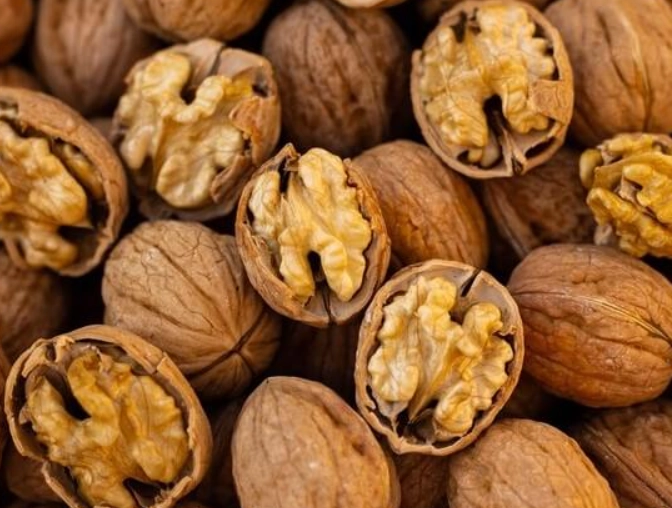
Top Safe & Healthy Treat Categories for Cats:
- Commercial Cat Treats: The obvious choice. Formulated for their dietary needs, low in calories, and come in endless flavors (chicken, salmon, duck). Look for ones with high meat content and minimal fillers.
- Plain Cooked Meat: A tiny piece of cooked chicken, turkey, or fish (ensure no bones, skin, or seasoning). This is like cat caviar. My cat comes running for a bit of plain baked chicken.
- Freeze-Dried Meat Treats: Single-ingredient treats like freeze-dried chicken hearts, salmon, or shrimp. High in protein, low in everything else, and most cats go nuts for them (pun intended).
- Catnip or Silver Vine: Not a food, but a fantastic treat for many cats. A pinch of fresh or dried catnip can provide a fun, safe euphoria or energy boost.
- Specially Formulated Dental Treats: These help clean teeth while they chew. A functional bonus!
- A Small Spoon of Plain, Unsweetened Pumpkin Purée (canned): Great for fiber. Just a teaspoon occasionally.
The rule with any treat, even safe ones, is moderation. Treats should make up no more than 10% of your cat's daily caloric intake. Their main nutrition must come from a complete and balanced cat food. The Cornell Feline Health Center is an excellent resource for general feline nutrition guidelines.
Your Burning Questions Answered: The FAQ on Cats and Nuts
I've been writing about pets for a while, and these are the questions that pop up again and again in forums and comments. Let's tackle them head-on.
You might notice a theme in these answers. Even in scenarios where the immediate danger might be low, there's simply no good reason to do it. Zero benefit, potential for risk. It's a losing game.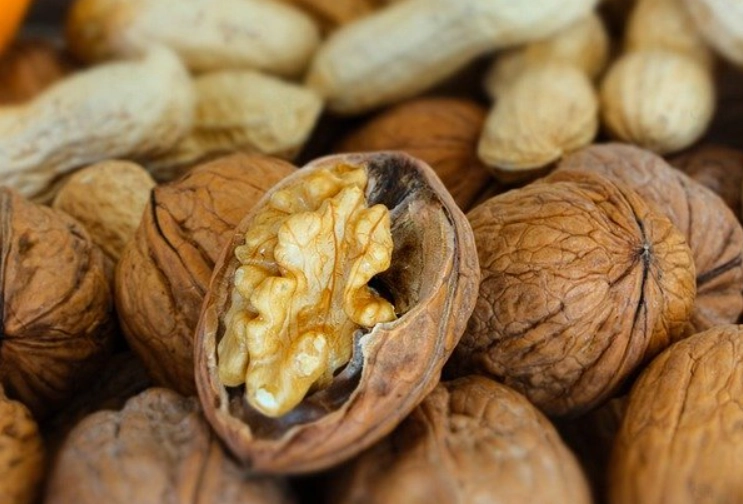
Final Thoughts: Keeping Your Curious Cat Safe
Look, I'm not here to scare you. Most cat owners have had a moment where their pet snatches something they shouldn't. The goal is to be informed so you can make the best choices and react appropriately if an accident happens.
When it comes to the question "can cats have walnuts and nuts," the responsible, evidence-based answer is a consistent and clear no. The risks – toxicity from molds and specific compounds, the high probability of triggering painful pancreatitis, and the physical dangers of choking or blockage – are all too real.
Your cat's health and safety are worth far more than the fleeting curiosity of sharing your nut bowl. Their love isn't earned through human snacks; it's earned through play, affection, and providing them with a diet that truly meets their needs. Stick to the treats made for them, enjoy those purrs of contentment, and keep the walnuts for yourself.
If you're ever in doubt about a food item, a quick check with resources like the ASPCA's toxic plant/list database or a call to your veterinarian is always the best move. When it comes to our pets, it's always better to be safe than sorry.


Leave a comment