Yes, anthurium is toxic to cats. If you're a cat owner with houseplants, this isn't just a minor detail—it's a critical safety issue. I learned this the hard way when my own cat, Milo, decided to nibble on a red anthurium I had on the coffee table. Within minutes, he was drooling and pawing at his mouth. It was scary, and it taught me that common plants like anthuriums can pose real dangers. In this guide, I'll break down everything you need to know, from the science behind the toxicity to practical steps you can take today.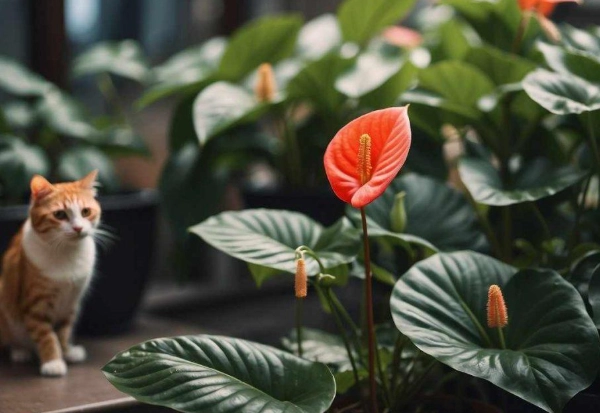
Jump to What Matters Most
What Makes Anthurium Toxic to Cats?
Anthuriums contain calcium oxalate crystals, which are microscopic, needle-shaped structures found in all parts of the plant—leaves, stems, flowers, and roots. When a cat chews or bites into the plant, these crystals penetrate the soft tissues of the mouth, throat, and digestive tract. It's not a chemical poison in the traditional sense; it's a physical irritant. Think of it like swallowing tiny shards of glass. That's why symptoms often start locally in the mouth.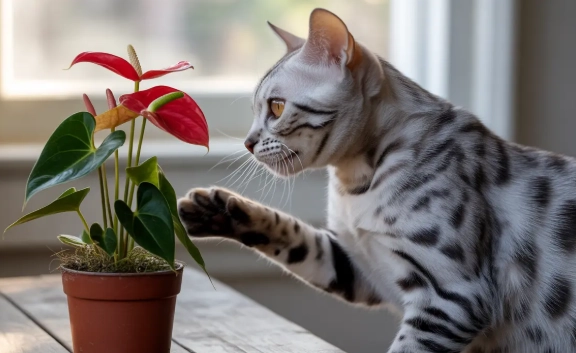
Many people assume only the leaves are dangerous, but I've seen cats go for the stems, which sometimes have higher concentrations of sap. The American Society for the Prevention of Cruelty to Animals (ASPCA) lists anthurium as toxic to cats, and their database is a reliable source for pet owners. You can check their website for more details on plant toxicity.
The Role of Calcium Oxalate Crystals
These crystals are insoluble, meaning they don't dissolve easily in water. That's why drinking water might not help much if your cat ingests them. In fact, it can sometimes spread the irritation. The body's reaction is an inflammatory response—swelling, pain, and potential airway blockage in severe cases. It's similar to how some humans react to poison ivy, but for cats, it's more acute because their mouths are more sensitive.
I once spoke to a veterinarian who explained that some cats are more susceptible due to underlying health issues, like asthma or allergies. That's a nuance often missed in generic articles. If your cat has respiratory problems, anthurium exposure could trigger a worse reaction.
Symptoms of Anthurium Poisoning in Cats
Symptoms can range from mild to severe, depending on how much your cat ate and their individual tolerance. Here's a breakdown based on common scenarios I've encountered or heard about from other pet owners.
| Symptom | Description | Typical Onset Time |
|---|---|---|
| Drooling | Excessive saliva, often thick and stringy | Within minutes |
| Pawing at mouth | Cat tries to rub or scratch its face | Immediate to 30 minutes |
| Vomiting | May include plant material or bile | 30 minutes to 2 hours |
| Difficulty swallowing | Gagging or reluctance to eat | 1-3 hours |
| Swelling of lips or tongue | Visible inflammation, sometimes severe | 1-4 hours |
| Respiratory distress | Labored breathing, wheezing | 2-6 hours (if airway affected) |
Mild symptoms like drooling might seem harmless, but they can escalate quickly. In a case I recall from a pet forum, a cat initially just drooled but then developed vomiting after a few hours because the crystals moved deeper into the gut. That's why monitoring is crucial.
Mild vs. Severe Symptoms: A Real-Life Example
Let's say your cat, Luna, takes a small bite of an anthurium leaf. She might start drooling and pawing at her mouth—that's mild. But if she eats a whole leaf or stem, severe symptoms like swelling could set in. I knew a cat who needed emergency vet care because the swelling partially blocked its airway. The owner thought it was just a little mouth irritation and waited too long. Don't make that mistake.
Watch for any changes in behavior. Cats hide pain well.
What to Do If Your Cat Eats Anthurium
If you suspect your cat has ingested anthurium, act fast. Here's a step-by-step plan based on veterinary advice and my own experience.
- Remove the plant: Immediately take the anthurium away from your cat to prevent further ingestion. Put it in another room or outside if possible.
- Check your cat's mouth: Gently look for any plant pieces stuck in the teeth or gums. Use a damp cloth to wipe away debris if your cat allows it. Don't force it if they're agitated.
- Offer water: Provide fresh water to help rinse the mouth, but don't force your cat to drink. Sometimes, drinking can spread the crystals, so offer it gently.
- Call your vet or poison control: Contact your veterinarian or a pet poison helpline like the ASPCA Animal Poison Control Center (888-426-4435). Have details ready: how much your cat ate, when it happened, and any symptoms you see.
- Monitor closely: Keep your cat in a quiet, comfortable space. Watch for symptom progression. If breathing becomes labored, seek emergency care immediately.
I made the error of waiting to see if Milo's symptoms would go away on their own. They didn't—he started vomiting, and we ended up at the emergency clinic. The vet administered anti-inflammatory medication and fluids. It cost around $200, but it was worth it for his recovery. Learn from my slip-up: don't hesitate to call for help.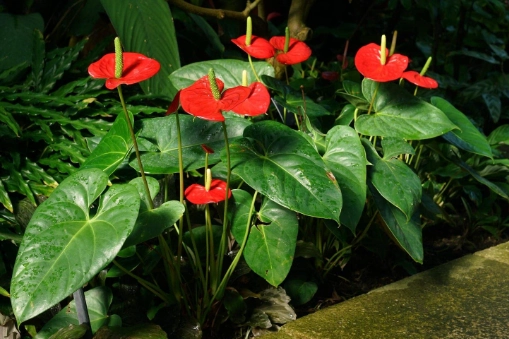
When to Go to the Emergency Vet
If your cat shows signs of respiratory distress—like wheezing, open-mouth breathing, or blue-tinged gums—go to the emergency vet right away. Time is critical. In severe cases, vets might use steroids or oxygen therapy. I've heard stories where prompt action saved cats from worse outcomes.
How to Prevent Anthurium Poisoning
Prevention is always better than cure. Here are practical tips to keep your cat safe, drawn from years of talking to fellow pet owners and experts.
- Place plants out of reach: Put anthuriums on high shelves or in rooms your cat doesn't access. But be realistic—cats are climbers. I tried a high shelf, and Milo still jumped up. So, consider this a temporary fix.
- Use deterrents: Spray plant leaves with pet-safe bitter sprays. They taste awful to cats and can discourage chewing. Test on a small area first to ensure it doesn't harm the plant.
- Create physical barriers: Use plant cages or terrariums with lids. I've seen creative setups where people use glass domes for small plants.
- Train your cat: Use positive reinforcement to teach your cat to avoid plants. Offer toys or treats when they ignore the anthurium. It takes patience, but it can work.
- Regularly inspect plants: Check for bite marks or missing leaves. Early detection can prevent full ingestion.
One thing many guides miss: cats are curious by nature. If you have an anthurium, assume your cat will investigate. I learned to keep all toxic plants in a separate, locked room when I'm not home. It's extra work, but it brings peace of mind.
Safe Plant Alternatives for Cat Owners
If you love greenery but want to avoid risks, opt for non-toxic plants. The ASPCA maintains a list of cat-safe plants that's worth checking. Here are a few popular options I've tried myself.
- Spider plant (Chlorophytum comosum): Hardy, easy to care for, and cats often enjoy playing with the long leaves. Mine loves batting at them.
- Boston fern (Nephrolepis exaltata): Adds a lush look and is safe if ingested. Just keep it moist—it's a bit finicky with water.
- Areca palm (Dypsis lutescens): Great for air purification and non-toxic. It's larger, so it works as a floor plant.
- Cat grass (wheatgrass): Specifically grown for cats to chew on. It satisfies their urge to nibble on greens.
I switched to spider plants and Boston ferns after Milo's incident, and it's made life easier. No more worrying about late-night plant munching. Plus, these alternatives are often cheaper and easier to find at local nurseries.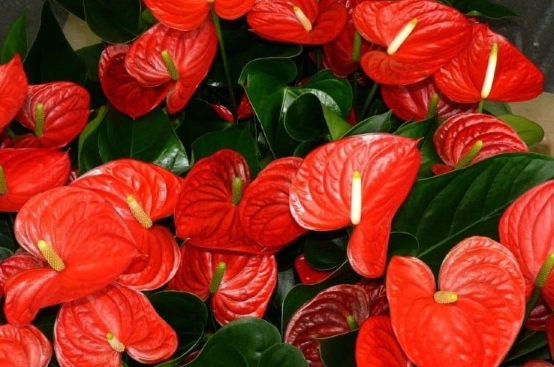
FAQ: Your Burning Questions Answered
In summary, anthurium is toxic to cats, but with knowledge and precautions, you can keep your feline friend safe. Share this guide with other pet owners—it might prevent a scary situation. Stay vigilant, and when in doubt, always consult a vet.

Leave a comment