Quick Guide
Let's cut right to the chase. You're here because you saw your cat take a curious sniff at your beautiful, trailing heartleaf philodendron, or maybe you're thinking of buying one but that little voice in your head asked, "Wait, are philodendrons toxic to cats?"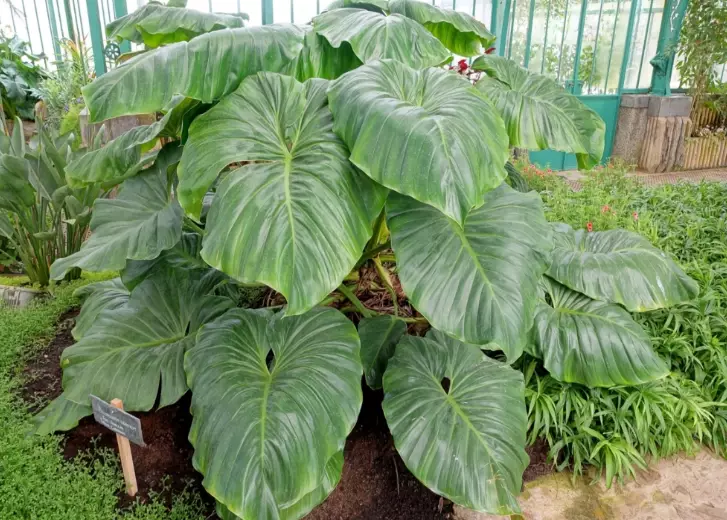
That's a fantastic and crucial question to ask. As someone who shares a home with both a collection of houseplants and two mischievous felines, I've been exactly where you are. The short, and unfortunately non-negotiable, answer is yes. All parts of the philodendron plant are considered toxic to cats (and dogs, and even humans if ingested in large enough quantities). But that "yes" comes with a lot of important context, levels of risk, and most importantly, a clear path forward to having both a green home and a safe one.
The worry is real. I remember coming home to find a tiny, perfectly cat-bite-sized chunk missing from a philodendron leaf. Panic mode engaged. After that frantic vet call (everything was fine, thankfully), I dove deep into the research. What makes it toxic? How bad is it really? What are the actual signs to watch for? And what can I put in its place that won't cause a heart attack every time I see my cat eyeing a leaf?
This guide is the result of that research, conversations with vets, and a lot of trial and error in plant placement. We're going to move past the simple "yes it's toxic" and give you the layered, practical information you need to make informed decisions.
The Core Issue: Insoluble Calcium Oxalate Crystals
This is the scientific reason behind the toxicity. Philodendrons contain microscopic, needle-shaped crystals called insoluble calcium oxalates. Think of them like tiny, sharp pieces of glass. When a cat chews on a leaf or stem, these crystals are released and penetrate the soft tissues of the mouth, tongue, and throat.
It's not a "poison" in the classic sense that gets absorbed into the bloodstream and causes systemic organ failure (like lilies can for cats). The damage is primarily local and mechanical. The body's immediate reaction to these tiny needles is the problem—intense pain, swelling, and inflammation. It's a brilliant (if brutal) defense mechanism for the plant.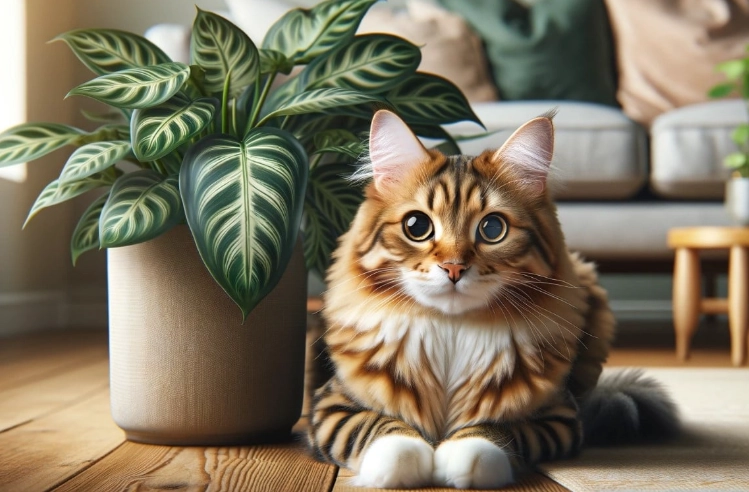
What Happens If Your Cat Eats a Philodendron? Recognizing the Symptoms
So your cat took a bite. What now? Symptoms usually appear rapidly, often within minutes, because the pain in the mouth is immediate. You likely won't miss it. Here’s what to look for, from the most common to less frequent reactions.
The Immediate Oral Reactions: This is the hallmark. Your cat will likely start pawing frantically at its mouth. You might see excessive drooling (ptyalism), sometimes to a surprising degree. They may make repeated swallowing motions, gag, or retch. Their mouth might look red and inflamed if you can get a look (good luck with that on an annoyed, painful cat). They might vocalize more or seem suddenly agitated because, well, their mouth feels full of pins.
Gastrointestinal Upset: If they manage to swallow some of the plant material, the irritation can continue down the line. This can lead to vomiting. Sometimes you might even see bits of the plant in the vomit. Loss of appetite is common—who wants to eat when your mouth is on fire?
Less Common but Serious Symptoms: In rare cases, or if a very large amount is ingested, the swelling in the mouth and upper airway can become severe enough to cause difficulty breathing. This is a true emergency. Also, while systemic poisoning is rare, the stress and excessive drooling can lead to dehydration.
The severity really depends on how much they ate and the individual cat. A tiny nibble might just cause some drooling and discomfort for a short while. A full-on salad session with your prized Monstera deliciosa (which is in the same Araceae family and has the same crystals) is a different story.
Emergency Action Plan: Step-by-Step What to Do
Stay calm. Your cat will pick up on your panic. Here is a clear, step-by-step guide. Bookmark this.
- Remove the Plant: Gently but immediately move your cat away from the philodendron. Put the plant somewhere completely inaccessible, like another room with a closed door.
- Check the Mouth: If your cat allows it, try to gently look inside its mouth to see if there are any large pieces of leaf stuck. Do not get bitten. Do not try to force their mouth open if they are distressed.
- Identify the Plant: If you can, take a picture of the plant with your phone, or note the exact type. Is it a heartleaf, a split-leaf, a pink princess? This helps the vet.
- Call for Help Immediately: This is the most critical step. Do not wait for symptoms to appear.
Who to call? You have two excellent options, and both are better than guessing:
- Your Primary Veterinarian: Call them first. They know your cat's history. If they are closed, their message will often direct you to an emergency clinic.
- The ASPCA Animal Poison Control Center (APCC) or the Pet Poison Helpline: These are 24/7 resources staffed by veterinary toxicologists. There is usually a fee (around $85 as of this writing), but it's worth every penny. They give you a specific case number and can advise you and your vet on the best course of action. The ASPCA APCC website is a treasure trove of information, and their phone number is (888) 426-4435. The Pet Poison Helpline is another at (855) 764-7661.
I can't stress this enough—having these numbers saved in your phone before an emergency is one of the best things a pet owner can do.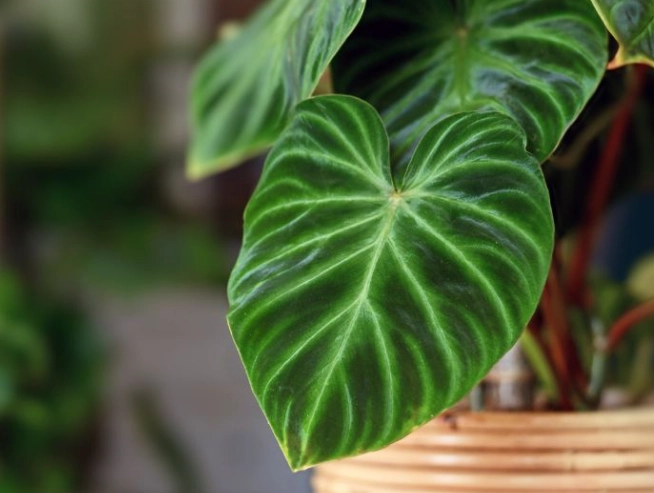
What will the vet or helpline ask? Be ready to tell them: your cat's approximate weight, the type of plant (philodendron), how much you think they ate, what time it happened, and any symptoms you're already seeing.
What NOT to do: Do not try to induce vomiting unless specifically instructed to do so by a veterinarian or poison control expert. You could cause more harm. Do not give any human medications, milk, or oils.
Beyond Philodendrons: Other Common Toxic Houseplants
If you're asking "are philodendrons toxic to cats," you should know it's not alone. Sadly, many popular houseplants are problematic. Here’s a quick rundown of other common offenders to be aware of. It's a bit depressing for plant lovers, honestly.
| Plant Name | Toxic Part | Primary Concern for Cats | Notes |
|---|---|---|---|
| Lilies (Lilium, Hemerocallis spp.) | All parts, including pollen and water in vase | EXTREMELY toxic. Can cause acute kidney failure. | Even a small amount can be fatal. The #1 plant to avoid completely. |
| Sago Palm | All parts, seeds most toxic | Severe liver failure, can be fatal. | Extremely dangerous. Often used in landscaping. |
| Pothos (Epipremnum aureum) | All parts | Insoluble calcium oxalates (same as philodendron). | Often confused with philodendrons! Causes the same mouth irritation. |
| Peace Lily (Spathiphyllum) | All parts | Insoluble calcium oxalates. | Milder than true lilies but still causes oral/gastro upset. |
| Snake Plant (Sansevieria) | All parts | Saponins, causing nausea, vomiting, diarrhea. | Generally mild to moderate toxicity. |
| ZZ Plant (Zamioculcas zamiifolia) | All parts | Insoluble calcium oxalates. | Another very common, easy-care toxic plant. |
The best practice? Before you buy any new plant, check it against the ASPCA's searchable Toxic and Non-Toxic Plants list. It's my go-to reference every single time.
Creating a Cat-Safe Indoor Jungle: Safe & Stunning Alternatives
Now for the good news! You absolutely do not have to choose between being a plant parent and a cat parent. There is a wonderful array of non-toxic, beautiful, and often easy-to-care-for plants that can green up your space without the worry. Here are some of my top favorites that have survived (and mostly thrived) alongside my cats.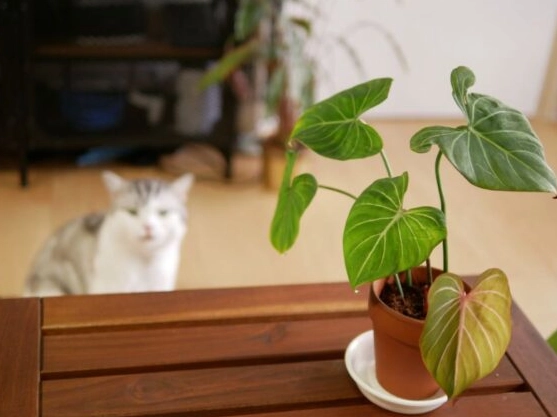
Top Non-Toxic Plant Picks for Cat Households
- Spider Plant (Chlorophytum comosum): The classic. Hardy, produces lots of "babies," and has grassy leaves some cats love to nibble. It's harmless, though it might give them a mild hallucinogenic effect (like catnip for some). Mine treat it like a salad bar.
- Boston Fern (Nephrolepis exaltata): Lush, feathery, and perfect for hanging baskets. They love humidity, so a bathroom with good light is ideal.
- Parlor Palm (Chamaedorea elegans): A true palm that's safe and adds a lovely, tropical feel. Slow-growing and tolerant of lower light.
- Peperomia (Many varieties): A huge genus with tons of cool leaf shapes and colors (Watermelon, Ripple, Obtusifolia). Most are compact and non-toxic.
- African Violet (Saintpaulia): For a pop of color. Safe, compact, and flower repeatedly indoors.
- Haworthia & Other Safe Succulents: Many (but not all) succulents are safe. Haworthia, Echeveria, and Sedum morganianum (Burro's Tail) are generally safe. Always double-check specific species, as some like Aloe and Jade are toxic.
- Orchids (Phalaenopsis): The common moth orchid is non-toxic. Your cat is more likely to break the expensive flower spike than get sick from it.
- Calathea & Maranta (Prayer Plants): Gorgeous, patterned leaves that move throughout the day. They prefer higher humidity but are worth the effort and are perfectly safe.
Strategic Placement: Out of Sight, Out of Mind
Even with safe plants, you might want to protect the plants from the cat. Or, if you can't bear to part with a toxic one, placement is your best defense. It's a constant negotiation in my house.
- Hanging Baskets & High Shelves: Your number one tool. Macrame hangers can turn any pot into a floating, inaccessible garden. Ensure shelves are truly out of launching range.
- Dedicated Plant Rooms: If you have a sunroom or spare room with good light, make it a plant sanctuary with a strict "no cats allowed" policy (good luck enforcing that without a closed door).
- Terrariums & Glass Cloches: Beautiful and functional. They create a mini greenhouse that's fully cat-proof.
- The "Unpleasant Surface" Trick: Placing aluminum foil, double-sided sticky tape, or plastic carpet runners (pointy side up) around the base of a plant for a few weeks can deter some cats. They hate the texture.
Offer a Better Alternative
Cats often chew plants out of boredom or because they need more fiber in their diet. Plant some cat grass (usually wheatgrass or oat grass) in a pot just for them. It's healthy, gives them something they are allowed to chew, and can distract them from your decorative plants. You can find kits at any pet store.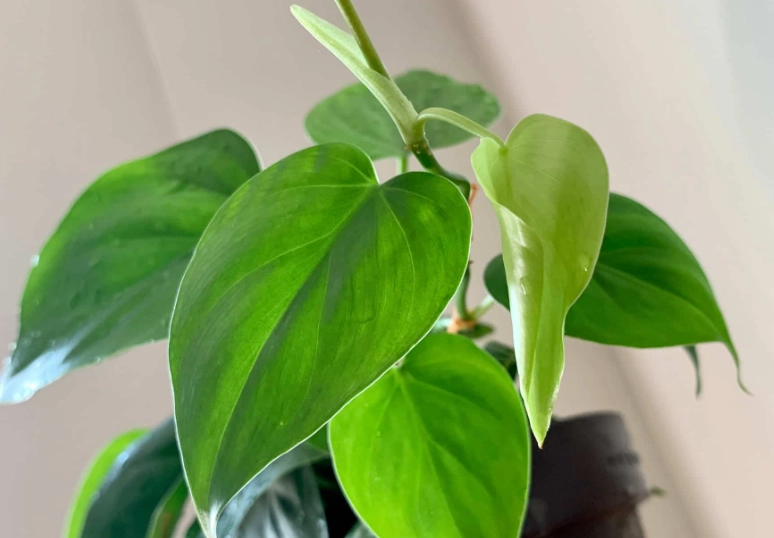
Digging Deeper: Your Philodendron & Cat Questions Answered
Are some philodendrons more toxic than others?
All philodendron species contain those insoluble calcium oxalate crystals. So from the common Heartleaf Philodendron (Philodendron hederaceum) to the trendy Pink Princess or the large Split-Leaf Philodendron (often called Monstera deliciosa, though technically a different but closely related genus), the risk mechanism is the same. The difference in potential severity comes down to how much plant material is ingested and the individual cat's reaction, not the specific philodendron type.
My cat licked a philodendron but didn't chew it. Is that dangerous?
Likely low risk, but watch closely. The crystals need to be physically broken out of the plant cells, which usually requires chewing. Just licking the surface of a leaf probably won't release a significant amount. However, if there was any sap or damaged plant part, or if your cat is very sensitive, you might still see minor drooling. When in doubt, a call to your vet for peace of mind is never wrong.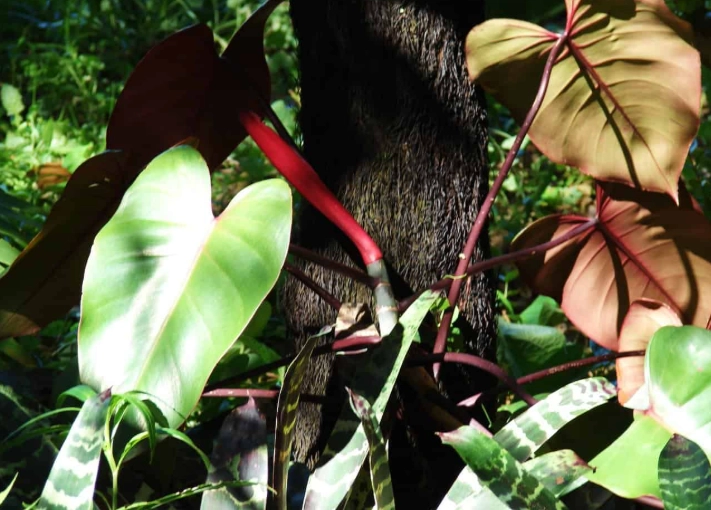
What's the long-term damage if my cat eats a philodendron?
For the vast majority of cases involving a small to moderate ingestion, there is no long-term damage. Once the painful crystals are flushed out and the inflammation subsides (which can take a day or two), your cat should recover completely. The danger of long-term issues arises only in severe, untreated cases where airway obstruction or prolonged dehydration occurs. This is why prompt veterinary care is so important—it prevents those rare, serious complications.
Are there any safe philodendron look-alikes?
Yes! This is a great question. The plant most commonly mistaken for a heartleaf philodendron is the Pothos (Epipremnum aureum)—and it's also toxic. However, the Philodendron micans look-alike that is safe is the Velvet Leaf Philodendron's non-toxic doppelganger? Not really. A better bet is to look for plants with a similar vining, heart-shaped leaf habit that are verified as safe. The Hoya heart (Hoya kerrii) is a single, thick heart-shaped leaf (often sold as a Valentine's plant) and is non-toxic. Some Peperomia varieties, like the Heartleaf Peperomia (Peperomia scandens 'Variegata'), offer a similar trailing look and are safe.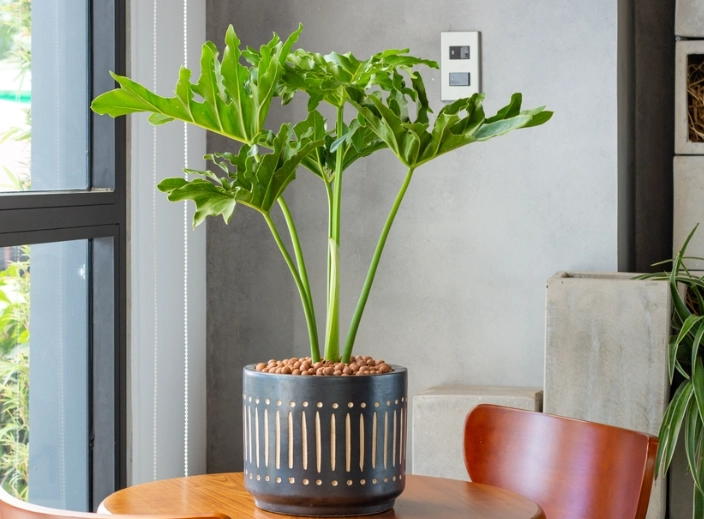
How do vets treat philodendron ingestion?
Treatment is primarily supportive. There is no specific antidote for calcium oxalate crystals. The vet's goals are to manage pain, reduce inflammation, and prevent complications. This often involves:
- Rinsing the mouth with water or milk to help flush out crystals.
- Administering pain medication to make your cat comfortable.
- Giving anti-nausea medication or stomach protectants if there's vomiting.
- Providing fluids under the skin (subcutaneous) or via IV to combat dehydration from drooling.
- In severe cases with airway swelling, anti-inflammatory steroids and close monitoring.
Most cats respond very well to this care and can go home within a day.
Final Thoughts: Living Happily with Plants and Pets
Finding out that the answer to "are philodendrons toxic to cats" is a firm yes can be a bummer, especially if you already own one. But it's not a gardening death sentence. It's a call for mindful plant parenting.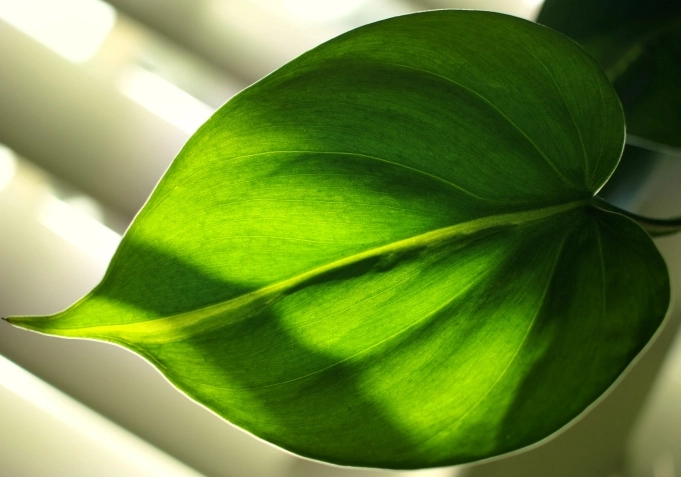
For me, it meant relocating my one large, toxic philodendron to a room the cats never enter. For every other plant, I've switched almost exclusively to the non-toxic list. The peace of mind is worth it. I don't want my love for foliage to ever be the reason for an emergency vet visit.
Your home can be a lush, green oasis and a safe playground for your feline friends. It just takes a little knowledge, some strategic planning, and maybe discovering a new favorite plant you hadn't considered before. Start with one safe spider plant or a sturdy parlor palm. Build from there. Your cat—and your own nerves—will thank you.
And remember, when it comes to plants and pets, it's always better to err on the side of caution. If you're unsure, check the ASPCA list, call your vet, or just choose something else. The world of houseplants is vast and beautiful, with plenty of room for both aesthetics and safety.



Leave a comment