Quick Navigation
- The Core of the Matter: Are Bromeliads Actually Toxic to Cats?
- So, What's the Real Risk? It's Not Just About Poison
- The Bromeliad Breakdown: A Safety Tier List
- Practical Strategies: How to Keep the Peace (Without a Removal)
- When Removal Might Be the Right Answer
- What to Do If Your Cat Eats Part of a Bromeliad
- Answers to Your Burning Questions (FAQ)
- Wrapping It All Up: Your Decision Checklist
Okay, let's talk about this. You're standing in your living room, looking at that gorgeous, spiky bromeliad you just brought home (or maybe you've had it for years). Then your cat, let's call him Loki, saunters by, gives the plant a suspicious sniff, and you feel that familiar knot of worry in your stomach. The question pops into your head, clear as day: should I remove bromeliads from my home if I have cats?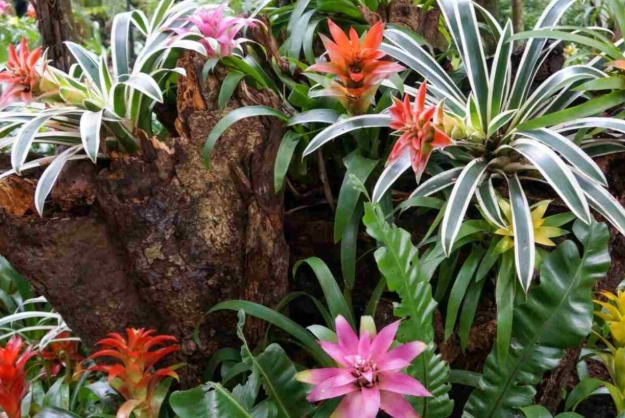
It's a real concern. We love our leafy friends for the life and color they bring, but our feline overlords come first. Always. The internet is full of scary, conflicting advice. One site screams "TOXIC!" and another says "perfectly safe." It's enough to make you want to just get rid of everything and stick to plastic plants (which, let's be honest, are just sad).
I've been there. I'm a plant enthusiast with two mischievous tabbies who think every new leaf is a personal challenge. I've done the frantic midnight Google searches. I've called the vet more than once. So, let's cut through the noise together. This isn't about scaring you or giving you a boring textbook answer. It's about getting you the real information you need to make a calm, informed decision for your specific home.
The short, non-answer answer? It depends. Annoying, right? But stick with me. By the end of this, you'll know exactly what the risks are, which bromeliads are troublemakers, which are probably okay, and how to set up your space so you don't have to choose between your jungle vibe and your cat's safety.
The Core of the Matter: Are Bromeliads Actually Toxic to Cats?
This is where we need to start. The word "toxic" gets thrown around a lot, but it's not a simple yes or no. Toxicity has levels, like a spice scale for plants.
According to the ASPCA (American Society for the Prevention of Cruelty to Animals) Animal Poison Control Center, which is basically the gold standard for this kind of info, most common bromeliads are non-toxic to cats and dogs. You can breathe a tiny sigh of relief. I remember finding that page and feeling a wave of relief wash over me.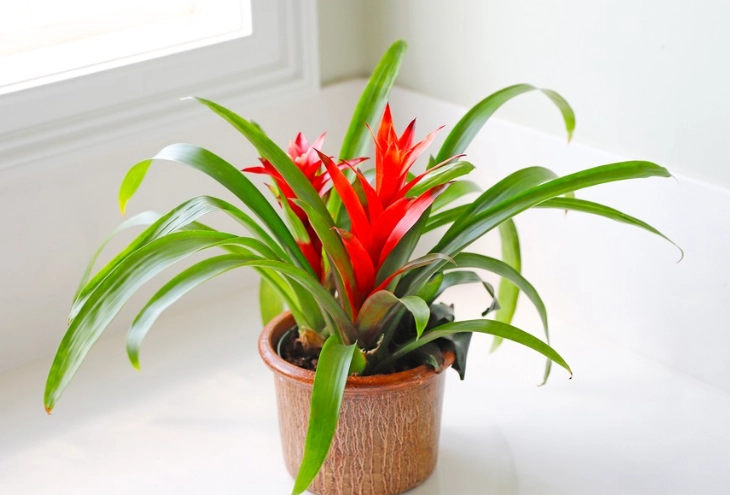
Key Takeaway: The ASPCA does not list the Bromeliaceae family as toxic. This includes popular houseplant varieties like Aechmea, Guzmania, Vriesea, and Neoregelia. This is the single most important piece of information when you're asking, "should I remove bromeliads from my home if I have cats?"
But—and this is a big but—"non-toxic" in the official sense doesn't automatically mean "completely safe and snack-worthy." It primarily means the plant is not known to contain compounds that cause systemic poisoning, organ failure, or other severe, life-threatening reactions. It doesn't mean eating it will be a pleasant experience for your cat.
Think of it like this: a jalapeño pepper is "non-toxic" to humans, but biting into one raw isn't exactly a good time. Your cat's experience with a bromeliad might be similar.
So, What's the Real Risk? It's Not Just About Poison
When we worry about cats and plants, we often hyper-focus on chemical toxicity. But the dangers can be more… physical. Here’s what you should actually be watching out for.
The Mechanical Hazard: Leaves Like Swords
Look at your bromeliad. Those leaves are stiff, often have sharp or serrated edges, and come to a point. They are designed by nature to be tough. A curious cat batting at it or trying to chew on it can easily get a scratched cornea, a cut on their nose, or a punctured gum. I've seen my cat get a tiny paper-cut from a stiff leaf, and the drama that followed was worthy of an Oscar. It's not a major injury, but it's painful and can get infected.
The Gastrointestinal Upset: A Tummy Ache in Plant Form
Even non-toxic plants are not cat food. The fibrous, tough plant material is very hard for a cat's digestive system to process. If Loki decides to make a salad out of your Guzmania, you can almost certainly expect some or all of the following:
- Drooling (sometimes a lot of it)
- Vomiting (usually bringing up the plant matter itself)
- Diarrhea or loose stools
- A temporary loss of appetite
This is your cat's body trying to expel an irritant. It's stressful for them and messy for you. While not an emergency in most cases, it's a sign the plant and your cat are not cohabiting peacefully.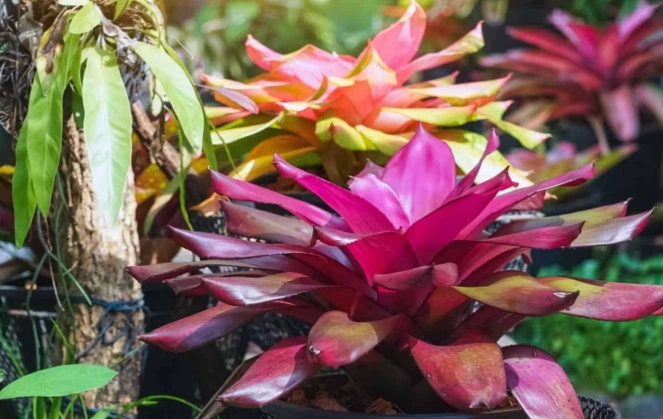
The "Cup" Conundern: Stagnant Water is a No-Go
Many bromeliads (like the common Urn Plant or Silver Vase, *Aechmea fasciata*) hold water in a central vase or cup. In nature, this is brilliant. In your home, it's a mosquito-breeding, bacteria-growing little puddle that your cat might find irresistible to drink from.
Stagnant water in plant cups can harbor bacteria, mold, and even mosquito larvae. If your cat drinks from it, they risk gastrointestinal infections. This is a surprisingly common and often overlooked risk that has nothing to do with the plant's toxicity.
I learned this the hard way. My cat, Jinx, was obsessed with drinking from the cup of my Aechmea. It took a bout of unexplained mild tummy trouble and the vet asking about houseplants to connect the dots. Now, I keep the cup dry or filled with clean pebbles to block access.
The Bromeliad Breakdown: A Safety Tier List
Not all bromeliads are created equal. Some are practically cat-proof, while others are more of a grey area. Let's break down some common types. This table should help you quickly assess your own plant.
| Bromeliad Type (Common Name) | Cat Safety Profile | Key Concerns & Notes |
|---|---|---|
| Guzmania (Scarlet Star) | Generally Safe | Softer, more flexible leaves. Low mechanical risk. The central flower spike is the main attraction but is usually out of reach. |
| Neoregelia (Blushing Bromeliad) | Generally Safe | Low-growing, often colorful center. Leaves can be spiky, so watch for pokes. The central cup is shallow but present. |
| Vriesea (Flaming Sword) | Generally Safe | Softer foliage than Aechmea. The dramatic flower spike is the standout feature. |
| Aechmea (Urn Plant, Silver Vase) | Use Caution | Stiff, sharply serrated leaves. Deep central water-holding cup. High mechanical and stagnant water risk. |
| Tillandsia (Air Plants) | Very Safe | No soil, often mounted out of reach. Minimal risk if ingested in tiny amounts. Perfect for high shelves. |
| Dyckia, Hechtia (Terrestrial Bromeliads) | Higher Risk | Extremely rigid, often razor-sharp leaves. These are more like succulents with teeth. Primarily a severe mechanical hazard. |
See? It's not one-size-fits-all. If you have a spiky Aechmea and a playful kitten, your situation is very different from someone with a Tillandsia collection on a high window frame and a lazy, senior cat.
This detail is what most quick-answer articles miss.
Practical Strategies: How to Keep the Peace (Without a Removal)
Let's get practical. The goal isn't necessarily to immediately remove bromeliads from your home if you have cats. The goal is to create an environment where coexistence is possible and safe. Here are the strategies I've used, ranked from most to least effective in my experience.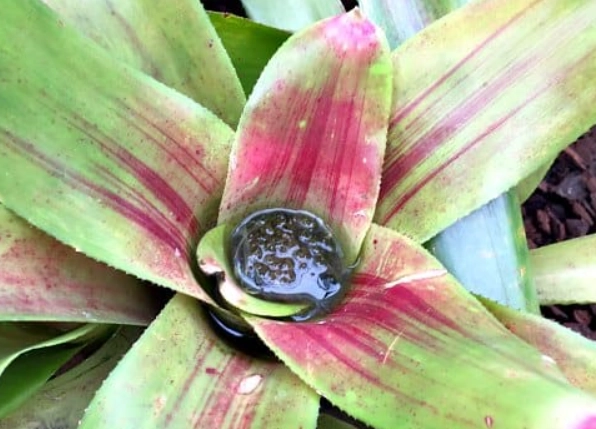
Top Strategy: Location, Location, Location
This is your first and best line of defense. Get the plant completely out of the cat's territory.
- High Shelves & Hanging Planters: The classic move. Ensure the shelf is narrow or crowded enough that the cat can't comfortably land and sit next to the plant. A hanging planter is ideal for trailing or upright bromeliads.
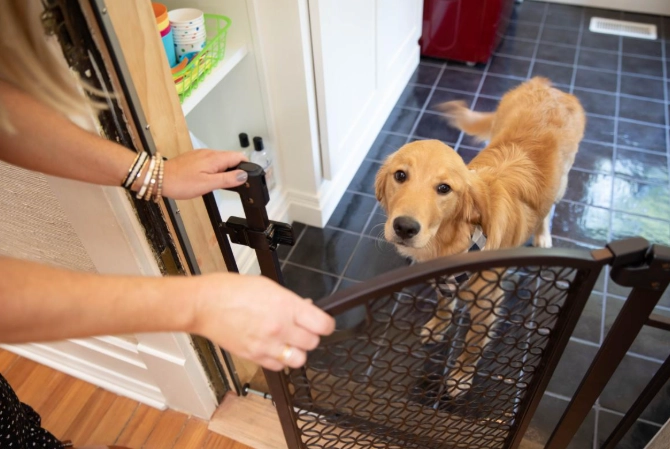
- Room Barriers: A room your cat doesn't have access to, like a home office you can close or a sunroom with a pet gate. This is the ultimate solution if you have a serious plant collection.
- Terrariums or Glass Cloches: For smaller bromeliads, a beautiful glass terrarium with an open top or a large cloche turns them into living art and puts a physical barrier in place. Just ensure there's ventilation.
The Deterrent Game: Making the Plant Unappealing
Cats hate certain smells and textures. You can use this to your advantage.
Pro-Tip: Always test any spray on a single, small leaf first and wait 48 hours to check for damage. Dilute commercial products more than the label suggests for plants.
- Bitter Sprays: Pet-safe bitter apple sprays applied to the outer leaves (not in the central cup!) can deter chewing. Reapply after watering.
- Texture Tactics: Placing rough materials around the base of the plant, like pine cones or sheets of aluminum foil, can discourage approach. Cats dislike the feel on their paws.
- Citrus & Rosemary: Lightly misting the area around the plant (not the plant itself) with water infused with citrus peel or rosemary can act as a natural deterrent, as cats typically dislike these scents.
I'll be honest, deterrents have a mixed success rate. My cat Jinx is deterred by foil. Loki looks at it, scoffs, and sits right on it. You have to know your cat's personality.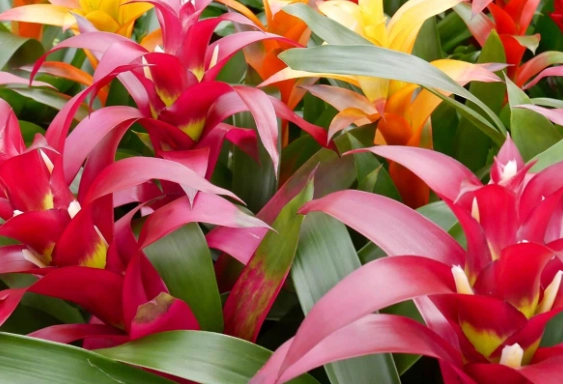
Provide a Better Alternative: The Decoy Plant
Sometimes, cats chew plants out of boredom or because they need fiber. Give them a better option.
Grow a pot of cat grass (usually wheatgrass or oat grass). Place it in an easy-to-access spot and encourage them to nibble there. It's safe, satisfies the urge, and can help with hairballs. The Royal Horticultural Society (RHS) has great guides on easy-to-grow plants like these. Having this decoy can make your ornamental plants much less interesting.
When Removal Might Be the Right Answer
Despite all these strategies, there are times when asking "should I remove bromeliads from my home if I have cats?" leads to a clear "yes." It's not a failure; it's responsible pet ownership.
- If your cat has Pica: Some cats have a compulsive disorder to eat non-food items. If your cat obsessively tries to eat any plant, all plants should be removed or placed in absolute fortresses.
- If you have a very persistent kitten: Kittens are curious, fearless, and agile. They will find a way. During this life stage, it might be simpler to relocate high-risk plants temporarily.
- If the plant is a confirmed high-risk variety: That stunning but viciously spiky Dyckia you inherited from your cactus-loving aunt? With a cat in the house, it might be best to rehome it to a cat-free friend.
- If it causes you constant anxiety: Your peace of mind matters. If you find yourself constantly worrying and checking, even after trying solutions, then removing the plant is the right choice for your mental well-being. A home should be relaxing.
I had to do this with a large, spiky Agave (not a bromeliad, but same principle). It was beautiful, but every time the cats ran past it, I winced. Giving it away was a relief.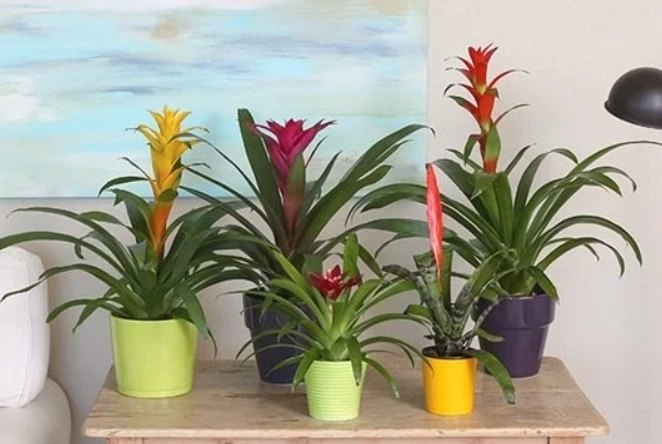
What to Do If Your Cat Eats Part of a Bromeliad
Stay calm. Panic helps no one. Follow these steps.
- Identify the Plant: Take a picture or know the name. Is it the soft Guzmania or the spiky Aechmea?
- Remove Plant Material: Gently clear any bits from your cat's mouth if you can do so safely.
- Observe Closely: Watch for the symptoms we discussed: vomiting, drooling, diarrhea, lethargy, or pawing at the mouth (indicating pain from a cut).
- Call for Help: Contact your veterinarian immediately if you see severe symptoms, or if you're unsure. You can also call the ASPCA Animal Poison Control Center (888-426-4435) for a fee. They have the most comprehensive database. Having this number saved is a good idea for any pet owner.
Remember: For most common bromeliads, the prognosis is excellent. The likely outcome is a day of mild gastrointestinal upset. The vet may recommend a bland diet and monitoring. The real value of the call is getting expert, personalized advice to ease your mind.
Answers to Your Burning Questions (FAQ)
Wrapping It All Up: Your Decision Checklist
So, back to the big question. Should I remove bromeliads from my home if I have cats? Don't just react. Work through this.
- Step 1: Identify. What type of bromeliad do you have? Check it against the safety table.
- Step 2: Assess Your Cat. Is your cat a curious chewer, a casual batters, or completely indifferent to plants?
- Step 3: Can You Secure It? Is there a perfect high spot, hanging location, or room you can use?
- Step 4: Try a Compromise. Implement one or two deterrents and provide cat grass. See if behavior changes.
- Step 5: Decide. Based on the above, you now have the info to decide: secure coexistence, or peaceful removal.
The bottom line is this: Most common bromeliads are not poisonous, but they aren't risk-free either. The answer depends entirely on the specific plant and the specific cat in your specific home. You don't have to choose between being a plant parent and a cat parent. With a bit of strategy and a lot of observation, you can often have both. But if you can't, choosing your furry friend is always the right call. And there are plenty of other beautiful, low-risk plants waiting to join your family.
Hope this helps you breathe easier. Now go give your cat a scratch behind the ears, and maybe give your bromeliad a suspicious side-eye. You've got this.

Leave a comment