Quick Guide
So your dog is humping the couch, your leg, the other dog at the park, or maybe even a bewildered guest. It's awkward, it's embarrassing, and everyone at the dog park seems to have an opinion. "Oh, he's just trying to be dominant," they say with a knowing nod. For decades, that's been the go-to explanation. But is dog mounting a sign of dominance, or have we been getting it wrong all this time?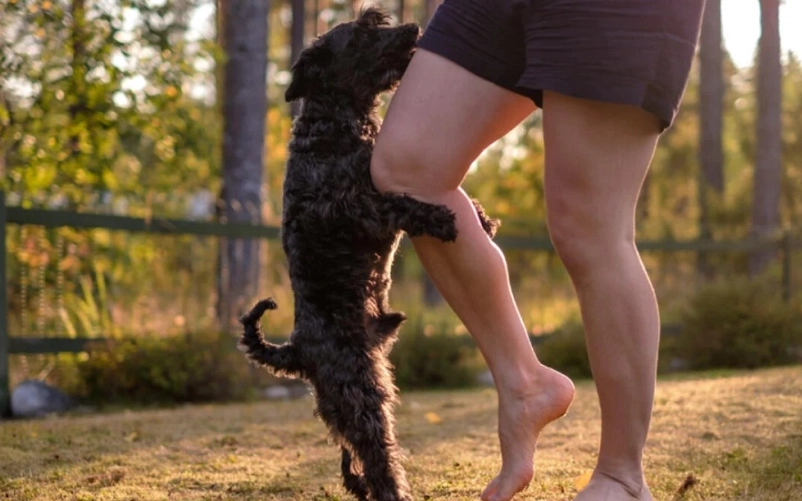
Let's cut to the chase. The short answer is: usually not. The long answer is far more interesting and, honestly, way more useful for actually understanding and helping your dog. The idea that every hump is a power play is one of the most persistent and potentially misleading myths in dog behavior. It's a classic case of us humans projecting our own social frameworks onto our four-legged friends.
Key Takeaway Straight Away: Mounting is a normal canine behavior with a wide range of potential causes. Jumping straight to "dominance" can lead you down the wrong training path and might even make the problem worse. Your dog isn't necessarily trying to be the boss; they might just be over-excited, anxious, or even have an itchy skin condition.
I remember my first dog, a goofy Labrador mix, would mount his favorite stuffed toy every evening after dinner. My initial thought was, "Great, even a plush duck is beneath him in the pecking order." It wasn't until I started digging deeper that I realized how simplistic that view was. He wasn't asserting dominance; he was winding down from the excitement of the day, engaging in a self-soothing ritual that felt good. Labeling it as dominance would have meant I completely misunderstood his emotional state.
Why Do Dogs Mount? The Real Reasons Behind the Behavior
If it's not primarily about dominance, what's going on in that furry head? Dog mounting is what behaviorists call a "context-dependent" behavior. That's a fancy way of saying you need to look at the when, where, and with whom to figure out the why. It's a multi-purpose action, a bit like a Swiss Army knife of dog communication and self-regulation.
Let's break down the most common triggers. You might see your dog exhibit this behavior during play—it's often a sign of over-arousal, a dog so amped up he doesn't know what else to do with all that energy. It can be a stress-reliever, a way to displace anxiety in a tense situation (like meeting a new dog or during a loud party). Sometimes, it's just a habitual, self-rewarding behavior that feels good, not unlike a person biting their nails. And yes, for intact dogs, sexual motivation is obviously in the mix, but it's crucial to know that neutered dogs and females mount just as often, blowing the "it's just sex" theory out of the water.
Then there are medical causes, which many owners overlook. Urinary tract infections, skin allergies, impacted anal glands, or even certain neurological issues can cause irritation that leads to mounting. Before you assume it's a behavioral problem, a vet check is a non-negotiable first step. The VCA Animal Hospitals resource library is a great place to start understanding how physical health directly impacts behavior. Ignoring this possibility is a big mistake I've seen many owners make.
The Most Common Non-Dominance Reasons for Mounting
To make this super clear, here's a quick list of what's probably actually happening:
- Play & Over-Excitement: The zoomies have to go somewhere. Mounting can be part of a play sequence, especially in younger, socially clumsy dogs.
- Stress & Anxiety Displacement: The dog is uncomfortable (maybe from too many strangers petting him) and performs a familiar behavior to cope.
- Attention-Seeking: It gets a big reaction, doesn't it? Even negative attention (yelling, pushing off) is still attention.
- Habit & Self-Gratification: It simply feels physically pleasurable and has become a go-to action.
- Medical Issue: Pain, itchiness, or hormonal imbalances driving the behavior.
The "Dominance Theory" Debate: Why It's Mostly Myth
This is where we need to have an honest chat about a concept that has done a lot of damage in the dog training world. The idea of the "alpha dog" constantly vying for dominance over humans and other dogs was popularized by old, flawed studies on captive wolf packs. Modern research on both wolves and dogs has completely overturned this. Experts like those at the ASPCA clearly state that domestic dogs do not view their human families as a pack to be dominated.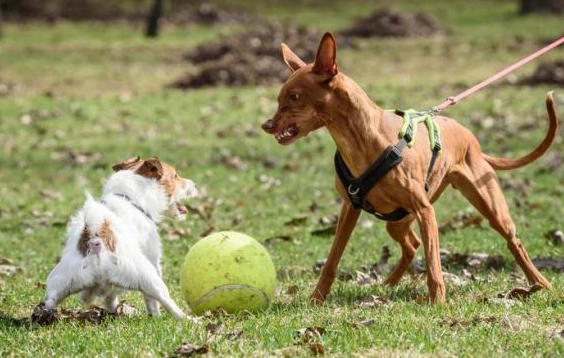
Myth vs. Fact: The myth says a dog mounting another is establishing a hierarchy. The fact, supported by contemporary animal behavior science, is that most social hierarchies in stable dog groups are fluid and context-specific, not maintained through constant physical intimidation like mounting. Mounting is a terribly inefficient way to show status; most status communication is far more subtle—a hard stare, blocking a path, or simply taking precedence over a resource.
Labeling a dog as "dominant" because he humps can lead owners to use confrontational, punishment-based training methods to "show him who's boss." This can increase a dog's anxiety and fear, potentially escalating to aggression. It misdiagnoses the problem. If the dog is mounting due to stress, punishing him just adds more stress, creating a vicious cycle. Frankly, the persistence of this dominance explanation annoys me because it stops people from looking for the real, solvable cause.
So, is dog mounting a sign of dominance ever? In very rare, specific contexts between two dogs who have an ongoing competitive relationship, it might be a component of a tension-filled interaction. But even then, it's almost never the sole or primary motivation. For the vast, overwhelming majority of mounting incidents you'll witness at home or the park, other explanations are far more likely and useful.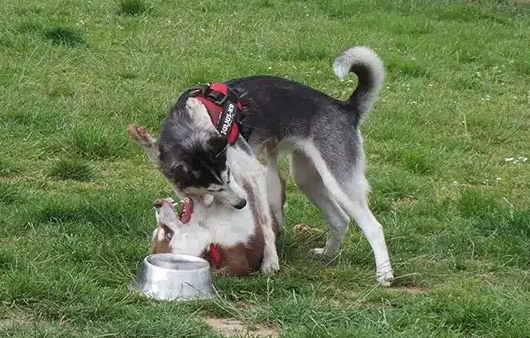
What Should You Actually Do About It? A Practical Guide
Okay, so knowing it's not about dominance is great, but you still probably want it to stop. It's embarrassing, and it can upset other dogs. The goal isn't to suppress a normal behavior entirely (that's nearly impossible), but to manage it and redirect it to something more appropriate. Punishment rarely works and usually backfires. Instead, think like a detective and a coach.
First, play detective. Keep a little log for a week. When does it happen? What just occurred? Who is around? What's the dog's overall body language? Is his body stiff or wiggly? Are his ears pinned back or relaxed? This log is gold—it will reveal the true triggers.
| Trigger Scenario | Likely Cause | Better Response (Instead of "No!") |
|---|---|---|
| When guests first arrive | Over-excitement / Stress | Ask for a "Sit" or "Go to your mat" before greetings. Manage the environment by putting a leash on. |
| During rowdy play with another dog | Over-arousal | Calmly call your dog away for a 30-second breather before letting play resume. Interrupt the arousal cycle. |
| When you're watching TV and not engaging | Attention-seeking / Habit | Calmly, without speaking, lead him to his bed with a chew toy. Reward the calm chewing, not the mounting. |
| Seemingly random, on soft objects | Habit / Self-soothing / Possible Medical | Schedule a vet check. Enrich his day with more mental/physical exercise. Restrict access to the specific object if needed. |
Your main tools are management, distraction, and teaching an alternative behavior. If your dog mounts when guests arrive, manage the situation by putting him on a leash or behind a baby gate for the first few chaotic minutes. Use a high-value treat or a favorite toy to distract him before he even thinks about starting the behavior. Most importantly, teach him what to do instead. This is the magic.
For example, if he mounts when excited, train an incompatible behavior like "Go get your ball" or "Touch" (targeting your hand). You can't hump something and simultaneously run to fetch a ball. You reward the heck out of the alternative behavior. This isn't about dominance; it's about giving your dog a better option for his big feelings.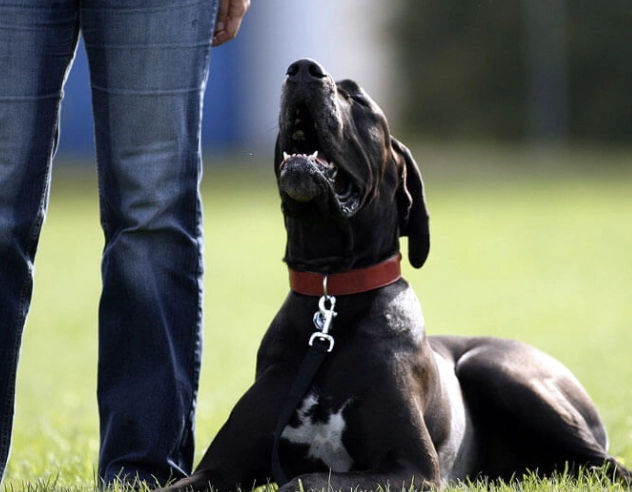
I made the mistake early on of just saying "off" and pushing my dog away. It didn't work. He just saw it as part of the game. What finally worked was spotting the pre-mounting "glint" in his eye during play, clapping my hands once, and cheerfully saying "Find it!" while tossing a treat away from the other dog. It broke his focus and gave him a job. Took consistency, but it changed everything.
When to Seek Professional Help
If the behavior is frequent, intense, directed at people or children, or is causing fights with other dogs, it's time to call in a certified professional. Look for a Certified Professional Dog Trainer (CPDT) or a Veterinary Behaviorist. These pros will look at the whole picture—environment, health, history, and emotional state—not just slap a "dominant" label on it. The American Veterinary Medical Association (AVMA) emphasizes the importance of this holistic approach to animal behavior issues.
Wrapping It All Up: Changing How We See the Hump
So, is dog mounting a sign of dominance? As we've seen, the answer is a resounding "usually not." The dominance narrative is a simplistic, often incorrect label that can prevent us from offering our dogs the help they actually need. When you see your dog mounting, try to see it as a signal. It's a message saying, "I'm feeling a lot of something right now—maybe too much excitement, maybe some anxiety, maybe just an itch I can't scratch."
Your job isn't to dominate back. It's to decode the signal. Start with the vet. Become a detective of your dog's triggers. Become a coach who teaches great alternative behaviors. Use management to set them up for success. This approach is kinder, more effective, and builds a much stronger bond based on understanding rather than confrontation.
Viewing mounting through this modern, science-based lens takes the shame and frustration out of it. It's not a character flaw in your dog or a failure in your leadership. It's a behavior puzzle to be solved, and now you have the pieces to start solving it. Next time someone at the park confidently says your dog is "being dominant," you can just smile. You know there's a much more interesting story behind that awkward behavior.






Leave a comment