You're settled on the couch, and your cat hops up, circles a few times, and then starts rhythmically pushing their paws into your lap. A deep, rumbling purr kicks in. It's cozy, maybe a bit prickly, and utterly mystifying. Why do cats do this? The short answer is it's a complex mix of instinct, emotion, and communication. But the long answer, the one that explains why your cat only kneads that one fuzzy blanket or purrs differently at the vet, is where things get fascinating. Let's decode it.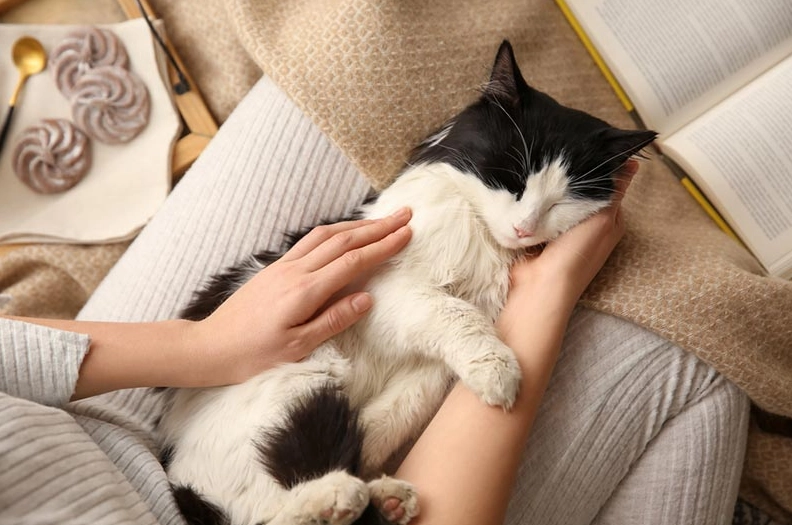
What's Inside This Guide
The 5 Core Reasons Cats Knead (It's Not Just About Biscuits)
We call it "making biscuits," but the technical term is "kneading." Those alternating pushes with the front paws are a deeply ingrained behavior. Most explanations stop at "it's a leftover kitten behavior," but that's only the first layer. Here’s a breakdown of the primary motivations, from the obvious to the subtle.
A Common Mistake: Many owners think a cat kneading them is purely a sign of love and nothing else. While affection is often involved, ignoring the other reasons can mean missing signs of anxiety, territorial marking, or even discomfort.
1. Kittenhood Instinct: The Milk Tread
This is the origin story. Newborn kittens knead their mother's belly to stimulate milk flow. The behavior is comforting and associated with the ultimate security: food, warmth, and mom. Adult cats who were weaned very early or abruptly sometimes exhibit more intense, almost obsessive kneading. It's a self-soothing mechanism, a literal comfort zone they create.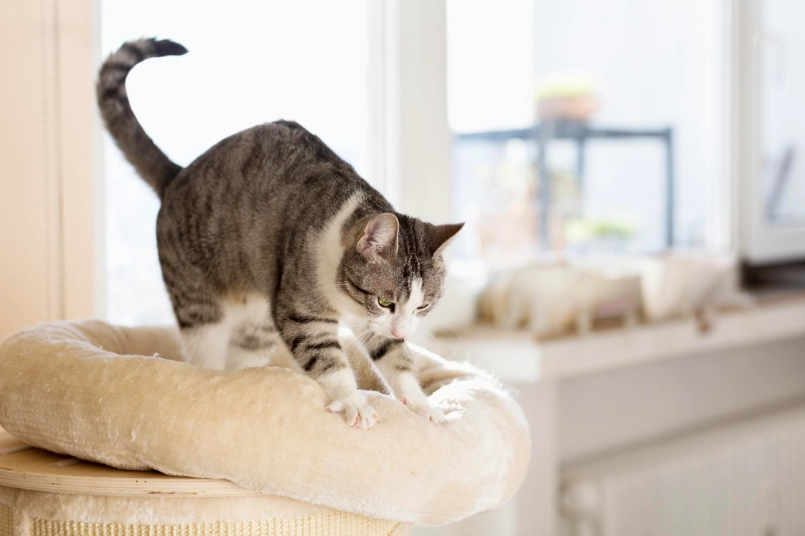
2. Scent Marking: Claiming What's Theirs
This is the one most people overlook. Cats have scent glands in the soft pads of their paws. When they knead, they're depositing their personal scent signature. That blanket, your lap, the new couch—they're marking it as safe and familiar, essentially saying, "This is mine." It's not an aggressive claim, but a comforting one. It explains why they often knead new items or people they're bonding with.
3. Creating a Comfortable Resting Spot
Think about their wild ancestors. Kneading tall grass or leaves would flatten them into a soft, safe nest. Your cat isn't just being fussy when they knead your duvet for five minutes before lying down; they're engaging in an ancient ritual of bed-making. It's practical and instinctual.
4. Stretching and Muscle Maintenance
Watch a cat's full body during a good kneading session. They often extend and retract their claws, stretching the muscles and tendons in their paws, legs, and back. It feels good, like a human stretching after a long nap. It promotes healthy circulation and keeps those hunting tools (their claws) in good condition.
5. Expressing Pure, Unfiltered Contentment
Yes, sometimes it really is just about happiness. When combined with purring, half-closed eyes, and a relaxed posture, kneading is a clear signal of bliss. It's a behavior they feel safe enough to perform, often in your presence, which is a compliment in itself.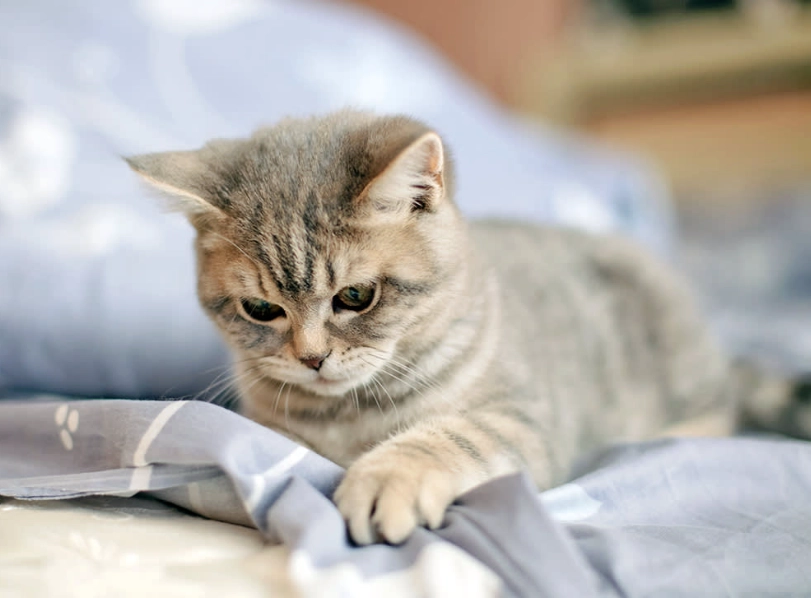
| Kneading Context | Most Likely Primary Reason | Secondary Factors |
|---|---|---|
| On your lap while being petted | Contentment & Affection | Scent marking, comfort seeking |
| On a soft blanket before sleep | Nesting & Comfort Creation | Kittenhood memory, stretching |
| On a new person or item in the home | Scent Marking (Territorial) | Familiarization, anxiety reduction |
| Intense, prolonged kneading on one spot | Self-Soothing / Anxiety | Possible early weaning, stress |
| With loud purring and drooling | Deep Contentment / Kittenhood Regression | Ultimate relaxation state |
Purring: More Than Just Happiness
If kneading is a puzzle, purring is a mystery with multiple solutions. The classic "happy purr" is real, but it's just one channel on the purring radio. Research, including studies referenced by authorities like the Cornell Feline Health Center, shows purring is a complex physiological tool.
Cats purr within a frequency range of 25 to 150 Hertz. Interestingly, sound frequencies in this range have been shown to promote tissue regeneration and bone healing. This leads to a compelling theory: cats may purr not only to communicate contentment but also to self-medicate.
Think about it. Cats spend an inordinate amount of time resting and sleeping. Purring could be a low-energy mechanism to keep their bones and muscles in good condition without moving. This might explain why cats often purr when they are injured, in labor, or even dying—it could be a self-soothing, healing mechanism.
So, let's categorize the purrs:
- The Solicitation Purr: Ever notice a more insistent, slightly whiny purr around mealtime? Researchers have identified a "cry" embedded within some domestic cats' purrs that mimics a human baby's cry, making it nearly irresistible to humans. It's manipulation, and it's brilliant.
- The Healing / Stress Purr: A cat at the vet, scared but purring. This isn't happiness. It's likely a stress response, an attempt to self-calm and promote healing in a stressful situation. Ignoring this type of purr and assuming the cat is fine is a mistake.
- The Bonding Purr: The quiet, rumbling purr during mutual grooming or cuddling. This is the social glue, reinforcing the bond between cats and between cat and human.
When Kneading Meets Purring: What Your Cat is Trying to Say
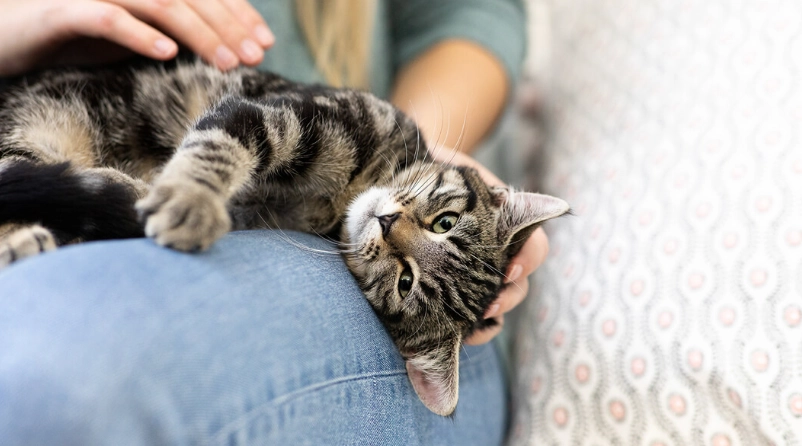
Individually, these behaviors tell a story. Together, they create a full sentence in "cat." The combination is a high-confidence signal. Your cat feels secure enough to engage in vulnerable, instinctual behavior.
However, the quality of the combination matters. A slow, rhythmic knead with a deep, steady purr and soft eyes is the pinnacle of feline trust. A frantic knead with a high-pitched, anxious purr might indicate overstimulation or underlying stress—maybe you've petted them one time too many.
My own cat, Jasper, has a specific knead-purr routine. He only does it on one particular fleece throw. The kneading is methodical, the purr is deafening, and he drools. For him, it's a complete regression to kittenhood comfort. It's his security blanket ritual. Your cat has their own version.
How to Respond to Your Cat's Kneading and Purring
Your reaction can strengthen your bond or create issues. Here’s a practical guide.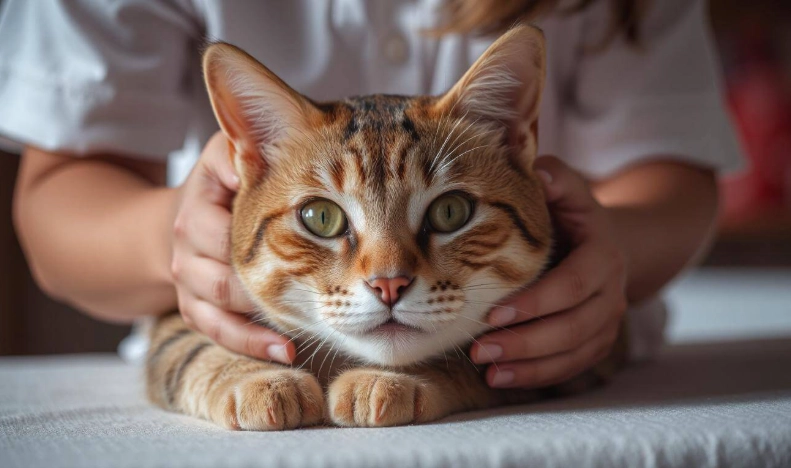
Do:
- Accept the prickles (within reason): Keep your cat's claws trimmed to make kneading more pleasant. Use a thick blanket on your lap as a buffer.
- Let them finish the ritual: Don't shoo them away mid-knead unless absolutely necessary. It can break their sense of security.
- Observe the context: Is it a happy combo or a stressed one? Let the context guide you. A stress purr-knead might mean they need quiet, not more attention.
- Provide appropriate outlets: Give them designated, knead-worthy surfaces like soft cat beds or fleece mats.
Don't:
- Yell or punish: This will only create anxiety and confusion around a natural behavior.
- Assume all purring is good: In unfamiliar or tense situations, a purring cat might still be scared. Offer calm reassurance, not boisterous play.
- Ignore sudden changes: If a normally casual kneader becomes obsessive, or a happy purr sounds strained, it could signal pain (like arthritis in the paws) or illness. A vet check is wise. The International Cat Care organization advises that changes in fundamental behaviors like these are often the first sign of a health problem.
Your Cat Behavior Questions, Answered
My cat only kneads when I'm wearing a specific wool sweater. Why is that?
Is excessive kneading a sign of anxiety I should worry about?
My cat purrs loudly when alone or while sleeping. What does that mean?
Why does my cat sometimes knead without purring, or purr without kneading?



Leave a comment