Let's cut to the chase. Taking a puppy from its mother and littermates before eight weeks of age is a serious mistake with consequences that can last a lifetime. It's not just about missing a few weeks of milk; it's about missing an entire curriculum in "How to Be a Dog." The mother and siblings are a puppy's first and most critical teachers. Removing them early isn't just inconvenient—it fundamentally disrupts the puppy's development.
I've worked with dogs for over a decade, and the behavioral fallout from early separation is one of the most common and challenging issues I see. It's often the root cause of problems owners label as "my dog is just nervous" or "he plays too rough."
Quick Guide: What You'll Learn
The Critical Window: Why Those First 8 Weeks Are Non-Negotiable
Think of a puppy's first two months as boot camp. The American Veterinary Medical Association (AVMA) and other major animal welfare organizations firmly recommend that puppies stay with their mother and littermates until at least 8 weeks of age. Some states and responsible breeders even mandate it by law or ethics until 10-12 weeks, especially for smaller breeds.
Here's what happens in that window, and what a puppy misses if it's taken too soon:
- Weeks 1-3: The mother provides essential nutrition, warmth, and stimulation for elimination. The puppy is neurologically developing but learning primarily about comfort and security.
- Weeks 4-8 (The Prime Learning Period): This is where the magic—and the crucial lessons—happen. The mother begins weaning. More importantly, the puppies start interacting with each other in earnest.
A subtle point most guides miss: The mother doesn't just feed and clean them. She actively disciplines them. She teaches them boundaries with a growl or a gentle muzzle hold. A puppy that never learns to respect these canine signals from its own mother often grows into a dog that doesn't listen to other dogs—or to you.
What Happens If a Puppy Is Separated Too Early? The 5 Major Consequences
The effects aren't always immediate. Sometimes they simmer and show up during adolescence, making them harder to connect to the root cause. Here’s a breakdown of the primary risks
1. Physical Health and Immune System Vulnerabilities
Puppies receive vital antibodies from their mother's first milk, called colostrum. Early separation often means early weaning, which can compromise this passive immunity. They are more susceptible to common puppy illnesses like parvovirus. Their digestive systems aren't fully prepared for solid food, leading to a higher chance of nutritional deficiencies and sensitive stomachs later on.
2. The #1 Behavioral Problem: Failed Bite Inhibition
This is the big one. When puppies play, they bite. Hard. If a puppy bites its littermate too hard, the sibling will yelp and stop playing. This immediate, clear feedback teaches the biter, "Oh, that hurt, play stops if I do that." The mother reinforces this lesson.
A puppy taken at 5 or 6 weeks misses weeks of this critical feedback. When it bites a human hand, we might say "Ouch!" but we rarely stop interacting completely. The puppy doesn't learn to soften its bite. As an adult, this can manifest as mouthing that breaks skin during play or excitement, which is dangerous and often mislabeled as aggression.
I've seen too many dogs surrendered for "aggression" that was really just a profound lack of bite inhibition learned in infancy.
3. Poor Canine Social Skills and Communication
Dogs have a language of body postures, vocalizations, and play signals. Puppies learn this language from each other. A puppy separated early is like a child raised without hearing human speech. It grows up socially awkward.
This dog may not understand when another dog is signaling "I want to play" versus "I'm uncomfortable." It may play too rough, incite fights, or become overly fearful or reactive around other dogs. This deficit is incredibly difficult to fully remediate in adulthood.
4. Increased Anxiety, Fear, and Stress
The mother provides a secure base. Premature separation is a profound stressor. Studies in various species, referenced in work by researchers like Michael Hennessy, show that early maternal separation can alter stress hormone (corticosterone) regulation for life.
In practical terms, this often translates to a puppy—and later an adult dog—that is more prone to separation anxiety, noise phobias (thunder, fireworks), general nervousness, and difficulty coping with novel situations.
5. Poor Impulse Control and Self-Regulation
Learning to wait your turn for milk, to settle after play, and to moderate excitement are lessons learned in the litter. An only-puppy-from-6-weeks often becomes a dog that struggles with frustration, can't settle down, and has a hard time with patience in training. You're starting from behind on basic impulse control exercises.
| Age Separated | Primary Risks & Likely Manifestations |
|---|---|
| 5-6 Weeks | Severe bite inhibition issues, extreme social deficits with other dogs, high anxiety, poor immune function. |
| 7 Weeks | Significant bite inhibition and social learning gaps, noticeable anxiety in new environments, weaker impulse control. |
| 8 Weeks (Recommended Minimum) | Has received core litter education. Focus shifts to human-led socialization and training. |
| 10-12 Weeks (Ideal for many) | Advanced social skills, better emotional resilience. Requires diligent human socialization to avoid missing the human-socialization window. |
You Have a Puppy Separated Early: Now What? A Remedial Action Plan
If you're reading this with a 6-week-old puppy in your lap, don't panic. The situation is challenging, not hopeless. You now have to consciously become the mother and littermate your puppy missed. It's extra work, but it's essential.
First step: Get a vet check immediately. Ensure the puppy is on a proper vaccination schedule and getting suitable nutrition for its very young age.
Step 1: Recreate Bite Inhibition Lessons
This is your top priority. Whenever the puppy's teeth touch your skin, let out a high-pitched "Yelp!"—just like a littermate would. Then immediately stop play, turn away, and ignore the puppy for 15-30 seconds. Consistency is non-negotiable. Every single person who interacts with the puppy must do this. Never use your hands as toys.
Step 2: Provide Controlled Canine Socialization
This must be done very carefully before full vaccination. Find a stable, fully vaccinated, gentle adult dog (a friend's dog, a trainer's demo dog) for short, supervised meetings. The goal is for the older dog to give appropriate corrections. You must intervene if the adult dog is too harsh, but allow for gentle teaching moments.
Once vaccinated, enroll in a well-run puppy kindergarten class that allows careful, supervised play. This is non-optional. It's remedial school.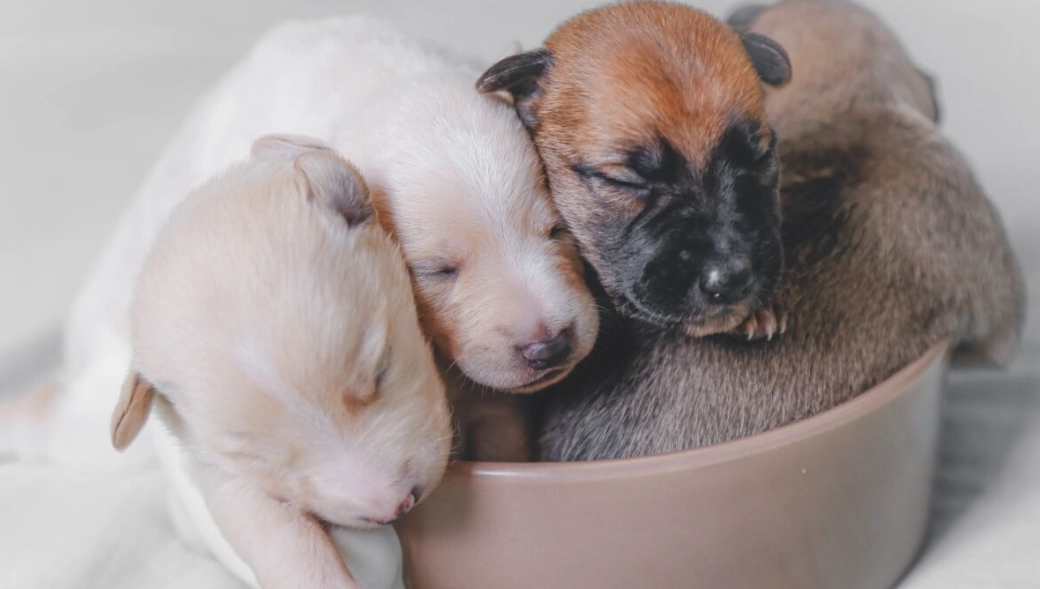
Step 3: Build Confidence and Manage Anxiety
Your puppy's world needs to be predictable and positive. Create a safe crate and pen area. Use food-dispensing toys to build confidence and reduce stress. Introduce new sights and sounds (TV, vacuum, street noises) at very low volume, paired with high-value treats. Avoid overwhelming the puppy. Short, positive experiences are better than long, scary ones.
Step 4: Teach Impulse Control from Day One
Start with simple exercises. Ask for a "sit" before putting the food bowl down. Practice "wait" at doorways. Use structured games like "It's Yer Choice" where the puppy learns to leave a treat until given permission. You are building the neural pathways for self-control that normally start developing in the litter pile.
Remember, progress will be slower. Setbacks will happen. Your patience is the most important tool you have.
Frequently Asked Questions: The Nitty-Gritty Details
My breeder says 6 weeks is fine and the puppy is eating solid food. Should I still wait?
I rescued a 4-week-old orphan puppy. Is his development permanently damaged?
Can an older dog in my home teach a puppy separated early?
How do I spot a breeder who might separate puppies too early?
The bottom line is simple. Those final weeks with the litter are an investment in your future dog's mental and emotional health. It's a shortcut that always leads to a longer, harder road. If you have the choice, always wait at least 8 weeks. If you don't have the choice, arm yourself with knowledge, patience, and a good support network of trainers and vets. Understanding what a puppy misses when taken too early is the first step toward giving it the best possible life despite a rocky start.





Leave a comment