Quick Navigation
- Why the Mucus? Understanding the "What" Before the "Why"
- The Usual Suspects: What's Causing the Upset?
- Your At-Home Action Plan: What to Do Right Now
- Red Flags: When "Acting Normal" Changes
- What Will the Vet Do?
- Prevention: Keeping That Gut Happy
- Common Questions Answered (The Stuff You're Really Wondering)
You're cleaning up the yard and there it is. A not-so-pleasant surprise. Your dog has diarrhea, and you notice it's got this shiny, slimy stuff in it – mucus. But here's the weird part. You look over at your pup, and they're wagging their tail, begging for breakfast like nothing's wrong. No lethargy, no whimpering, just... normal. It's confusing, right? Should you panic and rush to the emergency vet, or just wait it out?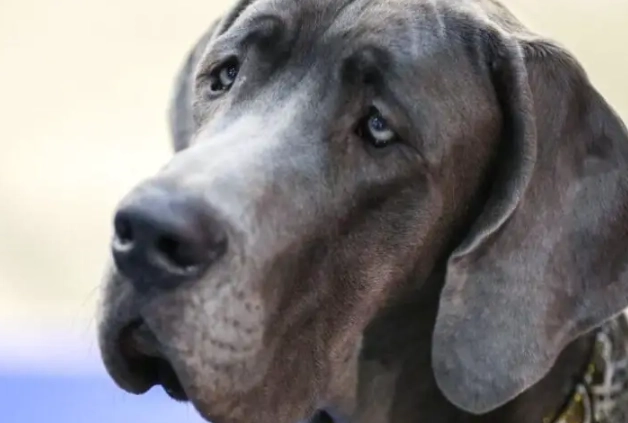
Let me tell you straight up – this scenario is way more common than you think. I've been through it myself with my own dog, a mischievous Border Collie named Luna. One morning, same thing. Messy stool with clear jelly-like strands, but she was doing zoomies in the living room five minutes later. It puts you in a strange spot as a pet owner.
The fact that your dog is acting normal is actually a huge piece of the puzzle. It's the single most important clue that often points away from immediate, life-threatening emergencies. But – and this is a big but – it doesn't mean you should ignore it. That mucus is a sign, a message from your dog's gut that something is off balance. Our job is to figure out what it's trying to say and respond appropriately.
The Core Question: When your dog has diarrhea with mucus but is acting normal, you're usually dealing with a primary intestinal issue. The gut is upset, but the rest of the body's systems haven't been recruited to fight a major battle yet. That's why the energy and personality are still there. It's a localized problem, for now.
Why the Mucus? Understanding the "What" Before the "Why"
First, let's demystify the mucus itself. It's not some alien substance. The lining of your dog's intestines constantly produces a thin layer of mucus. Think of it as a protective lubricant and barrier. It helps stool slide through smoothly and shields the delicate intestinal wall from harsh digestive juices and bacteria.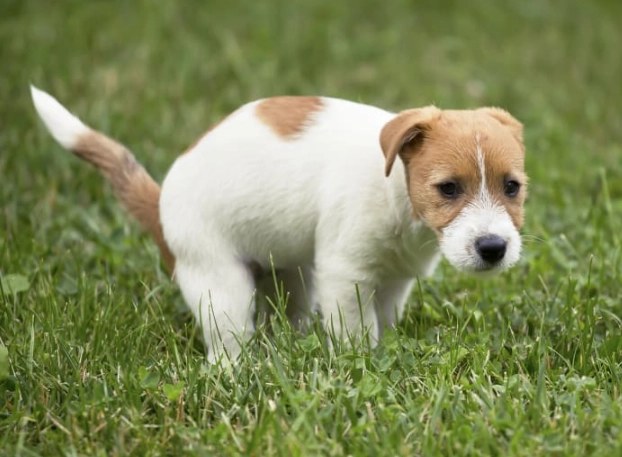
When the intestines get irritated or inflamed, they go into overdrive. "Whoa, we're under attack!" they signal, and ramp up mucus production as a defense mechanism. The excess mucus then gets pushed out with the stool. So, mucus in dog poop is almost always a sign of colitis – inflammation of the large intestine (colon). The colon's main jobs are to absorb water and store waste. When it's inflamed, it doesn't absorb water properly (hello, diarrhea) and sheds more of its lining (hello, mucus).
So, the real question we need to answer is: What irritated the colon in the first place?
The Usual Suspects: What's Causing the Upset?
When your dog is otherwise fine, the causes tend to be acute – meaning they came on suddenly and are often short-lived. Here’s a breakdown of the most likely culprits. I find a table helps sort this out clearly, because the symptoms can overlap.
| Potential Cause | What It Is / How It Happens | Typical Clues (Besides Mucus/Diarrhea) |
|---|---|---|
| Dietary Indiscretion | The classic "garbage gut" or dietary indiscretion. Your dog ate something they shouldn't have. This is probably the top reason for a dog acting normal but having diarrhea with mucus. | Might see bits of the offending item (grass, plastic, strange food) in the stool. Often a one-off episode that resolves quickly. |
| Sudden Diet Change | Switching foods too fast doesn't give gut bacteria time to adjust. | Recent introduction of new food, treats, or a different protein source. |
| Intestinal Parasites | Worms like whipworms, roundworms, or giardia specifically irritate the colon lining. The American Veterinary Medical Association (AVMA) lists these as common culprits. | You might (or might not) see worms in the stool. Sometimes weight loss or a pot-bellied appearance, but often no other signs if the burden is low. |
| Mild Bacterial Imbalance | Not a full-blown infection, but a temporary shift in the good vs. bad bacteria in the gut (dysbiosis). | Can follow antibiotic use, stress, or a mild bug. Stool may have a particularly foul odor. |
| Food Sensitivity or Intolerance | Difficulty digesting a specific ingredient (e.g., beef, chicken, wheat). Different from a full allergy, which usually involves skin/ears. | May be a recurring pattern linked to certain foods or treats. Gas and occasional vomiting can accompany. |
| Stress (Yes, Really!) | Big life changes, travel, a new pet, or even anxiety can trigger colitis. The gut-brain connection is strong in dogs too. | Episode coincides with a stressful event. Your dog might seem slightly more clingy or anxious, but still active. |
With Luna, it turned out to be a combo of stress (we had house guests) and her managing to snag a piece of rich sausage from the trash. Two irritants at once were enough to trigger that mucus-y diarrhea, even though she felt fine otherwise. It was a good reminder that causes can stack.
Notice what's not usually on this list for a dog acting normally: severe viral infections (like Parvo), major organ failure, or toxic ingestions. Those almost always come with a rapid decline in energy, appetite, and overall demeanor. That's why monitoring your dog's behavior is so critical.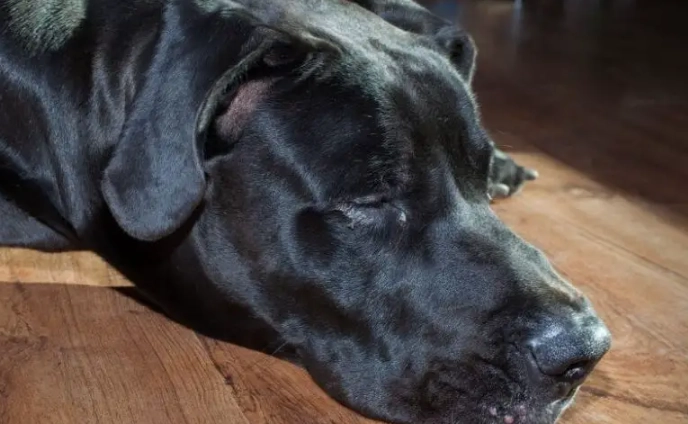
Your At-Home Action Plan: What to Do Right Now
Okay, so you've seen the stool, your dog is acting fine, and you've mentally run through the possible causes. What are the actual steps you should take? Here's a practical, tiered approach.
Step 1: The 12-24 Hour Rest Period (The "Gut Rest")
This is the cornerstone of managing simple, acute diarrhea. You're not starving your dog; you're giving their irritated intestines a break from the hard work of digestion.
- Withhold food for 12 hours. For puppies, large breed puppies, or dogs with health conditions, consult your vet before fasting. For most healthy adult dogs, a short fast is safe and helpful.
- Water, water, water. This is non-negotiable. Ensure fresh water is available at all times. Diarrhea leads to fluid loss, and dehydration is your real enemy. If they're not drinking, you can try offering ice cubes or low-sodium chicken broth (onion-free).
During this time, just observe. Is the energy still good? Is there any vomiting? Often, a single episode of diarrhea with mucus resolves with just this short rest.
Step 2: The Bland Diet Reintroduction
If the fast period passes with no more diarrhea or vomiting, it's time to introduce a gentle, bland diet.
The Classic Bland Diet Formula: Boiled, skinless, boneless chicken breast or lean ground turkey (fat drained) mixed with plain, cooked white rice. A ratio of about 1:2 (protein to rice) works well. No salt, butter, or oils. Feed small, frequent meals – think ¼ of their normal meal amount, 4 times a day.
Feed this for 2-3 days. You should see stools firming up. The mucus should disappear. This diet is boring but easily digestible.
Step 3: Probiotics & Pumpkin (The Helpful Add-ons)
These aren't magic bullets, but they can genuinely support recovery.
- Probiotics: They help repopulate the good gut bacteria. You can find dog-specific probiotic supplements or powders. Even a spoonful of plain, unsweetened yogurt (if your dog tolerates dairy) can offer some benefit. This is where that SEO tag "probiotics for dogs" comes from – it's a top search for a reason.
- Canned Pumpkin (Pure, NOT Pie Filling): A source of soluble fiber. It can help absorb excess water in the colon and add bulk to stool. A teaspoon for small dogs, a tablespoon for large dogs, mixed into the bland food.
My personal take? I always have a can of plain pumpkin and a dog probiotic in my cupboard. For mild cases, they seem to shorten the recovery time by a day or so. But they won't fix a serious underlying problem.
Red Flags: When "Acting Normal" Changes
This is the most important section. You must know when home care is no longer enough. If your dog starts showing ANY of these signs, it's time to call the vet. No hesitation.
- Lethargy or Listlessness: Your playful dog now just wants to sleep and seems "out of it." This is the biggest signal that the problem is becoming systemic.
- Loss of Appetite: Refusing the bland diet for more than a day.
- Vomiting: Especially if it's frequent or prevents them from keeping water down.
- Blood in the Diarrhea: Fresh red blood or a dark, tarry black stool.
- Signs of Pain: Whining, trembling, a hunched back, or sensitivity when you touch their belly.
- The Diarrhea Persists: If it continues for more than 48 hours despite home care, or if it's extremely frequent and watery.
- Signs of Dehydration: Dry gums, sunken eyes, loss of skin elasticity (pinch the skin on their neck; it should snap back quickly).
A dog that starts with mucus diarrhea but is acting normal can quickly transition into a sick dog if the cause is something like a parasite overload or a more significant infection.
What Will the Vet Do?
Let's say things aren't improving, or you saw a red flag. What happens at the vet? Understanding this can ease the anxiety of taking your seemingly happy dog in.
The vet will start with a thorough history. Be ready to answer: When did it start? What does the stool look like exactly? Any diet changes? Could they have gotten into anything? Any recent stress? This info is gold.
The physical exam will check for dehydration, abdominal pain, and fever.
From there, diagnostics are step-wise:
- Fecal Exam: This is the most common first test. They'll look for parasite eggs, giardia, and sometimes check for hidden blood. This often solves the mystery if your dog has diarrhea with mucus but is acting normal.
- Bloodwork: Checks organ function and looks for signs of infection or inflammation.
- Imaging (X-rays/Ultrasound): If a foreign object or more serious inflammation is suspected.
Treatment depends on the cause. It could be as simple as a dewormer and a probiotic, or a course of a specific antibiotic for a bacterial issue. For chronic or recurrent cases, they might discuss a hydrolyzed or novel protein diet trial to rule out food sensitivities. The Merck Veterinary Manual has a deep dive on conditions like Inflammatory Bowel Disease (IBD), which can cause recurrent mucus, though that often has other symptoms too.
Prevention: Keeping That Gut Happy
Once you get through this episode, how do you stop it from happening again? Some dogs just have sensitive stomachs, but you can stack the odds in your favor.
- Transition Food Slowly: Over 7-10 days, mixing increasing amounts of new food with the old.
- Manage Stress: Provide a safe space during fireworks, guests, or changes. Consider calming aids if needed. This tackles that "stress in dogs" pain point head-on.
- Parasite Prevention: Keep up with monthly broad-spectrum parasite control as your vet recommends.
- Be a Food Nazi (Temporarily): After a bout of colitis, stick to the bland diet for the full few days, then transition back to regular food slowly. Don't give rich treats or table scraps right away.
- Know Your Dog's Triggers: If you notice a pattern with certain treats or foods, eliminate them.
Common Questions Answered (The Stuff You're Really Wondering)
Can I give my dog Imodium or Pepto-Bismol?
I'm going to be blunt here: Don't do this without explicit vet instruction. Human anti-diarrheal medications can be dangerous for dogs. Some ingredients are toxic, and in cases of infection or toxin ingestion, stopping diarrhea can trap the bad stuff inside. It's a common thought, but the risk isn't worth it. The ASPCA Animal Poison Control Center lists several human medications as common toxins for pets.
How long is too long for this to go on?
If your dog is still having diarrhea with mucus but acting normal after 48 hours of proper home care (fasting, bland diet), it's vet time. For a puppy or a small dog, I'd call the vet sooner, maybe after 24 hours, as they dehydrate faster.
My dog eats grass and then gets mucus-y diarrhea. Related?
Probably. Grass itself is irritating and can cause the colon to produce more mucus. Some dogs also eat grass when they feel nauseous or have an upset stomach to begin with. So it might be a symptom, not the cause. Try to discourage it if it's a pattern.
Is white mucus different from clear or reddish mucus?
Clear or whitish/yellowish mucus is typical of general inflammation. Reddish or bloody mucus indicates that the inflammation is severe enough to cause minor bleeding in the colon lining. Blood is always a sign to contact your vet.
Could this be the start of a serious disease like cancer?
It's very, very unlikely for a single, acute episode in an otherwise healthy, normal-acting dog. Chronic, long-term issues with weight loss and appetite changes are a different story. Don't let your mind jump to the worst conclusion right away. The odds are overwhelmingly in favor of a simple, fixable cause.
Look, seeing your dog have diarrhea with mucus is unsettling. It feels like a glaring sign that something's wrong. But when they're bouncing around like usual, it's okay to take a deep breath. Start with the simple steps: rest the gut, offer the bland diet, and watch like a hawk. Most of the time, that's all it takes. Your dog's resilient body does the rest of the work.
Just promise me you'll keep that list of red flags handy. Trust your gut too. If something feels off, even if you can't pinpoint it, a call to your vet is never a waste. It's better than the alternative of waiting too long. Now, go give your pup a pat (maybe after they've been to the bathroom). You've got this.

Leave a comment