Let's be honest. Your cat's life probably looks nothing like what nature intended. The wild feline day is a thrilling, dangerous cycle of hunt, eat, groom, sleep. Our living rooms offer safety and food, but often at the cost of crushing boredom. That's where cat enrichment comes in. It's not about buying more toys. It's about rebuilding the essential challenges and choices your cat is hardwired to seek. Ignore this, and you'll likely see the fallout: midnight zoomies, shredded curtains, or a cat who seems disinterested in everything. Get it right, and you'll have a calmer, more engaged, and profoundly happier companion.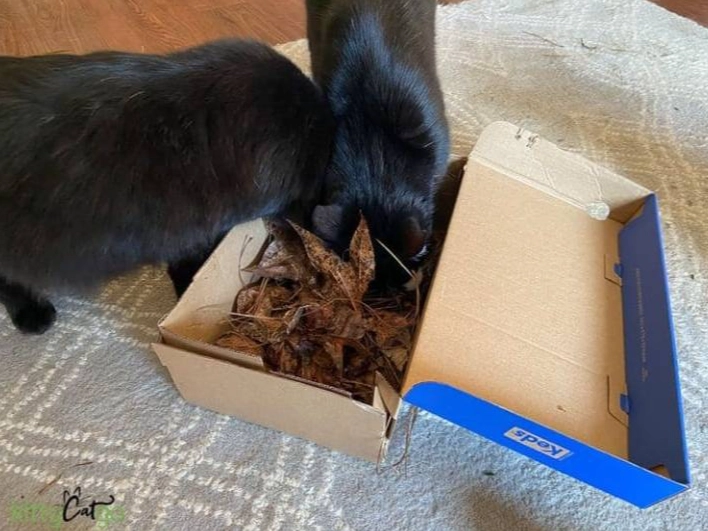
What's Inside This Guide?
Why Cat Enrichment is Non-Negotiable
Think of enrichment as mental and physical hygiene. The International Cat Care organization stresses that providing an environment that allows for natural behaviors is a core component of feline welfare. A bored cat isn't just sad; it's stressed. Chronic stress weakens the immune system and directly manifests as what we call "behavior problems."
That cat knocking your glass off the table at 3 AM? That's often a cry for stimulation. Over-grooming, hiding, or even inter-cat aggression can stem from an under-stimulated environment. Enrichment is preventative medicine. It satisfies their primal needs in a safe, domestic setting.
I learned this the hard way with my first cat, Milo. He had every plush toy and feather wand I could buy. He'd play for 30 seconds, then walk away. I thought he was lazy. Turns out, I was boring. The toys did all the work. There was no puzzle, no hunt, no reward he had to earn. The moment I introduced food puzzles and started hiding his meals, his entire demeanor changed. He became alert, curious, and those destructive evening antics vanished.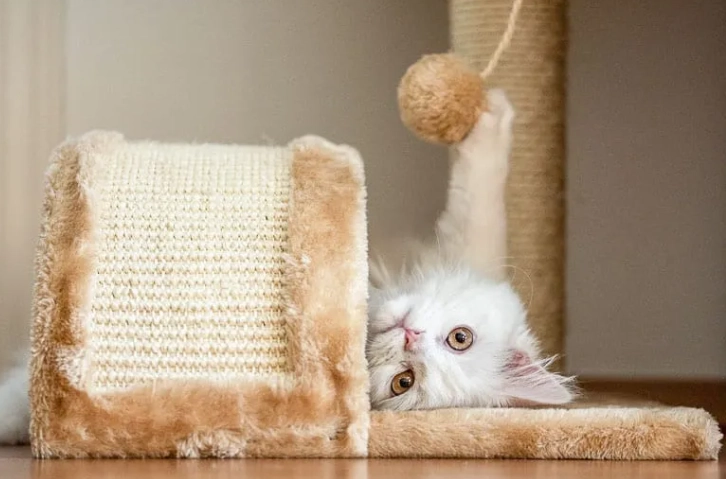
The Five Pillars of Feline Enrichment
Effective enrichment isn't random. It targets specific, innate drives. Break it down into these five categories, and you'll cover all the bases.
| Pillar | What It Targets | Quick Activity Examples |
|---|---|---|
| 1. Foraging & Food | The hunt sequence: search, stalk, capture, consume. | Food puzzles, scatter feeding, hidden treats. |
| 2. Predatory Play | Stalking, pouncing, biting, kicking. | Interactive wand play, motorized toys, kicker toys. |
| 3. Climbing & Vertical Space | Security, surveying territory, escape routes. | Cat trees, wall shelves, window perches. |
| 4. Scratching | Claw maintenance, stretching, visual/ scent marking. | Vertical & horizontal scratchers in key locations. |
| 5. Sensory Stimulation | Sight, smell, sound, touch. | Cat TV (bird feeder), cat-safe herbs, textured surfaces. |
Pillar 1: Foraging & Food – The Most Overlooked Game-Changer
This is the big one. Free-feeding from a bowl is like getting a paycheck for doing nothing. It's convenient, but deeply unsatisfying for a predator's brain. The Cornell Feline Health Center notes that feeding strategies that mimic hunting can reduce boredom and obesity.
Start here: Get a simple food puzzle. The Trixie Mad Scientist or Catit Senses 2.0 Food Tree are great starters. Put 25% of their daily kibble in it. You can also just scatter kibble on a clean floor or towel. For wet food, smear it on a lickimat. The goal is to make eating take 10-15 minutes of focused effort, not 30 seconds of gulping.
Pillar 2: Predatory Play – It's About Quality, Not Quantity
Ten minutes of focused, interactive play is worth more than an hour with a battery-operated toy. You are the puppet master. Mimic prey: erratic movements, hiding behind corners, allowing periods of "rest" (like a wounded bird). The key is letting your cat finally "catch" and bite the toy at the end of the session, then immediately offer a food reward (a few treats or their puzzle meal). This completes the hunt sequence.
My go-to is a simple wand with a feather or furry attachment. I keep it in a drawer so it stays novel. Da Bird is a legendary product for a reason – the flight pattern is irresistible.
Pillars 3 & 4: Space and Scratching – Your Cat's Real Estate Portfolio
Vertical space is security. A stressed cat wants to be up high. If you don't provide sanctioned climbing and scratching posts, your couch and curtains become the default. Place scratchers and perches near social areas, not hidden in a back room. A window perch overlooking a bird feeder is prime cat real estate.
Pillar 5: Sensory Enrichment – The Subtle Layer
Rotate novel scents. Bring in a pine cone, a box of fresh herbs (catnip, valerian root, silver vine), or a piece of bark. Offer different textures to walk on: cardboard, carpet samples, cork, cool tile. A simple paper bag or box provides hours of tactile and hiding fun. A slow-dripping faucet or a pet water fountain appeals to their interest in running water.
How to Create a Cat Enrichment Plan That Works
Don't just throw ideas at the wall. Observe your cat. Are they a ground-level bushwhacker or a high-altitude observer? Do they love batting toys or are they a dedicated chaser?
Step 1: The Daily Rhythm. Cats are crepuscular (most active at dawn/dusk). Schedule interactive play and puzzle feeding for these times. A solid pre-bedtime play session can work wonders for your sleep.
Step 2: Rotate, Don't Saturate. Have a "toy library." Put 80% of toys away in a box. Every week, swap out a few. A toy that's been hidden for a month is a new toy. This prevents habituation.
Step 3: Environmental Tweaks. This costs nothing. Before you leave for work, close a few doors. Open others. Move a chair. Hide a few treats in a muffin tin covered with tennis balls. Small changes force your cat to mentally map their territory again.
Common Cat Enrichment Mistakes (And How to Fix Them)
I see these all the time, even with well-meaning owners.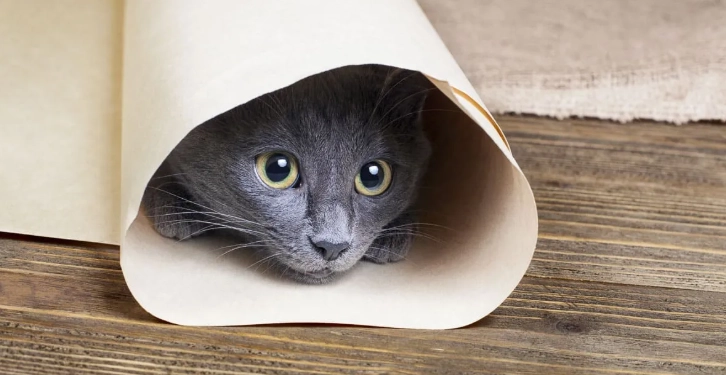
Mistake 1: The Laser Pointer Obsession. It's the ultimate tease. The cat never gets the satisfaction of the catch, which can lead to fixation and frustration. Fix: If you use a laser, always end the session by pointing it at a physical toy or a treat they can "catch" and bite.
Mistake 2: Assuming "Set It and Forget It." A cat tree from five years ago is just furniture now. Fix: Refresh it. Drape a new blanket over it. Sprinkle catnip on it. Move it to a new window.
Mistake 3: Overlooking the Nose. We're visual; cats are olfactory. New smells are massive mental stimulation. Fix: Before a vet visit, rub a towel on your cat. At home, rub that towel on new furniture or scratchers to make them familiar and safe.
Level Up: Advanced Enrichment Ideas
Once you've got the basics down, try these.
Harness Training: It's not for every cat, but for some, it unlocks a world of safe outdoor exploration. Go painfully slow, using treats at every step. The goal is positive association, not a walk on day one.
Clicker Training: Yes, you can train a cat. Teaching a "high-five" or "spin" is incredible mental exercise. It builds confidence and strengthens your bond. Karen Pryor's clicker training resources are a gold standard.
Controlled "Prey" Feeding: For the ultimate simulation, feed whole prey (like frozen-thawed mice or chicks, available from reptile food suppliers). This is the most natural form of feeding and enrichment possible, though it's not for every owner or cat. Consult your vet first.
Your Cat Enrichment Questions, Answered
My cat ignores all the new toys and just wants the cardboard box. Did I waste my money?
How do I enrich a multi-cat household where one cat bullies the others away from resources?
My senior cat has arthritis. Most enrichment seems too physical for him. What can I do?
I work long hours. How can I provide enrichment when I'm not home?
My cat seems to lose interest in a food puzzle after solving it once. How do I keep it challenging?
Enrichment isn't a task to check off. It's a lens through which you view your cat's world. It's asking, "What would make this moment more interesting for you?" It's the crumpled paper ball, the hidden breakfast, the fresh catnip on the old scratcher. It's the difference between a pet surviving in your home and a fulfilled animal thriving in it. Start small. Observe. Adapt. Your cat will show you what they need—you just have to learn to speak their language.




Leave a comment