Quick Navigation
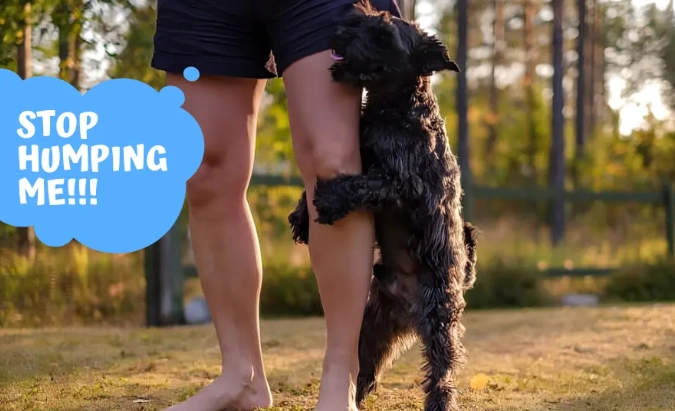
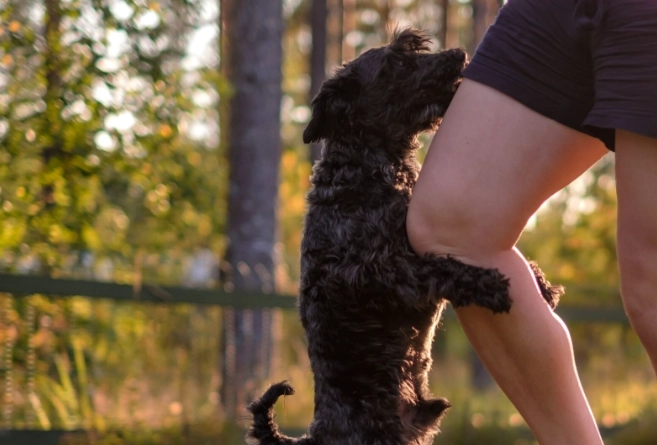
Let's be honest for a second. You're here because you love your dog, but this whole humping thing is getting out of hand. Maybe it's happening when guests come over, turning a friendly visit into an awkward spectacle. Or perhaps it's directed at your favorite cushion, your other pet, or even your leg. It's embarrassing, it's frustrating, and you just want it to stop. You've probably tried a few things—yelling "no," pushing him off—only to see the behavior pop up again later, like a stubborn weed.
I get it. I've been there myself with a lovable, overly enthusiastic Labrador who thought my aunt's leg was his favorite toy every Thanksgiving. The good news? You're not alone, and more importantly, this behavior is almost always manageable with the right understanding and approach. The goal isn't just to suppress an action; it's to understand the "why" behind it and address the root cause. That's what leads to a lasting solution, not just a temporary fix.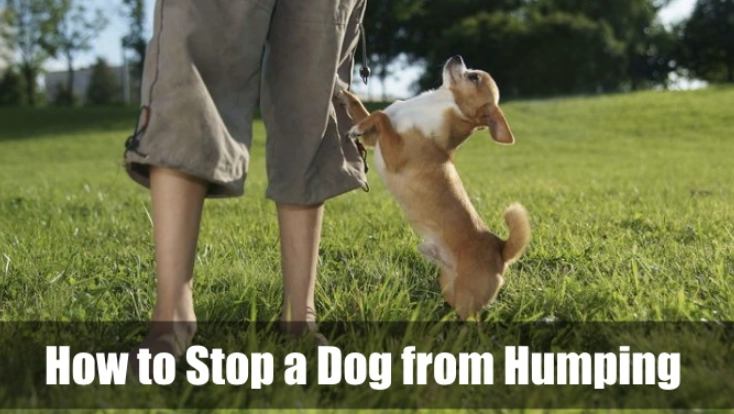
So, take a deep breath. This isn't a moral failing on your part or your dog's. Mounting, or humping, is a incredibly common canine behavior. It's wrapped up in a bunch of different motivations, not just the obvious sexual one. Your mission, should you choose to accept it, is to become a dog behavior detective. We're going to dig into all the reasons, separate myth from fact, and build a toolkit of effective, positive strategies. This is your complete guide on how to stop a dog from humping, for good.
Key Takeaway First: The single most important thing to remember is that humping is a symptom, not the disease itself. You need to diagnose the cause before you can effectively treat it. Punishment rarely works and often makes things worse by adding anxiety to the mix.
Why Do Dogs Hump? It's Not What You Think (Usually)
If you think humping is only about sex or dominance, you're missing a huge part of the picture. Sure, those can be factors, especially with intact dogs, but they're far from the whole story. In my experience, the "non-sexual" reasons are way more common in everyday life, especially for dogs living in homes.
Think of humping as a release valve for big, overflowing emotions. Dogs don't have words. When their emotional cup gets too full—whether with joy, stress, or uncertainty—they need an outlet. Humping can be that outlet. It's a self-soothing behavior, a way to burn off nervous energy, or an expression of over-the-top excitement.
Let's break down the main culprits: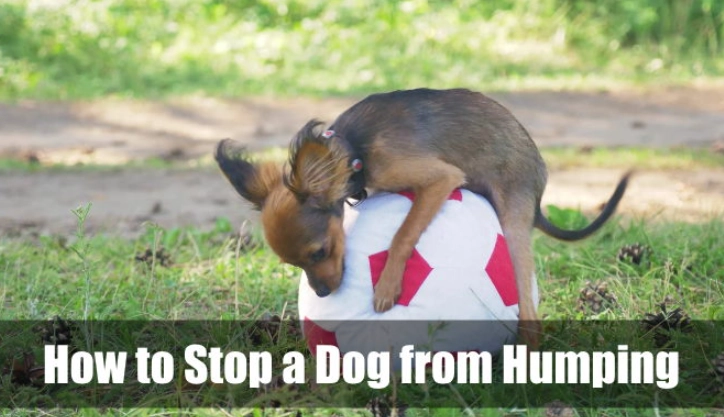
The Play and Excitement Humper
This is probably the most frequent type I see. Play escalates, arousal levels shoot through the roof, and suddenly play-biting turns into mounting. It's like a kid getting so hyper they start bouncing off the walls. The dog isn't being "bad"; he's just lost in the moment and his brain has short-circuited into a default, high-arousal behavior. You'll often see this in adolescent dogs or in breeds with high energy drives.
The Anxious or Stressed Humper
Here, humping is a coping mechanism. New people in the house? Loud noises? A change in routine? For some dogs, this uncertainty translates into anxiety, and humping becomes a way to self-calm. It's a displacement activity, similar to a person biting their nails or fidgeting. If the humping seems to happen in predictable stressful situations, you're likely dealing with an anxiety component.
The Attention-Seeking Humper
This one is on us, the owners. If every time your dog humps something, you react—even if that reaction is negative like yelling or pushing him off—you are giving him attention. For some dogs, negative attention is better than no attention. They learn: "Hump the pillow, and Mom talks to me immediately." It becomes a guaranteed interaction starter.
The Medical Humper
This is the category you absolutely cannot ignore. A sudden onset of humping, especially in a dog who never did it before, or a dramatic increase in the behavior, can be a red flag. Underlying issues could include urinary tract infections, skin allergies (causing itchiness around the genitals), priapism, or even cognitive decline in older dogs. Before you assume it's behavioral, a vet check is a non-negotiable first step. The American Veterinary Medical Association (AVMA) emphasizes that any sudden behavior change warrants a medical evaluation to rule out pain or illness.
The Sexual/ Hormonal & Dominance-Related Humper
Yes, these are real factors, though their prevalence is often overstated. Intact males and females in heat will, of course, exhibit sexual mounting. The "dominance" theory is trickier. Modern animal behaviorists see it less as a calculated power move and more as a control mechanism in specific, often tense, social interactions. A dog might mount another to cut off interaction or manage social pressure. It's less about being "alpha" and more about managing an uncomfortable situation.
I made the mistake early on of labeling my Lab's guest-humping as "dominance." It made me feel like I was failing as a pack leader. That frame of mind led me to use more confrontational corrections, which just made him more anxious and the behavior worse. When I shifted my view to seeing it as "over-arousal and poor impulse control," my whole training approach changed for the better.
To make sense of this all, here’s a quick-reference table to help you match the behavior with the likely cause and immediate action:
| Primary Cause | Typual Context/Triggers | What It Looks & Feels Like | Your First Action |
|---|---|---|---|
| Play/Excitement | During rough play, when owners come home, during high-energy games. | Playful body language beforehand, seems "wound up," occurs in bursts of energy. | Interrupt play before it escalates. Teach a solid "Settle" command. |
| Anxiety/Stress | New environments, visitors, loud noises (thunder, vacuum), vet visits. | May show other stress signals first (licking lips, yawning, whale eye). Humping seems almost frantic. | Identify and minimize the stressor. Provide a safe, quiet space. Use calming aids. |
| Attention-Seeking | When you're busy (on phone, watching TV), when you first sit down. | Dog looks at you before/during, stops if ignored, resumes if you react. | Practice strategic ignoring. Reward calm, settled behavior profusely. |
| Medical Issue | Can be anytime, but may increase with discomfort. Sudden onset. | New behavior in adult dog, or excessive focus on a specific body area. Possible signs of pain. | SCHEDULE A VET APPOINTMENT. Rule out UTIs, allergies, etc. |
| Sexual/Hormonal | Presence of a female in heat, intact males/females, specific hormonal phases. | Often directed at other dogs, may be accompanied by flirtatious behavior. | Discuss spay/neuter with your vet. Manage environments carefully. |
See? It's complex. But that complexity is your key to solving it. A one-size-fits-all approach like a squirt bottle won't touch the root cause if your dog is anxious or in pain.
Your Step-by-Step Action Plan to Stop the Humping
Alright, theory is great, but you want to know what to do. This is your practical, multi-pronged strategy. Don't try to do everything at once. Pick one or two areas to start, based on what you think your dog's main trigger is.
Step 1: The Essential Vet Check & Management
I can't stress this enough. Book that vet appointment. It's the responsible first move and it eliminates a huge variable. While you're waiting for the appointment, or if the vet gives you the all-clear, your job is management.
Management means preventing the rehearsal of the behavior. Every time your dog successfully humps, the neural pathway for that behavior gets a little stronger. We need to stop that. How?
- Use baby gates or leashes: If he humps guests, keep him on a leash when people enter. Give him a chance to settle calmly before granting full access.
- Remove the favorite object: If it's a specific pillow or toy, put it away for now.
- Interrupt and redirect, calmly: This is the core of the training. The moment you see the pre-hump behavior (that intense stare, the approach), interrupt with a neutral sound like "Oops!" or "Ah-ah." Then immediately redirect him to an incompatible behavior. What's incompatible with humping? Something that uses his brain and mouth.
My go-to redirects are:
- A simple obedience command: "Sit" or "Down." Followed by a treat.
- A "Find It!" game: Toss a handful of kibble on the floor for him to sniff out.
- Offering a chew toy or a food-stuffed Kong: This channels energy into his mouth.
The redirection is crucial. You're not just saying "don't do that." You're saying "do THIS instead." You're teaching an alternative behavior that is more rewarding.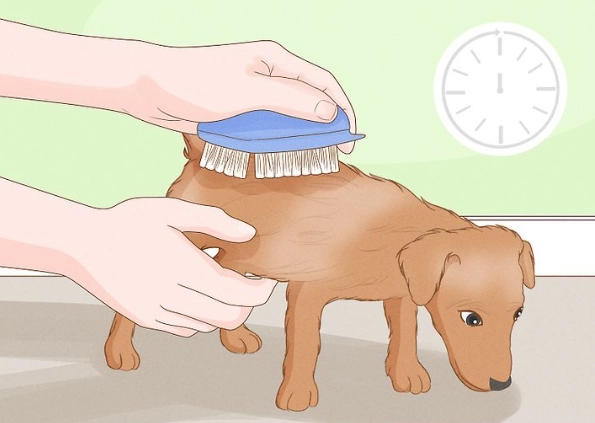
Step 2: Address the Underlying State (The Real Work)
This is where you tailor your approach to the cause you identified.
For the Over-Aroused Dog: Your goal is to teach an "off switch."
- Practice capturing calmness. Whenever he's lying down peacefully, casually drop a treat between his paws. You're reinforcing the state of being calm.
- Teach a concrete "Settle" or "Place" command on a mat or bed. Start with short durations and build up. The ASPCA's guide to common dog behaviors has great tips on teaching impulse control exercises.
- Make sure he's getting enough appropriate exercise. A long, sniffy walk is often better for calming than a frantic game of fetch, which can amp some dogs up further.
For the Anxious Dog: Your goal is to build confidence and reduce overall stress.
- Create a predictable routine. Dogs thrive on knowing what comes next.
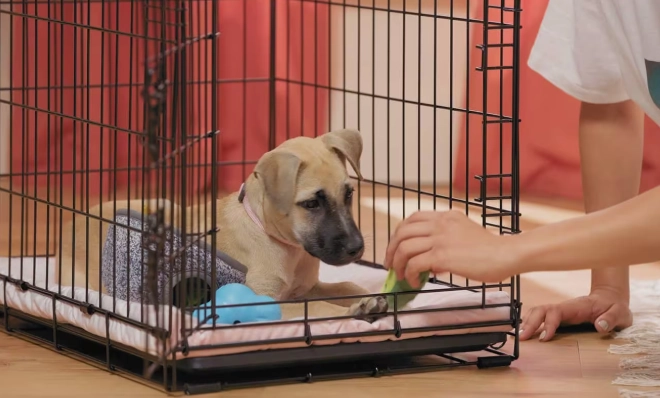
- Provide a safe haven (a crate or a quiet room) where he can retreat and never be bothered.
- Look into calming supplements (like L-theanine or casein) or products (Adaptil diffusers, ThunderShirts), but consult your vet first.
- For specific fears (like visitors), use counter-conditioning. Have visitors toss high-value treats from a distance, without demanding interaction. Change his emotional response from "Stressful! Hump!" to "Visitors predict chicken!"
For the Attention-Seeking Dog: Your goal is to make calm behavior more profitable than humping.
- This is all about strategic ignoring. The second the humping starts, become a boring statue. No eye contact, no talking, no touching. Turn away. The moment he stops (even if he just pauses), mark that moment with a "Yes!" and reward him lavishly.
- Become proactive. Reward him with attention, treats, and praise when he's being calm and polite before he feels the need to act out.
What About Neutering? It's a common question. For sexual mounting driven by hormones, spaying or neutering can significantly reduce or eliminate the behavior. However, for humping driven by habit, anxiety, or excitement, its impact may be limited. A study cited by resources like the VIN Veterinary Partner network notes that while neutering reduces testosterone-related behaviors, it doesn't erase learned behaviors. It's a helpful tool, not a magic bullet. Discuss the pros and cons thoroughly with your veterinarian.
Step 3: What NOT to Do (The Common Mistakes)
Some reactions are so intuitive but so counterproductive. Avoid these like the plague:
- Yelling, hitting, or kneeing your dog: This increases fear and anxiety, which can actually trigger more humping. It also damages your bond.
- Laughing: This is positive reinforcement! Your dog doesn't know you're laughing at him; he just knows a fun sound happens when he does the thing.
- Assuming it's just a "phase" he'll outgrow: He might, but more often, an unaddressed behavior becomes a hardened habit. It's easier to guide behavior early on.
- Relying solely on physical deterrents (spray bottles, shock collars): These don't teach the dog what you want, they just suppress a symptom. The underlying frustration or anxiety remains and may find another, possibly worse, outlet.
Answering Your Burning Questions (FAQs)
You've still got questions. I hear them all the time. Let's tackle the most common ones head-on.
Wrapping It Up: Patience and Perspective
Learning how to stop a dog from humping is a journey, not a quick fix. It requires observation, patience, and a willingness to see the world from your dog's perspective. The humping isn't a personal insult or a sign of a "bad dog." It's a communication, albeit a clumsy and embarrassing one.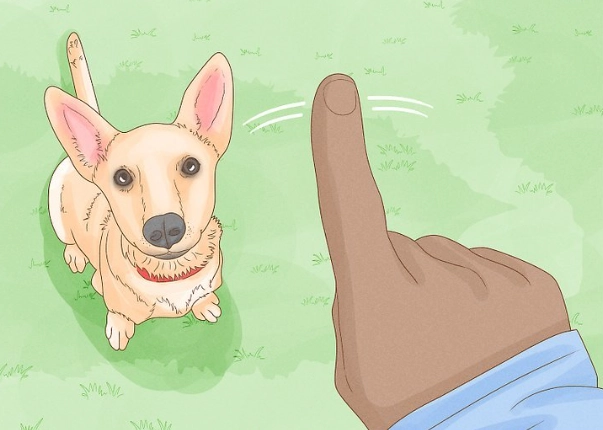
Your job is to translate that communication. Is he saying "I'm too excited!" or "I'm really nervous" or "Play with me!"? Once you crack that code, you can start giving him better ways to express those feelings.
Ditch the frustration and embarrassment. Arm yourself with knowledge and a plan. Start with the vet. Master the art of calm interruption and clever redirection. Address the root emotional cause. And for goodness' sake, stop giving the behavior attention—positive or negative.
It gets better. Really. With time and consistency, that awkward, frustrating behavior can fade into the background, replaced by a calmer, more confident companion who knows how to handle his big feelings in a more socially acceptable way. You've got this.


Leave a comment