You grab a rope toy, and your dog’s eyes light up. Within seconds, you’re in a playful battle of tug—a scene repeated in living rooms worldwide. But have you ever stopped to ask why this game is so irresistible to dogs? It’s not random; it’s wired into their DNA. As a dog trainer with over a decade of experience, I’ve seen tug of war transform from a misunderstood activity to a cornerstone of positive training. Let’s dive into the real reasons behind this behavior, how to harness it safely, and why getting it wrong can lead to common pitfalls like destructive chewing.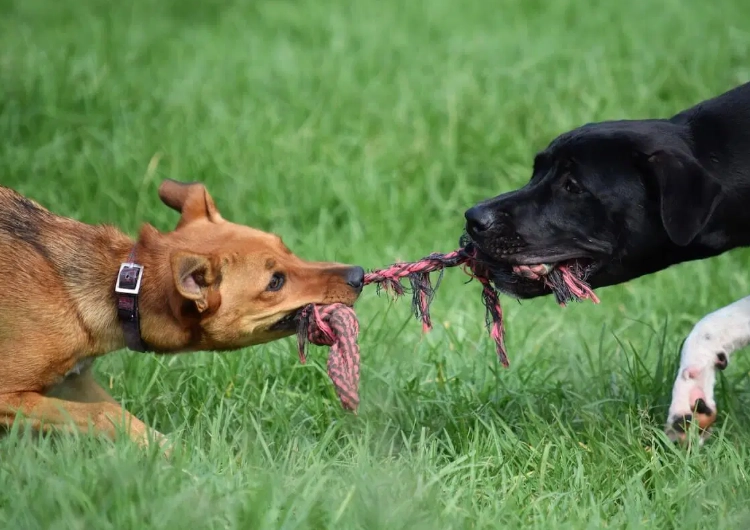
What You'll Learn in This Guide
The Instinctual Roots of Tug of War
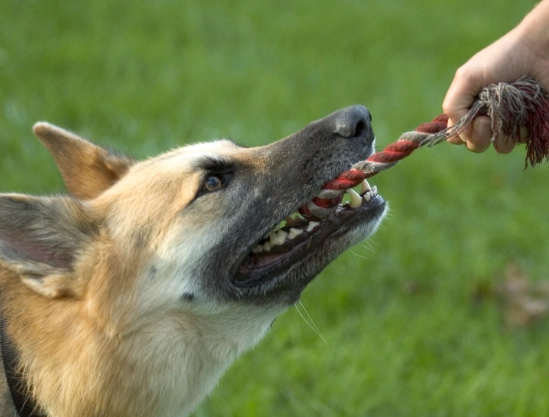
Dogs don’t play tug because they’re bored; they do it because their ancestors did. Think back to wolves—tugging on prey was part of the hunt. Modern dogs retain that prey drive, and tug of war taps into it directly. When your dog latches onto a toy, it’s simulating a natural behavior: grabbing, shaking, and pulling. This isn’t aggression; it’s play with a purpose.
From Wolves to Domestic Dogs
Research from animal behaviorists, like those cited in the Journal of Veterinary Behavior, shows that tugging behaviors are common in canid social play. Wolves engage in mock fights over objects to build coordination and social bonds. Domestic dogs have inherited this, but without the life-or-death stakes. I remember working with a rescue German Shepherd who’d never played tug; once introduced, his confidence skyrocketed because it fulfilled an innate need.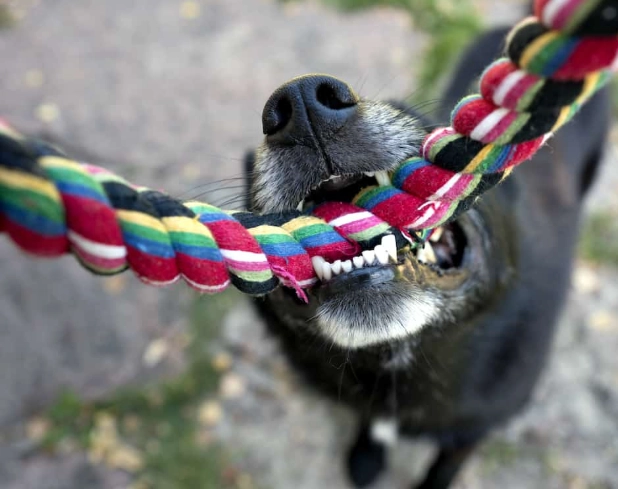
The Prey Drive Connection
Prey drive varies by breed. High-drive dogs—think Terriers or Border Collies—often go nuts for tug because it mimics chasing and capturing. But even low-drive dogs enjoy it; it’s about the thrill of the pull. A key insight many owners miss: tug of war doesn’t increase aggression. In fact, a study by the American Veterinary Society of Animal Behavior notes that structured tug can reduce frustration, which might otherwise lead to problematic behaviors like chewing furniture.
The Surprising Benefits of Tug of War
Beyond fun, tug of war offers tangible benefits that address common dog owner concerns. If your dog destroys shoes or barks excessively, this game might be part of the solution.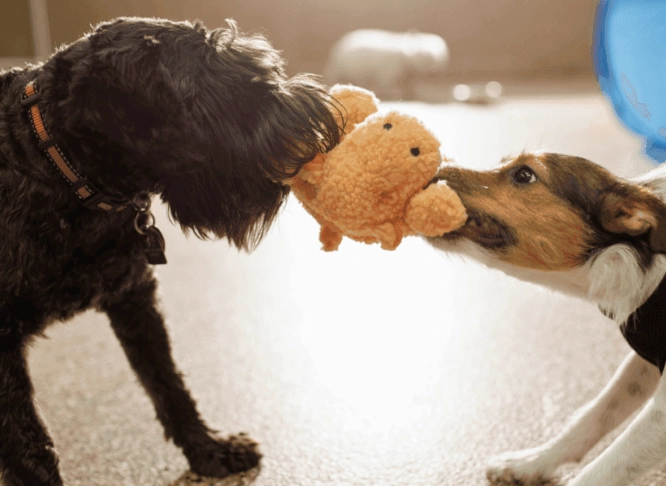
Physical Exercise and Mental Stimulation
Tug is a full-body workout. It engages muscles, improves jaw strength, and burns energy—crucial for high-energy breeds. But the mental side is bigger. Dogs must focus on the toy, follow rules, and problem-solve. I’ve used tug to tire out hyperactive puppies in minutes, way more effectively than a walk. It’s like a puzzle that satisfies their need to work.
Bonding and Training Opportunities
Here’s a non-consensus view: tug of war is one of the best training tools out there, but only if you control the game. By making yourself the source of fun, you build trust. Teach “drop it” during tug, and you’ve got a recall command that sticks. I’ve seen dogs learn faster through tug than with treats alone. It reinforces that listening to you leads to more play, not less.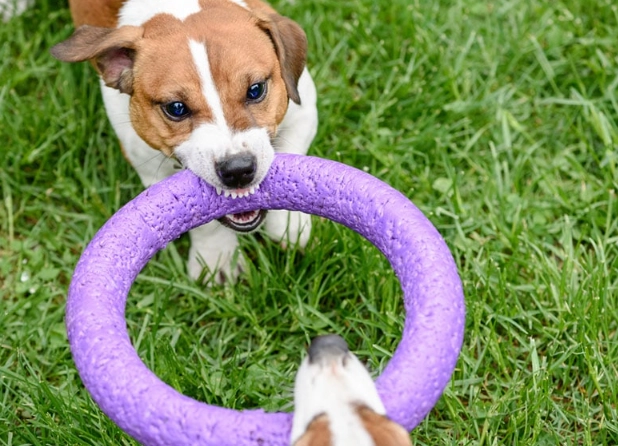
How to Play Tug of War Safely: A Step-by-Step Guide
Playing tug wrong can reinforce bad habits. Here’s a practical guide based on real-world scenarios, not just theory.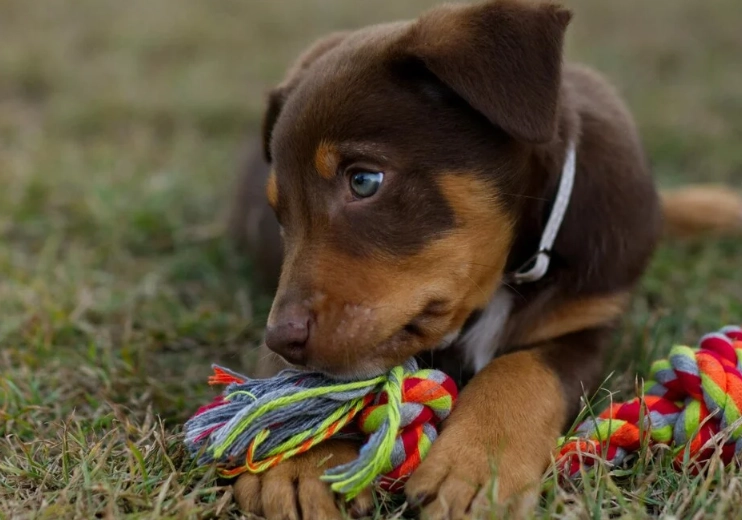
Choosing the Right Toys
Not all toys are equal. Avoid anything that resembles household items—socks or ropes that look like leashes can confuse dogs. Opt for dedicated tug toys with handles for you and durability for them. Brands like Kong or Tug-a-Jug work well. I made the mistake early on with a cheap toy; it frayed quickly, and my dog started chewing carpet edges. Lesson learned: invest in quality.
Establishing Rules and Boundaries
Start with a clear cue, like “tug!” to initiate. During play, keep sessions short—2-5 minutes max. Always end with a “drop it” command, and reward with praise or a treat. If teeth touch skin, stop immediately. This isn’t about dominance; it’s about teaching impulse control. One client’s dog would get overexcited and nip; we fixed it by pausing the game at the first sign of mouthiness, and within a week, the behavior vanished.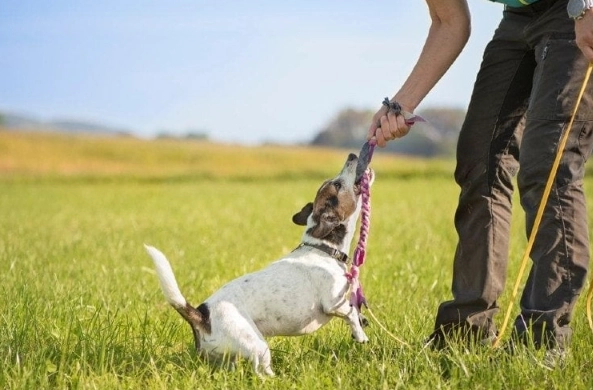
Common Myths and Mistakes Debunked
Let’s cut through the noise. Many owners avoid tug due to myths, but that robs dogs of a valuable outlet.
Myth: Tug of War Makes Dogs Aggressive
This is the biggest misconception. Aggression stems from fear or resource guarding, not play. Structured tug actually teaches dogs to share and release on command. The American Kennel Club emphasizes that tug, when done right, promotes calmness. I’ve worked with aggressive dogs where tug became a safe way to express energy without conflict.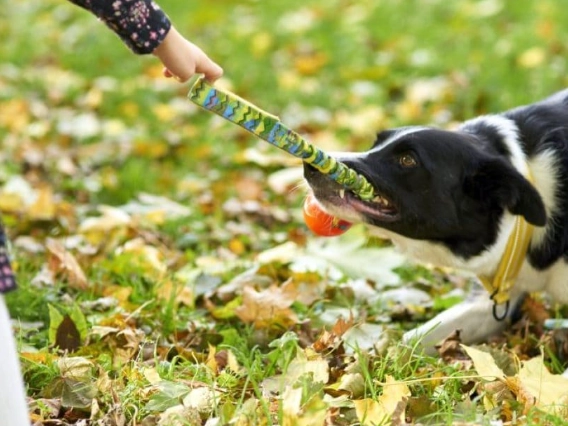
Mistake: Letting the Dog Always Win
Winning every time can inflate confidence in a negative way. Alternate wins—sometimes you end the game, sometimes they get the toy. This mimics natural dynamics and prevents obsession. A common error I see: owners give up too soon, thinking the dog “needs” to win. But dogs thrive on challenge; losing occasionally teaches resilience.
Tailoring Tug of War to Your Dog's Needs
Not all dogs play the same. Adjust the game for age, breed, and temperament.
For Puppies vs. Adult Dogs
Puppies have soft teeth, so use softer toys and keep tug gentle. It’s a great way to teach bite inhibition. For adults, ramp up intensity based on energy level. Senior dogs might enjoy slower, shorter sessions to keep joints mobile. I had a senior Lab who adored tug; it kept his mind sharp even when walks became shorter.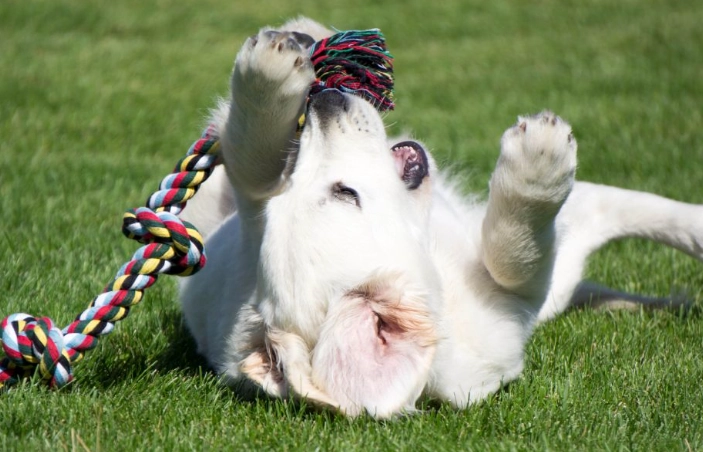
For High-Energy Breeds
Breeds like Australian Shepherds or Jack Russell Terriers need more mental engagement. Combine tug with training—ask for a sit before each tug session. This turns play into work, burning energy twice as fast. A personal story: my friend’s Border Collie would herd furniture until we introduced daily tug; the destructive chewing stopped because he had a job to do.
Your Tug of War Questions Answered



Leave a comment