What You’ll Find in This Guide
- Why Do Puppies Chew Everything? It's Not Just a Phase
- How to Choose the Perfect Puppy Teething Toys: A Guide for New Owners
- The Top Picks: Breaking Down the Best Puppy Teething Toys
- Safety First: The Non-Negotiable Rules for Puppy Teething Toys
- Common Questions About Puppy Teething Toys (Answered)
- Building Good Chewing Habits for Life
Let's be real for a second. You brought home this adorable, wiggly ball of fur, all dreams of playful fetch and cozy cuddles. Then, around the three or four-month mark, it hits. The chewing. Suddenly, your favorite shoes look like they've been through a woodchipper, the leg of your coffee table is now an abstract art piece, and even the corners of your walls aren't safe. Sound familiar?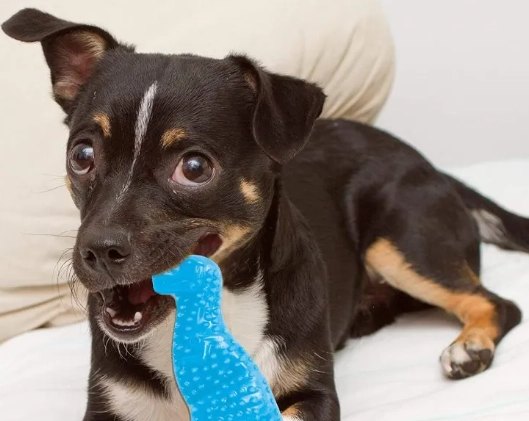
You're not alone. Every single puppy owner goes through this. It's not them being "naughty"—it's a biological imperative. Their little mouths are sore, itchy, and full of new teeth pushing through. They need to chew. The real question isn't "how do I stop it?" but "how do I direct it to something that won't cost me a fortune in replacements?"
That's where smart choices in puppy teething toys come in. Get this right, and you'll have a happy pup and an intact home. Get it wrong, and well... let's just say I learned the hard way with a now-toothmarked antique chair leg.
Think of puppy teething toys not as luxuries, but as essential survival gear for your belongings and your sanity. A good toy satisfies their gnawing instinct, provides mental stimulation, and can even help clean their emerging teeth.
Why Do Puppies Chew Everything? It's Not Just a Phase
Before we dive into the toys themselves, it helps to understand the "why." Puppies are basically tiny, furry sharks for a good chunk of their first year. They go through two sets of teeth: the sharp little milk teeth (28 of them) and then their permanent adult teeth (42 of them). The process of losing baby teeth and getting adult ones is uncomfortable, to say the least.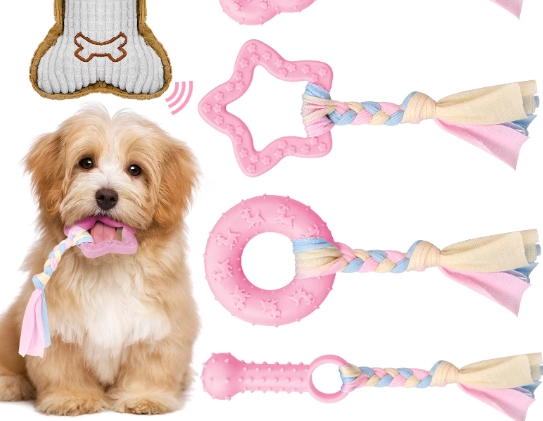
The gums become inflamed, sore, and itchy. Chewing provides counter-pressure that feels amazing—it's like scratching a deep itch. According to the American Kennel Club's (AKC) article on puppy teething, this phase can last from when they are a few weeks old until they are around 8 months old. That's a long time to be going through discomfort, which is why having the right puppy teething toys on hand is so crucial. You can find more on the AKC's official stance on puppy teething by visiting their website.
But it's not just about teething. Chewing is also a natural way for puppies to explore their world (everything goes in the mouth), relieve boredom, and burn off nervous energy. So even after the teething phase is over, the need for good chew toys doesn't magically disappear.
If your puppy's chewing seems excessive or is accompanied by other behavioral issues, it's always a good idea to consult with a veterinarian or a certified dog behaviorist to rule out any underlying medical or behavioral issues. The American Veterinary Medical Association (AVMA) is a great resource for finding a qualified vet in your area.
How to Choose the Perfect Puppy Teething Toys: A Guide for New Owners
So, with all the different types of puppy teething toys on the market, how do you know which ones are right for your furry friend? It's not a one-size-fits-all situation. What works for my neighbor's laid-back Golden Retriever might not be suitable for my own high-energy Border Collie mix.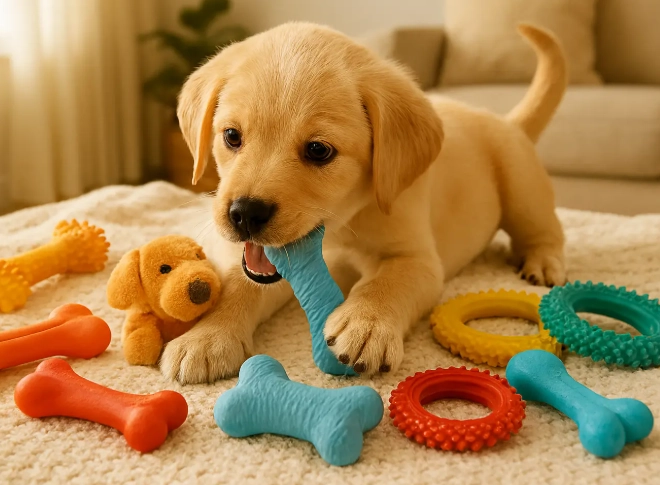
Understanding the Different Materials
When it comes to choosing the right puppy teething toys, understanding the different materials is key. Each material has its own unique properties and benefits, so it's important to choose the one that best suits your puppy's needs. Let's take a closer look at the most common types of puppy teething toys on the market today.
| Material | Pros | Cons | Best For | My Personal Experience |
|---|---|---|---|---|
| Rubber | Durable, gentle on teeth, often hollow for stuffing, floats | Can be destroyed by powerful chewers, may retain odors | Gentle chewers, puppies who enjoy fetching toys in water, puzzles where treats are hidden inside | I've found that the rubber toys are great for my puppy's teeth, but they can be a bit boring for him after a while. |
| Nylon | Very durable, long-lasting, good for cleaning teeth | Can be too hard for puppy teeth, may damage teeth if too hard, not suitable for all puppies | Owners of sturdy, powerful-jawed breeds like Labs, German Shepherds, and Border Collies who have already gotten their adult teeth | I've found that the nylon toys are great for my puppy's teeth, but they can be a bit boring for him after a while. |
| Plush | Soft, gentle on teeth, appealing to puppies who love to carry things | Easily destroyed, stuffing and eyes can be swallowed, not long-lasting | Gentle play, carrying, and comfort; supervised play only | I've found that the plush toys are great for my puppy's teeth, but they can be a bit boring for him after a while. |
| Natural (Rubber, Rope, etc.) | Often edible, satisfies urge to chew, some have dental benefits | Can be messy, may cause digestive upset if too much is ingested, variable durability | Puppies who love to consume what they chew, providing variety | I've found that the natural toys are great for my puppy's teeth, but they can be a bit boring for him after a while. |
See? It's not random. A tough nylon bone might be perfect for a growing Labrador, but it could be too hard and risk fracturing the tooth of a smaller or younger pup. The ASPCA recommends avoiding toys that are harder than your puppy's teeth to prevent dental damage. You can read more about pet safety from the ASPCA on their official website.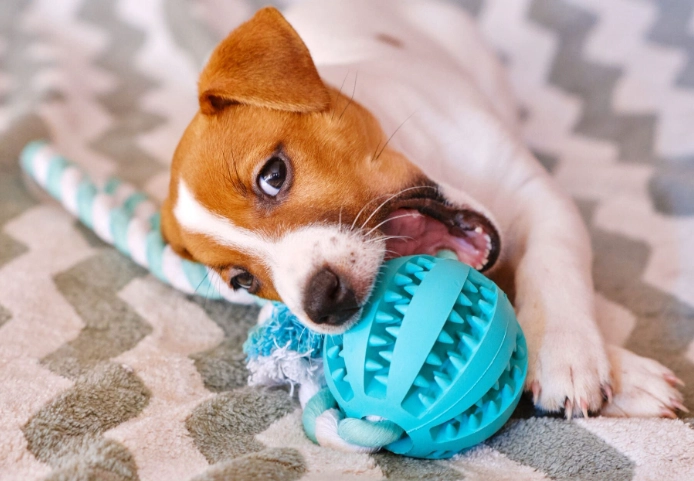
Size, Texture, and Function Matter
Beyond material, think about these factors:
- Size: The toy should be large enough that it can't be swallowed whole, but not so large your puppy can't get their mouth around it comfortably. A good rule of thumb is to avoid anything that fits entirely inside their mouth with room to spare.
- Texture: Puppies often love varied textures—nubbly, bumpy, ridged, or rope-like. These textures can massage sore gums more effectively. A smooth toy might not be as satisfying.
- Function: Is it for solo chewing, interactive play like tug-of-war, or for stuffing with food? Having a mix keeps things interesting. Food-dispensing toys are fantastic for mental stimulation and making chew time rewarding.
Variety is key.
Don't just buy one type. Have a small arsenal. A chewy rubber toy for the crate, a plush toy for gentle carry-around time, and a puzzle toy for mealtimes. Rotate them to keep things novel and exciting for your pup.
The Top Picks: Breaking Down the Best Puppy Teething Toys
Alright, let's get into some specifics. Based on my experience, talking to trainers, and scouring countless reviews, here are some standout categories and examples. Remember, what's "best" depends entirely on your individual dog.
For Soothing Sore Gums: The Chillable Chew
When those gums are really inflamed, cold can provide wonderful relief. Many rubber puppy teething toys are designed to be frozen.
- How it works: You soak the toy in water (many have hollow centers or porous material) and freeze it. The resulting icy chew numbs and soothes sore gums beautifully.
- My top pick in this category: Toys with a textured, bumpy surface made of soft, freezable rubber. The texture combined with the cold is a double win.
- Why it works: It addresses the core discomfort directly. It's like giving them a cold compress they can actually use.
Just be sure to supervise so they don't get the toy too brittle and break off pieces, and always offer it on a surface you don't mind getting wet!
For the Power Chewer: Durable & Long-Lasting
Some pups seem to have jaws of steel. For them, flimsy toys are a five-minute snack. You need something that can withstand serious pressure.
- Key features to look for: Thick rubber, "chew guard" type materials, and a solid construction without small, detachable parts. Some are even designed to flex under pressure rather than crack.
- A word of caution: Even "indestructible" toys can meet their match. Always inspect for wear and tear. If you see chunks coming off or deep punctures, it's time to retire the toy.
- Personal take: I've found that solid rubber toys, like those designed for fetch, often hold up better than ones with complex shapes and thin edges. Simpler can be stronger.
Even with durable toys, supervision is non-negotiable. No toy is 100% safe for 100% of dogs 100% of the time. Your job is to be the quality control inspector.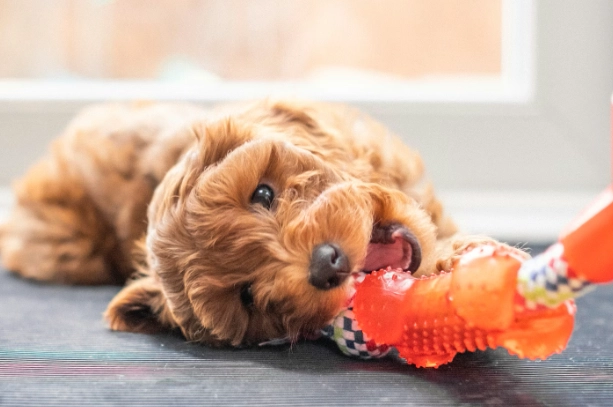
For Mental Stimulation: The Puzzle Feeder
A tired puppy is a good puppy, and mental exercise is just as tiring as physical. Puzzle toys combine chewing with problem-solving.
These are typically hollow rubber toys (like Kongs) where you smear or pack wet food, peanut butter (xylitol-free!), yogurt, or kibble mixed with a little water and then frozen. Your puppy has to work to get the food out, which keeps them engaged for a long, productive chewing session. It turns a basic need (chewing) into a rewarding job. This is my absolute go-to for crate training or when I need to keep Finn occupied for 30-45 minutes.
Safety First: The Non-Negotiable Rules for Puppy Teething Toys
This might be the most important section in this entire guide. Your puppy's safety is paramount. Here are the golden rules:
- Supervise, supervise, supervise. Never leave your puppy alone with a chew toy, especially when they are new to it. You need to see how they interact with it.
- The "Thumbnail Test": A good guideline from many veterinarians is to press your thumbnail into the toy. If you can make an indent, it's usually a safe hardness. If the toy is rock-hard and your nail does nothing, it might be too hard for puppy teeth.
- Size appropriately. A toy that's too small is a choking hazard. One that's too large can cause jaw strain.
- Inspect regularly. Look for cracks, tears, loose parts, or pieces that are being chewed off. If a toy is damaged, throw it away immediately. Don't try to be a hero and keep using it.
- Avoid toxic materials. Ensure toys are made from non-toxic, pet-safe materials. Be wary of cheap toys from unknown sources that might contain harmful chemicals like lead or phthalates.
When in doubt, throw it out.
It's cheaper than an emergency vet visit for an intestinal blockage. The Humane Society of the United States provides excellent general guidelines for pet-safe homes, which includes toy safety. You can always refer to their resources for broader pet care advice.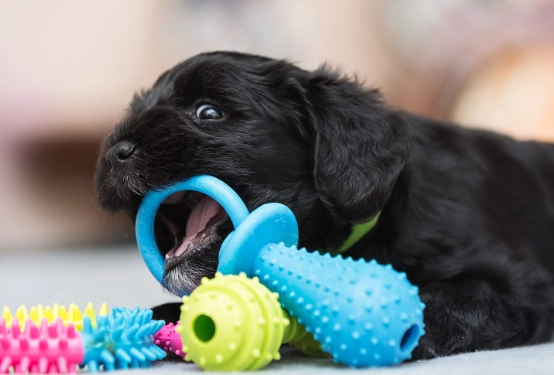
Common Questions About Puppy Teething Toys (Answered)
Let's tackle some of the specific questions buzzing in a new puppy owner's head.
When should I start giving my puppy teething toys?
Pretty much right away! Even before the serious teething starts around 12-16 weeks, puppies will mouth and chew. Introducing appropriate puppy teething toys early teaches them what is "theirs" to chew. Make a big, happy deal when they chew the toy. If they chew something else, calmly redirect them to the toy and praise them for chewing it. You're building habits from day one.
How many toys does my puppy need?
There's no magic number, but I'd recommend having at least 4-5 different types in rotation. This prevents boredom and gives you options for different situations (crate, playtime, soothing, etc.). You don't need to break the bank—start with a few key categories: one soft plush, one durable rubber chew, one puzzle feeder, and maybe a rope toy for interactive play.
My puppy isn't interested in any toys! What do I do?
This is common. Some pups need to be taught how to play. Try these tips:
- Make it exciting: Move the toy around like prey, use an animated voice.
- Add value: Smear a tiny bit of peanut butter or wet food on a rubber toy.
- Try different textures: Maybe they prefer fluffy or crinkly textures over hard rubber.
- Join in: Play tug-of-war (gently and with rules) to build interest.
- Be patient: Some puppies develop toy drive as they get older and more confident.
Are edible chews (like rawhides, pig ears) good puppy teething toys?
This is a hot topic. Edible chews are not technically "toys"; they are consumables. They can be great for keeping a puppy busy, but you must be extremely cautious.
Major drawbacks: They can be high in fat and cause stomach upset. They are a choking hazard, especially as they soften and pieces can break off. Rawhides, in particular, are notorious for causing intestinal blockages if large pieces are swallowed. Many vets recommend avoiding rawhide altogether for puppies. Always choose size-appropriate edible chews and always supervise. I personally use them very sparingly and prefer long-lasting, digestible options made from more natural ingredients, if I use them at all.
Can I give my puppy ice cubes or frozen fruits?
You can, but be cautious. Ice cubes can be a fun, cold treat that soothes sore gums, but some puppies may be sensitive to cold or may break their teeth on hard ice. Some owners freeze chicken stock or yogurt in ice cube trays for a more appealing option. As for fruits, make sure they are safe for dogs (like apple slices or banana pieces) and cut them into small, manageable pieces. Avoid grapes, raisins, and anything with pits.
What if my puppy starts chewing on me?
This is a common issue. Your puppy is likely excited or trying to play. The key is to teach them that human skin is not a chew toy. When they bite, let out a high-pitched "yelp" like a fellow puppy would. Then, immediately disengage by standing up and turning away for 30 seconds. This teaches them that biting makes the fun stop. Then, redirect them to an appropriate puppy teething toy and praise them lavishly when they chew it instead. Consistency is everything.
Building Good Chewing Habits for Life
Investing in the right puzzle teething toys isn't just about surviving the puppy months; it's about setting up good habits for your dog's life. A dog that learns to love chewing its own toys is less likely to be destructive as an adult.
Remember, the goal is to make the correct choice—the toy—the most appealing and rewarding option. This means:
- Rotating toys to keep them novel and interesting.
- Using puzzle toys to make chew time rewarding with food.
- Praising your puppy enthusiastically when you catch them chewing the right thing.
- Keeping forbidden items (shoes, remote controls, etc.) out of reach as much as possible during the training phase.
It takes patience. There will be accidents. That favorite shoe might still meet its demise. But with a strategic approach to puppy teething toys, you can drastically reduce the casualties and help your puppy navigate this uncomfortable developmental stage in a happy, healthy way.
So, take a deep breath, puppy parent. The chewing phase is temporary. With this guide and a basket full of well-chosen, safe puppy teething toys, you and your furry friend will get through it together, with your sanity and your sofa mostly intact.



Leave a comment