Let's be real, fleas are the worst. You see your dog scratching non-stop, find those tiny black specks on their bed, and suddenly you're both miserable. If you're tired of messy topical treatments or flea collars that don't seem to cut it, oral flea meds for dogs might be the game-changer you're looking for. These chewable tablets or pills offer a convenient, often highly effective way to protect your pup. But with so many brands like NexGard, Bravecto, and Simparica on the market, how do you choose? And are they really safe? I've been through this decision process more times than I can count, both personally and professionally, and I'm here to walk you through the nitty-gritty details most articles gloss over.
What's Inside This Guide
- How Do Oral Flea Meds for Dogs Actually Work?
- The Big Decision: Chewable vs. Pill vs. Topical
- Top Oral Flea Medications for Dogs: A Side-by-Side Look
- How to Choose the Right Oral Flea Med for Your Dog
- The Safety Lowdown: What Every Dog Owner Must Know
- Administering Oral Flea Meds: A Step-by-Step Guide
- My Experience and the One Mistake I See All the Time
- Your Oral Flea Meds Questions, Answered
How Do Oral Flea Meds for Dogs Actually Work?
Forget the idea of a poison that sits on your dog's skin. Modern oral flea treatments are systemic. Your dog eats a tasty chew (or pill), the active ingredient gets absorbed into their bloodstream, and then it circulates throughout their body. When a flea bites and takes a blood meal, it ingests the medication and dies. The speed is impressive—some start killing fleas in as little as 30 minutes to 4 hours.
The main types of active ingredients are isoxazolines (like afoxolaner in NexGard or fluralaner in Bravecto) and spinosyns (like spinosad in Trifexis, though that's a combo heartworm/flea pill). Isoxazolines are incredibly effective at overstimulating the flea's nervous system. It's a targeted approach.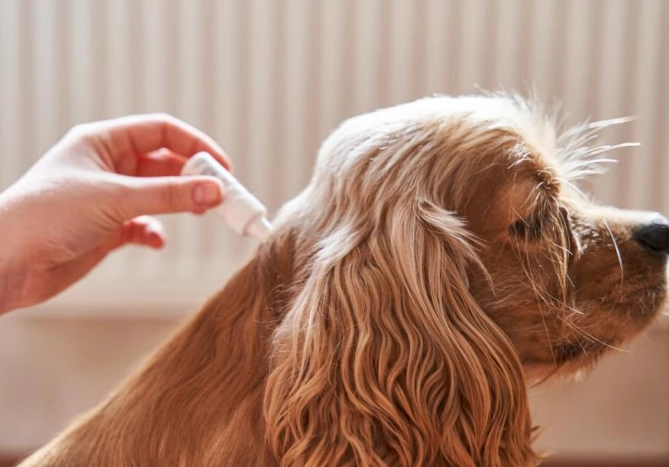
The Big Decision: Chewable vs. Pill vs. Topical
It's not just about picking a brand. You're picking a delivery method. Here's the breakdown no one gives you at the pet store counter.
The Chewable (Like NexGard or Simparica TRIO): Most dogs think they're treats. This is the easiest way to get medication into a picky eater. Huge win for compliance. But you need to be sure your dog actually eats the whole thing and doesn't stash it under the couch.
The Pill (Like Capstar): Often smaller, but you usually have to hide it in food or pill-pocket. Better for dogs with food allergies where the flavorings in chews might be an issue. Some, like Capstar, are for fast, short-term killing (great for an immediate infestation) but don't offer month-long prevention.
Versus Topicals: The big trade-off. Topicals can leave a greasy spot, you can't bathe your dog right after, and you have to worry about kids or other pets touching the application site. Oral meds eliminate that. However, most topicals repel ticks and fleas on contact before they bite. Oral meds require the pest to bite to die. For some owners concerned about disease transmission from ticks, that "bite to die" aspect of oral treatments is a legitimate point of consideration.
Top Oral Flea Medications for Dogs: A Side-by-Side Look
Let's get specific. Prices are approximate monthly costs and can vary wildly between your vet, online pharmacies like Chewy, and big-box stores. Always get a prescription from your vet first.
| Brand Name | Key Ingredient(s) | How Long It Lasts | What It Kills/Prevents | Biggest Pro | Potential Con / Watch Out For |
|---|---|---|---|---|---|
| NexGard | Afoxolaner | 1 month | Fleas, Ticks (Black-legged, American dog, Lone Star, Brown dog) | Beef-flavored chew, highly palatable, starts killing fleas fast. | Some reports of neurological side effects (seizures) in predisposed dogs. FDA has issued a warning. |
| Bravecto | Fluralaner | 3 months (fleas), 2-3 months (ticks) | Fleas, Ticks (several species), also helps treat mite infestations. | Less frequent dosing. Huge convenience factor. | The long half-life means it stays in the system. Can be more expensive upfront per dose. |
| Simparica / Simparica TRIO | Sarolaner (Trio adds moxidectin & pyrantel) | 1 month | Fleas, Ticks, TRIO version adds heartworm, roundworm, hookworm. | Very fast flea kill time (starts in 3-4 hrs). TRIO is a broad-spectrum all-in-one. | Similar seizure warnings as other isoxazolines. The TRIO version is potent—ensure your dog is heartworm tested first. |
| Credelio | Lotilaner | 1 month | Fleas, Ticks | Smaller chew, often well-tolerated. Another fast-acting option. | Less brand recognition, so sometimes harder to find in local stores. |
| Capstar | Nitenpyram | 24 hours | Adult fleas only. | Over-the-counter (no Rx needed). Works in 30 minutes. Perfect for immediate relief or before a vet visit. | Does NOT prevent reinfestation. It's a treatment, not a preventative. Fleas can jump back on tomorrow. |
Important: The FDA has issued statements regarding the potential for neurologic adverse events, such as muscle tremors, ataxia, and seizures, in dogs receiving drugs in the isoxazoline class (NexGard, Bravecto, Simparica, Credelio). While these events are rare, they are more likely in dogs with a history of seizures. Discuss this openly with your veterinarian.
How to Choose the Right Oral Flea Med for Your Dog
This isn't about picking the one with the coolest commercial. It's a checklist.
Step 1: Confirm the Enemy. Is it just fleas? Or are ticks a major concern in your area? Check the tick prevalence maps from sources like the CDC. If ticks are bad, you need a product that lists the specific ticks in your region.
Step 2: Know Your Dog. Breed, age, weight, health history. This is non-negotiable. Your dog's exact weight determines the dosage. A 22 lb dog and a 24 lb dog might need different doses. Be precise. Puppies must be old enough (usually 8+ weeks, varies by product). Dogs with a history of seizures need an extra careful conversation with the vet about isoxazolines.
Step 3: Lifestyle Audit. Does your dog swim weekly? Forget bath restrictions with oral meds. Do you have young children? Oral meds remove the risk of them touching a topical spot. Do you travel a lot? A 3-month dose like Bravecto might save you from packing meds.
Step 4: The Vet Conversation. This is your most important resource. They know your dog's health record. They can write the prescription. Ask them: "Based on my dog's breed and our local parasite pressure, which oral flea control do you recommend and why?"
Step 5: Budget Realistically. Factor in the cost of a vet visit for the prescription and the annual heartworm test (often required). Buying a 6 or 12-month supply online is usually cheaper per dose. But don't buy from sketchy websites—counterfeits exist.
The Safety Lowdown: What Every Dog Owner Must Know
I'm not here to scare you, but to prepare you. Oral flea meds are generally safe for the vast majority of dogs when used as directed. But "as directed" is key.
Most side effects are mild and short-lived: occasional vomiting, diarrhea, lethargy, or itching. These often happen in the first 24 hours. The more serious neurological concerns (tremors, seizures) are rare but real, especially for susceptible breeds or individuals.
Here’s the critical safety protocol I follow and recommend:
- Always use under veterinary supervision. Get the prescription. Don't borrow your neighbor's meds for your smaller dog.
- Dose by exact weight, not guesswork. Weigh your dog at the vet's office.
- Observe your dog after the first dose. Give it in the morning on a day you're home, not right before you leave for work.
- Report any adverse reaction to your vet immediately, and also report it to the FDA. You can do this through the FDA's Safety Reporting Portal.
Administering Oral Flea Meds: A Step-by-Step Guide
Let's make sure the medicine actually gets in the dog.
For Chewables: Offer it like a treat, hand-fed. Most dogs gobble it up. If yours is suspicious, you can break it up and mix it with a small amount of wet food or a spoonful of plain pumpkin (just enough to hide it). Ensure they eat the entire portion.
For Pills: Pill pockets are a godsend. The Greenies brand works for most. Alternatively, a small ball of canned dog food, cream cheese, or a piece of boiled chicken can be a perfect disguise. The goal is a small, irresistible package they swallow whole.
What if they spit it out later? If it's within an hour, you can try re-administering. If it's been hours, call your vet for advice. Don't just give a second dose.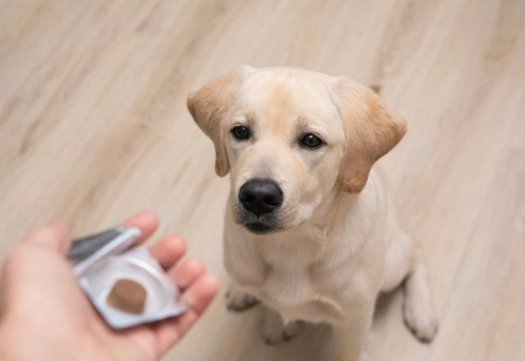
My Experience and the One Mistake I See All the Time
I've been there. My own terrier mix had a terrible flea allergy. We tried everything. When we finally got her on a consistent oral preventative, it was life-changing. No more constant scratching, no more skin infections.
But here's the mistake I see constantly, even from well-meaning owners: Using oral flea meds in isolation during a full-blown infestation.
Here's the thing. Oral meds kill adult fleas on your dog. Amazing. But they don't do anything to the flea eggs, larvae, and pupae living in your carpet, sofa, and yard. If you only treat the dog, those immature fleas will hatch, jump on, bite, die... and then more hatch. You'll think the medicine isn't working.
The fix is always a two-pronged attack: Treat the dog AND treat the environment. That means washing all bedding in hot water, vacuuming thoroughly (and tossing the vacuum bag), and using a veterinary-recommended household spray or fogger that contains an insect growth regulator (IGR) like pyriproxyfen or methoprene. This breaks the life cycle. The American Veterinary Medical Association (AVMA) has great resources on integrated pest management. Skipping the home treatment is the #1 reason people call me saying "the pill didn't work."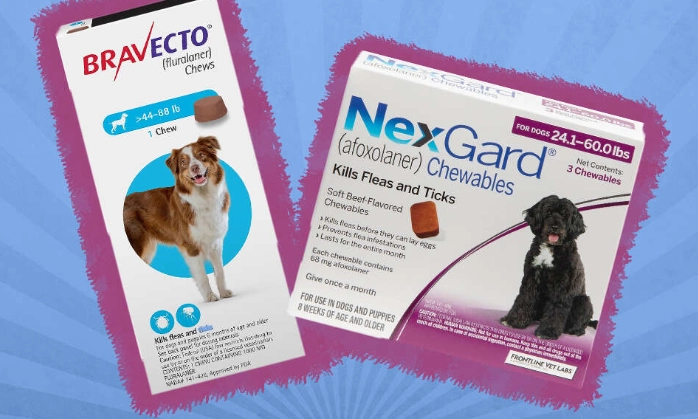
Your Oral Flea Meds Questions, Answered
What should I do if my dog throws up after taking an oral flea pill?
Timing is everything. If it happens within an hour, the medication likely wasn't absorbed. Contact your veterinarian. They will likely advise you to give another full dose once your dog's stomach has settled. If it's been several hours, the drug was probably already absorbed, and you should not re-dose. Never guess—your vet's office gets these calls all the time and can give you the correct guidance for the specific product.
Can I give my dog oral flea medicine if they are on other medications?
This is a mandatory vet discussion. While many drugs are fine together, some combinations can be problematic. For instance, certain seizure medications or steroids might interact. Always provide your vet with a complete list of everything your dog takes, including supplements, heartworm preventatives, and over-the-counter joint chews. A good vet will check a drug interaction database before prescribing.
My dog is a picky eater and won't take the chewable. Can I crush it into their food?
You can, but there's a catch. Most chews are flavored to be palatable, but if you crush it, the bitter active ingredient might be exposed. Mixing it into a very small, super tasty portion of food (like a meatball of wet food) can work—just make sure they eat every last bit. If they eat around it, you've wasted the dose. For consistently picky dogs, ask your vet about a pill formulation you can hide more discreetly.
Are there any natural oral alternatives to these prescription flea pills?
You'll find many supplements claiming to repel fleas with garlic, brewer's yeast, or essential oils. Here's my frank take: in my experience and according to most veterinary parasitology experts, these are not reliably effective for prevention or treatment of an active infestation. Some, like garlic in large doses, can even be toxic to dogs. If you're facing a serious flea problem, relying solely on natural remedies often leads to frustration and a suffering pet. They might play a minor supportive role in a very low-risk environment, but they are not a substitute for proven preventative medicine when you need guaranteed results.
How quickly can I expect to see dead fleas after giving the first dose?
It depends on the product. Fast-acting ones like Capstar (nitenpyram) can start killing fleas in 30 minutes. The isoxazoline class (NexGard, Simparica, etc.) usually starts working within 4-12 hours. You'll likely see dead fleas on your dog's bedding or find them easier to comb out because they are dying or dead. It can take 24 hours for a significant reduction in scratching. Remember, you still need to address the fleas in your home to see the full effect.
Choosing an oral flea medication is a significant step in managing your dog's comfort and health. It's not a one-size-fits-all decision. By understanding how they work, comparing the real-world pros and cons of top brands, and having an honest safety talk with your vet, you can make a confident choice. Pair that pill with thorough home cleaning, and you and your dog can finally get some peace from those pesky fleas.




Leave a comment