Quick Guide to Cranberry and Cats
- Why Are We Even Talking About Cranberries for Cats?
- The Not-So-Sweet Side: Risks of Cranberries for Cats
- Do Cranberries Actually Help Cat UTIs? The Evidence
- Breaking Down the "How Much": A Practical Look at Different Forms
- If You Proceed: A Step-by-Step Safety Checklist
- What Cat Owners Really Need to Focus On (Beyond Cranberries)
- Your Cranberry and Cat Questions, Answered
- The Bottom Line: A Clear Path Forward
You're probably here because you've heard the buzz. Maybe a friend swears by cranberry juice for their cat's "pee problems," or you've seen it listed as an ingredient in fancy urinary health supplements. And now you're staring at your feline overlord, wondering if a little berry magic could help. But then the worry creeps in. Hold on, can cats even have cranberries? What's the real story here?
Let's cut right to the chase, because I know that's what you want. The short, and frankly most important, answer is this: There is no universally agreed-upon, perfectly safe amount of cranberry for all cats. Unlike figuring out a treat portion, this isn't simple math. Giving your cat cranberry, especially in the forms we humans consume (like juice or sauce), is generally not recommended by most veterinarians. The potential risks often outweigh the unproven benefits for our obligate carnivores.
But I also know that answer feels incomplete. You want to know why, and what the exceptions might be. You're searching for "how much cranberry is safe for cats" because you're a responsible pet owner trying to navigate confusing advice. So let's dig deep, past the internet myths and into what veterinary science and nutrition actually say. This isn't about scaring you, but about empowering you with clear, practical information to make the best choice for your unique cat.
Why Are We Even Talking About Cranberries for Cats?
It all stems from human health trends bleeding into pet care. Cranberries, particularly their juice, are famous for helping prevent urinary tract infections (UTIs) in people. The theory is that compounds called proanthocyanidins (PACs) can prevent certain bacteria, like E. coli, from sticking to the walls of the bladder. It makes sense that caring cat owners would hope this could translate to their pets, especially since feline lower urinary tract disease (FLUTD) is so common and distressing.
I get the appeal completely. When my previous cat, Jasper, had a FLUTD scare, I was desperate for anything that might prevent another painful episode. The internet was full of cranberry promises. It's a natural, "holistic" option that feels gentler than constant medication. But here's the frustrating gap: what works in human physiology doesn't always, or even often, map directly to cats.
So, the core question "how much cranberry is safe for cats?" is really two questions in disguise: 1) Is it effective for cats? and 2) If we try it, how do we avoid causing harm? Let's tackle the risks first, because safety always comes before potential benefit.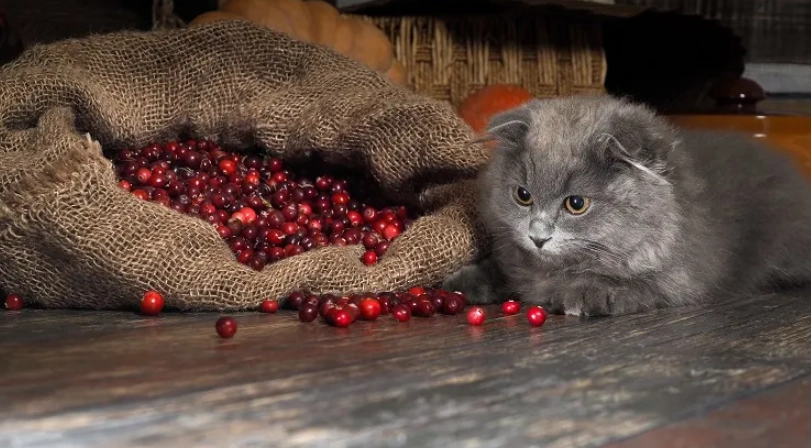
The Not-So-Sweet Side: Risks of Cranberries for Cats
Thinking about giving your cat a cranberry? Pump the brakes and consider these potential downsides. This is the stuff many blog posts gloss over.
1. Sugar, Sugar, and More Sugar
This is the biggest red flag. Cats have zero nutritional requirement for carbohydrates or sugars. Their bodies aren't designed to process large amounts of it. Commercial cranberry juice cocktail (the stuff in your fridge) is loaded with added sugars, high-fructose corn syrup, or artificial sweeteners. Even 100% pure, unsweetened cranberry juice is naturally tart and acidic, and still contains fruit sugars.
Feeding this to a cat can lead to:
- Upset stomach: Vomiting or diarrhea are common reactions.
- Weight gain and obesity: Empty calories that contribute to fat.
- Diabetes risk: Consistently high sugar intake can stress a cat's system and contribute to insulin resistance.
So, when pondering how much cranberry juice is safe for cats, the most honest answer from a sugar perspective is: virtually none. The sugar content makes it a poor choice.
2. The Oxalate Concern
Cranberries contain oxalates, which are natural compounds also found in foods like spinach and rhubarb. In susceptible individuals, high oxalate intake can contribute to the formation of calcium oxalate bladder stones—one of the most common types of urinary stones in cats.
3. Gastrointestinal Distress
Even beyond sugar, the high acidity and unfamiliar fiber in cranberries can be rough on a cat's sensitive digestive tract. A sudden introduction can lead to gas, abdominal discomfort, or refusal to eat.
4. Potential for Toxicity (With Certain Forms)
This one's crucial. Never, ever give your cat cranberry products containing xylitol. This artificial sweetener, common in "sugar-free" or "diet" human foods and some supplements, is highly toxic to dogs and cats, causing rapid insulin release, hypoglycemia (dangerously low blood sugar), liver failure, and death. Always check labels meticulously.
See the pattern? The risks are concrete and significant. The benefits, however, are much murkier when it comes to our feline friends.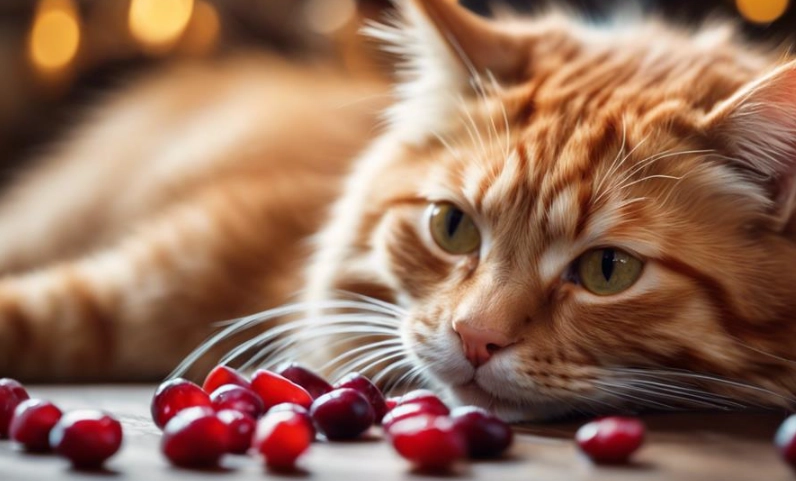
Do Cranberries Actually Help Cat UTIs? The Evidence
Let's look at the science, or rather, the lack of it. The American Society for the Prevention of Cruelty to Animals (ASPCA) lists cranberries as non-toxic to cats and dogs, but that only means they aren't classified as poison. It doesn't mean they're recommended or effective.
The theory is that PACs in cranberries prevent bacterial adhesion. However, most UTIs in cats (unlike many in humans) are not caused by E. coli, the bacteria most affected by cranberry PACs. Feline UTIs are often idiopathic (no known cause) or related to crystal formation, stress, or anatomical issues. A review of veterinary literature shows a stark lack of conclusive evidence that cranberry is effective in preventing or treating UTIs in cats.
Some studies in dogs show possible promise, but cats are not small dogs. Their metabolism and urinary systems have key differences. Relying on cranberry as a primary treatment for a suspected UTI is dangerous and can delay proper veterinary care, which usually involves antibiotics for a bacterial infection.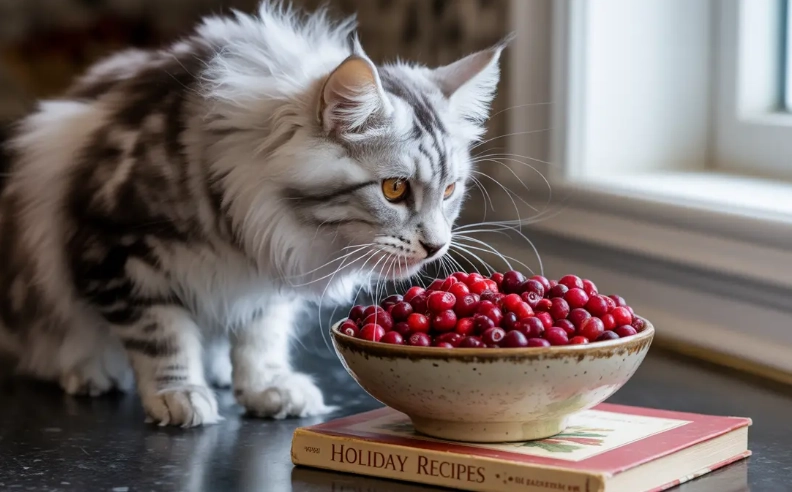
Breaking Down the "How Much": A Practical Look at Different Forms
Okay, let's say you've talked to your vet. They've assessed your cat, ruled out oxalate stones, and given a cautious green light to try a cranberry supplement as part of a broader urinary health plan. Or maybe you're just incredibly curious about the hypothetical numbers. What does "a little" actually look like?
Remember, these are general, illustrative guidelines for a healthy adult cat. They are NOT a prescription. Dosage can vary wildly based on the specific product's concentration and your cat's weight and health.
| Cranberry Form | Main Concern | Hypothetical "Safe"/Minimal Amount (for a 10-lb cat) | Verdict & Notes |
|---|---|---|---|
| Fresh or Frozen Cranberry | Acidity, GI upset, oxalates | 1 berry, mashed or pureed (max 2-3x per week) | Not Recommended. Unnecessary risk. Cats won't enjoy the sour taste. |
| Cranberry Juice (100% pure, no sugar/xylitol) | High natural sugar, acidity | Less than 1/4 teaspoon, diluted in water | Strongly Not Recommended. Sugar content is still problematic. Messy and impractical. |
| Cranberry Juice Cocktail | Very high added sugar, additives | ZERO. None. | Absolutely Avoid. Has no place in feline nutrition. |
| Dried Cranberries (Craisins® etc.) | Extremely high sugar (often added), preservatives | ZERO. None. | Absolutely Avoid. Sugar bombs. A terrible choice. |
| Veterinary-Formulated Cranberry Supplement (Powder/Capsule) | Overdosing, product quality | Follow label/VET instructions EXACTLY. Often a tiny pinch of powder or partial capsule contents. | Only Recommended Form. Concentrated PACs without the sugar/fruit bulk. Must be vet-approved. |
Look at that table. It makes it pretty clear, doesn't it? The human-food forms of cranberry are fraught with issues. The only scenario where the question how much cranberry is safe for cats has a meaningful answer is with a specific, high-quality, veterinary-endorsed supplement where the dosage is precisely measured.
For example, a common supplement dosage might be based on milligrams of PACs per pound of body weight. You'd never be able to calculate that from juice. This precision is why supplements are the only vaguely sensible route.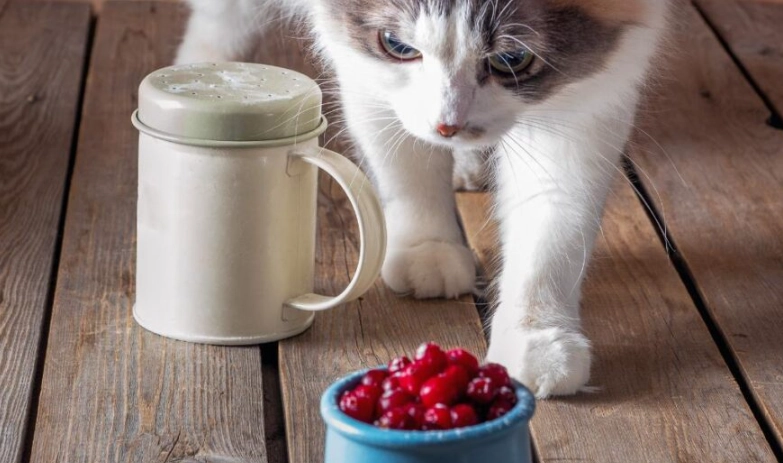
If You Proceed: A Step-by-Step Safety Checklist
Let's assume you and your vet are on the same page about trying a cranberry supplement. Here’s how to do it as safely as possible.
- Get the Official Green Light: This is non-negotiable. No blog post, including this one, replaces a vet consultation. Discuss your cat's full health history.
- Choose the Right Product: Select a supplement made for cats, from a reputable company. Look for ones that specify the PAC content. Avoid products with unnecessary fillers, sugars, or xylitol. Your vet can often recommend a trusted brand.
- Master the Dosage: Follow the product label or your vet's instructions to the letter. More is not better. Use a proper measuring tool (like a micro-scoop) for powders.
- The Introduction: Start with half the recommended dose for the first 3-5 days. Mix the powder thoroughly into a very small amount of ultra-smelly wet food (like a mousse or pate) to ensure they eat the full dose.
- Vigilant Monitoring: Watch for any changes in:
- Appetite: Is she eating less?
- Litter Box Habits: Any diarrhea, constipation, or changes in urine frequency/color?
- Behavior: Is she lethargic or hiding?
- Vomiting: The most immediate sign of GI rejection. - Long-Term Management: If all goes well, continue at the full vet-approved dose. Re-evaluate with your vet during regular check-ups. Is it still needed? Is it working? (This is often assessed by continued urinary health, not a direct "proof").
If you see any negative signs, stop the supplement immediately and inform your vet. It's just not worth forcing it.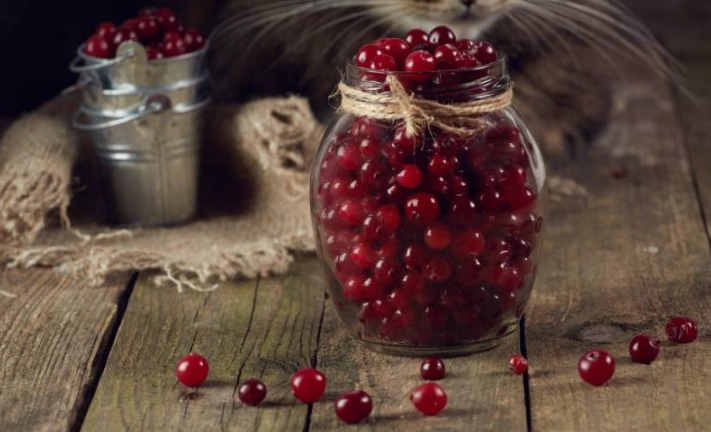
What Cat Owners Really Need to Focus On (Beyond Cranberries)
Honestly, if you're worrying about how much cranberry is safe for cats, your energy is better spent on proven strategies for feline urinary health. These are the things verts wish every cat owner prioritized.
- Water, Water, Water: The #1 thing you can do. Dilute urine is healthier urine. Provide multiple fresh water sources. Consider a cat water fountain, as many cats prefer running water. Add water to wet food.
- High-Quality, Moisture-Rich Diet: Wet food is superior to kibble for urinary health. It naturally increases water intake. Discuss prescription urinary diets with your vet if your cat has a history of crystals/stones.
- Stress Reduction: Cats are stress magnets. FLUTD is heavily linked to anxiety. Ensure enough litter boxes (one per cat, plus one extra), placed in quiet locations. Provide vertical space, scratching posts, and predictable routines.
- Clean Litter Boxes: Scoop daily, clean fully weekly. A dirty box can cause a cat to hold their urine, concentrating it and creating problems.
- Regular Vet Check-ups: Annual exams with urine analysis can catch issues like crystals early, before they become blockages (a life-threatening emergency, especially in male cats).
These strategies have a mountain of evidence supporting them. They are the foundation. Anything else, like cranberry, is just a potential accessory to that foundation, and only with expert guidance.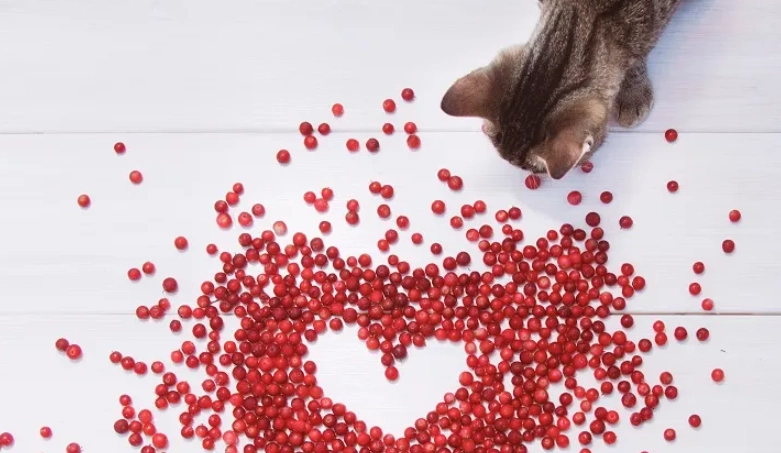
Your Cranberry and Cat Questions, Answered
I've been writing about pets for a while, and these are the questions that keep coming up. Let's tackle them head-on.
No. An active UTI requires veterinary diagnosis and appropriate treatment, usually antibiotics. Cranberry is not an antibiotic. Delaying proper care can allow the infection to worsen or spread to the kidneys. Follow your vet's treatment plan precisely.
Again, "natural" doesn't automatically mean safe or effective. However, some supplements commonly used under veterinary guidance include:
- D-Mannose: A type of sugar that, unlike cranberry, may help interfere with E. coli adhesion in the bladder. Some evidence in dogs, but cat-specific research is limited. Must be pure, with no added ingredients.
- Omega-3 Fatty Acids: Have anti-inflammatory properties that may support overall bladder health.
- Glucosamine/Chondroitin (like in Cosequin®): These are used to help replenish the glycosaminoglycan (GAG) layer that lines the bladder, potentially creating a better barrier against irritants.
Critical point: Never use these without consulting your vet. They can interact with other conditions or medications.
Watch for symptoms of gastrointestinal upset and, if the product contained xylitol, severe toxicity.
- GI Issues: Vomiting, diarrhea, loss of appetite, abdominal pain.
- Xylitol Poisoning (EMERGENCY): Vomiting, lethargy, weakness, stumbling/coordination loss, tremors, seizures, collapse. If you suspect xylitol ingestion, contact your vet or the ASPCA Animal Poison Control Center immediately.
Don't panic. One single fresh cranberry is unlikely to cause harm to a healthy cat. Remove any remaining berries. Monitor your cat closely for the next 12-24 hours for any signs of vomiting or diarrhea. If they show any concerning symptoms, or if they ate a large handful, call your vet for advice. The risk is higher with dried cranberries or products containing xylitol.
The Bottom Line: A Clear Path Forward
So, after all this, where do we land on the original question, how much cranberry is safe for cats?
For the vast majority of cat owners, the simplest and safest answer is to avoid feeding cranberries to your cat altogether. The risks associated with sugars, oxalates, and GI upset are real and common. The purported benefits for urinary health are poorly supported by science for felines and should not be relied upon.
If, after a detailed discussion with your veterinarian, you both decide to explore a cranberry supplement as part of a multi-faceted plan, then the only meaningful "safe amount" is the exact dosage specified on that high-quality veterinary supplement or prescribed by your vet. It will be a tiny, measured amount of concentrated PACs, not a dollop of juice.
Your cat's health is precious. Focus your efforts on the fundamentals: plenty of fresh water, a species-appropriate diet, a low-stress environment, and a strong partnership with a good veterinarian. Those are the true keys to a healthy urinary tract and a happy, thriving cat. Let the cranberries stay on your own plate.





Leave a comment