Let's be honest. The quest for good litter for cats feels endless. You bring home a bag, your cat turns up her nose, or it tracks everywhere, or the smell hits you like a wall two days in. I've been there. Over fifteen years with cats—from finicky Persians to messy Maine Coons—I've dumped more failed litters than I care to remember. The truth is, "good" isn't one-size-fits-all. It's a balance between what works for your cat's instincts and what works for your sanity. This guide skips the fluff and gets into what actually matters.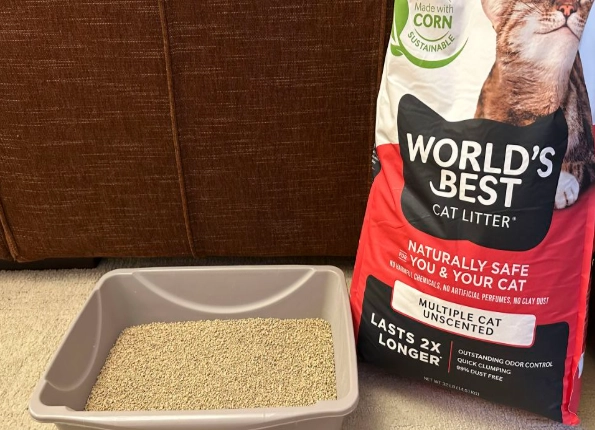
What You'll Find Inside
- Why Your Litter Choice Matters More Than You Think
- The Great Litter Material Breakdown: Clay, Corn, and Everything In-Between
- How to Choose the Right Litter: The 5-Point Checklist
- Special Cases: Kittens, Seniors, and Multi-Cat Homes
- The Right Setup and Maintenance: Where Most People Go Wrong
- Your Top Cat Litter Questions, Answered
Why Your Litter Choice Matters More Than You Think
It's not just about absorbency. The litter box is your cat's bathroom. Imagine if your toilet was uncomfortable, smelly, or painful to use. You'd avoid it. Cats do the same thing, leading to accidents on your rug or, worse, health issues from holding it in.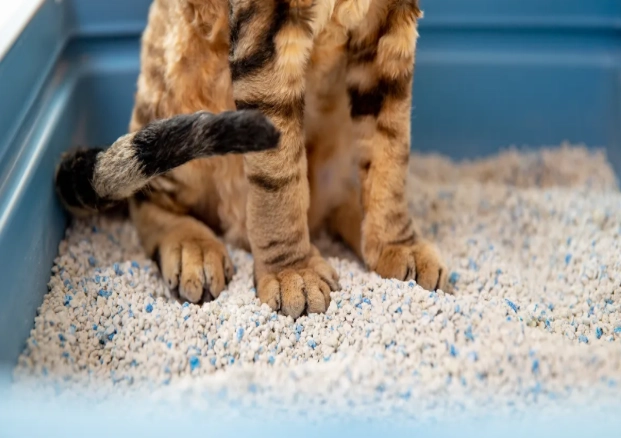
A good litter satisfies their natural digging and covering instinct. It feels secure under their paws. Most importantly, it doesn't introduce problems. A dusty litter can trigger asthma—in you and your cat. Perfumed litters, designed to please us, often repel cats with their artificial strength. I learned this the hard way with a lavender-scented brand my cat, Mochi, outright refused to enter. The box stayed pristine while my laundry basket suffered.
The Great Litter Material Breakdown: Clay, Corn, and Everything In-Between
Walk down the pet aisle and it's overwhelming. Here’s a no-nonsense look at the main players.
| Material | How It Works | The Good | The Not-So-Good |
|---|---|---|---|
| Clumping Clay | Bentonite clay forms tight, scoopable clumps around liquid. | Excellent odor control, easy scooping, affordable, widely available. | Heavy, very dusty, not biodegradable, mining environmental concerns. |
| Non-Clumping Clay | Absorbs liquid but doesn't clump; you change the whole box regularly. | Very affordable, often less dusty than clumping clay. | Wasteful, poor odor control over time, frequent full changes needed. |
| Silica Gel (Crystals) | Porus beads absorb and trap moisture, drying out solid waste. | Superior liquid odor control, low dust, long-lasting (just stir). | Expensive, crunchy texture some cats hate, doesn't clump (solids only). |
| Plant-Based (Corn, Wheat, Pine) | Natural materials clump or dissolve. Pine pellets turn to sawdust when wet. | Biodegradable, low dust, often lightweight. Natural, mild scent (pine). | Can attract bugs if stored poorly. Some cats dislike texture. Variable clump strength. |
| Recycled Paper | Absorbent pellets made from paper. Non-clumping. | Virtually dust-free, highly absorbent, safe for post-surgery/kittens. | Poor odor control, needs frequent full changes, can track as pellets. |
My personal journey has settled on a hybrid. For years, I was a clumping clay devotee for its ease. Then my current cat, Leo, developed a mild respiratory tick. The vet asked about dust. Switching to a low-dust, clumping corn litter (like World's Best Cat Litter) made the wheezing stop within a week. The clumps aren't as rock-hard as clay, but the trade-off for his health was a no-brainer.
The Sustainability Question
It's a big one. Traditional clay is strip-mined and sits in landfills. If this matters to you, plant-based or paper litters are the clear choice. But beware of greenwashing. "Natural" doesn't automatically mean better clumping or odor control. Read reviews specifically about performance.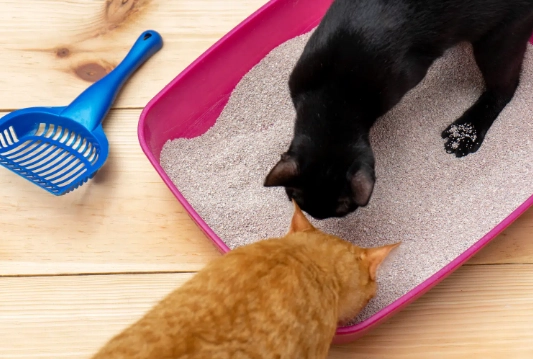
How to Choose the Right Litter: The 5-Point Checklist
Forget brand loyalty for a second. Run through this list before you buy your next bag.
1. Clump Strength & Speed: This is non-negotiable for me. A good clump forms fast and holds together when scooped. Weak, crumbly clumps leave behind damp litter that breeds ammonia smell. Test it. Pour a little water in and see how long it takes to form a solid mass you can lift out.
2. Dust Level: Pour some litter from one container to another. The dust cloud tells you everything. High dust coats your cat's lungs, your floors, and your sinuses. Look for "99% dust-free" claims, but trust the pour test more.
3. Odor Control Method: Does it use perfume or chemistry? Heavily scented litters mask odor with fragrance that often repels cats. Better litters use activated charcoal, baking soda, or natural enzymes to neutralize odors at the source. Unscented is usually the safest bet for cat acceptance.
4. Tracking: Lightweight litters track more. Larger pellets track less. If you have a long-haired cat or a litter box in a high-traffic area, consider a top-entry box or a heavy tracking mat. Silica gel crystals are notorious for being kicked out and sounding like marbles on the floor.
5. Your Cat's Preference: This is the final, unbreakable rule. You can buy the most expensive, eco-friendly litter on the planet, but if your cat hates the feel of it under her paws, she'll find another spot. When switching litters, mix the new with the old over 7-10 days. If she stops using the box, you have your answer.
Special Cases: Kittens, Seniors, and Multi-Cat Homes
The "standard" advice falls apart here.
Kittens: Avoid clumping clay. They explore with their mouths and ingesting clumping clay can cause serious internal blockages. Use a non-clumping paper or pellet litter until they're about 4 months old. It's less convenient for you, but critical for their safety.
Senior Cats & Those with Arthritis: Think about accessibility. Fine-grained, soft litters are easier on sore paws. Ensure the litter box has a very low entry point. A dusty litter can also exacerbate joint pain and respiratory issues in older cats.
Multi-Cat Households: This is where clump strength and odor control are tested daily. You need a litter that can handle the volume. I'd lean towards a premium clumping clay or silica gel here. But more important than the litter type? The number of boxes. The rule is one box per cat, plus one extra. Scoop every single day, sometimes twice. No litter can overcome an overcrowded, underserviced box.
The Right Setup and Maintenance: Where Most People Go Wrong
The best litter in a bad setup fails.
- Location: Quiet, low-traffic, but not trapped in a corner. Not next to the loud washing machine or their food bowl.
- The Box Itself: Bigger is always better. Your cat should be able to turn around comfortably. Hoods help with privacy and contain spray, but they also trap odor inside—which your cat smells intensely. If you use a hood, take it off and wash it regularly.
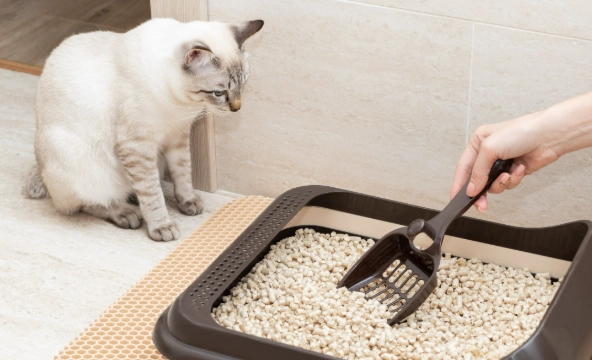
- Scooping: Do it daily. Every single day. This is the #1 factor in odor control and cat acceptance. Use a sturdy, slotted scoop.
- Deep Cleaning: Every 2-4 weeks, dump all the litter. Wash the box with warm water and mild, unscented dish soap. Avoid bleach or strong chemicals—the residual smell can be offensive. Rinse thoroughly and dry.
A pro tip I picked up from a cat behaviorist: if you're using a liner, stop. The plastic can catch under claws and feel unstable. Most cats dislike them. If you need to protect the box, a light coating of baking soda on the bottom before adding litter helps more.
Your Top Cat Litter Questions, Answered
Finding good litter for cats is a process. It requires paying attention to your cat's behavior as much as the litter's performance specs. Start with an unscented, low-dust option that matches your priorities (clumping, eco-friendly, etc.). Be patient during transitions. And remember, the cleanest, most acceptable litter box will always beat the fanciest litter in a dirty box. Your nose, and your cat, will thank you.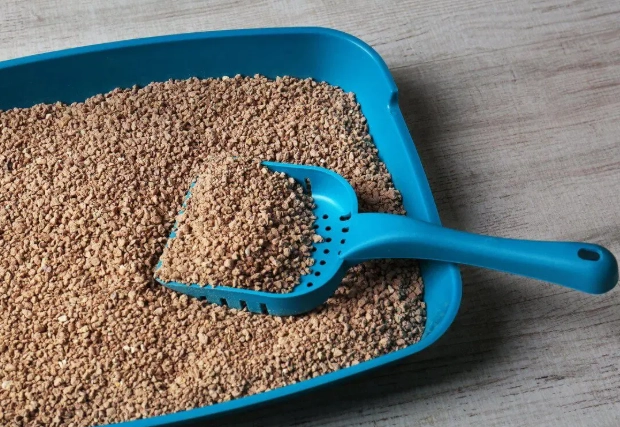



Leave a comment