I still remember the panic. I came home to find my then-puppy, a curious Labrador mix, with bits of chewed-up greenery around his mouth. He'd gotten into a potted plant I hadn't thought twice about. A frantic call to the vet and a lot of worry later, he was fine—it turned out to be a non-toxic spider plant. But that moment changed everything for me. It made me realize that creating a beautiful space and keeping our furry family members safe aren't mutually exclusive goals. You just need the right knowledge.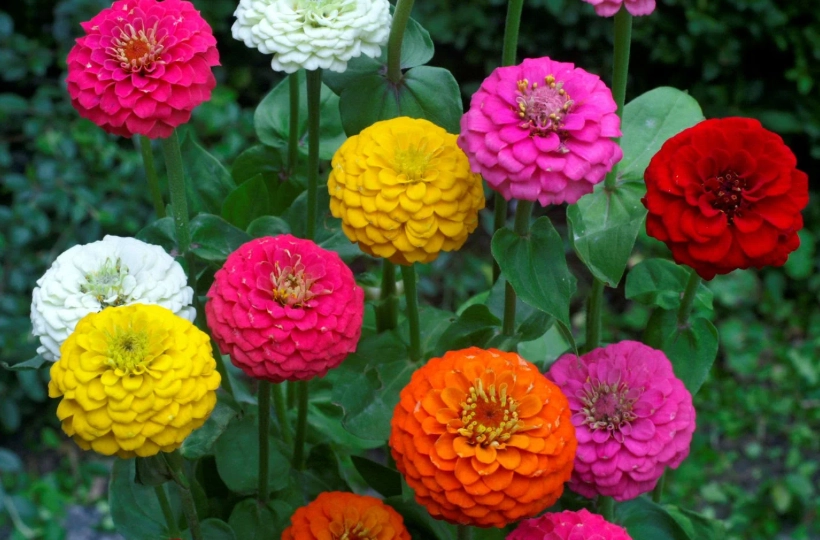
This guide isn't just another list of safe and toxic plants. We're going deeper. We'll look at the common mistakes even experienced pet owners make, how to design a truly pet-proof garden, and what to do in those heart-stopping "uh-oh" moments. Because let's be honest, a list is useless if you don't know how to apply it to your own home and your unique pet's personality.
What's Inside This Guide?
- Why Getting This Right Matters More Than You Think
- The Pet Gardener's Cheat Sheet: Safe Flowers vs. Toxic Threats
- How to Actually Create a Pet-Safe Garden (Step-by-Step)
- The One Big Mistake Everyone Makes About Pet-Safe Plants
- "What If My Pet Ate Something?" Your Action Plan
- Your Questions, Answered by Experience
Why Getting This Right Matters More Than You Think
The ASPCA Animal Poison Control Center handles over 200,000 cases a year. A significant chunk of those involve plants. It's not just about full-on ingestion, either. A cat brushing against lily pollen and then grooming itself can lead to fatal kidney failure. A dog digging up and chewing on bulbous roots (like those of tulips or daffodils) can face severe gastrointestinal upset, drooling, even heart problems.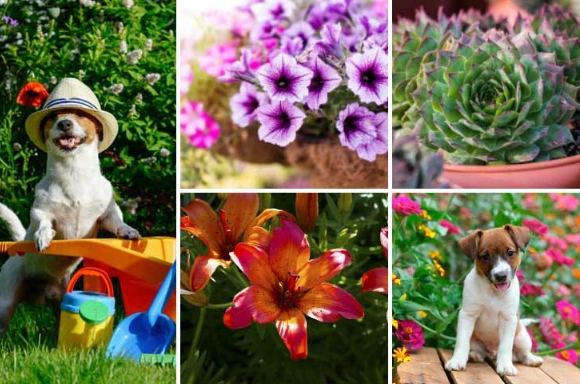
The risk isn't worth the guesswork. But the good news? There's a stunning variety of completely non-toxic flowers and plants that let you have a vibrant, lush garden without the constant low-grade anxiety. Knowledge is your best tool.
The Pet Gardener's Cheat Sheet: Safe Flowers vs. Toxic Threats
Let's cut to the chase. Here’s a practical table to keep bookmarked. I've focused on common plants you're likely to encounter at garden centers or already have at home.
| Generally Considered Pet-Safe (Non-Toxic) | Commonly Toxic & Must Be Avoided |
|---|---|
| African Violet – Perfect for sunny indoor spots. Compact and endlessly flowering. | Lilies (Lilium, Hemerocallis) – Extremely toxic, especially to cats. All parts, including pollen and vase water, can cause acute kidney failure. |
| Orchids (Phalaenopsis, Cattleya) – Surprisingly safe and elegant. My cat ignores them completely. | Sago Palm – Often used in landscaping. The seeds are the most toxic, causing liver failure and is often fatal. |
| Roses – The classic is safe! Thorns are the main concern (ouch). | Tulips & Hyacinths – The bulbs are the most toxic part, causing intense oral irritation, drooling, and GI issues. |
| Sunflowers – Cheerful, huge, and completely harmless. Great for a backyard splash. | Azaleas & Rhododendrons – Even a few leaves can cause vomiting, diarrhea, and potentially coma or cardiovascular collapse. |
| Snapdragons – Fun, colorful spikes that add height. No toxicity worries. | Oleander – Every single part is poisonous. Affects the heart and can be fatal. Common in warm climates. |
| Zinnias – A cutting garden staple. Easy to grow from seed and totally pet-friendly. | Daffodils & Narcissus – Again, the bulbs are the big problem. Causes severe vomiting, salivation, tremors. |
| Pansies & Violas – Edible for us, safe for them. Perfect for container gardens. | Dieffenbachia (Dumb Cane) – Common houseplant. Causes intense oral burning, swelling, difficulty swallowing. |
A quick personal tip: Don't just trust the "pet safe" tag at the big-box store. I've seen mislabeled plants before. Cross-reference with the ASPCA's searchable toxic and non-toxic plants list. It's my go-to, definitive resource.
How to Actually Create a Pet-Safe Garden (Step-by-Step)
Knowing which plants are safe is only half the battle. The other half is strategy. Here’s how I've designed my own garden to be both beautiful and functional with two dogs and a cat who thinks he's a landscaper.
Start With the Foundation: Your Plant Choices
Build your beds and containers around your confirmed safe list. Think about layers: tall sunflowers or snapdragons in the back, bushy zinnias in the middle, trailing pansies or petunias (also safe) at the edges. This creates a full, designed look that leaves no room for "weeds" you don't know.
Use Physical Barriers (They Work)
My dogs love to run. A delicate flower bed is no match for them. I use low, decorative fencing—not to cage them, but to define the space. A simple 12-inch tall picket fence around a garden bed sends a clear visual and physical signal: "This is not a running path." For digging-prone pets, laying chicken wire flat just under the soil surface before planting can deter them without harming their paws.
Strategic Placement is Key
Hanging baskets are your best friend for trailing plants. Elevated planters and window boxes keep interesting leaves and flowers out of easy reach. I reserve a specific, sunny corner of the yard for my pets' favorite activities (like digging in a sandbox or chasing a ball), so they're naturally less interested in my planted areas.
Provide Better Alternatives
This is the most overlooked step. If your cat loves to chew grass, grow a pot of cat grass (wheatgrass) just for him. If your dog likes to nibble, make sure they have appropriate chew toys readily available. A bored pet is much more likely to get into mischief with your plants.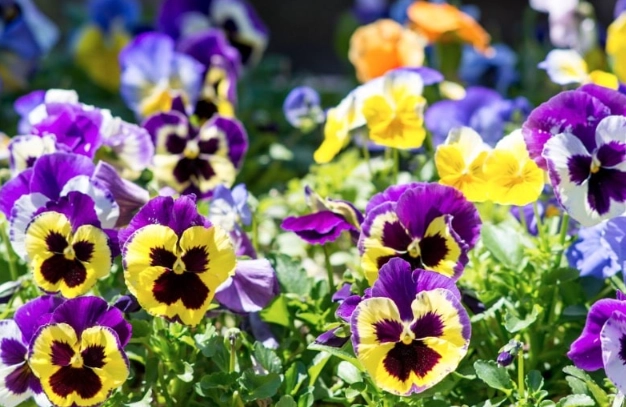
The One Big Mistake Everyone Makes About Pet-Safe Plants
Here's the non-consensus bit I learned the hard way. Most people think, "My dog doesn't eat plants, so I'm safe." Or, "I'll just put the toxic plant up high." This is a dangerous assumption.
The risk isn't always direct ingestion.
- Pollen and Water: Lily pollen dusts onto a cat's fur. The cat grooms itself. That's enough. Water from a vase containing cut lilies, tulips, or daffodils is also highly toxic if drunk.
- Fallen Debris: Leaves, petals, or seed pods drop from a high shelf. Your pet finds this novel, crunchy thing on the floor and eats it.
- Soil and Fertilizers: Even if the plant is safe, the potting soil might contain mold, or you might have used fertilizer, pesticides, or systemic pest control that is not pet-safe. Always check product labels.
My rule now? If it's toxic, it doesn't come into the house or yard. At all. No exceptions. It simplifies everything and removes the hidden risks.
"What If My Pet Ate Something?" Your Action Plan
Stay calm. Panic helps no one. Here’s your immediate action checklist:
- Identify the Plant: Try to figure out exactly what they ate. Take a picture or grab a sample of the plant. This is crucial for the vet.
- Remove Any Plant Material: Gently clear any leftover bits from their mouth, if you can do so safely.
- Do NOT Induce Vomiting Unless Instructed: This can sometimes cause more harm, depending on the substance.
- Call for Help Immediately:
- Call your primary veterinarian if during office hours.
- Call the nearest emergency veterinary clinic.
- Call the ASPCA Animal Poison Control Center (888-426-4435) or the Pet Poison Helpline (855-764-7661). These are 24/7 services staffed by veterinary toxicologists. There may be a fee, but it's worth it for expert, immediate guidance. Have your credit card ready.
Be prepared to tell them: your pet's breed, weight, approximate amount ingested, and the time it happened.
Your Questions, Answered by Experience

Leave a comment