Essential Summary
- First Things First: The 24-Hour Rule and Why It's Not Always Right
- The Go-To Home Remedies: What Actually Works in Your Kitchen
- What About Over-the-Counter (OTC) Human Medications? A Major Warning.
- Foods and Things to Absolutely Avoid (The "No" List)
- When "What to Give" Isn't Enough: Signs You Need the Vet NOW
- The Transition Back to Normal Food
- Common Questions Dog Owners Ask (The FAQ Section)
- Digging Deeper: Understanding the "Why" Behind the Diarrhea
- Prevention: Keeping the Gut Happy Long-Term
- Final Thoughts: Your Common Sense is a Key Ingredient
Let's be real. There's nothing that sends a dog owner into a mild panic faster than the sound of an upset stomach in the middle of the night, followed by... well, you know. You're standing there, half-asleep, wondering what on earth you can safely give your dog to make it stop. I've been there more times than I'd like to admit with my Labrador, who seems to think the world is his buffet.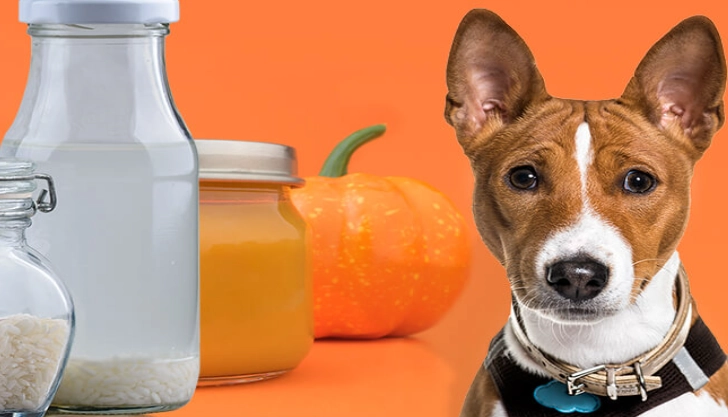
Figuring out what to give a dog for diarrhea isn't just about stopping the mess. It's about comforting your pup, knowing what's safe, and understanding when it's time to drop everything and call the vet. This isn't a dry medical textbook. Think of it as advice from a friend who's cleaned up their fair share of accidents and learned a lot from vets along the way.
The internet is full of conflicting advice. Some say fast them, some say feed them. Some recommend weird home concoctions that make me raise an eyebrow. My goal here is to cut through the noise. We'll talk about the simple, vet-backed stuff you probably already have in your kitchen, the over-the-counter options that can help, and the big red flags that mean you need professional help, stat.
First Things First: The 24-Hour Rule and Why It's Not Always Right
You've probably heard the old advice: if your dog has diarrhea, withhold all food for 24 hours to "rest the gut." Let's talk about that.
This rule comes from a good place. The idea is to give the inflamed digestive tract a break. For a healthy adult dog with a sudden, mild case of the runs from eating a new treat, a short period of fasting (like 12 hours) might be okay. But here's the problem with a blanket 24-hour rule.
Small dogs, puppies, and senior dogs have less energy reserve. Withholding food from them for a full day can lead to low blood sugar, which is dangerous. Also, if the diarrhea is caused by a specific toxin or parasite, fasting does nothing to address the root issue. The gut lining actually heals faster when it has some gentle, digestible nutrients to work with.
So, what's the modern take? For most adult dogs, you can skip the next meal or two, but ensure they have constant access to small amounts of fresh water. Dehydration is your enemy number one. Then, you can move on to offering a bland diet. The question of what to give a dog with diarrhea often starts with what not to do first—and starving them for a full day is increasingly seen as an outdated approach.
The Go-To Home Remedies: What Actually Works in Your Kitchen
Okay, so you've decided against a long fast. Your dog is looking at you with those sad eyes. What's next? These are the home remedies that have stood the test of time and have some backing from veterinary nutritionists. They're simple, safe when used correctly, and form the core answer for most people searching for what to give a dog for diarrhea.
The Bland Diet Champion: Boiled Chicken and White Rice
This is the classic for a reason. It's bland, low in fat, easy to digest, and binding. The rice helps absorb excess fluid in the gut, and the chicken provides easy-to-process protein.
How to do it right:
- Use skinless, boneless chicken breast. Thighs have more fat, which can worsen diarrhea.
- Boil it in plain water. No salt, no oil, no seasonings.
- Use plain white rice. Brown rice has more fiber and can be harder to digest during a flare-up.
- The ratio should be about 1 part chicken to 2 parts rice.
- Shred the chicken finely and mix it well with the rice.
Start with small, frequent meals. Think a quarter of their normal meal size, offered 4-6 times a day. A huge meal of even bland food can shock a sensitive stomach.
The Secret Weapon: Plain Canned Pumpkin (Not Pie Filling!)
This is my personal favorite. Pure canned pumpkin (you must check the label—it should only contain pumpkin) is a magic bullet for many digestive issues. It's high in soluble fiber, which helps absorb excess water in the intestines and add bulk to stool.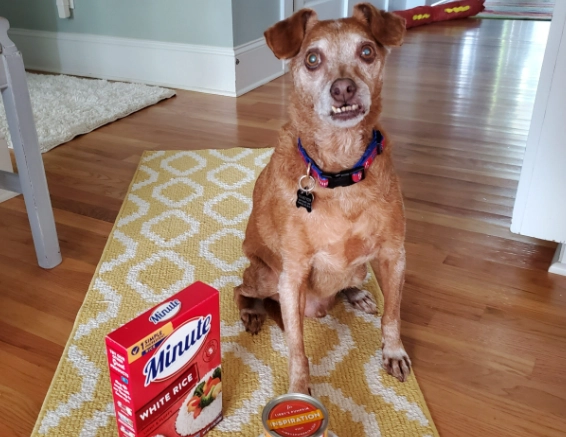
The amount matters a lot. Too much can have the opposite effect. For a medium-sized dog (30-50 lbs), start with 1 to 4 tablespoons mixed into their bland diet. You can use it for both diarrhea and constipation—it's a great regulator.
I always keep a can in the pantry. Just make sure you get the plain stuff. Pumpkin pie filling has sugar, spices, and other stuff your dog absolutely does not need right now.
Probiotics: The Gut Bug Reinforcements
Diarrhea often flushes out the good bacteria along with the bad. Replenishing them can speed up recovery. While there are great dog-specific probiotic supplements, a quick kitchen fix is plain, unsweetened yogurt or kefir with live active cultures.
A spoonful mixed into their food can help. But be cautious: some dogs are lactose intolerant, and dairy can make diarrhea worse. If you've never given your dog yogurt before, maybe skip this during an acute episode and opt for a canine-specific probiotic paste or powder instead. The American Kennel Club notes that probiotics can be beneficial for managing diarrhea, but it's best to choose strains proven effective for dogs.
Electrolyte Replenishment: Beyond Plain Water
When your dog has diarrhea, they're losing fluids and essential electrolytes like sodium and potassium. While plain water is crucial, you can offer a DIY electrolyte solution.
A safe option is to offer low-sodium chicken or beef broth. Again, check the label—no onion, no garlic, low sodium. Or, you can make a simple one: mix 1 liter of clean water with 1 teaspoon of salt and 2 tablespoons of sugar. Offer it in a bowl alongside their regular water. Don't force it, just let them drink if they want to.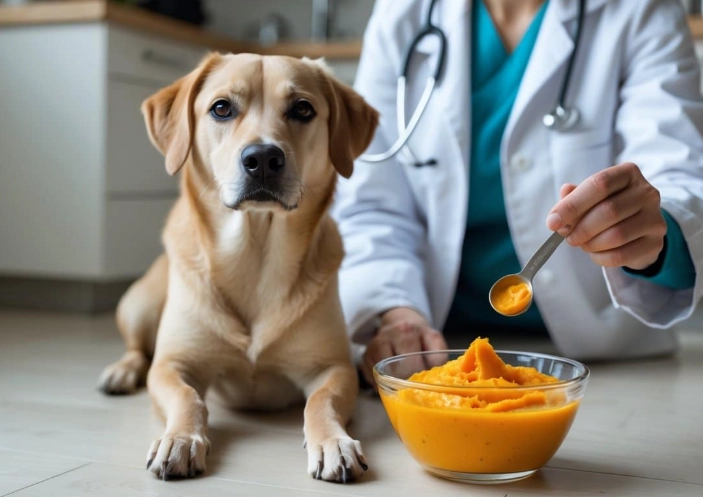
Here’s a quick-reference table for these home remedies:
| Remedy | What It Does | Key Preparation Tip | My Experience/Note |
|---|---|---|---|
| Boiled Chicken & White Rice | Provides bland, binding nutrition; rests the gut. | 1:2 ratio (chicken:rice), no seasoning. | The gold standard. Works 80% of the time for simple cases. |
| Plain Canned Pumpkin | Soluble fiber absorbs water, adds bulk to stool. | 1-4 tbsp for a medium dog. MUST be plain. | My go-to first step. It's surprising how well it works. |
| Probiotics (Yogurt/Kefir) | Replenishes beneficial gut bacteria. | Use plain, unsweetened. Start with a teaspoon. | Great for recovery, but can backfire if dog is dairy-sensitive. |
| Electrolyte Solution | Replaces lost salts and minerals, combats dehydration. | Low-sodium broth or homemade sugar-salt water. | Crucial for puppies or if diarrhea is watery and frequent. |
What About Over-the-Counter (OTC) Human Medications? A Major Warning.
This is where we need to have a serious talk. You might be thinking, "I take Imodium when I have diarrhea, can I give my dog some?"
Stop.
Don't do it.
Giving human anti-diarrheal medications to dogs without explicit veterinary instruction is extremely risky. Drugs like loperamide (Imodium) or bismuth subsalicylate (Pepto-Bismol) can be toxic to dogs, especially certain breeds like Collies and Shelties due to a genetic mutation. They can cause severe neurological issues, ulcers, or even be fatal.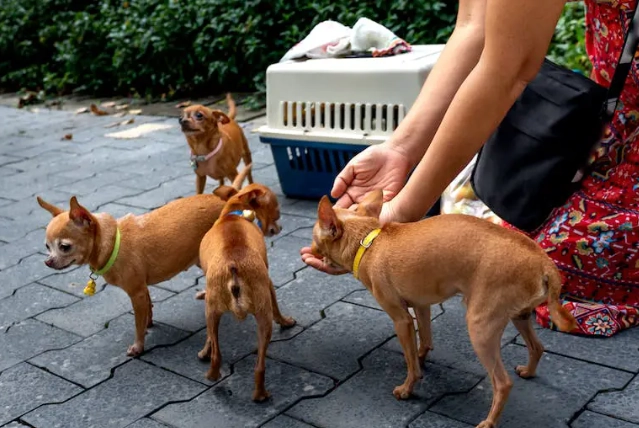
So, what can you give from the pharmacy? The answer, safely, is often nothing from the human aisle. There are OTC products made for dogs, like kaolin-pectin formulations or specific probiotic pastes. These are formulated for canine physiology. When you're figuring out what to give a dog with diarrhea, the medicine cabinet should be your last resort, not your first, and only with veterinary guidance.
Foods and Things to Absolutely Avoid (The "No" List)
Sometimes knowing what not to give is more important. When your dog's gut is in crisis, avoid these like the plague:
- Dairy (Milk, Cheese, Ice Cream): Most adult dogs are lactose intolerant. It will worsen gas and diarrhea.
- Fatty Foods/Oils/Grease: Rich meats, butter, bacon grease. Fat is very hard to digest and is a major irritant.
- High-Fiber Dog Food or Treats: While fiber is good normally, a sudden increase during diarrhea can make things worse. Stick to the bland, low-residue diet.
- Bones, Rawhides, or Hard Chews: These can cause further irritation or even blockages, especially if the digestive system is already compromised.
- Table Scraps in General: Now is not the time for experimentation. Stick to the plan.
- Any New Treat or Food: You want to give the most familiar, simple foods possible.
When "What to Give" Isn't Enough: Signs You Need the Vet NOW
This is the most critical part of the guide. Home care has its limits. If you see any of the following, stop searching for what to give a dog for diarrhea and pick up the phone or head to the emergency clinic.
- Blood in the stool: This can be bright red or dark, tarry black (which indicates digested blood). Both are serious.
- Vomiting along with diarrhea: This dramatically increases the risk of rapid dehydration.
- Lethargy, depression, or weakness: If your dog is listless, won't get up, or seems "out of it."
- Loss of appetite for more than 24 hours.
- A distended or painful abdomen: If your dog yelps when you gently touch their belly.
- Diarrhea in a puppy, a very small dog, or a senior dog: They dehydrate much faster.
- If the diarrhea persists for more than 48 hours despite bland diet treatment.
- If you suspect your dog ingested a toxin (like chocolate, xylitol, rat poison, human drugs) or a foreign object (a toy, sock, etc.).
Trust your gut. If you're worried, even if the symptom isn't on this list, call your vet. It's always better to be safe. I once waited too long because I thought I could handle it at home, and it turned out to be a nasty parasite that needed prescription medication. I felt awful for putting my dog through an extra day of discomfort.
The Transition Back to Normal Food
Let's say the bland diet worked. The diarrhea has stopped, and your dog is acting normal again. You can't just flip a switch and go back to their regular kibble. That's a surefire way to trigger a relapse.
The transition should take 2-3 days. Here's a sample schedule for a dog eating twice a day:
- Day 1: 75% bland diet / 25% regular food (mixed together).
- Day 2: 50% bland diet / 50% regular food.
- Day 3: 25% bland diet / 75% regular food.
- Day 4: 100% regular food.
Go slow. If the stool starts to soften again at any point, go back a step for another day or two. Patience is key here.
Common Questions Dog Owners Ask (The FAQ Section)
Let's tackle some of the specific questions that pop up when you're deep in a Google search about your sick pup.
My dog has diarrhea but is acting fine. What should I do?
This is super common. If your dog is energetic, drinking water, and begging for food, it's likely a mild, self-limiting issue. You can start with a 12-hour fast (water only), then offer the bland chicken and rice diet for 24-48 hours. Monitor closely. If it doesn't improve in two days, or if they stop acting fine, call the vet.
What can I give my dog for diarrhea and vomiting?
This changes the game. With vomiting, you should withhold both food and water for a few hours to let the stomach settle. After 4-6 hours without vomiting, offer tiny amounts of water (a few ice cubes or teaspoons every 20 minutes). If that stays down, you can try a teaspoon of the bland diet. The priority here is preventing dehydration, and this is a scenario where calling your vet for advice is a very good idea early on.
Are there specific dog foods for sensitive stomachs?
Yes, and if your dog has frequent episodes, it's worth discussing with your vet. Many brands offer "sensitive skin & stomach" formulas. They are often made with a single novel protein (like salmon or duck) and a easily digestible carbohydrate (like sweet potato), and contain prebiotics and probiotics. The American Veterinary Medical Association (AVMA) recommends consulting your veterinarian to choose the best therapeutic diet for chronic issues, as they can rule out other causes first.
Could my dog's diarrhea be from stress?
Absolutely. Dogs can get stress colitis. A new pet, a move, fireworks, a boarding kennel—all can trigger a nervous gut. The treatment is often the same (bland diet, rest), but addressing the underlying anxiety is key for prevention.
What about giving bone broth?
Plain, homemade bone broth (again, no onion/garlic, low salt) can be a great way to get fluids and some nutrients into a dog who's reluctant to eat. It's soothing and palatable. Just make sure it's cool enough and offer it in a bowl. Store-bought broths often have too much sodium and additives.
Digging Deeper: Understanding the "Why" Behind the Diarrhea
To really know what to give a dog for diarrhea, it helps to understand why it's happening. It's not always just "something they ate." Causes can be broadly grouped:
- Dietary Indiscretion: The #1 cause. Eating garbage, spoiled food, a dead animal, too many treats, a sudden diet change.
- Infections: Bacterial (like Salmonella, E. coli), viral (Parvovirus—a deadly emergency), or parasitic (Giardia, worms). The CDC's Healthy Pets site has good info on some zoonotic parasites like Giardia.
- Stress: As mentioned, big life changes can cause colitis.
- Underlying Medical Conditions: Diseases like pancreatitis, kidney disease, inflammatory bowel disease (IBD), or cancer. These often cause chronic or recurrent diarrhea.
- Medications/Toxins: Some antibiotics upset the gut flora. Ingestion of toxins is a direct emergency.
For simple dietary indiscretion, home care is usually enough. For the others, you need a vet to diagnose and treat the root cause. That's why persistence or accompanying serious symptoms mean you need professional help.
Prevention: Keeping the Gut Happy Long-Term
An ounce of prevention, right? After you've dealt with the mess, think about how to prevent the next episode.
- Diet Consistency: Change foods gradually over 7-10 days. Avoid giving rich table scraps.
- Garbage & Toxin Security: Use trash cans with secure lids. Keep human medications, cleaning products, and toxic foods (chocolate, grapes, etc.) completely out of reach.
- Regular Parasite Control: Keep up with monthly heartworm prevention that also controls intestinal parasites, and do annual fecal checks.
- Manage Stress: Provide a safe space during storms or parties. Consider calming aids if your dog is prone to anxiety.
- Be Treat-Smart: Too many rich treats or chews can cause issues. I learned this after giving my dog a whole bully stick in one sitting—bad idea.
- Consider a Probiotic Supplement: For dogs with sensitive stomachs, a daily probiotic can help maintain a healthy gut flora balance. Research from institutions like the Cornell University College of Veterinary Medicine's Riney Canine Health Center often explores the benefits of gut health management in dogs.
Final Thoughts: Your Common Sense is a Key Ingredient
Look, there's no single perfect answer to what to give a dog for diarrhea. It depends on your dog, the severity, and the cause. The bland diet of chicken and rice, plus some pumpkin, is your safest, most effective starting point for mild cases in an otherwise healthy adult dog.
But the most important thing you can "give" your dog is your attentive observation and common sense. Don't get so focused on the "what to give" that you miss the signs telling you they need more than home care.
Start simple. Stay calm. Provide comfort. Keep water available. And know the red flags. You've got this. And if in doubt, your veterinarian is the ultimate resource—never hesitate to give them a call. They'd much rather answer a quick question than treat a severely dehydrated dog later. After all, we're all just trying to do our best for our four-legged family members when their tummies go on strike.
Hope your pup feels better soon.
Leave a comment