Quick Guide
Let's be honest. The classic Elizabethan collar, that plastic cone of shame, is a nightmare for everyone involved. Your dog looks miserable, crashes into every doorframe and chair leg in the house, and the constant *scrape-scrape-scrape* sound drives you up the wall. They can't eat or drink properly, sleep is a struggle, and their whole world shrinks to the diameter of that rigid plastic.
I remember when my own dog, a goofy Labrador, had a small paw surgery. The vet sent us home with the standard issue cone. Within an hour, he'd knocked over a water bowl, gotten stuck trying to turn around in the hallway, and sat in the corner whining with this look of utter betrayal in his eyes. It was heart-breaking and completely ineffective, because he still managed to contort himself to lick his stitches. That's when I went down the rabbit hole of finding better alternatives for a dog cone.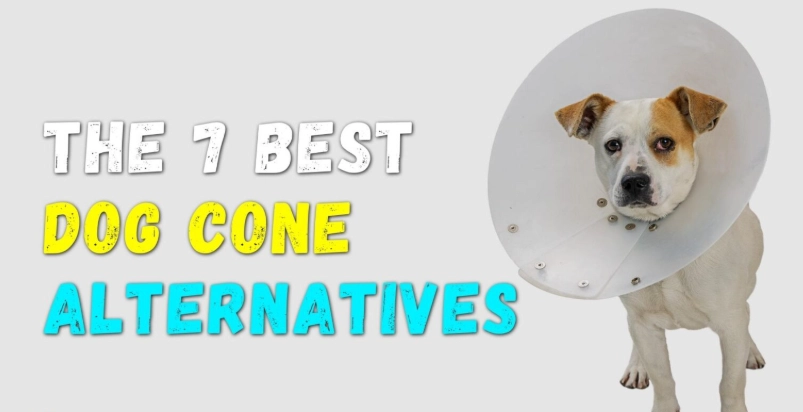
The good news? The pet care world has innovated. There are now numerous comfortable, effective, and often more humane options for keeping your dog from licking, biting, or scratching a healing wound. The key is knowing which one is right for your dog's specific situation, personality, and the location of their injury.
The Main Types of Dog Cone Alternatives
Not all alternatives are created equal. Some are fantastic for body wounds but useless for paw injuries. Others are cozy but might not stop a determined chewer. Let's break down the six main categories you'll encounter when searching for alternatives for a dog cone.
The Inflatable Collar (Donut or Travel Pillow)
This is probably the most popular alternative, and for good reason. It looks like a little inflatable life ring or travel pillow that goes around your dog's neck. It prevents your dog from bending their neck to reach their torso, limbs, or paws (depending on their flexibility and the collar's size).
The good stuff: It's soft, doesn't block their vision as much, and many dogs find they can use it as a pillow to rest their head on. It's generally less stressful. It's also less likely to get caught on things.
The not-so-good: It's not foolproof. A very flexible or persistent dog might still reach around it to lick a front leg. For injuries on the hindquarters or tail, it's often completely ineffective. Also, some dogs, especially brachycephalic breeds (like Pugs or Bulldogs) with short necks, might find it awkward or even obstructive.
My Lab? He did much better with the inflatable collar for his paw. He could eat and sleep normally. But I had to watch him closely because he could still crane his neck to reach his hip if he really tried.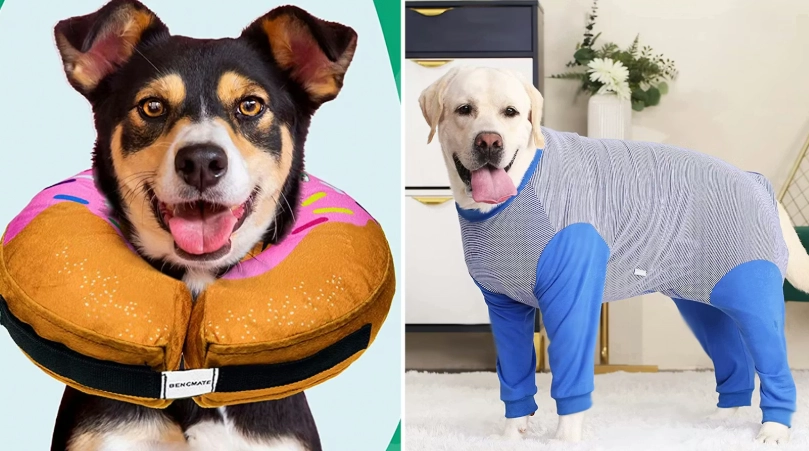
The Soft Fabric Cone (Comfy Cone)
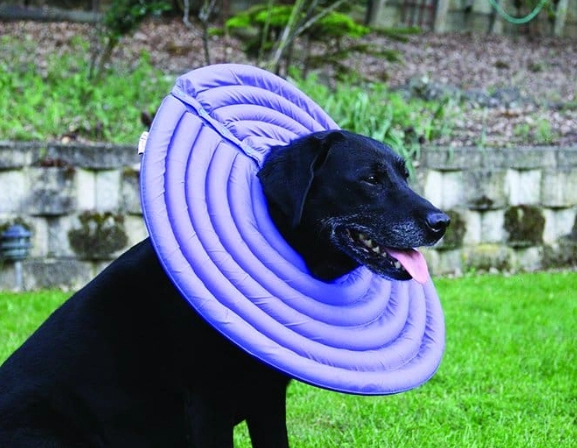
Think of this as the kinder, gentler version of the plastic cone. It's made from flexible, padded fabric (often nylon or felt) and usually has a flexible plastic or foam insert to maintain its shape. It comes in all sorts of fun colors and patterns, too.
The good stuff: It's lightweight, quiet, and much more comfortable against your dog's neck and your furniture. It collapses slightly when they back up, so they learn spatial boundaries more gently. It often provides better coverage than an inflatable collar, especially for side-of-body wounds.
The not-so-good: It can get dirty, wet, or smelly more easily than plastic. A dedicated chewer might destroy the fabric edges. Because it's softer, a very determined dog might be able to fold it enough to reach a wound. You need to make sure it's the right length—too short and it's useless.
The Recovery Suit or Surgical Suit
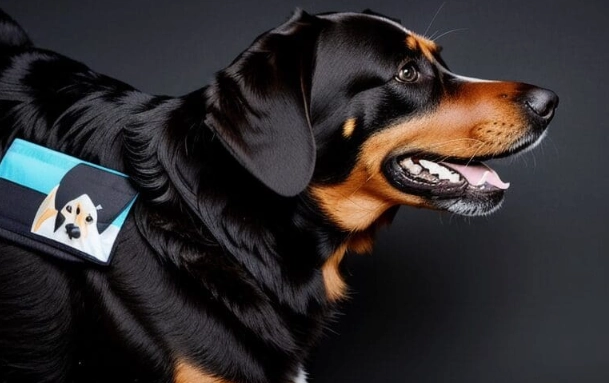
This is a game-changer for certain types of injuries. It's essentially a stretchy, full-body onesie or suit that covers the torso, and sometimes the limbs. It's perfect for spay/neuter incisions, skin grafts, hot spots on the body, or allergies where the dog is scratching its sides.
The good stuff: Maximum comfort and zero obstruction. Your dog can move, eat, sleep, and play normally. It provides light compression, which can feel soothing. It also protects the wound from dirt and contaminants. For many dogs, this is the absolute best alternative to a dog cone.
The not-so-good: Obviously, it's no good for leg, paw, head, or tail injuries. You have to take the whole thing off for potty breaks, which can be a hassle. You need at least two for hygiene—one to wear while the other is washing. And you must ensure it fits snugly but not tightly, and that the material around the wound stays dry and clean.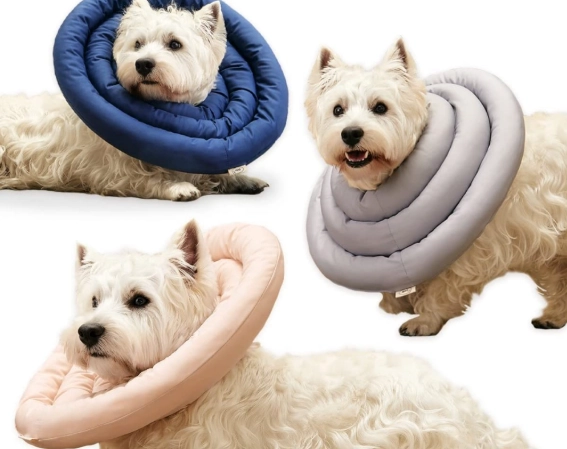
The Neck Brace or Cervical Collar
This is a more medical-looking option, similar to what a human might wear for neck support. It's made from foam and often has a waterproof cover. It limits neck mobility in a very specific way.
The good stuff: Extremely effective at preventing a dog from turning its head to reach shoulders, front legs, or body. Often used for neck injuries or surgeries themselves, but also as a protective measure for other wounds. It's sturdy and difficult for a dog to remove.
The not-so-good: It can be bulky and restrictive. It may interfere with lying down comfortably or eating from a bowl on the floor (raised bowls are a must). This isn't a casual comfort option; it's for when you need serious immobilization. It should be fitted by a vet or professional.
The Paw Cover or Sock/Bootie
For injuries confined to a paw or lower leg, sometimes the simplest solution is the best. A durable, breathable dog bootie or a specially designed recovery sock can protect the area directly.
The good stuff: Targeted and minimal. Allows full freedom of movement everywhere else. Can be combined with a soft collar for extra security.
The not-so-good: Only works for that specific area. Dogs often try to chew or pull them off, so they need to be secure and you need to monitor closely. The wound area must be able to have some covering on it without causing moisture buildup.
The Pool Noodle Hack (DIY Option)
This is a creative and cheap homemade alternative. You take a standard pool noodle, cut it to an appropriate length, slit it open lengthwise, and fit it around your dog's existing collar, securing it with zip ties or strong tape. It creates a lightweight, buoyant barrier.
The good stuff: Virtually free if you have a noodle lying around. Soft and light. Customizable length.
The not-so-good: It looks… homemade. It may not be sturdy enough for a powerful chewer. The inner slit can collect dirt and hair. It's an "at your own risk" solution and should never be used for a dog that will be unsupervised. I tried it once in a pinch; it worked okay for a few hours but started to look shabby and come apart quickly.
How to Choose the Best Alternative for YOUR Dog
Picking the right one isn't about what's cutest or most highly rated online. It's a practical decision based on four key factors. Get this wrong, and you're back to square one with a licked-open wound.
Factor 1: The Location of the Wound. This is the most important question. Map out what your dog can physically reach.
- Head, ears, neck: Options are limited. A soft cone or traditional cone is often still the best bet here, as it extends past the nose. A recovery suit won't help.
- Front legs, shoulders, chest: An inflatable collar or a well-fitted neck brace can work well. A soft cone is also a strong contender. A recovery suit might cover chest wounds.
- Torso, back, flank (spay/neuter): The recovery suit is the gold standard. Inflatable collars and soft cones are also very effective for these areas.
- Hind legs, tail, hindquarters: This is the trickiest area. Many dogs are super flexible. A soft cone or traditional cone might be necessary to get enough length to block access. Inflatable collars often fail here. A recovery suit that covers the rear can work for some tail/base-of-tail issues.
- Paws: Booties or recovery socks, potentially paired with a soft or inflatable collar for the "bend and lick" maneuver.
Factor 2: Your Dog's Personality and Determination. Be brutally honest about your dog's persistence.
- Is your dog a laid-back soul who gives up easily? A soft fabric cone or inflatable collar will likely suffice.
- Is your dog a Houdini-level escape artist or a relentless chewer? You need durability. A traditional plastic cone, a very sturdy soft cone, or a neck brace might be the only things they can't defeat. The Veterinary Partner resource from the Veterinary Information Network often notes that the "indestructibility" of the plastic cone is still its primary advantage for certain patients.
Factor 3: Your Dog's Breed and Build. Body shape matters.
- Long-snouted dogs (Greyhounds, Collies): Need longer cones or alternatives to prevent them from reaching around.
- Short-snouted dogs (Boxers, Boston Terriers): May struggle with any neck-based option that pushes into their throat or jaw. A recovery suit or carefully fitted soft cone is often better.
- Small vs. Large dogs: Ensure the product is sized correctly. A floppy, oversized soft cone on a small dog is just a nuisance.
Factor 4: Your Lifestyle and Supervision Level.
- Will your dog be alone for periods of time? If so, opt for the most secure, durable option, even if it's slightly less comfortable.
- Can you commit to changing a recovery suit for potty breaks multiple times a day?
- Is easy cleaning important? Plastic and waterproof covers wipe clean; fabric needs washing.

Side-by-Side Comparison: Your Quick Decision Guide
| Alternative Type | Best For Wounds On... | Comfort Level (for Dog) | Security Level (Stops Licking) | Key Consideration |
|---|---|---|---|---|
| Inflatable Collar | Torso, chest, front legs* | High | Medium-High | Watch for flexible dogs reaching around it. |
| Soft Fabric Cone | Body, legs, tail base (if long) | High | Medium-High | Must be correct length; can get dirty. |
| Recovery Suit | Torso, back, flank, spay/neuter | Very High | High (for covered areas) | Potty break hassle; need good fit & hygiene. |
| Neck Brace | Shoulders, front legs, neck | Medium | Very High | Restrictive; often requires professional fitting. |
| Paw Cover | Paws, lower legs | Medium-High | High (if stays on) | Dogs often try to remove them; monitor closely. |
| Traditional Plastic Cone | Anywhere (universal) | Low | Very High | The reliable but stressful baseline option. |
*Effectiveness for front legs depends on dog flexibility and collar size.
Making It Work: The Transition and Training
Switching to a new type of recovery aid can be confusing for your dog. Here’s how to make the introduction smoother, turning one of the best alternatives for a dog cone into an accepted part of their life for a few weeks.
First, let them sniff the new item (inflatable collar, soft cone, suit) before you put it on. Associate it with good things. Put it on for just a few minutes at a time while offering high-value treats and praise. Gradually increase the duration over an hour or two.
Expect some initial clumsiness. They might walk funny, freeze, or try to back up. This is normal. Guide them gently, don't laugh at them (even though the inflatable collar waddle can be hilarious), and keep rewarding calm behavior.
For recovery suits, practice the potty break routine immediately. Put it on, take it off for a fake "potty break," then put it back on. This gets them used to the process.
Watch for signs of frustration or attempts to remove the device. If they are panicking or seem excessively stressed, you may need to try a different style. The goal is protection without trauma.
Answers to Common Questions About Dog Cone Alternatives
You've got questions. I've dug through forums, talked to vets, and lived through this myself. Here are the real-world answers.
Are these alternatives for a dog cone as safe as the traditional cone?
When used correctly for the appropriate injury, yes, and often safer in terms of reducing stress and preventing secondary injuries from crashing into things. However, "safe" depends on the product quality, correct fit, and your dog's behavior. A poorly fitted soft cone is unsafe. A recovery suit that gets wet and dirty and isn't changed is unsafe. The traditional cone's safety comes from its simplicity and difficulty to defeat. The safety of an alternative comes from you making a smart, informed choice and monitoring your dog.
My dog can still reach the wound with the alternative on. What now?
This is the most common problem. First, double-check the fit. Is the inflatable collar big enough? Is the soft cone long enough (it should extend at least an inch past the nose)? If fit is correct and they're still reaching, you have a few options: 1) Combine methods. Use a recovery suit AND an inflatable collar. Or a soft cone AND a paw bootie for a lower leg wound. 2) Switch to a longer/more restrictive option. You may need to go back to a traditional cone or a longer soft cone. 3) Increase supervision and distraction. During times you can directly watch them, use the more comfortable alternative. When you can't, use the more secure one.
How do I stop my dog from removing the soft cone or inflatable collar?
Most secure themselves with a buckle or Velcro around the neck. If your dog is a master escape artist, ensure it's snug enough (you should be able to fit two fingers underneath comfortably). You can also look for models with additional security features, like a second strap that connects to their regular collar. For a determined dog, sometimes the only solution is the traditional cone that fastens more securely to their own collar.
Can my dog sleep and eat normally in these?
This is a major advantage. Yes, most dogs adapt quickly and can sleep and eat much more normally than in a hard cone. Inflatable collars often become pillows. Soft cones are flexible. Recovery suits are like pajamas. Eating from a raised bowl can help with any neck-based option. Always observe the first few meal times to ensure they can reach their food and water comfortably.
Where is the best place to buy these alternatives?
You can find them at major pet stores, online retailers like Chewy or Amazon, and directly from veterinary clinics. My advice? Consider buying from your vet's office first. The markup might be slightly higher, but you get the correct size and style recommended for your dog's specific procedure. You also support your local clinic. If you buy online, read reviews carefully, pay close attention to sizing charts, and consider buying two sizes if unsure, with a good return policy.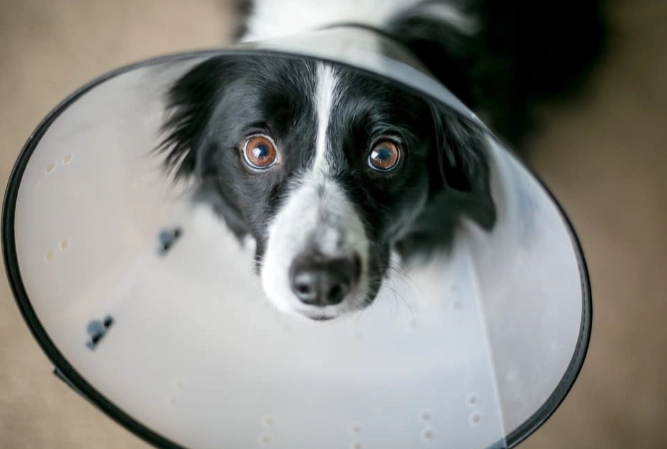
Wrapping It Up: Finding Peace of Mind
Looking for alternatives for your dog's cone isn't about spoiling them (though that's a nice bonus). It's about prioritizing their well-being and mental state during recovery, which directly supports physical healing. A less stressed dog is a better-healing dog.
There is no single "best" alternative for every dog. For my Lab's paw, the inflatable collar was a win. For a spay surgery, a recovery suit is often unbeatable. For a tricky hip stitch, a long soft cone might be the compromise between comfort and security.
Start by talking to your vet. Use the wound location as your primary guide. Be realistic about your dog's personality. And be prepared to adapt. You might even need to have a couple of options on hand for different situations (like a secure cone for unsupervised time and a comfy suit for when you're home).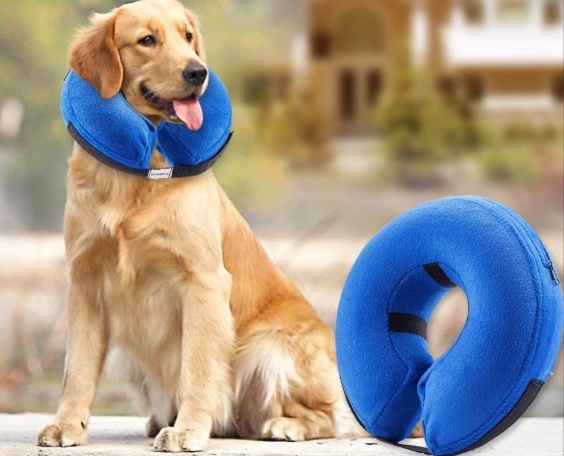
The bottom line is you have choices. You don't have to resign yourself or your furry friend to weeks of miserable clunking and whining. With a little research and careful selection, you can find a recovery solution that keeps the wound safe and lets your dog's personality—and comfort—shine through.



Leave a comment