You just brought home a stunning bromeliad, its vibrant colors a perfect pop against your living room wall. Then you see it—your cat, Mr. Whiskers, giving it the classic side-eye of curiosity. That familiar knot forms in your stomach. Is this beautiful plant about to become a vet bill? Let's cut through the noise. Based on major animal poison control resources like the ASPCA, bromeliads (the Bromeliaceae family) are generally classified as non-toxic to cats, dogs, and horses.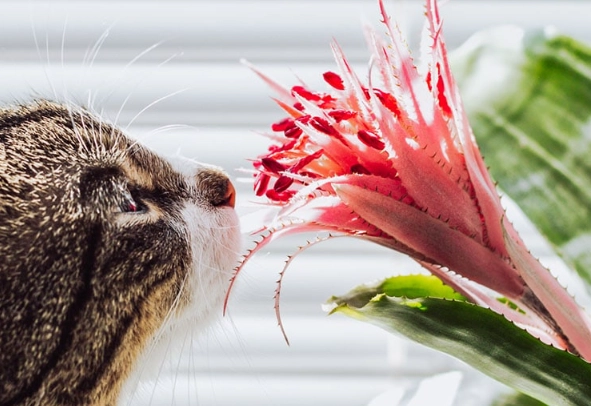
But—and this is a crucial but—"non-toxic" doesn't mean "cat-proof." There's a gap between textbook botany and life with a curious feline. I've kept both cats and houseplants for over a decade, and that's where most online advice stops short. The real risks aren't always about poison.
What You'll Find in This Guide
The Core Answer: Toxicity vs. Risk
When we ask "are bromeliads toxic?", we're really asking two things. First, do they contain chemical compounds (like insoluble calcium oxalates in peace lilies or saponins in aloe vera) that can cause organ damage or severe illness? For bromeliads, the consensus from authorities is no.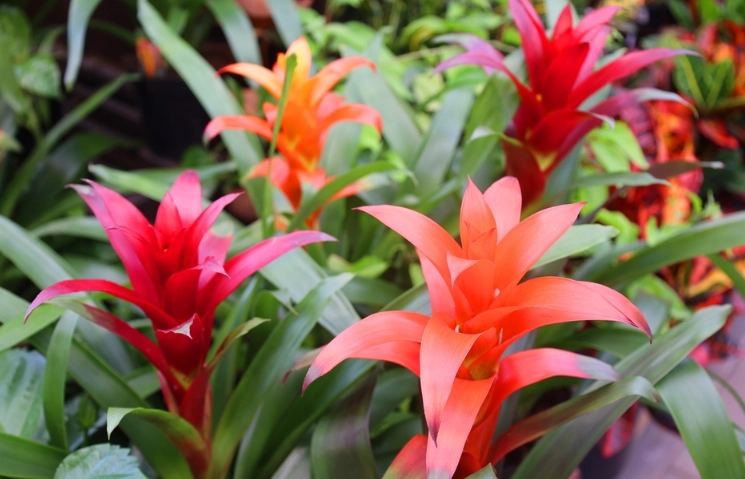
The second question is: can this plant harm my cat in other ways? Here, the answer becomes yes, potentially.
Key Distinction: The bromeliad family is huge, from air plants (Tillandsia) to the common urn plant (Aechmea). While none are considered poisonous, their physical structure can be a problem. Many have tough, serrated leaves. A cat chewing on them might experience:
- Mouth or throat irritation from the sharp edges.
- Mild drooling or nausea from ingesting unfamiliar fibrous plant matter.
- Gastrointestinal upset (vomiting or diarrhea) if they eat a significant amount.
Think of it like a cat eating a piece of cardboard. It's not toxic, but it's not food, and their stomach might protest.
What Happens If My Cat Takes a Bite?
Let's walk through a real scenario. Your cat nibbles a leaf tip off your Guzmania. Here's the likely progression, based on conversations with my vet and unpleasant firsthand experience with a different "safe" plant.
Within the first hour: You might notice excessive drooling or pawing at the mouth. This is usually mechanical irritation, not poisoning. Offer fresh water. Wipe their mouth gently with a damp cloth if there's visible plant residue.
Over the next 6-12 hours: Monitor for vomiting or diarrhea. One isolated incident, especially if you see plant bits in it, is often the body's way of expelling the irritant. Keep an eye on their energy levels and appetite.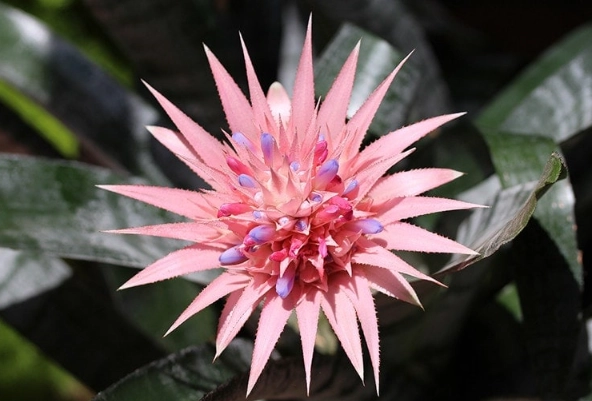
When to Call the Vet Immediately: If vomiting/diarrhea is persistent (more than twice in 24 hours), if your cat becomes lethargic or refuses water, or if you notice any difficulty breathing or swelling. These are not typical bromeliad reactions and could signal an allergic response, an obstruction, or that the plant was misidentified.
Always have the number for the ASPCA Animal Poison Control Center (888-426-4435) handy. A consultation fee is worth the peace of mind.
The Look-Alike Problem: Is It Even a Bromeliad?
This is a sneaky issue. Many plants sold as "bromeliads" in big-box stores are correctly labeled. But sometimes, common names confuse everything. A "silver vase" (Aechmea fasciata) is a bromeliad. A "Chinese evergreen" (Aglaonema) is highly toxic. They look nothing alike to an expert, but to a hurried shopper? Maybe.
The only way to be sure is the scientific name on the tag. If the tag just says "assorted foliage," use a plant ID app like PictureThis or seek help online before bringing it into a home with cats.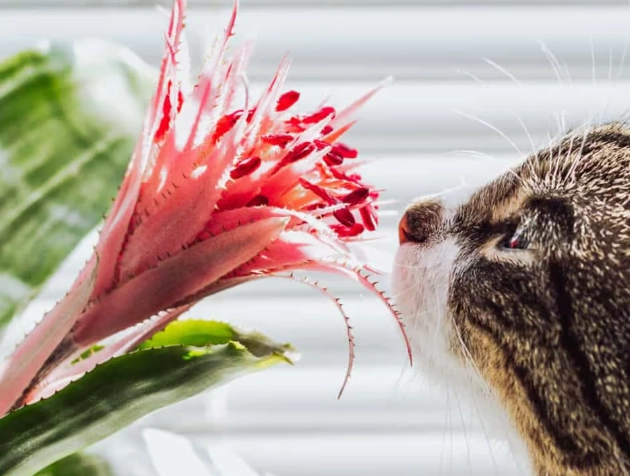
The Biggest Mistake Cat Owners Make with "Safe" Plants
Here's the non-consensus, experience-driven point you won't see everywhere: We focus so much on toxicity that we ignore behavioral and environmental risks.
I learned this the hard way. My cat, Leo, never cared about plants until I brought home a large, grassy ponytail palm (also non-toxic). He didn't eat it. He used it as a hiding spot, then a launchpad for aerial attacks on my other cat. The pot was constantly knocked over, creating a mess and a hazard. The plant itself was safe, but the situation it created wasn't.
With bromeliads, especially larger ones with a central "vase," the standing water they hold is a bigger daily risk than any toxin. Stagnant water can breed bacteria or mosquitoes. A curious cat drinking from it could get sick. Always flush the central cup with fresh water weekly to prevent this.
Truly Cat-Safe Plant Alternatives (A Short List)
If the potential for mild upset or the physical risk of spiny leaves worries you, opt for plants with a softer profile and a long-standing reputation for safety. Remember, "safe" still means supervision is needed.
Spider Plant (Chlorophytum comosum): Practically a rite of passage for cat owners. Cats are often attracted to the long, grassy leaves (it has a mild hallucinogenic effect similar to catnip, but harmless). It can handle a nibble and grows like a weed.
Boston Fern (Nephrolepis exaltata): Lush, full, and all fronds. If a piece gets chewed off, it's unlikely to cause any issue. They love humidity, so a bathroom is perfect.
Peperomia (Various species): Dozens of varieties with thick, waxy leaves that aren't very appealing to chew. They're slow-growing and compact, easy to place on a high shelf.
Orchids (Phalaenopsis): The common moth orchid is non-toxic. The flowers and leaves pose little risk. The main danger is the potting medium (often bark chips), which could cause a blockage if eaten in large quantities.
The ultimate cat-safe plant strategy? Grow cat grass. Give them their own approved salad bar. A pot of wheatgrass or oatgrass satisfies the urge to chew and provides fiber. It often diverts attention from your decorative plants.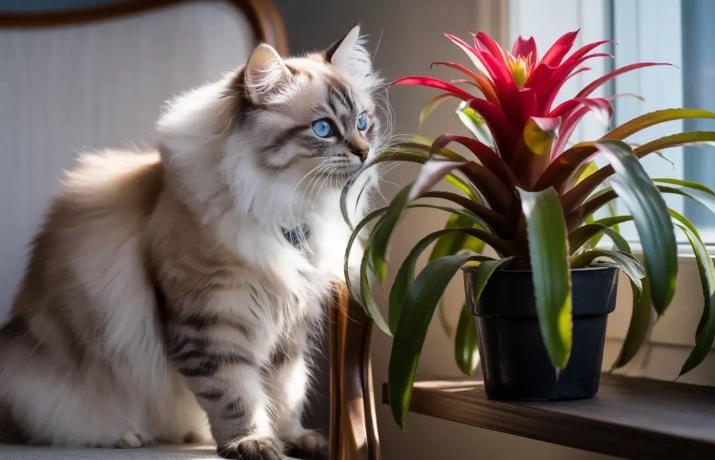
Your Bromeliad & Cat Questions Answered
So, can you breathe easy with a bromeliad and a cat? Mostly. The green light on toxicity is a huge relief. But treat that green light like a cautious one. Observe your individual cat. The serial plant-chewer needs a different strategy than the indifferent lounger. Place plants up high, use deterrent sprays (citrus or bitter apple), and provide better alternatives.
Your home can have both—lush greenery and a healthy, happy cat. It just takes a bit more planning than simply checking a "non-toxic" box.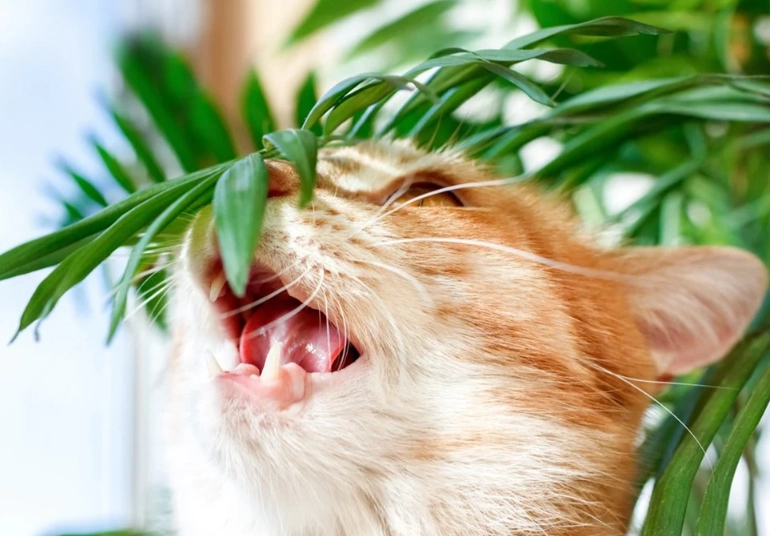


Leave a comment