You're cleaning the litter box and notice something's off. The usual clumps are missing, or there's just one hard, dry pellet. Your cat might be straining, going in and out of the box more often, or even crying. This isn't just a minor inconvenience—it's a clear signal your cat could be constipated. Left unchecked, it can progress to obstipation (severe, intractable constipation) or even megacolon, a serious condition where the colon loses its ability to contract. The good news? By knowing what to look for, you can catch it early and take action.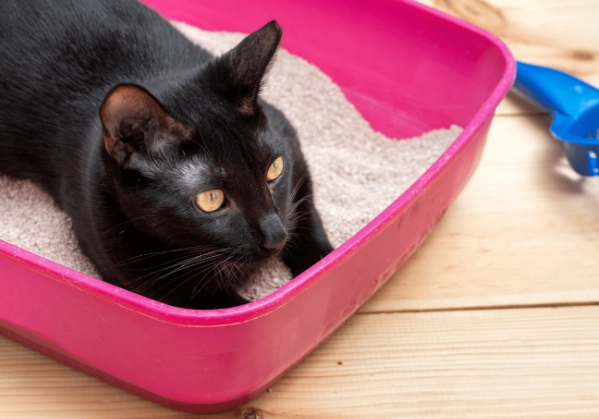
In This Article
Recognizing the Signs of Cat Constipation
It starts with the litter box. A healthy cat typically defecates once every 24 to 36 hours. The stool should be formed, moist, and brown. Constipation changes everything. Here’s a breakdown of what to watch for, from the obvious to the subtle cues you might miss.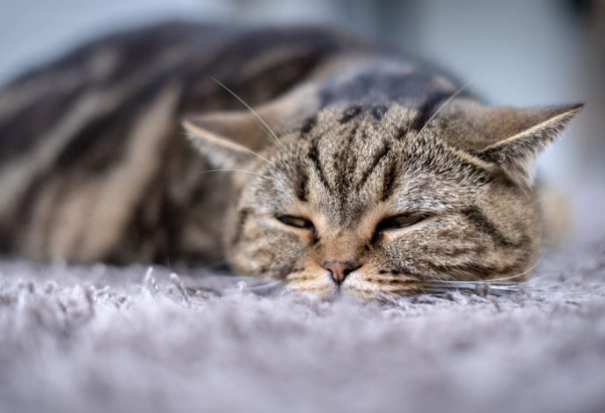
| What to Look For | Normal | Constipation Warning Sign |
|---|---|---|
| Frequency | Every 1-1.5 days | No stool for 2+ days, or much less frequent than usual |
| Stool Appearance | Formed, moist logs | Hard, dry, small pellets (often dark); may have mucus or blood on surface |
| Behavior in Litter Box | Quick in-and-out, covers waste | Prolonged straining, crying, frequent trips with little/no production |
| Post-Box Behavior | Goes about their day | Lethargy, hiding, loss of appetite, vomiting |
| Physical Signs | Normal grooming, relaxed abdomen | Decreased grooming, firm/distended abdomen, discomfort when touched near hindquarters |
One subtle sign almost no one talks about? The litter box approach. A constipated cat might enter the box, assume the position, stay for 30 seconds, leave, pace, and return. They look frustrated. It’s not just “trying to go”—it’s a sign of painful, ineffective straining.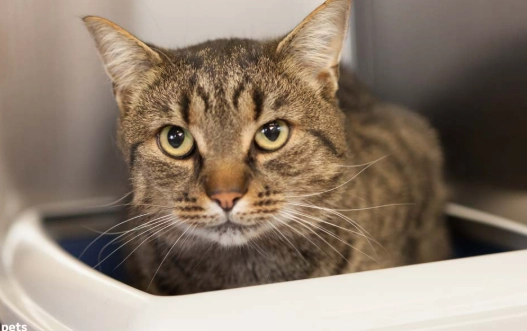
Pro Tip: Don't just count days. A cat that goes from daily poops to every other day is showing an early trend, even if it hasn't hit the 48-hour “classic” mark yet. Track habits. A sudden change in rhythm is your first clue.
The "Touch Test" and Other Home Checks
If you're suspicious, you can gently feel your cat's lower abdomen. Have them stand normally. With warm hands, apply light pressure on either side of the spine, just ahead of the hind legs. You're feeling for a firm, sausage-like mass. A normal colon feels empty or soft. A hard, palpable mass likely means impacted stool.
Be extremely gentle. If your cat flinches, vocalizes, or tries to get away, stop immediately. This test isn't definitive, but combined with other signs, it can reinforce your suspicion.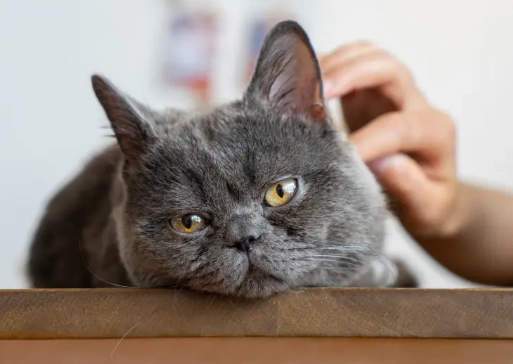
What Causes Constipation in Cats?
It's rarely just “not enough fiber.” Constipation is usually a symptom of an underlying issue. Treating the symptom without finding the cause is a temporary fix. Here are the major culprits, ranked by how often I see them in practice.
Dehydration is the #1 offender. Cats have a low thirst drive. Dry food diets, while convenient, provide minimal moisture. A cat on kibble alone may consume less than half the water of a cat on wet food. Chronic, low-grade dehydration leads to the colon pulling too much water from stool, making it hard and dry. Many owners think, “The water bowl is full,” but cats often prefer running water or won't drink enough from a still bowl.
Hairballs and Excessive Grooming. It's not just about the hairball they cough up. Ingested hair has to go somewhere. It can accumulate in the digestive tract, forming a matted, obstructive plug. Long-haired cats are prone, but any anxious cat that over-grooms can have this issue.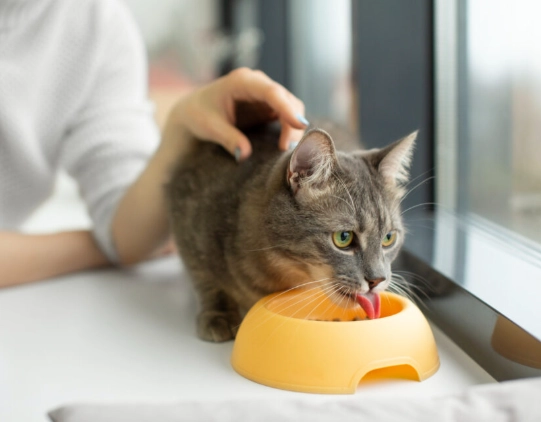
Pain. This is a huge, overlooked cause. Arthritis in the hips or spine makes it painful to squat in the litter box. A cat with dental disease may avoid eating enough, reducing fecal bulk. Anal gland issues or past injuries can make the act of defecation itself painful, so the cat holds it in, worsening the problem.
Litter Box Aversion. A dirty box, a box with a hood a cat doesn't like, a box in a noisy location, or conflict with another pet can cause a cat to avoid the box. They hold it, the stool dries out, and constipation begins. I once had a client whose cat only got constipated when they used a particular scented litter.
Underlying Medical Conditions. These require a vet:
- Megacolon: The colon becomes enlarged and loses muscle tone.
- Neurological issues: Spinal cord injuries or nerve damage.
- Metabolic diseases: Kidney disease leads to dehydration; hyperthyroidism can alter gut motility.
- Pelvic fracture malunion: An old, healed fracture narrows the pelvic canal, physically trapping stool.
When It's an Emergency: If your cat is straining constantly but producing nothing (especially if they are a male cat), vomiting, completely refusing food and water, or appears extremely lethargic, seek veterinary care immediately. This could indicate a urinary blockage or severe obstipation, both life-threatening.
What to Do If Your Cat Is Constipated
Your action plan depends on severity. For a first-time, mild case (missing one poop, no distress), home care might suffice. For anything more, or if your cat has a history of constipation, involve your vet.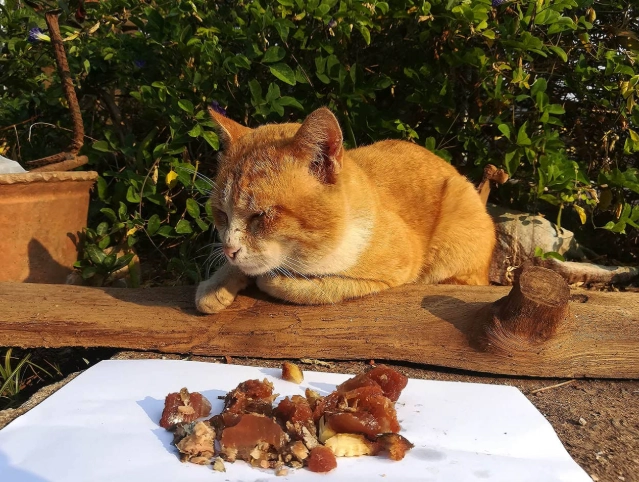
Safe At-Home Remedies (For Mild Cases)
1. Increase Water Intake Aggressively. This is your first and most important move.
- Switch to wet/canned food exclusively, even temporarily.
- Add water, bone broth (no onions/garlic), or tuna juice to their food.
- Get a cat water fountain. The moving water entices drinking.
- Place multiple water bowls around the house, away from food and litter.
2. Use Canned Pumpkin (Pure Pumpkin, NOT Pie Filling). The fiber adds bulk and draws water into the colon. Give 1/2 to 1 teaspoon mixed into wet food twice daily. Too much can cause diarrhea. Some cats love it, others hate it.
3. Try a Vet-Approved Lubricant. Plain, unflavored psyllium husk powder (like Metamucil) or a product like Laxatone can help. Dosage is critical—ask your vet. Never give human laxatives or mineral oil, which can be dangerous.
4. Gentle Exercise and Massage. Encourage play to stimulate gut motility. A gentle, circular abdominal massage for a few minutes a few times a day can sometimes help move things along.
What Your Vet Will Do
For moderate to severe constipation, home remedies won't cut it. Your vet might:
- Perform a physical exam and abdominal palpation.
- Take X-rays to assess stool load and rule out obstruction.
- Administer subcutaneous fluids to rehydrate.
- Give an enema (NEVER try this at home with human enemas—they are toxic to cats).
- Prescribe stool softeners (like lactulose) or motility drugs (like cisapride).
- In severe cases, manual removal under sedation or even surgery may be needed.
Preventing Future Constipation Episodes
Prevention is about managing the causes we discussed. Think of it as a daily routine.
Diet is Foundation. A high-moisture diet is non-negotiable for prone cats. Some cats do well on high-fiber diets, others on highly digestible, low-residue diets. This is where your vet's guidance is key. The American Animal Hospital Association emphasizes the role of nutrition in managing chronic conditions like constipation.
Environmental Management.
- Keep litter boxes immaculately clean (scoop 1-2x daily).
- Provide one more box than the number of cats (e.g., 2 cats = 3 boxes).
- Use unscented, fine-grained litter most cats prefer.
- Ensure boxes are large enough and in quiet, accessible locations.
Regular Grooming. Brush your cat daily, especially if long-haired, to reduce hair ingestion.
Stress Reduction. Use pheromone diffusers (like Feliway), provide vertical space, and ensure predictable routines. Stress slows the gut.
Monitor and Track. Keep a simple log: date, poop consistency (use a scale like the Bristol Stool Chart adapted for cats), and any notes. This data is gold for your vet.
Frequently Asked Questions (FAQ)
The key takeaway? Your cat's litter box is a daily health report. Paying attention to what's in it (or what's not) is one of the most powerful things you can do for their long-term wellbeing. Constipation is more than a nuisance; it's a sign something is out of balance. By learning the signs, understanding the causes, and taking proactive steps, you can keep your cat comfortable and their digestive system running smoothly.


Leave a comment