Quick Navigation
- Why Even Bother? The Real Pros and Cons
- The Non-Negotiables: Gear That Actually Works
- The Harness: Escape-Proof is a Myth, But Secure is a Must
- The Leash: Not a Dog Leash
- The Training Blueprint: How to Leash Train a Cat (Without Losing Your Mind)
- Safety First, Second, and Third: The Outdoor Protocol
- Before You Go Out Checklist:
- While You're Out There:
- Common Questions (And Real Answers)
- Final Thoughts: Is It For You and Your Cat?
So you've seen the videos. A sleek cat trotting confidently beside its human, leash in tow, exploring the great outdoors. It looks magical, right? Like something straight out of a dream for any indoor cat owner feeling guilty about those four walls. But then you look at your own cat, currently performing a complex series of maneuvers to avoid being put in a carrier for a vet visit, and you think... is walking cats a thing for real people, or just for Instagram influencers with unusually compliant felines?
Let's cut through the hype. Is walking cats a thing? Yes, it absolutely is. But it's not a universal thing. It's a highly individual, patience-testing, sometimes-frustrating, but potentially incredibly rewarding thing. It's less about "taking your cat for a walk" in the dog-walking sense and more about providing supervised, safe outdoor exploration on their terms. This isn't a trend; for many, it's a legitimate form of environmental enrichment.
I tried it with my own cat, Mochi. The first time I showed him the harness, he flopped over like I'd shot him with a tranquilizer dart. Dramatic? Absolutely. A sign to give up? Not necessarily. We'll get to that.
Why Even Bother? The Real Pros and Cons
Before you buy a single piece of gear, you need to ask yourself why. Is it for you, for the 'gram, or for your cat? The right reasons make all the difference when you're on your hands and knees trying to coax a skeptical cat out the door.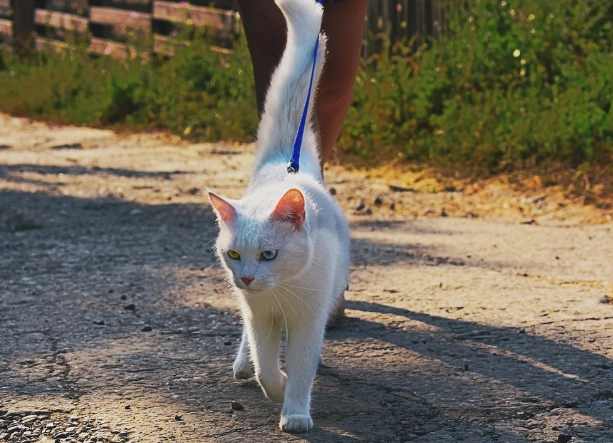
The Potential Benefits (The Good Stuff)
Mental Stimulation Galore: The outdoors is a 360-degree sensory movie for a cat. New smells (oh, the smells!), sounds, sights, and textures. This can be pure mental enrichment for an indoor cat, potentially reducing boredom-related behaviors like excessive meowing, scratching furniture, or nighttime zoomies. Organizations like the ASPCA emphasize the importance of environmental enrichment for indoor feline well-being, and supervised outdoor access can be a powerful part of that.
Controlled Exercise: It encourages natural behaviors like climbing, stalking, and exploring in a way that a laser pointer in the living room just can't match.
Confidence Building: For some cats, successfully navigating a new environment (safely) can boost their overall confidence.
Bonding Time: It's shared, focused time where you are their secure base in a scary world. That can strengthen your connection.
The Risks and Downsides (The Reality Check)
It's Stressful, Not Fun, for Many Cats: This is the biggest one. Cats are territorial. Their home is their safe space. Forcing a cat who is fundamentally terrified of the unknown into it is cruel, not enriching. You have to read your cat's body language, not your own wishes.
Safety Risks: Dogs off-leash, aggressive stray cats, cars, people who don't respect your space, toxic plants or substances they might nibble on. The list is long. You are their sole protector.
It Might Make Them Want Out More: Some cats get a taste and then constantly beg at doors or try to dart out. This can create a new behavior problem.
Parasites and Disease: Outdoor exposure increases the risk of fleas, ticks, and certain diseases. Consistent, vet-recommended prevention is non-negotiable. The International Cat Care guidelines provide excellent overviews of these risks.
It's a Commitment: This isn't a weekend hobby. If you start, consistency helps. Are you ready for that?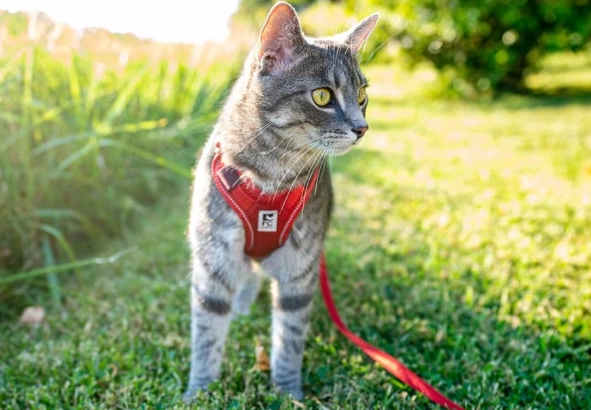
See? Not all sunshine and rainbows. You have to weigh this carefully for your specific cat.
The Non-Negotiables: Gear That Actually Works
You cannot, I repeat, CANNOT use a dog collar and leash. A cat's anatomy is different. They can twist, slip, and injure themselves with frightening ease. The right gear is your first and most important step.
The Harness: Escape-Proof is a Myth, But Secure is a Must
Forget the flimsy, single-strap "figure-8" harnesses. Most cat owners and behaviorists agree a secure H-style or vest-style harness is the way to go. It should have at least two points of adjustment (neck and chest/ribs) and be made of sturdy, comfortable material.
Here’s a quick breakdown of the main types:
| Harness Type | What It Is | Pros | Cons | Best For... |
|---|---|---|---|---|
| H-Style (Basic) | Two loops (neck, chest) connected by a strap along the back. | Simple, less restrictive, good air flow. | Can be easier for a determined cat to back out of if not perfectly fitted. | Cats who tolerate harnesses well and don't panic-pull backwards. |
| Vest-Style (Jacket) | Covers more of the chest and/or back with fabric. | Often more secure, harder to escape, can feel more secure to some cats. | Can be warmer, some cats dislike the feeling of being "wrapped." | Houdini cats, smaller or skinny cats who need more coverage to feel secure. |
| Figure-8 / Single Strap | A single loop that goes around neck and chest. | Cheap, easy to put on. | NOT RECOMMENDED. Easy to escape, high risk of injury or choking. | Honestly, avoid these. |
The fitting is crucial. You should be able to slide two fingers snugly under any strap. Too loose? Escape. Too tight? Discomfort and refusal.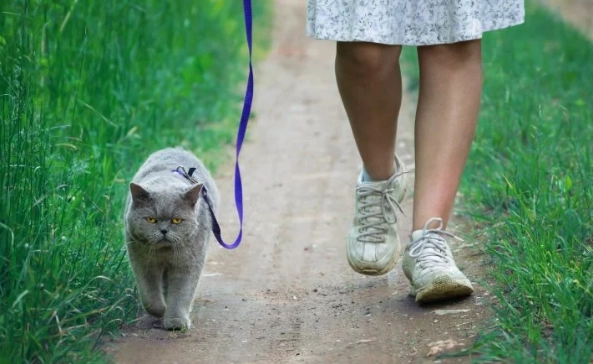
The Leash: Not a Dog Leash
A lightweight, long leash (at least 6 feet, but 10-15 ft is better) is key. Retractable leashes are controversial. I don't like them for cats. They teach constant pressure on the harness, can break easily if a cat bolts, and give you less immediate control. A simple, lightweight nylon or biothane leash gives you better feedback and control. You are following them, not leading them.
The Training Blueprint: How to Leash Train a Cat (Without Losing Your Mind)
This is where most people fail. They put the harness on, clip the leash, and head for the door. The cat freaks out, flops, and the human declares, "My cat hates it!" Well, yeah. You skipped all the steps.
Leash training a cat is a marathon of tiny steps, measured in weeks or months, not days. Rushing equals failure.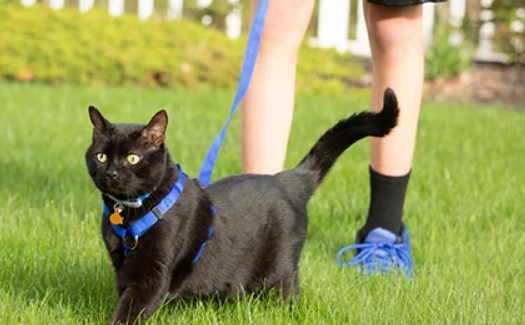
Phase 1: Make the Harness a Symbol of Good Things (Indoors)
- Day 1-3: Just leave the harness and leash near your cat's favorite resting spot. Let them sniff it. No pressure.
- Day 4-7: Touch the harness to their fur briefly, then give a high-value treat (chicken, tuna, pureed treat). Repeat. Associate the sight of the harness with treats.
- Week 2: Gently drape the harness over their back/shoulders for 2 seconds. Treat. Gradually increase time to 10 seconds. If they panic, go back a step.
- Week 3: Fasten the neck buckle (loosely) for just a moment. Treat. Unbuckle. Do this multiple times a day. Then try the chest buckle.
- Week 4: Fully fasten the harness, indoors, for just 1-2 minutes. Distract with play or treats. Increase the time each session. Let them walk around normally in it. The goal is for them to ignore it.
This phase alone can take a month. Be patient. If your cat completely shuts down (hiding, not eating), they may not be a candidate. And that's okay.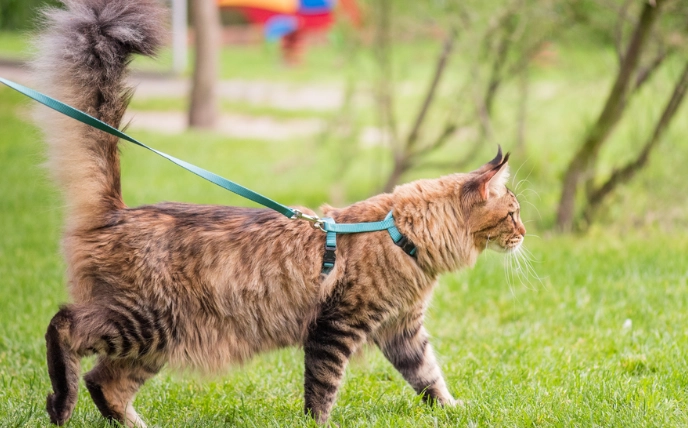
Phase 2: Attach the Leash & Indoor Practice
- Clip the leash on indoors. Let them drag it around (supervised, so it doesn't snag) for short periods.
- Pick up the leash and follow them around the house. Apply zero pressure. You're just a follower.
- Practice gentle directional cues with treats. Hold a treat to guide them a step or two. Never pull or drag.
Phase 3: The Great Outdoors - Start Microscopic
- First Session: Just sit with your cat, in harness and leash, inside the OPEN door. Don't go out. Let them watch and sniff from the threshold. Treats for calm behavior.
- Next Session: One paw over the threshold. Treat. Then back inside. End on a high note.
- Next: A few steps onto a porch, balcony, or quiet patch of grass right outside. Sit there. Let them process. 5 minutes is a huge win.
- Gradually increase time and distance, always letting them set the pace. If they freeze, panic, or try to bolt back inside, calmly go back in. Don't force it.
This isn't walking. It's supervised exploration. You are a mobile safety tree.
Safety First, Second, and Third: The Outdoor Protocol
When you finally are out there, your job shifts from trainer to bodyguard.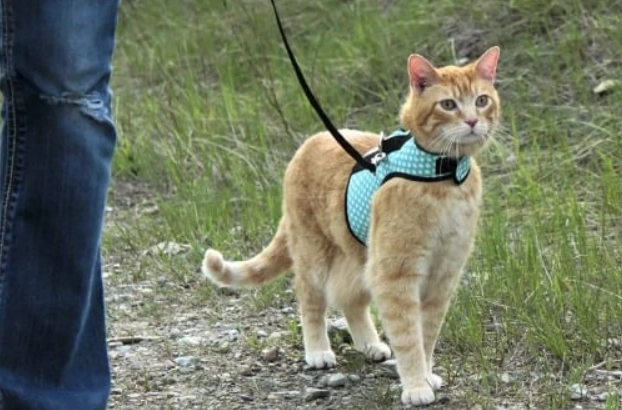
Before You Go Out Checklist:
- ID: Ensure your cat has a secure collar with an ID tag (in addition to the harness) and is microchipped with up-to-date info. A harness can come off.
- Prevention: Are flea/tick/heartworm preventatives current? Check with your vet.
- Weather: Too hot? Pavement burns paws. Too cold? Not ideal. A calm, mild day is best.
- Location: Start in the quietest, most controlled area possible. Your backyard is ideal. Avoid areas with heavy dog traffic or loud noises.
While You're Out There:
- Stay Alert: Head on a swivel. Watch for dogs, people, other cats, cars. Be ready to pick your cat up calmly if needed.
- Let Them Lead: They sniff a bush for 10 minutes? That's the walk. They want to sit under a bench? That's the walk. Your timeline is irrelevant.
- Watch Body Language: Ears flat, tail low or puffed, crouching, trying to hide? That's stress. Time to go in. Slow, confident movements? Perked ears? Gentle tail swishes? They're engaged.
- Never Tie the Leash: Not to a tree, not to a bench, not for a second. They can get tangled, spooked, and injured.
Honestly, the first few times I took Mochi out, my heart was pounding. Every little noise made me jump. It's not a relaxing stroll; it's an exercise in hyper-vigilance. But seeing him cautiously sniff a dandelion, ears forward, made it worth the tension.
Common Questions (And Real Answers)
Final Thoughts: Is It For You and Your Cat?
So, is walking cats a thing? Yes, but it's a very specific thing. It's not for every cat or every person. It's a project that demands patience, observation, and a willingness to accept a hard "no" from your feline partner.
For Mochi, it's a mixed bag. Some days he struts a few feet onto the patio, sniffs the herbs, and seems intrigued. Other days, one step out and he's done. And that's okay. The process of training itself was a bonding activity, and it gave me a deeper appreciation for his unique personality.
If you're considering it, start with the gear and the indoor training phases. See how your cat reacts. If they adapt, you can cautiously proceed. If they reject it utterly, you've lost nothing but a little time, and you've learned something important about your companion. The ultimate goal isn't the perfect walk; it's a happy, enriched, and safe cat. Whether that happens on a leash in a park or on a sunny windowsill is entirely up to them.
And that's the real answer to "Is walking cats a thing?" It's a possibility, not a prescription. Your cat gets the final vote.




Leave a comment