Quick Guide Navigation
Let's cut right to the chase, because when your curious pup gets too close to a buzzing flower, time feels different. You're probably staring at them, heart in your throat, wondering if that yelp meant trouble or just surprise.
The short, direct answer is that for most dogs, signs of a bee sting show up almost immediately, within seconds to a couple of minutes. You'll likely see the reaction unfold right before your eyes. But—and this is a big but—the full picture isn't always that simple. Sometimes, the real worry sets in later. I remember my friend's Labrador, Buster, who seemed fine after a sting, only to get a swollen face an hour later while napping. That delayed reaction had us all in a panic.
But let's unpack that. "Signs" can mean a lot of things. A little local swelling is a sign. A full-body systemic reaction is a sign. They're worlds apart in terms of danger. So, asking "how long does it take for a dog to show signs of a bee sting?" is really asking about a spectrum of possibilities, from the benign to the emergency.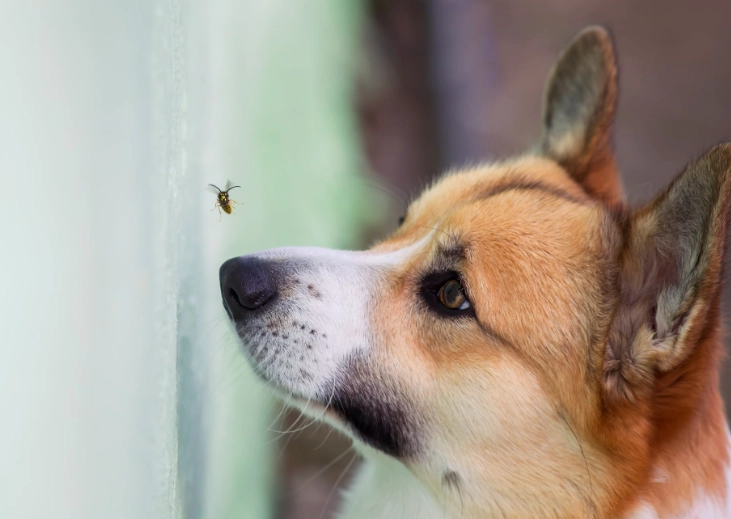
Honestly, a lot of articles online give a one-size-fits-all answer and move on. That's not terribly helpful when you're trying to decide if you need to sprint to the vet or just grab some baking soda. We're going to dig deeper than that.
The Bee Sting Timeline: From "Ouch!" to "Oh No"
Think of the reaction in phases. It's not just one event.
The Instant Reaction (0-2 Minutes)
The moment the stinger pierces the skin, it injects venom—a cocktail of proteins and enzymes like melittin and phospholipase A2. This is an outright attack on your dog's cells. The body's alarm bells ring instantly.
Your dog will likely let you know right away. A sharp yelp, a jump, a sudden nip at the air or the affected paw. They might start licking, biting, or scratching furiously at one specific spot. Physiologically, histamine and other inflammatory chemicals are already flooding the area. You might see a small, raised, red welt appear within a minute. So, to directly answer the core question: how long does it take for a dog to show signs of a bee sting? The initial pain and localized irritation signs are virtually instantaneous.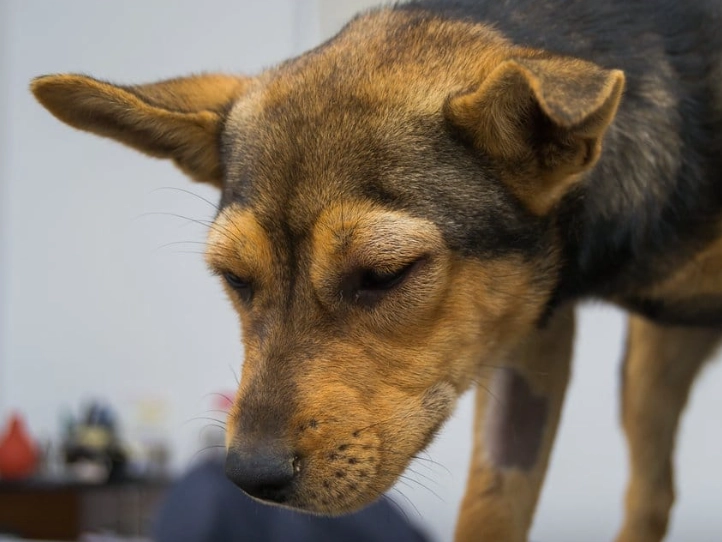
The Localized Reaction Unfolds (2 Minutes to 1-2 Hours)
This is where the local swelling and redness develop. The sting site, often on the paw, face, or mouth, will begin to puff up. It can look dramatic—a swollen muzzle or a paw that looks like it's wearing a little balloon. This peak local swelling usually happens within the first hour or two.
It's important to know that this localized reaction, even if it looks bad, is often just that—local. It's the body containing the problem. It's uncomfortable for your dog, but not necessarily an emergency. The key is watching to make sure it stays local and doesn't spread or trigger systemic issues.
The Delayed or Systemic Reaction Window (30 Minutes to Several Hours)
This is the phase that causes the most anxiety. Sometimes, the initial signs are mild, but the immune system is gearing up for a bigger fight. A delayed reaction can pop up hours later. More critically, a systemic allergic reaction can take a bit of time to manifest fully, though its serious onset is usually within that first half-hour.
This is why vigilance for several hours after a sting is non-negotiable, even if your dog seems okay at first. You're not just watching the paw; you're watching the whole dog.
Breaking Down the Signs: What to Actually Look For
Knowing the timeline is one thing. Knowing what to look for at each stage is what makes you prepared. Let's categorize the symptoms.
Common Local Signs (The "Annoying but Usually OK" List)
- Sudden pain, yelping, or limping: The immediate giveaway.
- Localized swelling and redness: A hot, puffy area around the sting. On the nose, it can look almost comical (though it's not funny to them).
- Persistent licking, biting, or pawing: They are trying to soothe the itch and pain.
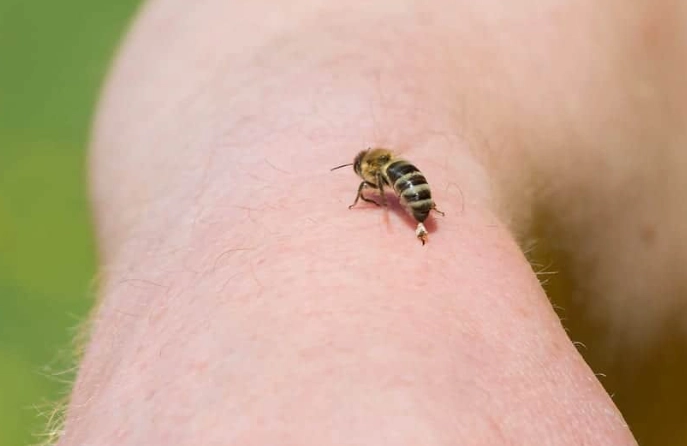
- A visible stinger: Sometimes you can see the tiny black barb embedded, often with a little venom sac attached. (Note: Only honeybees leave barbed stingers. Wasps and hornets do not.)
These signs answer the basic version of "how long does it take for a dog to show signs of a bee sting?"—they're the first and most common responders.
Signs of a Systemic or Allergic Reaction (The "Red Alert" List)
These symptoms mean the venom is affecting the whole body, not just the sting site. This is an emergency. Time to get to a vet is critical.
| Sign/Symptom | What It Looks Like | Why It's Dangerous |
|---|---|---|
| Facial or Extensive Swelling | Swelling spreads beyond the sting site to eyelids, entire muzzle, throat. | Can obstruct breathing, especially if the throat swells. |
| Hives | Raised, itchy welts appearing anywhere on the body, often on the belly or inner thighs. | Sign of a widespread allergic (histamine) response. |
| Difficulty Breathing | Wheezing, noisy breathing, excessive panting when at rest, pale or blue-tinged gums. | Direct threat to life from airway constriction or anaphylactic shock. |
| Vomiting or Diarrhea | Sudden onset, sometimes repeatedly. | Sign of systemic distress and can lead to dehydration. |
| Severe Lethargy or Collapse | Dog becomes weak, wobbly, unresponsive, or collapses. | Indicates a severe drop in blood pressure (shock). |
| Agitation or Disorientation | Seems confused, restless, or unusually anxious. |
See, when people ask how long does it take for a dog to show signs of a bee sting, they're often secretly worrying about these signs. The scary ones. And for these, the clock is ticking loudly. If you see any combination of these, don't wait. Don't Google more. Go.
What Actually Affects This Reaction Time?
Not all stings are equal. A few things change the equation.
- Location of the Sting: A sting on a padded paw might swell slowly. A sting on the tongue, inside the mouth, or on the throat is a high-priority emergency from second one, as swelling can block airways incredibly fast.
- Number of Stings: More venom equals a bigger, faster reaction. A swarm attack is a dire situation requiring immediate vet care.
- Type of Insect: Bee? Wasp? Hornet? The venom composition differs. Some people swear wasp stings are meaner and cause faster reactions, but severe reactions can happen with any.
- The Dog's Individual Sensitivity: This is the big unknown. A dog with no history of stings could have a severe first reaction. A dog stung before might react worse the next time (sensitization). You just don't know your dog's "profile" until it happens.
- Dog's Size and Age: A tiny Chihuahua gets a much larger relative dose of venom than a Great Dane from the same sting. Puppies and older dogs may also have less resilient systems.
What To Do: A Step-by-Step Action Plan
Okay, theory is good. Action is better. Here's what you do, in order.
Step 1: Stay Calm and Secure Your Dog
Your panic feeds their panic. Breathe. Get your dog away from the area to prevent more stings. Move indoors if possible.
Step 2: Find and (Carefully) Remove the Stinger
If you can see it, scrape it off. Don't use tweezers! Pinching the venom sac can inject more venom. Use a credit card, your fingernail, or a piece of stiff paper to flick or scrape it sideways. If it's deeply embedded or you can't see it, don't dig around. It's better to leave it than cause more trauma. The body will eventually break it down.
Step 3: Initial First Aid & Close Monitoring
Now, you watch. Closely. This is where you apply everything about how long it takes for a dog to show signs of a bee sting. You're on high alert for the first 30 minutes, then continued watch for several hours.
Step 4: Know When to Call or Go to the Vet
This is the decision tree.
- GO TO THE EMERGENCY VET IMMEDIATELY: Any sign from the "Red Alert" list above. Difficulty breathing, collapse, vomiting, widespread hives, severe facial swelling. Don't call first, just go. Time is tissue (and oxygen).
- CALL YOUR VET FOR ADVICE: If the swelling is significant but localized (e.g., a very puffy paw), if your dog seems in a lot of pain, or if you're just unsure. They may advise an over-the-counter antihistamine like diphenhydramine (Benadryl) at a proper vet-recommended dosage—never guess the dose. They might also suggest you come in for a check.
- Monitor at Home: Only for very mild, localized reactions that are not worsening and where the dog is otherwise perfectly normal—eating, drinking, breathing easily, and playful.
I think a lot of vets would agree that if you're spending more than 15 minutes agonizing over whether to call, you should probably just call. Better safe.
Answering Your Lingering Questions (FAQ)
Final Thoughts: Trust Your Gut
After all this detail about timelines and symptoms, here's the most human piece of advice: trust your instinct. You know your dog better than any article does. If their behavior is off, if something in your gut says "this isn't right," that is a valid reason to seek help. It's always better to have the vet say it was a false alarm than to regret waiting too long.
So, to wrap it all up, how long does it take for a dog to show signs of a bee sting? The first signs are immediate. The dangerous signs usually reveal themselves within the critical first 30 minutes. But your job as their person is to watch, know, and act with a clear head from the first "yelp" through the next several hours. It's a stressful event, but being prepared turns panic into purposeful action.
Go give your pup a pat (if they haven't been chasing bees), and maybe take a mental note of where your nearest emergency vet clinic is. Just in case.


Leave a comment