What You Need to Know
Let's cut to the chase. You see a bottle of shampoo that says "natural," "organic," or even "for sensitive skin." It might smell great to you, but that doesn't mean it's safe for your dog. I've been working as a professional dog groomer for over a decade, and I can't tell you how many times I've seen well-meaning owners accidentally cause skin irritation or worse because they didn't understand what "dog shampoo safe" really entails.
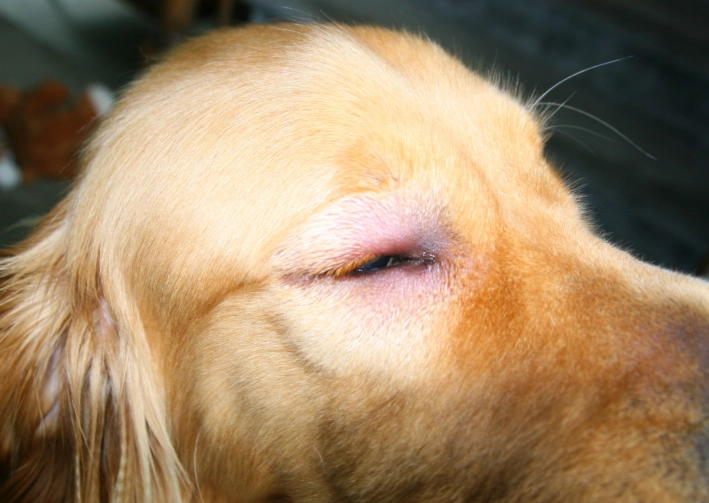
It's not just about avoiding harsh chemicals. It's about understanding the pH balance of your dog's skin, the ingredients that can be toxic if ingested (through licking), and the specific needs of your dog's coat type. I've seen dogs come in with rashes, hot spots, and even chemical burns because their owners used a shampoo that was too acidic or contained ingredients like tea tree oil, which is a common human remedy but can be toxic to dogs.
Here's the thing most people don't realize: the term "safe" isn't regulated in the pet industry. A company can claim their shampoo is "safe" because it doesn't contain a specific list of known toxins, but it might still be too harsh for your dog's skin. That's why I always tell my clients to look beyond the marketing and dive deep into the ingredient list.
What Does "Dog Shampoo Safe" Actually Mean?
When we talk about "dog shampoo safe," we're referring to a product that meets several key criteria. First and foremost, it should be free from ingredients that are known to be harmful to dogs. This includes things like sulfates, parabens, artificial dyes, and strong fragrances. But it goes deeper than that.
A truly safe dog shampoo should be pH-balanced for canine skin. Human skin has a pH of around 5.5, while a dog's skin is more neutral, ranging from 6.2 to 7.5. Using a human shampoo on your dog can disrupt this natural balance, leading to dryness, itching, and potential skin infections. I remember one case where a client used a popular human dandruff shampoo on their Labrador, thinking it would help with some flaking. The dog ended up with severe skin irritation and had to be treated with medicated baths for weeks.
Why Ingredients Matter More Than the Label
You can't judge a shampoo by its cover. Just because it says "natural" or "organic" doesn't mean it's safe for your dog. I've seen shampoos that contain "natural" ingredients like tea tree oil, which is a common human remedy but can be toxic to dogs if ingested in large amounts. Another example is aloe vera, which is generally safe but can cause issues if your dog has a specific allergy to it.
But here's a subtle point that even some experienced owners miss: the concentration of ingredients matters. A shampoo might contain a safe ingredient like oatmeal, but if it's the first ingredient listed, it's likely a higher concentration than if it's listed later. This can affect how your dog's skin reacts. I've had cases where a dog was fine with one brand of oatmeal shampoo but reacted to another because the second brand had a higher concentration of a different, less common ingredient like wheat protein.
How to Choose a Truly Safe Dog Shampoo
Choosing the right shampoo isn't just about picking the one with the prettiest label or the highest price. It's about understanding your dog's individual needs. Here's a breakdown of what to look for:
- pH Level: Aim for a shampoo with a pH between 6.5 and 7.5. This matches the natural pH of your dog's skin and helps maintain the skin's barrier function.
- Ingredient List: Avoid shampoos that contain sulfates, parabens, artificial dyes, or strong fragrances. These can strip the natural oils from your dog's coat and cause irritation.
- Specific Needs: Does your dog have sensitive skin, allergies, or a particular coat type? Look for shampoos that are specifically formulated for those conditions. For example, dogs with dry skin might benefit from a shampoo containing oatmeal or aloe vera, while dogs with oily coats might need a clarifying shampoo.
Let me share a story from my early grooming days. A client brought in their Golden Retriever, Max, who had been scratching incessantly. The owner had been using a human shampoo for months, thinking it was helping with the dog's smell. After examining Max, I realized the shampoo was causing a pH imbalance and leading to the itching. We switched to a gentle, pH-balanced dog shampoo, and within two weeks, the scratching had almost completely stopped. The owner was shocked and admitted they had no idea human shampoo could be so problematic.
Common Mistakes Dog Owners Make (And How to Avoid Them)
One of the biggest mistakes I see is owners assuming that if a shampoo is safe for humans, it's safe for their dogs. This couldn't be further from the truth. Human shampoos are designed for human skin and hair, which have different needs than canine skin and coat. Using a human shampoo on your dog can lead to a range of issues, from mild irritation to severe skin infections.
Another common error is using too much shampoo or not rinsing it out thoroughly enough. This can leave residue on your dog's skin, causing dryness, itching, and even hot spots. I always tell my clients to use a small amount, work it into a good lather, and then rinse, rinse, rinse! It's better to use too little and repeat than to use too much and leave residue behind.
Safe Alternatives and Natural Options
If you're looking for a natural alternative, there are plenty of safe options available. Look for shampoos that contain natural ingredients like oatmeal, aloe vera, coconut oil, or shea butter. These are gentle, moisturizing, and can help soothe skin conditions. Avoid harsh chemicals like sulfates, parabens, artificial dyes, or strong fragrances. Some natural ingredients to look for include colloidal oatmeal (for itchy skin), aloe vera (for soothing), and chamomile or lavender (for calming). Always check the ingredient list and consult with your veterinarian if your dog has specific skin issues or allergies.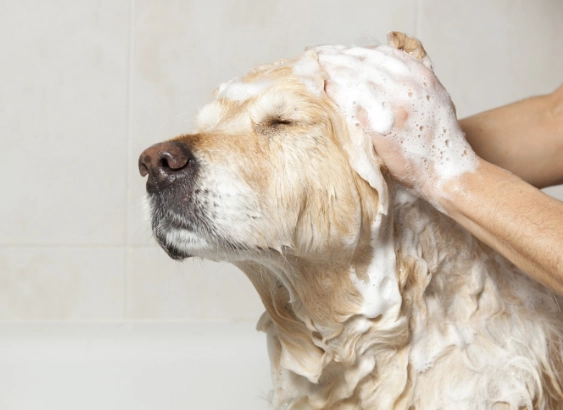
Warning: Never use a shampoo that contains tea tree oil on your dog. While tea tree oil has antifungal and antibacterial properties that can be beneficial for humans, it is toxic to dogs if ingested. Even small amounts can cause serious health issues, including liver failure and death. Always keep tea tree oil products out of reach of your pets.
In conclusion, choosing a safe dog shampoo is about more than just picking the first bottle you see on the shelf. It's about understanding your dog's individual needs, reading the ingredient list carefully, and consulting with your veterinarian if you have any concerns. By taking the time to research and select the right product, you can help keep your furry friend happy, healthy, and comfortable for years to come.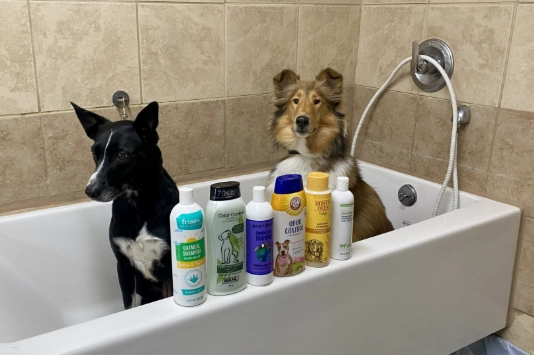


Leave a comment