Quick Guide
Let's be honest. You brought home that stunning bromeliad, all vibrant colors and architectural leaves, imagining a perfect corner of jungle in your living room. Then your cat, let's call him Loki, decided it was either a new salad bar or the most fascinating toy ever created. Suddenly, your quest for greenery is a daily battle. Sound familiar? You're not alone. Figuring out how to keep your cat away from bromeliads is a classic struggle for plant-loving pet parents.
I've been there. My own cat, a mischievous tabby, once turned a prized Aechmea fasciata into a shredded mess. It wasn't malice; it was just... cat-ness. The good news? It's a solvable problem. You don't have to choose between being a plant person and a cat person. With some understanding of the why behind the behavior and a toolbox of strategies, you can achieve a peaceful, leafy coexistence.
First things first: Are bromeliads even toxic to cats? This is the biggest worry, right? According to the ASPCA (American Society for the Prevention of Cruelty to Animals) Poison Control Center, bromeliads are generally listed as non-toxic to cats and dogs. That's a huge relief. It means if Loki takes a nibble, he's unlikely to face a serious medical emergency from poisoning.
But—and this is a big but—"non-toxic" doesn't mean "good for them." It just means it won't poison them. A cat munching on any plant can still lead to an upset stomach, vomiting, or diarrhea from the indigestible fibers. Plus, those stiff, serrated leaf edges can irritate their mouth, throat, or gut. And let's not forget about the plant itself! Constant chewing, batting, and digging will stress and eventually kill your bromeliad. So, finding a way to keep your cat away from bromeliads is about protecting your pet's digestive comfort and your plant's life.
Why Is Your Cat So Obsessed with Your Bromeliad?
You can't solve a problem until you know its root cause. Cats aren't just being jerks (usually). Their attraction to plants, especially dramatic ones like bromeliads, stems from deep instincts.
It's in their DNA. In the wild, cats consume grass and other vegetation to aid digestion, help regurgitate hairballs, or add roughage to their diet. Your houseplant might be triggering that same ancient urge. The texture of a bromeliad's leaves can be particularly appealing for this.
The ultimate toy. Think about it from a cat's perspective. A bromeliad is a tall, swaying object with long, tempting leaves. A gentle breeze or a walk-by can make it move. It's basically a built-in motion-activated toy. The central "vase" or cup can hold water, which glimmers and might be fun to paw at.
Boredom and curiosity. This is a big one for indoor cats. If their environment isn't sufficiently enriched, they'll make their own fun. Your expensive, carefully curated plant collection becomes their jungle gym and science experiment. "What happens if I bite this? Can I climb it? What's in this little pool?"
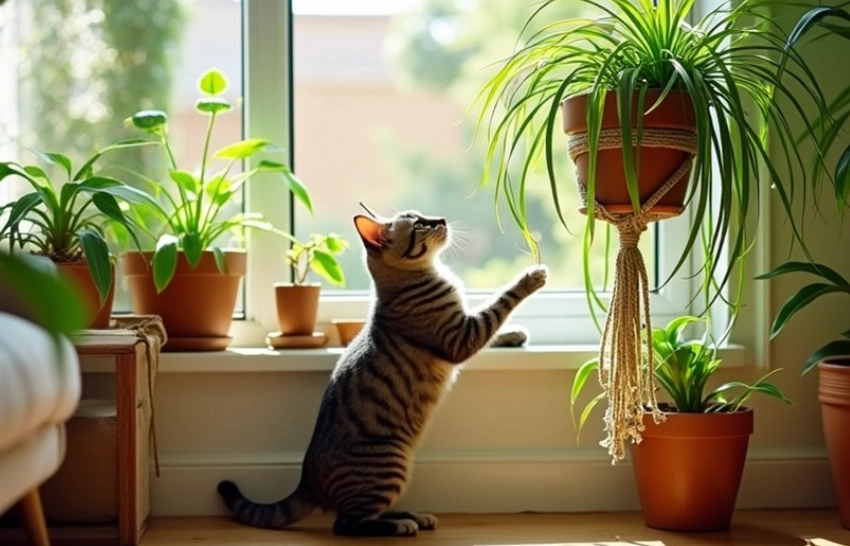
Your Action Plan: Strategies to Keep Cats and Bromeliads Separate
Now, the practical stuff. There's no one-size-fits-all magic bullet. Cats are individuals. What works for my lazy senior cat might be a mere challenge for your energetic kitten. The most effective approach is usually a combination of methods. I like to think of them in three categories: Physical Barriers, Sensory Deterrents, and Behavioral Redirection.
Physical Barriers: Out of Sight, Out of Mind (or Reach)
This is the most straightforward method. If the cat can't access the plant, the problem is solved. It's not always the most aesthetic solution, but it's often the most reliable, especially while you're working on other training.
- Elevate your plants. High shelves, hanging planters, or tall plant stands. This is my personal go-to. But be warned: cats are incredible jumpers and climbers. Make sure the shelf is truly inaccessible—away from furniture they can use as a launching pad. A wall-mounted shelf is perfect.
- Create a plant fortress. A dedicated plant room with a closed door is the dream, but not everyone has that luxury. A cheaper alternative is using clear mesh or netting around a plant shelf. It lets light in but keeps paws out.
- The foil and tape trick. Cats generally hate the feel and sound of aluminum foil and the sticky feel of double-sided tape. Placing sheets of foil or tape strips around the base of the plant can be a great short-term deterrent. It looks awful, but it works long enough to break the habit.
- Decorative cages or cloches. A large glass cloche or a decorative wire basket placed over smaller bromeliads can be both protective and stylish. It turns your plant into a displayed treasure.
Remember, the goal is to make accessing the bromeliad either impossible or highly unappealing. A big part of learning how to keep your cat away from bromeliads is simply rearranging your space.
Sensory Deterrents: Making the Plant Unattractive
This approach targets your cat's sensitive senses of smell and taste. The idea is to make the area around the bromeliad a place your cat wants to avoid.
Important Safety Note: Always apply deterrents to the pot, the soil surface (covered by pebbles), or the area around the plant—never directly on the leaves. Spraying anything on the leaves can block its pores (stomata) and harm the plant. Also, ensure any essential oils are heavily diluted and used sparingly, as they can be potent.
Scents cats dislike: Citrus is the classic. Most cats recoil from the smell of orange, lemon, or grapefruit. You can place citrus peels directly on the soil (under a layer of decorative rocks for a cleaner look). Other commonly disliked scents include menthol, eucalyptus, and lavender. A few drops of essential oil (diluted in water) on a cotton ball nearby can work. I've had mixed results with lavender—some cats don't mind it at all.
Taste deterrents: Commercial bitter apple or bitter lemon sprays are designed to be safe for plants and pets. A light spray on the outer pot or on the decorative rocks covering the soil can deter chewing. Test a small area first to ensure it doesn't stain.
Texture warfare: Cats dislike walking on certain textures. Covering the soil in the pot with a thick layer of large, smooth river rocks or pine cones makes digging impossible and unpleasant to walk on. It also looks nice and helps retain soil moisture—a win-win.
Be patient with these. You might need to experiment. And cats can become habituated, so switching up your deterrents every few weeks can help.
Behavioral Redirection: The Long-Term Solution
This is the most rewarding method because it addresses the root cause—your cat's need for appropriate outlets. It's about making your cat not want to bother the plant because they have better options.
Provide an alternative salad bar. This is crucial. If your cat is eating plants for digestive reasons or out of instinct, give them a safe, designated option. Grow a pot of cat grass (wheatgrass or oat grass) or catnip. Place it in an easy-to-access spot and encourage them to use it. When you see them eyeing the bromeliad, gently pick them up and place them by their own grass. Praise them when they use it.
Enrich their environment. A bored cat is a destructive cat. Increase playtime with interactive wand toys to simulate hunting. Provide puzzle feeders, cat trees by windows for bird-watching, and regular rotation of toys. A tired, mentally stimulated cat has less energy to plot against your bromeliads.
Positive reinforcement > punishment. Never yell or spray your cat with water for going near the plant. This creates fear and anxiety, and they'll often just do it when you're not looking. Instead, use positive reinforcement. When you see them ignoring the plant or using their scratching post/grass instead, offer a small treat, praise, or a pet. They start to associate good things with leaving the plants alone.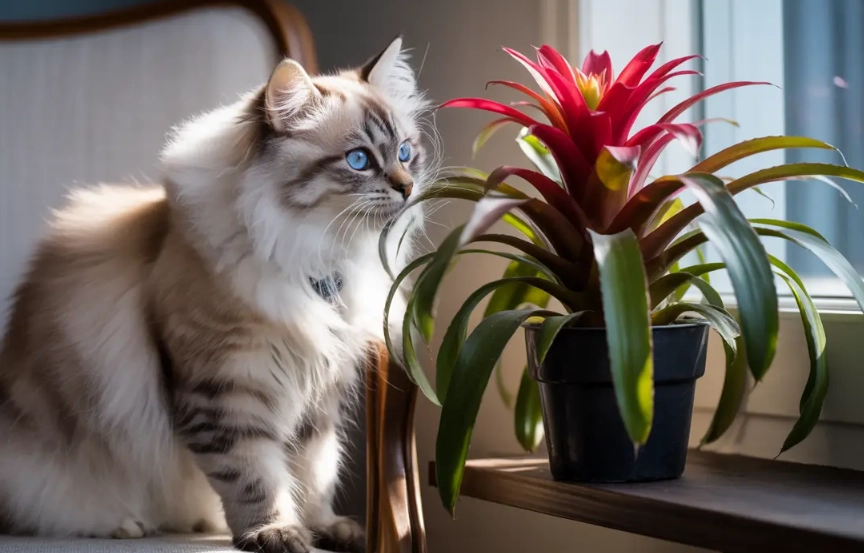
Comparing Your Options: A Quick Guide
It can be overwhelming. This table breaks down the main methods to help you choose what might work best for your specific situation.
| Method | How It Works | Best For | Effort Level |
|---|---|---|---|
| High Shelves/Hangers | Removes physical access completely. | Small to medium bromeliads; homes with vertical space. | Medium (requires installation) |
| Citrus Peels/Scents | Uses smell aversion to deter approach. | Cats sensitive to smells; as a supplemental deterrent. | Low (easy to apply) |
| Soil Cover (Rocks/Pine Cones) | Makes soil digging and standing unpleasant. | Cats who dig in pots or like to sit in them. | Low-Medium |
| Providing Cat Grass | Redirects plant-chewing instinct to a safe option. | Cats who chew for dietary/instinctual reasons. | Low (requires growing grass) |
| Increased Play & Enrichment | Reduces boredom-driven plant attacks. | All cats, especially young, energetic, or indoor-only ones. | High (requires daily commitment) |
Common Questions (And Straight Answers)
Let's tackle some of the specific things you might be searching for.
This is a key reason to figure out how to keep your cat away from bromeliads—to prevent these scares altogether.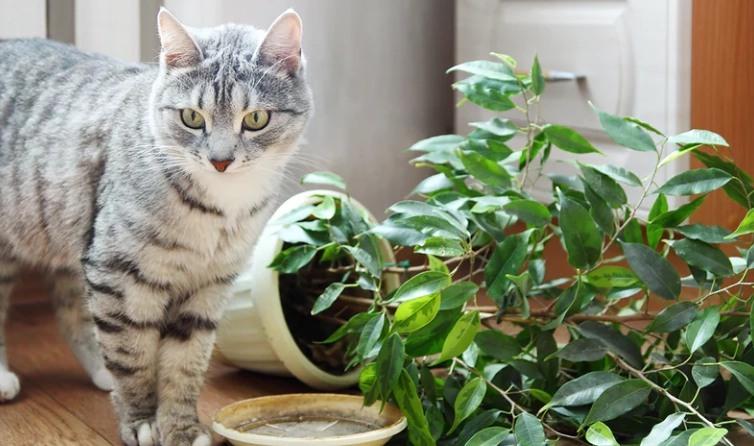
The Plant Itself: Can You Make It Less Interesting?
Sometimes, the issue is the specific plant or its placement. Bromeliads with longer, more flexible leaves (like some Guzmania or Vriesea) might be more tempting to bat than a stiffer, shorter Dyckia.
Consider the pot, too. A wide, shallow pot looks like a perfect litter box or lounging spot to a cat. Repotting into a taller, narrower pot can reduce its appeal as a bed. Also, ensure you're not overwatering—soggy soil is a magnet for cats who might want to dig.

Putting It All Together: A Sample Routine
Here’s what a successful strategy might look like in practice:
- Day 1: Relocate your bromeliad to a high, secure shelf. Cover the soil in all your other plants with chunky, smooth river rocks.
- Day 2: Set up a cat grass planter in a sunny spot your cat frequents. Initiate two 10-minute play sessions with a feather wand.
- Week 1: Observe. If your cat still stares longingly at the high shelf, place a few citrus peels on nearby surfaces. Continue daily play.
- Ongoing: Consistently redirect your cat to their grass or toys when they show plant interest. Praise them for using their cat tree or scratching post. Be patient—habits take time to break and form.
Finding the right answer for how can I keep my cat away from bromeliads is a process. It requires observation, a bit of trial and error, and a hefty dose of patience. But seeing your bromeliad bloom in peace while your cat naps contentedly nearby—that’s the ultimate reward. You can have your jungle and your feline too.
Start with one strategy that seems feasible for your life. Maybe it's just elevating the plant today. Maybe it's ordering some cat grass seeds. The most important step is the first one. Good luck!

Leave a comment