Your dog has diarrhea, and you're scrambling to figure out what to feed them. Skip the panic—start with a bland diet of boiled chicken and white rice, but hold the seasoning. I've dealt with this countless times with my own dogs, and the key is to act fast while knowing when to call the vet. Let's break down exactly what works, what doesn't, and why some common advice can backfire.
Quick Navigation: What You'll Find Here
Understanding Dog Diarrhea: Causes and Immediate Actions
Diarrhea isn't just messy—it's a sign something's off in your dog's gut. Causes range from dietary indiscretion (like scavenging garbage) to infections, parasites, or stress. According to the American Veterinary Medical Association, acute diarrhea often resolves with simple care, but chronic cases need vet attention.
Common Causes of Diarrhea
Think about what your dog ate recently. Common triggers include sudden food changes, fatty treats, or ingesting foreign objects. Less obvious ones? Stress from a new environment or underlying conditions like pancreatitis. I once had a client whose dog got diarrhea every time they traveled—turned out it was anxiety-related.
When to Call the Vet
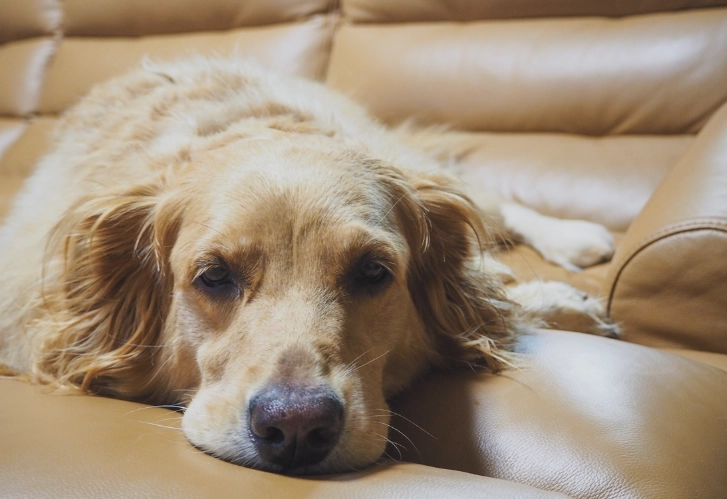
Don't wait if you see blood in the stool, lethargy, vomiting, or if your dog is a puppy or senior. Dehydration sets in quickly. A rule I follow: if diarrhea lasts more than 24 hours without improvement, or if your dog seems in pain, pick up the phone. Vets can rule out serious issues like parvovirus or blockages.
What to Feed a Dog with Diarrhea: The Bland Diet
The go-to solution is a bland diet—easy on the stomach, low in fat, and binding. But it's not just chicken and rice; variations matter based on your dog's needs.
Safe Foods List
Stick to these options in small portions:
- Boiled white meat chicken: Skinless, boneless, and plain. No oils or spices.
- White rice: Cooked until soft—it helps absorb excess water in the gut.
- Pumpkin puree: Canned, plain pumpkin (not pie filling) is a fiber powerhouse. I use about 1 tablespoon per 10 pounds of body weight.
- Boiled potatoes: Peeled and plain, for dogs who don't tolerate rice.
- Lean ground turkey: A good alternative if chicken causes allergies.
Foods to Avoid
Steer clear of dairy, fatty meats, spicy foods, and anything with artificial sweeteners like xylitol (toxic to dogs). Even some "healthy" treats can worsen diarrhea. I've seen owners give yogurt for probiotics, but if your dog is lactose intolerant, it'll backfire.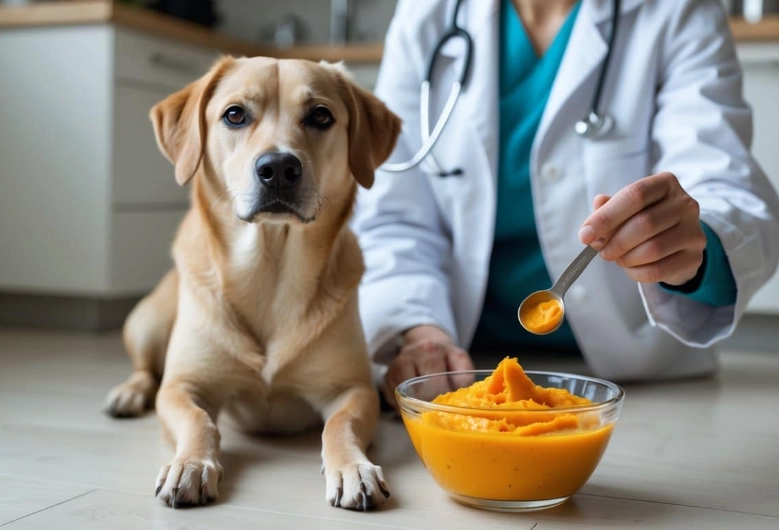
How to Prepare and Administer the Bland Diet
Here's a step-by-step plan. Let's say your dog is a 30-pound adult with mild diarrhea.
Step 1: Fast for 12-24 hours. Withhold food but offer small amounts of water or ice cubes. This gives the gut a rest. For puppies or small breeds, consult a vet before fasting—they can crash faster.
Step 2: Prepare the meal. Boil 1 cup of chicken breast and 1 cup of white rice separately. Mix in a ratio of 1:2 (chicken to rice). For a 30-pound dog, start with 1/4 cup total per meal.
Step 3: Feed small, frequent meals. Offer every 4-6 hours. Monitor stool consistency. If it firms up, continue for 24 hours before transitioning back.
| Dog Weight | Initial Meal Size (per feeding) | Frequency |
|---|---|---|
| 10 lbs (4.5 kg) | 2-3 tablespoons | Every 4 hours |
| 30 lbs (13.6 kg) | 1/4 cup | Every 6 hours |
| 60 lbs (27.2 kg) | 1/2 cup | Every 8 hours |
Adjust based on your dog's response. Some dogs need more, some less. The key is to observe closely.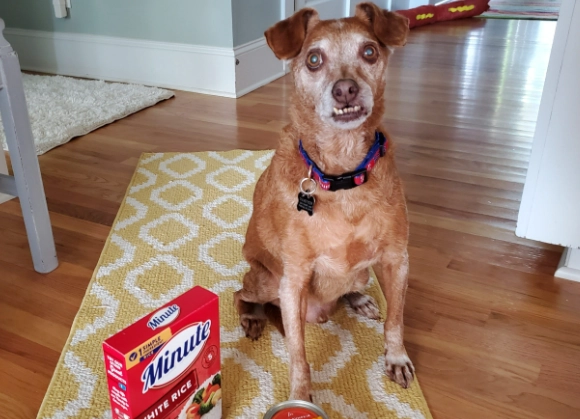
Transition back to regular food slowly over 2-3 days. Mix in 25% regular food with 75% bland diet, then 50/50, and so on. Rushing this can trigger a relapse.
Home Remedies and Supplements for Dog Diarrhea
Beyond food, some add-ons can help. But don't overdo it—more isn't always better.
Probiotics: The Game-Changer
Probiotics replenish good gut bacteria. Look for strains like Enterococcus faecium or Bifidobacterium. A study from the Journal of Veterinary Internal Medicine shows probiotics can reduce diarrhea duration in dogs. I use a powder form mixed into food, starting after the fasting period. Brands like Purina Pro Plan FortiFlora are vet-recommended.
Pumpkin and Other Natural Remedies
Pumpkin is my go-to for its soluble fiber. It bulks up stool and soothes the intestines. For a 20-pound dog, half a tablespoon twice a day works wonders. Other options? Slippery elm bark powder (consult a vet for dosage) or bone broth for hydration. Avoid charcoal supplements unless advised—they can interfere with medications.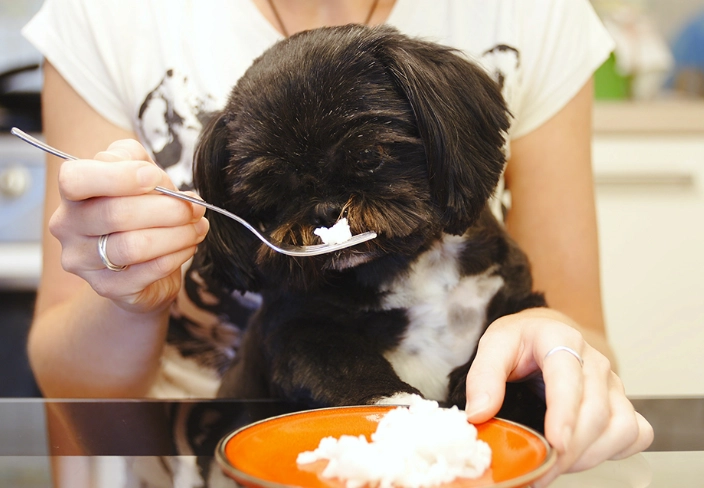
Case Study: Managing Diarrhea in a Senior Dog
Let me share a story about my 12-year-old Labrador, Max. He developed chronic diarrhea last year. The bland diet helped initially, but it kept recurring. We discovered he had mild kidney disease—diarrhea was a symptom. Our vet adjusted his diet to low-phosphorus foods and added probiotics specifically for seniors. The lesson? For older dogs, diarrhea might signal underlying health issues. Always get a check-up if it's persistent.
We used a combination of boiled sweet potatoes and turkey, plus a daily probiotic. Within a week, his stools normalized. But it took tweaking—rice made him constipated, so we switched to pumpkin. Every dog is different.
Frequently Asked Questions (FAQ)
Remember, while home care often suffices, don't hesitate to seek professional help. Your vet can provide tailored advice based on your dog's history. Keep a diarrhea journal—note what you fed, stool consistency, and behavior changes. It helps pinpoint triggers.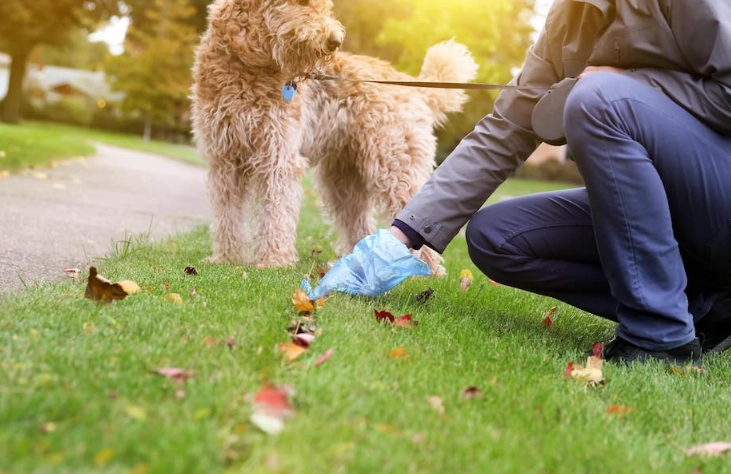


Leave a comment