Jump Straight to What You Need
Let's get straight to it. Finding the healthiest cat treats isn't about flashy packaging or clever marketing. It's about what goes into your cat's body. I've been a cat owner for over a decade, with two finicky felines named Milo and Luna, and I've wasted money on treats that were more filler than nutrition. In this guide, I'll share the hard-earned lessons so you can avoid my mistakes.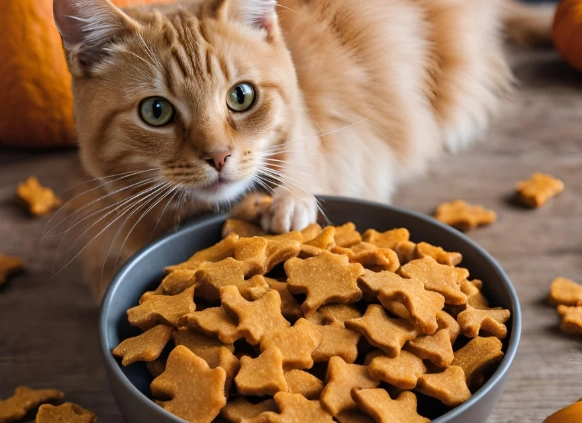
You might think all treats are created equal. They're not. The healthiest cat treats supplement your cat's diet with quality ingredients, not empty calories. And yes, it matters more than you think.
What Makes a Cat Treat Truly Healthy? Breaking Down the Ingredients
When we talk about "healthiest cat treats," we mean snacks that align with a cat's biological needs. Cats are obligate carnivores—their bodies thrive on animal protein. But protein alone isn't enough.
Protein Quality: Named Meats vs. Mystery Meat
Look for treats where the first ingredient is a specific animal protein, like "deboned chicken," "salmon," or "turkey." Avoid vague terms like "meat by-products" or "animal digest." By-products can include organs and bones, which aren't inherently bad, but they're often lower quality. I learned this the hard way when Luna developed digestive issues from a treat with unspecified "poultry by-products."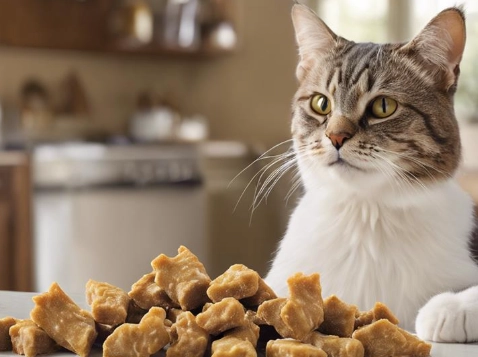
High protein content (ideally over 30%) is key, but also check the source. Freeze-dried or dehydrated meats often retain more nutrients than baked treats.
Fats and Omega-3s: The Good Fats
Healthy fats from fish oil or chicken fat provide energy and support skin and coat health. Omega-3 fatty acids, like EPA and DHA, are anti-inflammatory. Some treats add these intentionally, but many skip them. If your cat has dry skin, a treat with added omega-3s can help. I started giving Milo treats with salmon oil, and his fur became noticeably softer within weeks.
Carbohydrates: The Hidden Culprit
Cats don't need carbs from treats. Yet many brands pack in grains, potatoes, or peas as fillers. Excessive carbs can lead to weight gain and diabetes. Aim for treats with less than 10% carbohydrates. How do you know? Check the guaranteed analysis on the label—if it lists crude fiber and moisture, you can estimate carbs. Or look for brands that disclose carb content.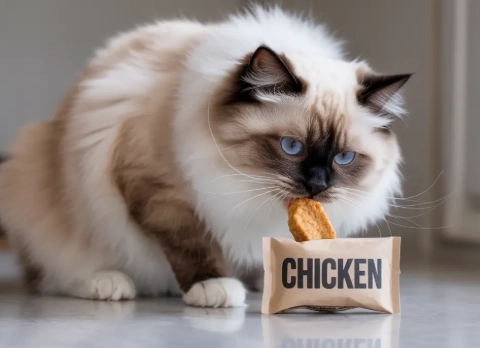
A study published in the Journal of Feline Medicine and Surgery notes that high-carb diets are linked to obesity in indoor cats. Treats should be low-carb.
Additives to Avoid: The Red Flag List
Artificial colors, flavors, and preservatives like BHA, BHT, or ethoxyquin have no place in healthy treats. They're linked to allergies and long-term health risks. Also, watch for sugar or corn syrup—yes, some treats add sugar to make them palatable. It's unnecessary and unhealthy.
Natural preservatives like mixed tocopherols (vitamin E) are safer. When in doubt, simpler ingredient lists are better.
How to Pick the Best Healthy Cat Treats: A Step-by-Step Guide
Don't just grab a bag off the shelf. Here's my practical process, refined over years of trial and error.
Step 1: Read the Ingredient Label Like a Detective
Flip the bag and scan the first five ingredients. If you see grains, fillers, or artificial stuff upfront, move on. Ingredients are listed by weight, so the first few matter most. Look for whole foods you recognize.
For example, a treat with "chicken, brown rice, chicken fat" is better than one with "corn, wheat gluten, meat by-products." But even brown rice is a carb—so for the healthiest options, prioritize meat-only treats.
Step 2: Check the Guaranteed Analysis
This shows protein, fat, fiber, and moisture percentages. Higher protein and lower fat (unless your cat needs energy) are good signs. Moisture content matters too: dry treats (less than 10% moisture) are convenient but can be dehydrating; semi-moist treats (around 25% moisture) might have more preservatives. I prefer dry treats for storage, but I always ensure my cats drink enough water.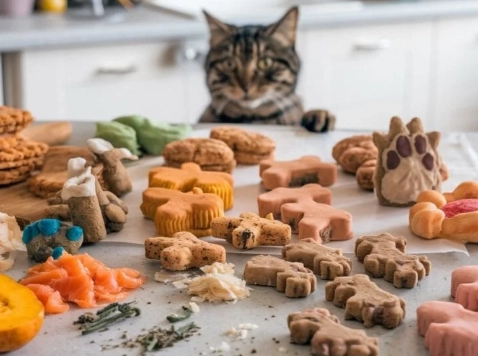
Step 3: Consider Your Cat's Specific Needs
Is your cat overweight? Opt for low-calorie treats (under 2 calories per piece). Allergies? Single-protein treats (like only duck or only rabbit) minimize reactions. Dental issues? Look for treats with a texture that helps scrape tartar, but verify effectiveness—the Veterinary Oral Health Council (VOHC) seals indicate proven dental benefits.
Senior cats might benefit from treats with added glucosamine for joints. Kittens need higher protein for growth. Tailor your choice.
Step 4: Look for Certifications and Trusted Brands
Certifications like USDA Organic or non-GMO project verified add assurance. Brands with transparent sourcing, like those that name the country of origin, often have higher quality. I trust brands that openly share their manufacturing processes, like PureBites or Orijen.
External resources like the American Association of Feed Control Officials (AAFCO) guidelines can help, but remember treats aren't complete diets—they're supplements.
My Top 5 Healthiest Cat Treat Recommendations Based on Real Use
After testing dozens of brands with Milo and Luna, here are my current favorites. I've included a mix for different needs and budgets.
| Brand & Product | Key Ingredients | Health Benefits | Price Range (approx.) | Where to Buy |
|---|---|---|---|---|
| PureBites Freeze-Dried Chicken Breast | 100% chicken breast | Single ingredient, high protein, no additives, grain-free | $10-$15 for 2.5 oz | Chewy, Amazon, pet stores |
| Greenies Feline Dental Treats | Wheat gluten, poultry meal, vitamins, minerals | VOHC accepted for tartar control, though contains grains; good for dental health | $8-$12 for 12 oz | Petco, Walmart, online retailers |
| Wellness Kittles Salmon Recipe | Salmon, potatoes, peas, flaxseed | Grain-free, limited ingredients, supports skin and coat, good for sensitive stomachs | $6-$10 for 2 oz | Chewy, Target, independent pet shops |
| Blue Buffalo Wilderness Trail Treats | Deboned chicken, chicken meal, potatoes, peas | High protein, no corn/wheat/soy, real meat first, grain-free option available | $5-$8 for 2 oz | PetSmart, Amazon, grocery stores |
| Orijen Freeze-Dried Cat Treats | Fresh poultry, fish, eggs, organs | Biologically appropriate, diverse protein sources, minimally processed, grain-free | $15-$20 for 1.8 oz | Specialty pet stores, online directly from Orijen |
Why these made the list? PureBites is my go-to for purity—it's just chicken, and both my cats devour it. Greenies work for dental care, but I limit them due to the grains. Wellness Kittles are perfect for Luna's sensitive stomach. Blue Buffalo offers good value, and Orijen is premium but worth it for the quality.
Prices vary by location and sales. I often stock up during online sales on Chewy or subscribe to save.
A Quick Note on Homemade Treats
You can make healthy treats at home, like baked chicken bits or dehydrated fish. It's cheaper and lets you control ingredients. But it's time-consuming, and commercial treats often have added nutrients. I do homemade as occasional treats—Milo loves small pieces of cooked, unseasoned turkey.
Common Mistakes Even Experienced Cat Owners Make (And How to Fix Them)
I've seen these errors repeatedly, and I've made some myself. Here's how to avoid them.
Mistake 1: Over-Treating and Ignoring Calories
It's easy to give too many treats, especially when your cat gives you that pleading look. But treats should be less than 10% of daily calories, as per the American Veterinary Medical Association (AVMA). For an average 10-pound cat, that's about 20-30 calories from treats per day.
I used to free-feed treats until my vet pointed out Milo was gaining weight. Now, I measure treats—usually 5-10 small pieces daily. Use a kitchen scale if needed.
Mistake 2: Falling for "Natural" or "Grain-Free" Labels Without Scrutiny
"Natural" is unregulated in pet food. A treat can be labeled natural but still contain questionable ingredients. Grain-free doesn't mean carb-free; it often uses starchy alternatives like potatoes or tapioca, which can still spike blood sugar.
Always read the full ingredient list. I once bought a grain-free treat that had pea protein as the main ingredient—high in carbs, low in actual meat.
Mistake 3: Not Considering Treat Size and Form
Small treats are better for portion control. Large treats can lead to overfeeding. Also, some cats prefer crunchy treats, others like soft ones. Experiment to see what your cat likes, but prioritize health over preference.
For dental health, crunchy treats can help, but they're not a substitute for brushing. I combine Greenies with occasional tooth brushing.
Your Questions Answered (FAQ)
Choosing the healthiest cat treats boils down to ingredient awareness and portion control. Start with high-protein, minimal-ingredient options, and always keep your cat's individual needs in mind. Your feline will thrive on quality snacks, and you'll have peace of mind knowing you're giving the best.
Remember, treats are a small part of the diet, but they add up. Make them count.

Leave a comment