Quick Guide to This Article
- Why Timing Matters: It's More Than Just Convenience
- The Detailed Breakdown: What to Expect at Different Ages
- Before You Even Buy a Harness: The Pre-Training Checklist
- The Step-by-Step Training Method (That Actually Works)
- Troubleshooting Common Problems (Because There Will Be Problems)
- Your Big Questions, Answered
- The Final Word: It's a Journey, Not a Destination
Let's be real for a second. The idea of walking a cat on a leash still gets some funny looks. But more and more of us are realizing it's a brilliant way to let our feline friends safely explore the great outdoors. The biggest question, the one that stops most people before they even start, is timing. When is the right time? What is the best age to leash train a cat?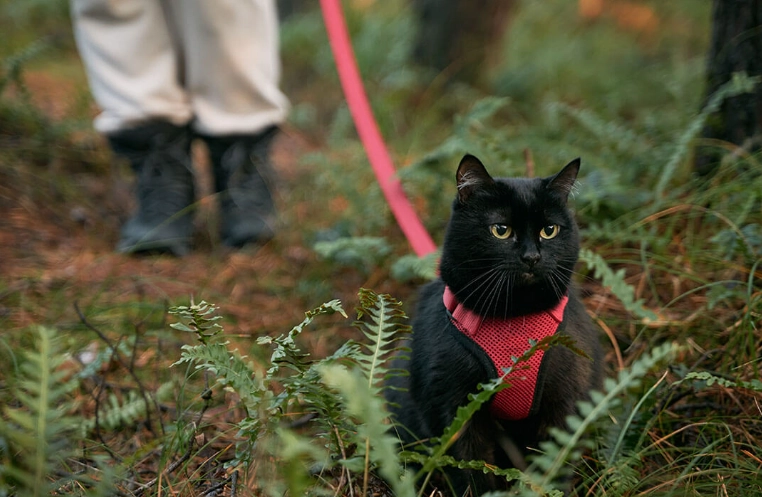
I've been through this process myself, with a kitten who took to it like a duck to water and an older rescue who thought I'd lost my mind. The experiences couldn't have been more different. So, I'm not here to give you a dry, textbook answer. I want to walk you through the real-world considerations, the stuff that actually matters when you're holding a tiny harness and wondering if your cat will ever forgive you.
The Short Answer (Because I know you want it): The absolute sweet spot, the ideal age to leash train a cat, is between 4 to 6 months old. At this age, kittens are naturally curious, adaptable, and still in a major learning phase. They haven't fully solidified all their fears yet. But—and this is a huge but—this is not a hard rule. It's just the easiest starting point.
See, the question of what age to leash train a cat isn't just about a number. It's about your individual cat's personality, history, and even your own patience level. An 8-year-old couch potato can learn, it just might look different than training a bouncy teenager. I made the mistake of rushing my older cat, and we had to take several steps back. It was a lesson in patience I won't forget.
Why Timing Matters: It's More Than Just Convenience
You might think, "Why not just start whenever?" Well, think about it like this. Trying to put a harness on a fully grown, set-in-their-ways cat who has never worn anything but a collar is like you suddenly being asked to wear a backpack strapped to your chest all day. You'd be annoyed, confused, and probably try to wriggle out of it immediately.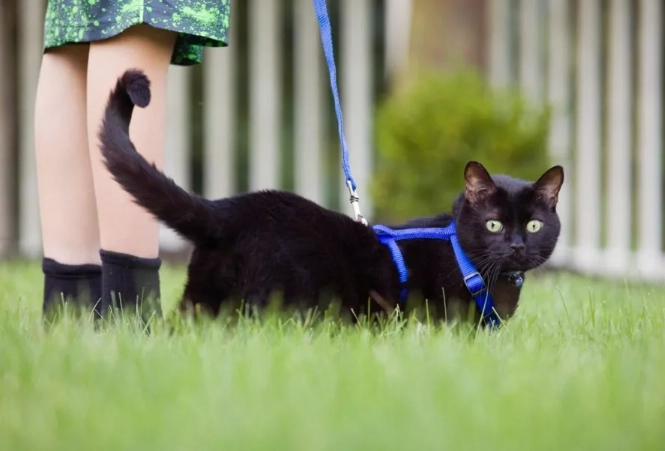
Starting at the right age for leash training a cat taps into their natural development.
- Curiosity Over Fear: Younger kittens are wired to explore. New experiences are adventures, not threats. An older cat's first instinct is often caution.
- Learning Flexibility: Their brains are more plastic. Accepting a harness as a normal part of life is easier before they decide that "normal" is strictly defined as eating, sleeping, and bird-watching from windowsills.
- Bonding Opportunity: Doing this training together during their formative months strengthens your connection. It becomes a shared activity, not a weird thing you're imposing on them later in life.
The Detailed Breakdown: What to Expect at Different Ages
Okay, let's get into the nitty-gritty. Here’s a realistic look at what leash training looks like across different life stages. I wish I had a chart like this when I started.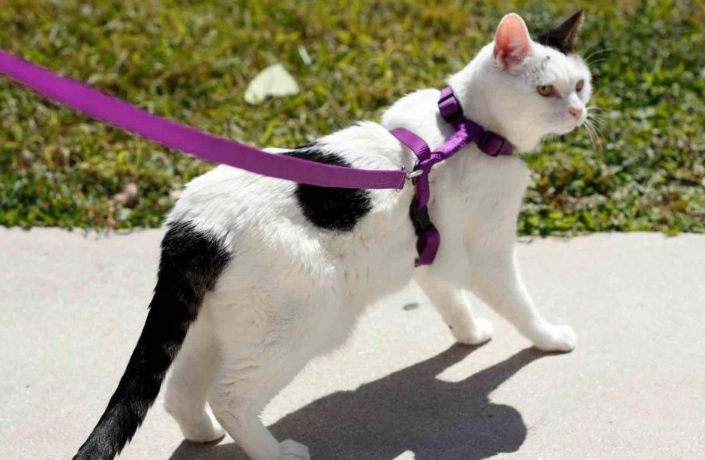
| Age Range | Pros for Leash Training | Cons & Challenges | Realistic Expectations & Tips |
|---|---|---|---|
| 2 - 4 Months (Very Young Kitten) | Extremely adaptable, fearless, sees harness as a toy, bonds quickly through training. | Attention span is tiny, physically very small (hard to find gear), needs lots of naps. | Focus on play. Let them bat at the harness. Keep sessions under 3 minutes. It's less about walking and more about positive association. Gear is tricky—look for kitten-specific or very small sizes. |
| 4 - 6 Months (Prime Kittenhood) | The ideal age to leash train a cat. High curiosity, good coordination, learns fast, more focused than younger kittens. | Can be easily distracted, might have bursts of "zoomies" that interrupt training. | This is your golden window. Introduce gear systematically. Short, daily, positive sessions. They can start making the connection between harness and outdoor exploration. This is the age my first cat mastered it. |
| 6 Months - 2 Years (Adolescent/Young Adult) | Full of energy, strong desire to explore, physically robust. | Can be stubborn, may have developed some fears or quirks, might test boundaries. | Patience is key. They might resist the initial harness more than a younger kitten. Use their high energy to your advantage—make going outside the ultimate reward. Be consistent. |
| 2 - 7 Years (Adult Cat) | Calmer demeanor, can be more focused during training sessions if motivated. | Deeply established habits and preferences. Higher likelihood of outright rejection if not done patiently. May startle more easily outdoors. | Go very slow. The "collar first, then harness" method is almost mandatory. Let them investigate the gear for days before trying it on. Success is highly personality-dependent. My rescue took 4 months just to tolerate the harness indoors. |
| 7+ Years (Senior Cat) | Often calmer, less likely to bolt, may enjoy gentle outdoor stimulation. | Potential arthritis or health issues, less tolerance for stress, lower energy. | Vet check is non-negotiable first. The goal is gentle enrichment, not hiking. A secure patio or quiet garden is perfect. Prioritize comfort and safety over "training." A retractable leash is a bad idea here. |
Looking at that table, it's pretty clear why everyone points to the 4-6 month range. The pros just massively outweigh the cons. But I also think the adult and senior cat columns are super important. They show it's possible, just different. The core question of what age to leash train a cat shifts from "when is it easiest" to "what's the best approach for my cat's current stage?"
My Personal Experience: With my kitten, Leo, started at 5 months. He was curious about everything. The harness was just another weird human thing. We were taking short backyard walks within three weeks. With my 4-year-old rescue, Mocha, it was a different story. She flopped over like a dramatic sack of potatoes the first time I put the harness on. It took months of treats and patience just to get her to walk across the living room with it on. The point? Age sets the baseline, but personality writes the script.
Before You Even Buy a Harness: The Pre-Training Checklist
Jumping straight to the harness is like trying to run before you can crawl. Here’s what you need to sort out first, regardless of your cat's age. Skipping these steps is the number one reason people fail.
1. The Non-Negotiable Vet Visit
This is especially critical for adult and senior cats. You need the all-clear. Outdoor exposure, even controlled, brings risks like parasites. Discuss your plans with your vet. They can also advise if your cat's temperament is suited for it. Some cats are just too anxious, and that's okay. For reliable, science-backed information on feline health and preventative care before outdoor adventures, the American Veterinary Medical Association (AVMA) is an essential resource. A quick check-up can save you a lot of trouble later.
2. Mastering Basic Indoor Cues
If your cat doesn't respond to their name or a "come here" cue inside your quiet living room, expecting them to do it outside with squirrels and birds around is fantasy. Work on a strong recall using high-value treats (think: pure meat treats, not dry kibble). This isn't just for convenience; it's a major safety net.
3. The Right Gear: It Makes or Breaks Everything
Bad gear will doom your project from the start. The most common mistake is using a collar. Never, ever attach a leash to a cat's collar. Their necks are not built for pressure; they can slip out or get hurt.
- Harness Type: A secure H-style or vest-style harness is best. It should fit snugly but allow two fingers underneath. The leash should attach on the back, not the neck.
- Leash Type: Start with a standard 4-6 foot lightweight leash. Avoid retractable leashes for training. They teach constant pressure on the harness and don't give you good control in a scary moment.
- Fit is Everything: Seriously, spend time on this. A harness that's too loose is an escape artist's dream. Too tight, and your cat will hate it forever.
The Step-by-Step Training Method (That Actually Works)
Here's the process, broken down into phases. The age you start leash training your cat will determine how long you spend in each phase. A kitten might breeze through Phase 1 in a day. An adult cat might need two weeks.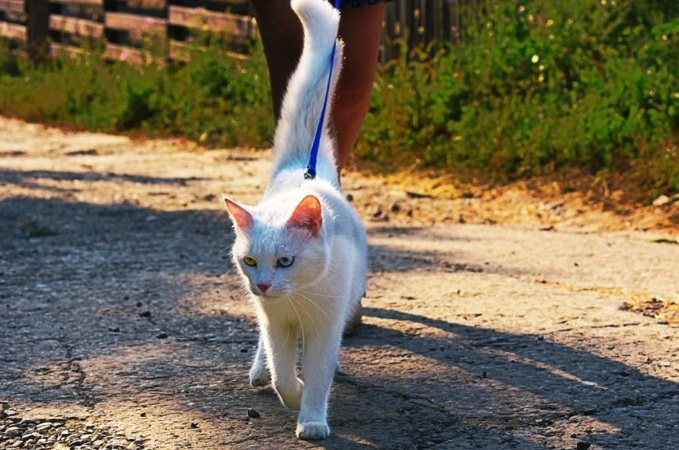
Phase 1: Making Friends with the Gear (Indoors)
Leave the harness and leash near their food bowl or favorite sleeping spot for a few days. Let them sniff it, rub on it, ignore it. The goal is for it to become boring background furniture. Then, start pairing it with amazing treats. Harness on the floor? Treat. Touch the harness? Treat. This is classical conditioning 101.
Phase 2: The First Wear (Seconds Count!)
Put the harness on loosely, without clipping it. Immediately give a treat and distract with play or food. Take it off after 10-30 seconds. Repeat multiple times a day, gradually increasing the time by seconds or minutes. If they freeze or flop over (the classic "harness paralysis"), just wait calmly, maybe offer a treat, and take it off. End on a positive note.
Phase 3: Moving Around & Adding the Leash
Once they move normally with the harness on, attach the leash indoors. Let them drag it around (supervised, so it doesn't get caught) to get used to the weight and sound. Then, pick up the end and follow them around. Don't guide them; you follow. This teaches them that leash pressure isn't a trap.
Phase 4: The Grand (Indoor) Adventure
Practice gentle guidance. Use treats to lure them a few steps toward you with light leash pressure. Practice near the door you'll use to go outside. This is also where you work on your emergency recall cue with the gear on.
Phase 5: The First Outdoor Foray - THIS IS CRITICAL
Do not just walk out the door. Carry your cat (if they allow it) in their harness and leash to a quiet, safe spot very close to home, like your doorstep or a quiet patio. Sit down. Let them observe from the safety of your lap or beside you. Let them decide if they want to step down. The first 5-10 trips outside should be just sitting. This builds confidence without overwhelm. It’s the single most important tip I can give you.
Phase 6: Short Explorations
When they seem curious and relaxed, let them lead a short exploration. Stay in a familiar, controlled area. Keep sessions short—5 minutes is plenty. Always end before they get scared or tired. You want them begging for more, not relieved to go back inside.
Troubleshooting Common Problems (Because There Will Be Problems)
It's never a smooth ride. Here’s how to handle the usual hiccups.
Problem: The Flop Over. Your cat puts on the harness and immediately becomes a boneless, immovable puddle.
Solution: This is normal, especially in older cats. Don't panic, don't fuss over them. Just wait silently. The moment they make even a tiny movement (a head lift, a paw shift), click (if you clicker train) or say "yes!" and give a treat. They learn that movement, not floppiness, earns rewards.
Problem: The Backward Shuffle. They try to walk backwards out of the harness.
Solution: This usually means the harness is too loose. Tighten it (two-finger rule!). If it's fitted correctly and they still try, distract them forward with a toy or treat the moment you put it on.
Problem: Freezing or Panicking Outdoors.
Solution: You moved too fast. Go back a phase. Carry them outside, sit, and just be present. If they panic, calmly pick them up and go inside. No scolding, just a calm retreat. Try again another day with a shorter, even quieter session.
Problem: They Only Want to Eat Grass/Leaves/Dirt.
Solution: Redirect with a toy. Have a specific "walking" cue ("Let's go!") and reward for following. Also, ensure they have cat grass or safe plants indoors to satisfy that urge. The ASPCA Animal Poison Control Center website is a vital bookmark for any cat owner to check plant safety—what's in your yard might be toxic.
Your Big Questions, Answered
The Final Word: It's a Journey, Not a Destination
So, what's the final answer to what age to leash train a cat? Aim for that 4-6 month window if you can. It's the path of least resistance. But if your cat is older, don't let that stop you. Just reframe your thinking.
This isn't about teaching a strict "heel" command. It's about building a safe, shared channel for exploration. It's about watching your cat experience the whisper of wind, the texture of grass, the scent of a flower up close—all while knowing they are safe by your side.
Some days will be fantastic. Some days your cat will look at the harness like it's an alien parasite and hide under the bed. That's normal. The key is to let your cat guide the speed, keep every interaction as positive as possible, and celebrate the tiny victories. The first time they take a confident step out the door on their own, you'll forget all about the weeks of patience it took to get there.
Just remember: the best age is when you're both ready to be patient and have fun with it.






Leave a comment