It happens in a flash. You turn your back for a second, and your dog is nosing around under the oak tree, chewing on something. You get closer and see it—the ragged remains of a wild mushroom. Your heart drops. Is it poisonous? What do you do now? This isn't a rare drama; it's a common panic for dog owners, especially in damp seasons. The relationship between toadstools (a common term for inedible, often poisonous mushrooms) and dogs is a silent, lurking threat that most owners are painfully unprepared for.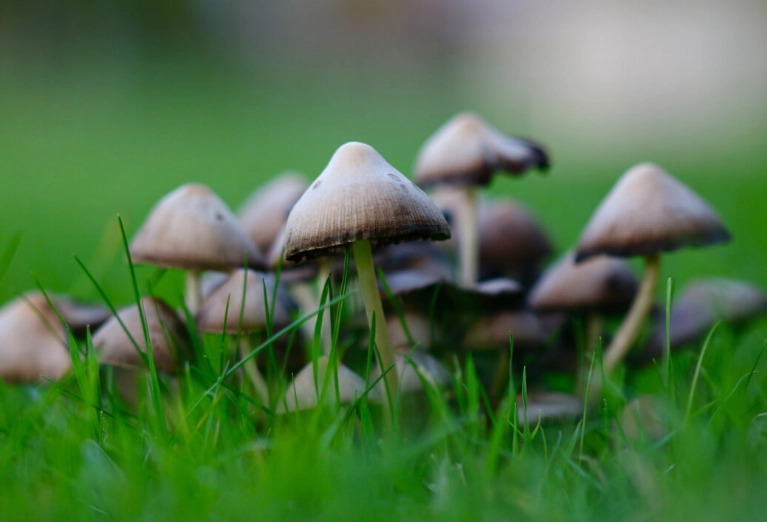
I've been a veterinary technician for over a decade, and I've seen the good, the bad, and the utterly heartbreaking outcomes of mushroom ingestion. The biggest mistake I see? Owners wasting precious minutes googling "is this mushroom poisonous?" while their dog's body starts shutting down. This guide cuts through the panic and gives you the actionable, expert-level knowledge you need—from identification to life-saving emergency action.
In This Article: Your Action Plan
Why a Simple Mushroom Can Be a Death Sentence for Dogs
Dogs are curious scavengers. A mushroom is just another interesting smell and texture. The problem is that toxic mushrooms contain compounds that attack specific organs with terrifying efficiency. There's no universal "mushroom poison." Different species contain different toxins:
- Amatoxins (found in Amanita species like the Death Cap): These are the worst. They destroy liver cells. The cruel part? Symptoms often don't appear for 6-12 hours, lulling you into a false sense of security while irreversible damage is done.
- Muscarine: Affects the nervous system, causing excessive salivation, tears, urination, and diarrhea within minutes to hours.
- Psilocybin ("magic mushrooms"): Causes neurological signs like disorientation, agitation, or seizures.
- Gastrointestinal irritants: Many common mushrooms just cause severe vomiting and diarrhea, which is dangerous due to dehydration.
The "golden hour" after ingestion is critical for many toxins. Waiting to see if symptoms develop is often a fatal decision. According to data from the ASPCA Animal Poison Control Center, mushroom calls are among the most time-sensitive they receive.
Non-Consensus Insight: Many online guides focus on color (e.g., "avoid red mushrooms"), which is dangerously misleading. The deadly Amanita phalloides (Death Cap) is often a plain, innocuous-looking white or greenish-brown. Relying on color alone could kill your dog. Identification is about the whole structure—gills, stem, volva, spore print.
The 5 Immediate Steps If Your Dog Ate a Mushroom (Stop Reading and Do This)
If you're reading this in an emergency, follow these steps in order. Don't skip ahead.
- Secure Your Dog and the Scene. Get your dog away from any remaining mushrooms. If possible, put them in a safe room or on a leash.
- Collect the Evidence. This is the most important step everyone forgets. Do not try to identify it yourself first. Use a glove or plastic bag to pick every piece of the mushroom you can find, including any pieces in your dog's mouth or vomit. Place them in a paper bag (plastic sweats and degrades specimens). If you can't pick it, take clear, close-up photos from multiple angles: top, bottom (showing gills), side (showing the full stem and base).
- Call for Expert Help IMMEDIATELY. Do not call your regular vet first if they're closed. Call an animal poison control center right now. In the US, the two main lines are:
- ASPCA Animal Poison Control: (888) 426-4435 (There is a consultation fee, but it's worth it).
- Pet Poison Helpline: (855) 764-7661.
- Follow Their Instructions to the Letter. They may tell you to induce vomiting only if the ingestion was very recent and the dog is asymptomatic. Never induce vomiting without their direct instruction—it can be dangerous with certain toxins or if the dog is already neurological.
- Go to the Veterinarian. The poison control center will give you a case number. Take your dog, the mushroom sample/photos, and that case number to your vet or the nearest emergency animal hospital. The toxicologist will have already called ahead with a treatment plan.
How to Identify Dangerous Mushrooms in Your Yard: A Practical Guide
Prevention starts with knowing what to look for. Forget folklore. You need to examine key features. Get down on your dog's level and look around.
Key Identification Features:
Cap: Shape, color, texture (slimy, dry, scaly).
Gills: The structures underneath the cap. Are they attached to the stem? What color?
Stem (Stipe): Is there a ring (annulus) around it? Is the base bulbous?
Volva: A cup-like sack at the very bottom of the stem. This is a major red flag for deadly Amanita species. You may have to dig gently in the soil to see it.
Spore Print: The definitive test. Place the cap gill-side down on white paper overnight. The color of the powder that drops can identify the genus.
Here’s a simple table to help you spot the high-risk characteristics. If you see these, treat the mushroom as highly dangerous.
| High-Risk Feature | What It Looks Like | Why It Matters |
|---|---|---|
| White Gills | Gills underneath the cap are pure white, not brown or pink. | Many deadly Amanitas have white gills. Safe button mushrooms from the store have pink/brown gills. |
| A Ring on the Stem (Annulus) | A skirt-like ring circling the stem, often near the top. | A common feature of toxic species, including the Death Cap and Destroying Angel. |
| A Volva (Basal Cup) | A cup or sack-like structure at the very bottom of the stem, often buried. | This is the single biggest indicator of an Amanita species, many of which are fatal. |
| Growing in a Cluster on Wood | Many mushrooms growing together on a log, stump, or tree base. | While not always toxic, it's a common growth habit for the poisonous Galerina marginata, which contains the same liver toxins as the Death Cap. |
5 Toxic Mushroom Species You Should Recognize
While there are thousands of species, these are the ones that cause the most pet poisonings in North America and Europe.
- The Death Cap (Amanita phalloides): The most deadly. Cap is often olive-green, yellow-green, or white. Has white gills, a ring on the stem, and a prominent white volva. Causes delayed liver failure.
- The Destroying Angel (Amanita bisporigera and others): Pure white all over. Has the ring and volva. Just as deadly as the Death Cap. Often grows near oak or pine.
- The False Morel (Gyromitra esculenta): Looks like a wrinkled, brown brain on a stalk (not the honeycomb look of a true morel). Contains a toxin that converts to monomethylhydrazine (a component of rocket fuel) in the body.
- The Jack-O'-Lantern (Omphalotus illudens): Bright orange, grows in big clusters on wood. Causes severe gastrointestinal upset. Often confused with edible chanterelles.
- The Autumn Galerina (Galerina marginata): Small, brown, and inconspicuous, growing on decaying wood. Contains amatoxins. This is the "stealth killer" because owners dismiss it as harmless.
Building a Mushroom-Safe Yard and Routine
You can't eliminate fungi from nature, but you can minimize the risk.
Yard Maintenance is Key: Mushrooms thrive in moist, decaying organic matter. Regularly rake and dispose of fallen leaves, grass clippings, and mulch piles. Improve drainage in soggy areas. Check your yard frequently, especially after rain or in the fall—peak mushroom season.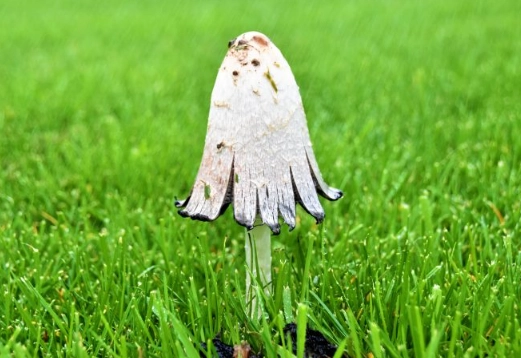
Train the "Leave It" Command: This is non-negotiable. A solid "leave it" command can stop your dog mid-sniff. Practice daily with high-value treats. Make ignoring things on the ground more rewarding than investigating them.
Supervise, Supervise, Supervise: Never let your dog roam unsupervised in a yard or on walks where mushrooms are likely. Mushrooms can pop up overnight. A quick morning patrol before letting your dog out is a good habit.
Consider Safe Removal: If you find mushrooms, put on gloves and carefully dig them up, including the entire base and surrounding soil, and dispose of them in a sealed trash bag. Don't just kick them over—the spores will still spread.
Your Urgent Questions, Answered
My dog ate a small piece of a mushroom from our lawn 2 hours ago and seems fine. Should I still be worried?
This is the most dangerous scenario. Yes, you should be extremely concerned. With toxins like amatoxins, the absence of symptoms for 6-12 hours is typical while the poison attacks the liver. By the time vomiting starts, the damage may be severe and irreversible. Don't wait. Collect a sample of the mushroom and call animal poison control immediately. The cost of the call is trivial compared to the cost—emotional and financial—of treating late-stage liver failure.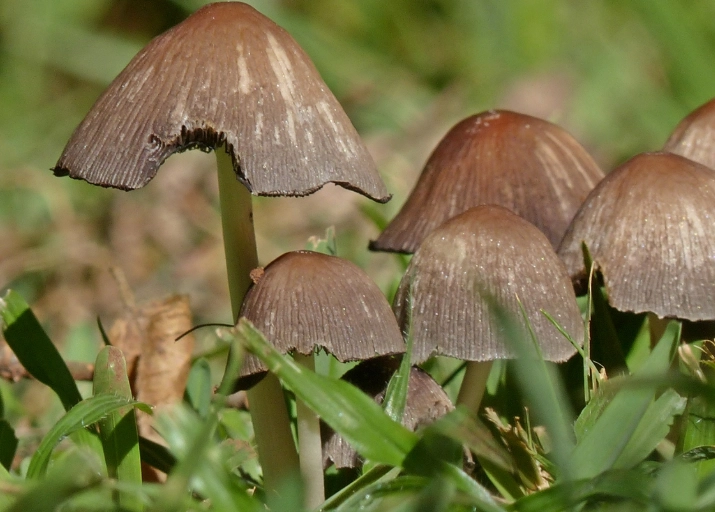
Are the white "puffball" mushrooms in my yard safe or dangerous?
True, young puffballs (solid and white all the way through when cut open) are generally considered non-toxic. However, the critical mistake is confusing a young, deadly Amanita button (which will have developing gills inside) for a puffball. You must slice every puffball vertically in half. If it's pure, uniform white like marshmallow or mozzarella, it's likely safe. If you see any outline of a cap, stem, or yellow/green coloring inside, it's a toxic mushroom egg and you need to treat it as an emergency.
Will my dog naturally avoid poisonous mushrooms because they taste bad?
This is a fatal myth. Dogs are not discerning gourmets. Many deadly mushrooms reportedly smell and taste pleasant. A dog will eat a toxic mushroom for the same reason they eat socks or rocks—curiosity and opportunity. Never rely on your dog's "judgment." They have none when it comes to toxins.
What will the vet do if my dog is poisoned by a mushroom?
The treatment depends entirely on the suspected toxin and how much time has passed. It may include: inducing vomiting (if safe), administering activated charcoal to bind any remaining toxin in the gut, intravenous fluids to support the kidneys and flush the system, and specific medications. For amatoxin poisoning (Death Cap), the treatment is aggressive and may involve a specialized drug called silibinin (Milk Thistle extract) and several days of intensive liver support. The prognosis hinges entirely on how quickly treatment begins.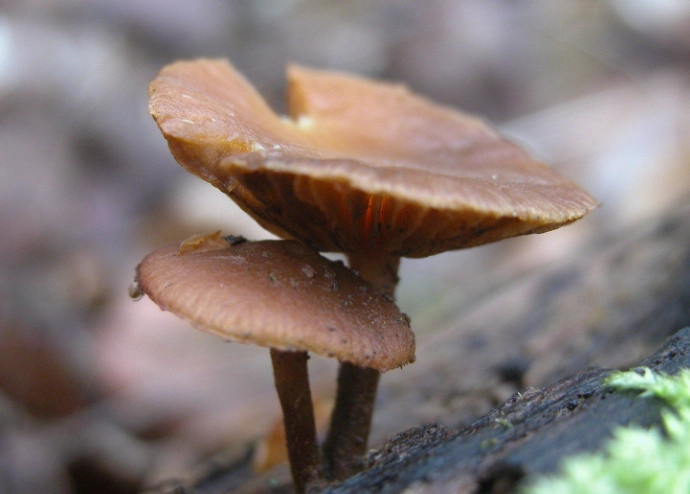
I live in an apartment and only walk my dog. How high is the risk?
The risk shifts but doesn't disappear. You now have to be vigilant on every walk, in every park, and around every tree base. Dogs are quick. I've seen cases from city parks and even from mushrooms growing in the mulch of apartment complex landscaping. The training aspect—"leave it" and close supervision on walks—becomes your primary defense. Always scan the path ahead.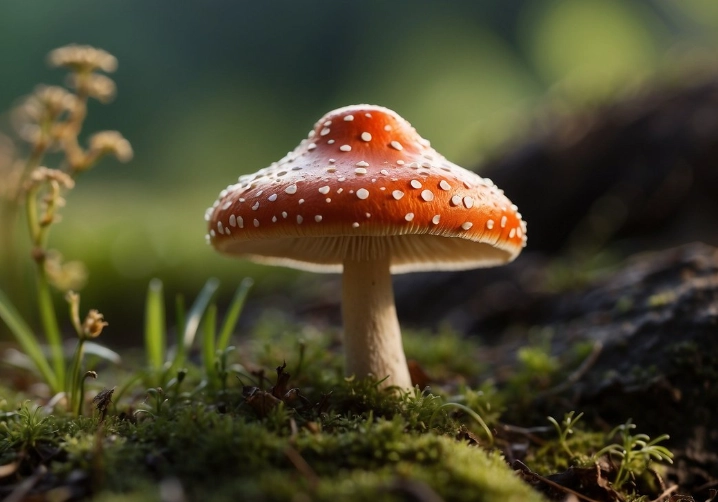

Leave a comment