It happens in a flash. One second your dog is sniffing a flower, the next they’re yelping and pawing at their face. An insect sting. For most dogs, it’s a painful but minor nuisance. For some, it can spiral into a life-threatening emergency within minutes. I’ve seen both ends of the spectrum—from the Lab who just wanted the swelling on his paw to stop itching, to the frantic rush to the emergency clinic with a dog in anaphylactic shock. Let's cut through the panic and get you the clear, actionable information you need.
What You'll Find in This Guide
How to Identify an Insect Sting on Your Dog
Dogs get stung most often on the face, paws, or inside the mouth (curiosity and a fast tongue have consequences). The signs range from obvious to subtle.
Local Reactions (The Most Common):
- Sudden pain and yelping, followed by licking or biting at one specific spot.
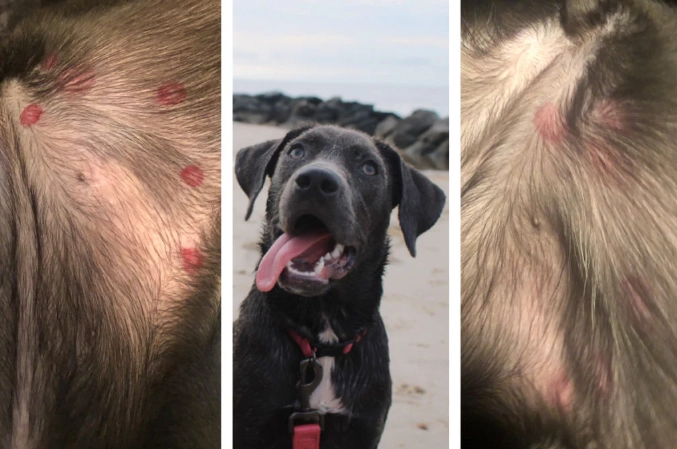
- A visible raised, red bump at the sting site. For bee stings, you might see a tiny black dot—the stinger.
- Mild to moderate swelling around the area. A sting on the paw can make the leg look puffy.
Moderate Allergic Reactions:
- More pronounced swelling that may spread. A sting on the muzzle can make the whole face look swollen.
- Hives (urticaria)—raised, itchy welts—appearing elsewhere on the body.
- Increased restlessness and discomfort.
Severe Systemic Reaction (Anaphylaxis) - EMERGENCY
This is the red-alert scenario. Symptoms can develop rapidly, often within 10-30 minutes. If you see any of these, go to an emergency vet immediately:
- Difficulty breathing, excessive panting, or wheezing.
- Pale or bluish gums.
- Sudden weakness, collapse, or loss of coordination.
- Severe vomiting or diarrhea.
- Swelling of the throat or neck, which may cause drooling or gagging.
Time is critical. Don't drive yourself if you're panicked; call someone or, in some areas, see if a veterinary telemedicine service can guide you while you're en route.
What to Do Immediately After a Sting
Stay calm. Your dog will feed off your energy. Here’s your step-by-step action plan.
Step 1: Safely Remove the Stinger (If It's a Bee)
Only honeybees leave a barbed stinger. Wasps, hornets, and yellowjackets do not. If you see that little black sac, scrape it out. Don't use tweezers. Pinching the venom sac can inject more venom. Use the edge of a credit card, your fingernail, or a blunt knife. A quick, firm scrape does the trick.
Step 2: Clean and Soothe the Area
Wash the spot with mild soap and cool water. Apply a cold compress—a bag of frozen peas wrapped in a thin towel works perfectly. Apply for 5-10 minutes at a time to reduce swelling and pain. Keep your dog from licking the area excessively; an Elizabethan collar (cone) might be necessary.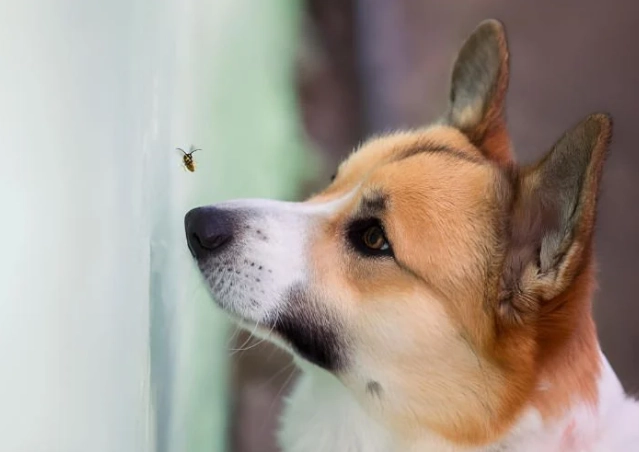
Step 3: Know Your Medication Options
This is where many owners get stuck. Consult your vet, but common recommendations include:
- Diphenhydramine (Benadryl): For mild reactions. The standard dose is 1 mg per pound of body weight, given 2-3 times daily. Use only the plain diphenhydramine formula—no added pain relievers or decongestants, which can be toxic to dogs. It helps with itching and mild swelling.
- Topical Therapies: A paste of baking soda and water can soothe a bee sting (alkaline venom). For wasp stings (acidic venom), a dilute vinegar solution might help. The evidence is anecdotal, but it's harmless.
- Veterinary Care: For moderate reactions, your vet may prescribe an anti-inflammatory like a corticosteroid. For severe reactions, epinephrine (adrenaline) is the lifesaving drug, followed by IV fluids and other support.
Pro Tip I Learned the Hard Way: If your vet has ever said your dog might be allergy-prone, ask about getting an emergency dose of diphenhydramine to keep in your dog's first-aid kit. Know the exact dose for your dog's current weight. In a panic, you don't want to be calculating milligrams.
Building a Sting Prevention Plan for Your Dog
Prevention isn't just about avoiding flowers. It's about managing environment and behavior.
Environmental Management:
- Inspect your yard: Regularly check for ground nests (yellowjackets often nest in old rodent burrows) and eaves for paper wasp nests. Hire a professional for removal.
- Manage food and trash: Keep outdoor eating areas clean. Secure trash cans with tight lids. Wasps are attracted to protein and sweets.
- Provide indoor water: During peak insect season, standing water outside (in bowls, bird baths) can attract bees and wasps. Offer fresh water inside.
Behavioral Training:
This is the most overlooked part. Train a solid “Leave it” command. Use it when you see your dog getting too interested in a buzzing insect. Reward heavily for disengagement. It's not foolproof, but it gives you a tool.
Protective Products (A Realistic Look):
| Product Type | How It Claims to Help | My Honest Take & Limitations |
|---|---|---|
| Insect Repellent Sprays/Wipes | Creates a scent barrier dogs dislike. | Look for pet-safe formulas with ingredients like geraniol or citronella. Avoid DEET, which is toxic to dogs. Reapplication is key, especially after swimming. It's a deterrent, not a force field. |
| Protective Vests | Physical barrier for the torso. | Great for working dogs in high-risk areas (like snake avoidance training). For the average pet, it might be overkill and some dogs hate wearing them. Useful for known high-risk outings. |
| Natural Remedies (e.g., Apple Cider Vinegar in food) | Alters skin pH or scent to repel bugs. | The science is shaky. It might help marginally for some dogs, but don't rely on it as your sole prevention if your dog has a known severe allergy. Consult your vet before adding supplements. |
Know Your Enemy: Bees, Wasps, and Other Culprits
Not all stings are equal. Understanding the attacker helps with first aid and risk assessment.
- Honeybees: Die after stinging (leaves stinger). Venom is alkaline. Generally non-aggressive unless hive is threatened.
- Bumblebees: Can sting repeatedly but are very docile. Rarely sting dogs.
- Yellowjackets, Wasps, Hornets: Can and will sting multiple times. Aggressive when provoked. Venom is acidic. Often attracted to food and are ground nesters, making them a major hazard for curious dogs.
- Fire Ants: Swarm and sting repeatedly. Cause painful, itchy pustules. Risk of secondary infection from scratching.
- Mosquitoes & Black Flies: Bites, not stings, but cause itchy reactions. The bigger concern is disease transmission (heartworm from mosquitoes, in particular).
The American Animal Hospital Association (AAHA) notes that while severe reactions are less common in dogs than humans, they do happen and require swift recognition. If you're ever unsure about a reaction, a call to your vet or the ASPCA Animal Poison Control Center (there may be a fee) can provide crucial guidance.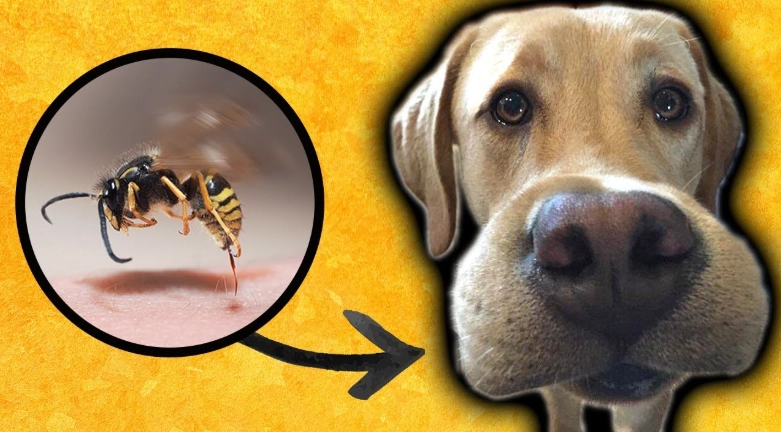
Your Top Sting Questions Answered
My dog ate a bee. What now?
Can I give my dog Benadryl for a bee sting?
How can I tell if my dog is having a severe allergic reaction to a sting?
Are some dogs more likely to have a bad reaction to insect stings?
Let's be honest—you can't bubble-wrap your dog. But you can be prepared. Know the signs of trouble, have a basic first-aid plan, and do what you can to minimize risks in your own backyard. Most stings are just a bad moment in an otherwise great day outside. Your job is to be ready for the rare time it's more than that.





Leave a comment