Quick Guide to This Article
Let's talk about fish oil. It's everywhere, hailed as a miracle supplement for humans and, increasingly, for our pets. I've been giving it to my own cat, Oliver, for years to help with his dry skin. It worked wonders. But then I got scared. I read a forum post where someone's cat got really sick, and the vet pointed the finger at too much fish oil. That got me digging. What really happens if a cat has too much fish oil? Is it just a bit of diarrhea, or something more sinister?
Turns out, it's a big deal. We often think "more is better," especially with natural supplements. But with fish oil, the line between beneficial and harmful is thinner than you'd think. This isn't about scaring you away from a good thing. Fish oil, packed with Omega-3 fatty acids (EPA and DHA), is fantastic for cats. It can reduce inflammation, support brain health, give them a gorgeous coat, and ease arthritis pain. The American Veterinary Medical Association (AVMA) doesn't give out guidelines lightly, but they recognize the role of omega-3s in managing certain inflammatory conditions in pets. You can read more about their stance on responsible pet care and supplementation on their official pet care resources page.
The problem starts when we, with the best intentions, pour a little extra into their food. Or maybe we don't realize the cat food is already fortified. Or we confuse fish oil with cod liver oil (a critical mistake). Suddenly, we're not asking about the benefits, but the dangers. What happens if a cat has too much fish oil? The answer isn't simple, because the effects can range from messy to medically serious.
The Not-So-Pretty Side Effects: What Overdose Looks Like
Okay, let's get into the nitty-gritty. If you give your cat more fish oil than their body can handle, it doesn't just get flushed out. It causes real, sometimes cascading, problems. Here’s a breakdown of what you might see, from the most common to the more severe.
The Digestive Rebellion
This is usually the first sign. A cat's digestive system isn't built for a sudden flood of fat. Too much fish oil can overwhelm their gut, leading to:
- Greasy, soft stools or outright diarrhea. This isn't just inconvenient; it can lead to dehydration and nutrient loss if it goes on.
- A fishy smell… everywhere. From their breath to their litter box, the odor can become overpowering.
- Flatulence. Yes, gassy cats are a possible, and pungent, side effect.
- Loss of appetite or nausea. A queasy cat might turn their nose up at food altogether.
I remember when I first started Oliver on fish oil, I was a bit overzealous. The next day, let's just say the litter box situation was a clear message. I scaled back immediately.
Weight Gain and Pancreatitis
Fish oil is pure fat, and fat is high in calories. A little extra squirt every day can silently pack on the pounds, especially for indoor cats. Obesity in cats is a gateway to diabetes, joint problems, and a shorter lifespan.
More dangerously, a sudden large dose of any fat can trigger pancreatitis—the inflammation of the pancreas. This is a painful and potentially life-threatening condition. Symptoms include severe lethargy, hunched posture, repeated vomiting, and a tender abdomen. If you see these signs, it's an immediate vet visit. No question.
Blood Thinning and Bleeding Risks
This one worries me the most. Omega-3s have a natural anti-clotting effect. In the right dose, this can improve circulation. In an overdose, it can interfere with your cat's ability to form clots. This is a major concern if your cat:
- Is scheduled for surgery (including dental cleanings).
- Has an existing bleeding disorder.
- Is on other medications like aspirin or certain anti-inflammatories that also thin blood.
- Gets into a scrap or has an accident.
Signs of a bleeding problem might be subtle: bruising easily on their skin or gums, nosebleeds, or blood in their stool or urine. In severe cases, internal bleeding can occur. The Merck Veterinary Manual, a trusted professional resource, discusses the anticoagulant properties of omega-3 fatty acids and their clinical implications, which you can explore for deeper medical context on their website.
So, what happens if a cat has too much fish oil in terms of blood? You're potentially looking at a dangerous situation where a minor injury becomes a major problem.
Vitamin A and D Toxicity (The Cod Liver Oil Trap)
This is crucial. Fish oil is NOT the same as cod liver oil. Cod liver oil comes from the liver of the fish, which is a storage organ for vitamins A and D. These vitamins are fat-soluble, meaning they build up in your cat's body and can become toxic at high levels.
Giving your cat cod liver oil thinking it's the same as regular fish oil is a fast track to hypervitaminosis. Symptoms of Vitamin A toxicity include bone deformities, lethargy, and weight loss. Vitamin D toxicity can cause excessive thirst, frequent urination, vomiting, and even kidney failure. Always, always check the label.
Other Potential Issues
The list goes on. Some cats might develop skin issues like a greasy coat or acne (yes, cat chin acne is a thing) from the excess oil. There's also the risk of oxidative damage. Fish oil is highly susceptible to going rancid, especially if it's not stored properly. Rancid oil introduces free radicals into your cat's system, which can cause cellular damage over time. If the oil smells strongly fishy or foul, toss it.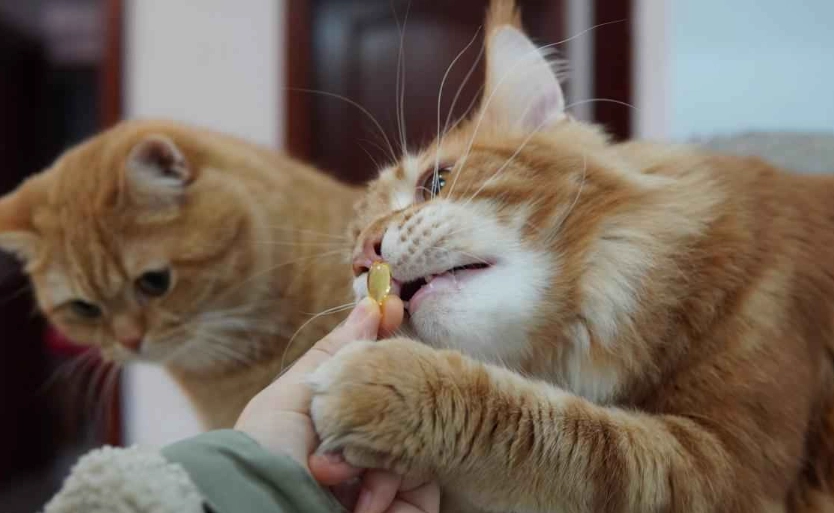
How Much is Too Much? The Safe Dosing Puzzle
This is the million-dollar question, and the answer is: it depends. There's no universal one-size-fits-all dose. It depends on your cat's weight, health status, the concentration of the fish oil, and the reason you're giving it.
Most veterinarians base recommendations on the combined amount of EPA and DHA, the active Omega-3s. General maintenance doses are much lower than therapeutic doses for conditions like arthritis or kidney disease.
Here’s a general guideline table. Please use this as a starting point for a conversation with your vet, not as a final prescription.
| Cat Weight | General Wellness Dose (Total EPA+DHA per day) | Notes & Cautions |
|---|---|---|
| Small (5-8 lbs / 2.3-3.6 kg) | 150 - 300 mg | Start at the very low end. A little goes a long way for a small cat. |
| Medium (9-12 lbs / 4-5.4 kg) | 300 - 500 mg | The most common "safe zone" for an average indoor cat. |
| Large (13+ lbs / 5.9+ kg) | 500 - 800 mg | Even large cats rarely need over 1000mg for basic health. |
See how small those numbers are? Now, go check your fish oil bottle. You'll likely need to do some math. If your bottle says "1000mg of fish oil per capsule," that's not 1000mg of EPA/DHA. The label should list the amounts of EPA and DHA separately. You might find a 1000mg capsule only contains 300mg of combined EPA and DHA. That's the number you care about.
What happens if a cat has too much fish oil? Often, it starts with us not doing this simple math. We think "one capsule" and don't realize the potency.
Choosing the Right Fish Oil: Not All Oils Are Created Equal
If you're going to supplement, do it with a quality product. The junk on the shelf can do more harm than good. Here’s what I look for now, after my own trial and error.
- Source: Look for oils from small, cold-water fish like sardines, anchovies, or mackerel. These are lower on the food chain, so they accumulate fewer heavy metals like mercury.
- Form: Liquid is usually easier to dose accurately for cats than capsules. You can use a small syringe.
- Processing: "Molecularly distilled" is a key phrase. This process removes impurities and contaminants. Don't settle for less.
- Freshness: It should smell mild, not overwhelmingly fishy or rancid. Buy from companies with high turnover and check expiration dates. Some brands add vitamin E (a natural preservative) to maintain freshness.
- Third-Party Testing: The gold standard. Brands that have their batches tested by independent labs (like IFOS, the International Fish Oil Standards program) and publish the results prove their purity and potency. The National Animal Supplement Council (NASC) also sets quality standards for pet supplements; looking for their seal is a good step.
Honestly, some of the big-box store brands are terrible. They're often oxidized before they even hit the shelf. I'd rather spend a bit more on a vet-recommended brand or a high-quality human-grade one that's been third-party tested. It's cheaper than a vet bill for pancreatitis.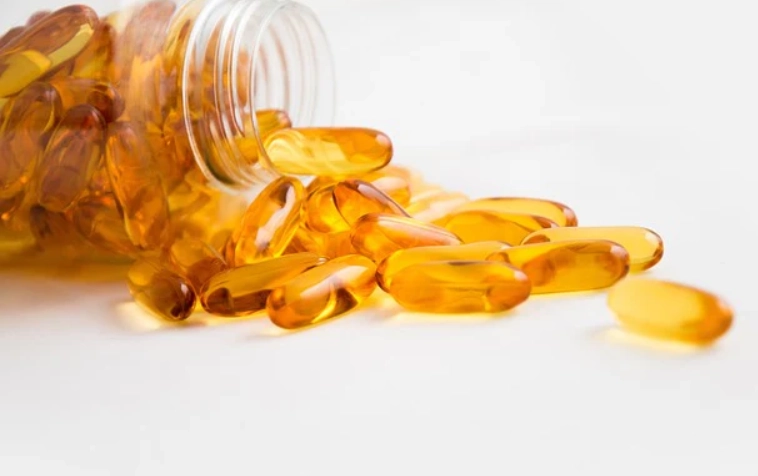
What to Do If You Think Your Cat Has Had Too Much
Panic doesn't help. Action does. Here's a step-by-step approach.
- Stop the Supplement Immediately. Don't give another dose. This is the first and most important step.
- Assess the Symptoms. Is it just mild diarrhea or a bit of lethargy? Or are you seeing vomiting, severe weakness, or signs of bleeding? Write down what you see and when it started.
- Call Your Vet. Don't wait. Explain the situation clearly: what you gave (bring the bottle), how much, for how long, and what symptoms you're seeing. They will tell you if it's a "monitor at home" situation or an "come in now" emergency.
- Follow Veterinary Instructions. They may recommend a bland diet for a few days, monitoring hydration, or bringing your cat in for blood work to check organ function and clotting ability.
The goal is to let your cat's body metabolize and eliminate the excess. In most cases of mild overdose, stopping the supplement leads to a full recovery within a few days. But let the vet make that call.
Your Burning Questions, Answered (FAQ)
I had a ton of questions when I was researching, and I get asked these all the time. Let's tackle some common ones.
Can fish oil kill a cat?
While a single, massive overdose could potentially lead to fatal complications like uncontrollable bleeding or severe pancreatitis, it's very rare. The greater risk is the slow, cumulative damage from a consistent, moderately high dose—organ strain, vitamin toxicity (from cod liver oil), or complications from obesity. So while acute death is unlikely, chronic overdose can certainly shorten a cat's life and quality of life.
How quickly would symptoms appear?
It varies. Digestive upset (diarrhea, gas) can appear within hours of a large dose. Weight gain happens over weeks or months. Bleeding disorders or vitamin toxicity develop from chronic over-supplementation, over a period of weeks. Pancreatitis can be triggered by a single fatty meal or overdose and show up within 24-48 hours.
My cat's food already has fish oil. Can I still supplement?
You need to check. Many high-quality commercial cat foods, especially those marketed for skin/coat or joint health, already have added omega-3s. Look at the guaranteed analysis. If it lists fish oil, salmon oil, or specific amounts of EPA/DHA, you might not need to add anything. Adding a full supplement dose on top of a fortified diet is a classic way to cause an overdose. When in doubt, ask your vet to help you calculate the total intake.
Are there any cats who should NEVER have fish oil?
Yes. Cats with known bleeding disorders, those on anticoagulant medication (like clopidogrel), or cats with a history of pancreatitis should only have fish oil under strict veterinary supervision, if at all. It's also wise to stop supplementation at least 1-2 weeks before any scheduled surgery to reduce bleeding risks.
What's the safest way to start my cat on fish oil?
Talk to your vet first. Get their recommendation on brand and dose for your specific cat. Buy a high-quality, molecularly distilled product. Start with HALF the recommended dose for 7-10 days. Mix it thoroughly into a very small amount of super-smelly, wet food (like mackerel or tuna juice) to ensure they eat the whole dose. Watch their stool, energy, and appetite like a hawk for the first two weeks. Then, you can gradually increase to the full dose if all is well.
Look, I'm not a vet. I'm just a cat owner who dove deep into this topic out of love and worry for my own furball. The bottom line is this: fish oil can be a wonderful tool in your cat's wellness kit. But it's a powerful tool, not a harmless treat. Respect it.
What happens if a cat has too much fish oil? You risk turning a health booster into a health crisis. The key is precision, patience, and partnership with your veterinarian. Don't guess. Measure. Don't assume. Read the label. And always, always err on the side of less. Your cat's sleek coat and playful spirit are worth that extra bit of caution.



Leave a comment