You bring home a beautiful new plant, and within hours, your cat is treating it like a personal salad bar. Sound familiar? If you're searching for what plants are not toxic to cats, you're in the right place. I've been a houseplant enthusiast and cat owner for over a decade, and I've learned the hard way that creating a green space that's safe for your feline isn't just about picking a "safe" list from the internet. It's about understanding your cat's behavior, the plant's needs, and the hidden pitfalls most guides don't mention. Let's clear the air: many popular plants like lilies, sago palms, and pothos are dangerously toxic. But a huge variety of stunning, easy-care plants are perfectly safe. This guide goes beyond the basic list to help you build a thriving, cat-friendly home.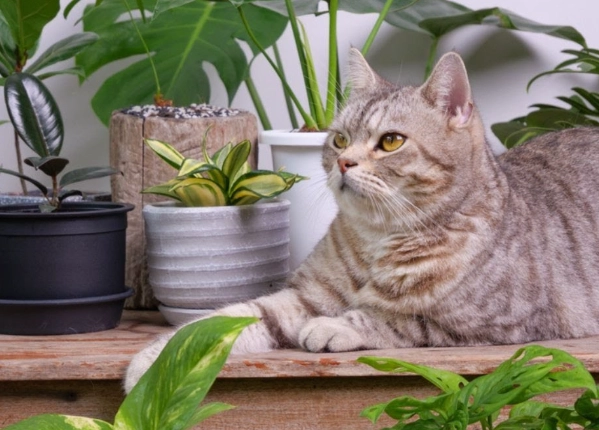
What You'll Find in This Guide
Why Getting This Right Matters More Than You Think
It's not just about an upset stomach. The American Society for the Prevention of Cruelty to Animals (ASPCA) runs a poison control center that handles thousands of cases yearly. Some plants cause kidney failure (lilies), severe liver damage (sago palm), or painful oral irritation (dieffenbachia). The cost isn't just emotional; emergency vet visits are expensive. But here's the nuance everyone misses: "non-toxic" doesn't always mean "no consequences." A cat that gorges on any plant, even a safe one like spider plant, might vomit simply from the physical irritation or fiber overload. Your goal isn't just non-toxic, it's harmonious coexistence.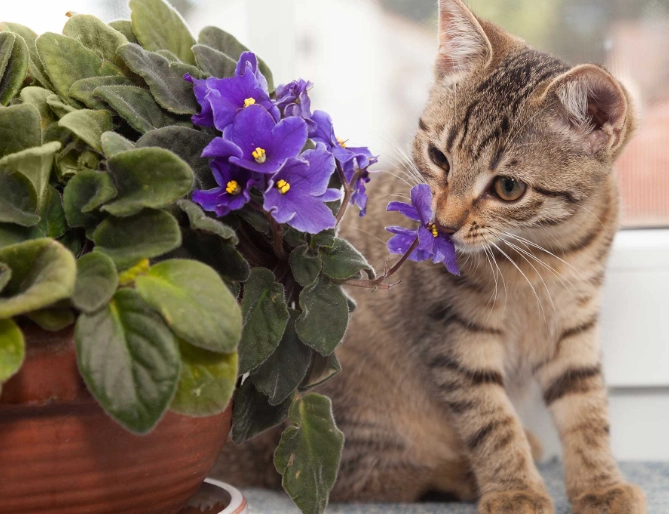
How to Choose Cat-Safe Plants (Beyond the List)
Picking a plant because it's on a safe list is step one. Step two is matching it to your home and your cat's personality. Is your cat a relentless chewer, a digger, or a clumsy climber? I have one cat who ignores plants and another who sees them as a challenge. You need a strategy.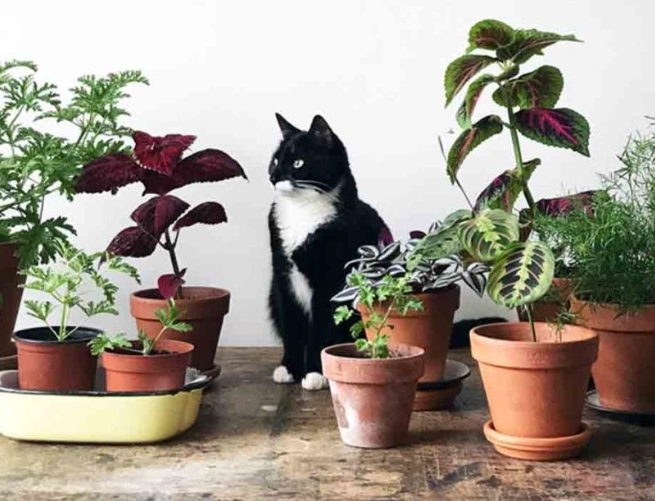
First, assess your light. A plant that struggles in low light will drop leaves, creating a tempting mess for your cat. Second, think about texture. Some cats are deterred by fuzzy leaves (like African Violets or Purple Passion Vine). Others might find them intriguing. Third, consider placement. A tall, sturdy plant stand can be a great deterrent for some cats, but for agile jumpers, it's just a platform.
The biggest mistake I see? People forget about the soil and fertilizers. Organic, pet-safe potting mix is a must. More critically, avoid systemic pesticides or fertilizers. These are absorbed by the plant and can be harmful if ingested. Always ask at the nursery or check the label.
The Most Common Cat-Safe Houseplants
Here's a practical list of winners. These are plants I've personally kept with cats, or that are widely recognized as safe by authorities like the ASPCA. I've included their care needs and a little insider tip for each.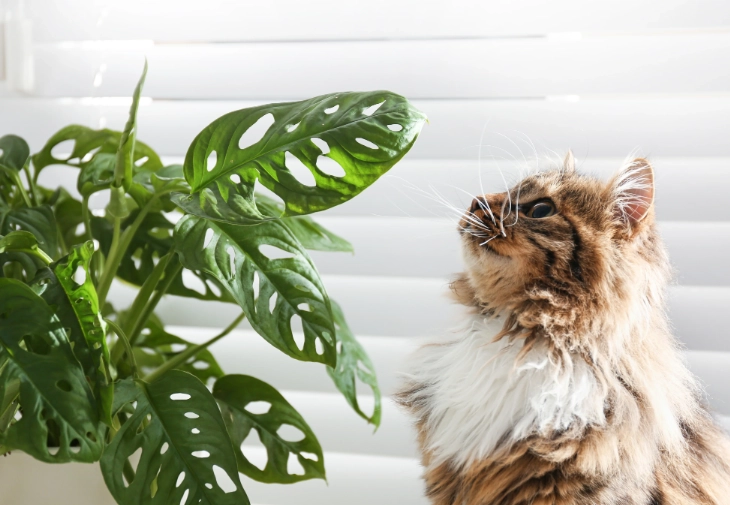
| Common Name | Scientific Name | Light & Water Needs | Why It's a Good Pick & A Pro Tip |
|---|---|---|---|
| Spider Plant | Chlorophytum comosum | Bright indirect light. Let soil dry between waterings. | Nearly indestructible and produces "pups" you can share. Watch out: Some cats are attracted to its grassy leaves and it has mild hallucinogenic properties for cats—usually harmless but can lead to obsessive chewing. |
| Boston Fern | Nephrolepis exaltata | Medium to bright indirect light. Keep soil consistently moist and humidity high. | Lush and non-toxic. It's a great hanging basket candidate, keeping it out of reach. Mist it regularly, especially in dry homes. |
| Areca Palm | Dypsis lutescens | Bright indirect light. Water when top inch of soil is dry. | Adds a tropical feel. It's pet-safe and a decent air purifier. Prone to spider mites, so wipe leaves occasionally. |
| African Violet | Saintpaulia spp. | Medium indirect light. Water from the bottom to avoid crown rot. | Compact, flowering, and safe. The fuzzy leaves often deter cats. Perfect for a sunny windowsill. |
| Haworthia & Other Safe Succulents | Haworthia, Echeveria, Sedum | Bright light. Water deeply but infrequently. | Most true succulents (excluding Euphorbias like Poinsettia) are safe. Haworthias are particularly tough. They're slow-growing and less tempting as a salad. |
| Peperomia | Peperomia spp. | Medium to bright indirect light. Let soil dry out well. | Huge variety of leaf shapes and colors (Watermelon, Ripple). They're compact, easy-care, and completely safe. |
| Catnip & Cat Grass | Nepeta cataria & Hordeum vulgare | Direct sun for catnip. Bright light for grass. Keep soil moist. | The ultimate distraction. Grow these in a dedicated pot to give your cat an approved outlet for chewing. Cat grass is often wheat or oat grass. |
That table gives you a solid starting lineup. But let's talk about two categories people often ask about.
Flowering Plants That Are Safe
Want color? Orchids (Phalaenopsis), Gloxinia, and the Christmas Cactus (Schlumbergera) are all non-toxic. I've had a Phalaenopsis orchid on a high shelf for years—my cats ignore it completely. Just be sure to keep fallen flowers picked up.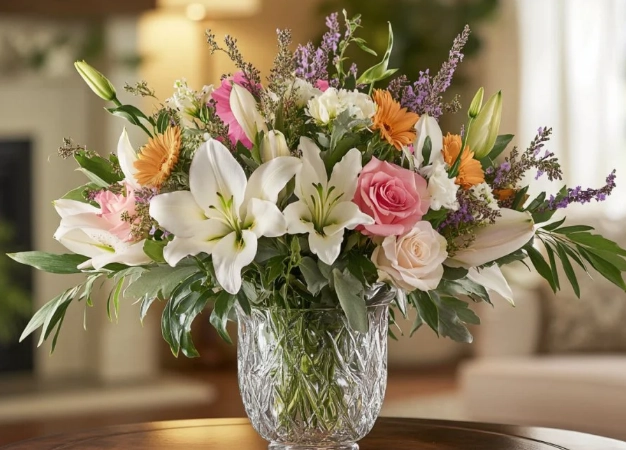
The Herbs You Can Grow
An indoor herb garden can be safe and useful. Catnip is the obvious one, but also consider basil, thyme, cilantro, and dill. My cat sniffs the basil but leaves it alone. Rosemary and lavender are also safe, though their strong scent is usually a deterrent.
Expert Tips for a Cat-Friendly Green Oasis
Knowing what plants are not toxic to cats is half the battle. The other half is keeping both plant and cat happy. Here's what I've learned through trial and error.
- Provide a Better Alternative: This is the golden rule. Have a pot of cat grass or catnip always available. When you see your cat eyeing your fern, redirect them to their own plant. It works.
- Make Plants Less Appealing: A light spritz of a bitter apple spray on the lower leaves (test on a small area first) can deter chewers. You can also place citrus peels or aluminum foil around the base of the plant temporarily—most cats dislike both.
- Strategic Placement is Everything: Use hanging planters, tall shelves, or wall-mounted planters. Create a "plant shelfie" that's out of leaping range. For floor plants, a dense, prickly (but safe) plant like a Ponytail Palm at the base can block access.
- Secure the Soil: If your cat is a digger, cover the soil in your pots with a layer of large, smooth river rocks or pine cones. It looks decorative and protects the roots.
- Observe and Adapt: Every cat is different. Introduce new plants slowly and watch your cat's behavior. You might find your cat couldn't care less about your new palm, but is obsessed with the texture of your peperomia's leaves. Be ready to move things around.
I once bought a beautiful, safe Calathea. My cat didn't eat it—she just loved batting the large leaves every time she walked by. The plant was constantly stressed. I moved it to a room she rarely enters, and now both are thriving. Sometimes separation is the best solution.
Your Cat-Safe Plant Questions, Answered
Creating a home full of plants when you have cats is absolutely possible. It requires a shift from just picking pretty plants to being a thoughtful plant and pet parent. Start with a couple of the sturdy, non-toxic champions from the list, apply the placement and distraction tips, and grow from there. Your home can be a lush, green, and safe haven for every member of the family—paws included.




Leave a comment