Quick Navigation
- The Great Debate: Weighing the Pros and Cons of Cat Leash Life
- Is Your Cat a Good Candidate? A Reality Check
- The Step-by-Step Guide: How to Put a Cat on a Leash... the RIGHT Way
- Choosing Your Gear: A Quick Comparison
- Safety First: The Non-Negotiable Rules
- Answering Your Burning Questions
- Wrapping It Up: The Final Verdict
So you're thinking about it. You've seen those adorable pictures online—a cat happily trotting alongside their human on a leafy path, or curiously sniffing a blade of grass in the backyard, all while securely attached to a leash. And the question pops into your head: Is it okay to put a cat on a leash? Is it safe, is it kind, or is it just a recipe for a scratched-up arm and a terrified feline?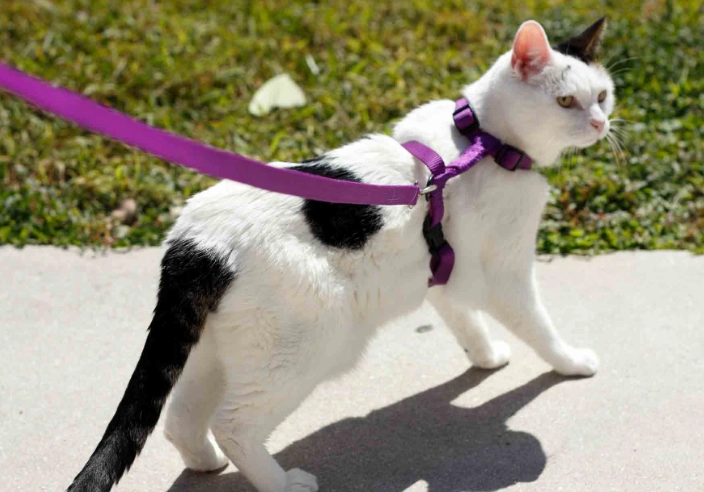
Let me tell you about my friend's cat, Mochi. Mochi is a big, fluffy tabby with the soul of an explorer trapped in a downtown apartment. He'd spend hours staring longingly out the window, chirping at birds. My friend, bless her heart, thought she'd give him a taste of the great outdoors. She bought the cutest little harness and leash set. The first attempt... well, let's just say it involved Mochi performing an impressive backwards crab-walk, getting tangled in the leash, and then giving her a look of such profound betrayal that she felt guilty for days. It was a disaster. But was it because putting a cat on a leash is fundamentally wrong? Or was it because she, like many of us, went about it all wrong?
That's what we're going to dig into. This isn't just a yes or no answer. It's a big, messy, "it depends" kind of question that hinges entirely on your individual cat, your patience, and your methods. I've talked to veterinarians, read studies from animal behaviorists, and yes, learned from my own (and Mochi's) mistakes. The short answer is: Yes, it can be perfectly okay to put a cat on a leash, but it's not okay for every cat, and doing it wrong can cause more harm than good. The real question you should be asking is: "Is it okay to put MY cat on a leash, and if so, how do I do it in a way that's safe and fun for both of us?"
The Core of the Matter: Leash walking, when done correctly, is not about taking your cat for a walk in the dog sense. You are not the leader on a journey. You are a mobile safety anchor for your cat's supervised exploration. The goal is controlled, safe environmental enrichment, not exercise or obedience. Get that mindset right from the start.
The Great Debate: Weighing the Pros and Cons of Cat Leash Life
Before you even look at a harness, you need to have an honest conversation with yourself about why you want to do this and what your cat might get out of it. Let's break it down, because the benefits can be amazing, but the risks are very real.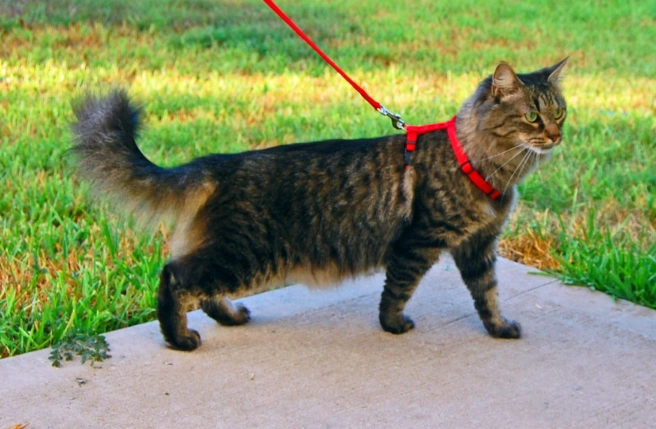
The Potential Benefits (When It Goes Well)
For the right cat, leash training opens up a new world. Indoor cats live safe, often long lives, but their world can be sensory-depriving. Leash access to a secure yard or quiet park can provide:
- Mental Stimulation Galore: New smells (oh, the smells!), textures, sounds, and sights. This is like a full-brain workout, combating boredom which is a root cause of many behavior problems like over-grooming or furniture scratching.
- Safe Environmental Enrichment: It satisfies their natural curiosity about the outdoors without the dangers of free-roaming: cars, predators, diseases, other aggressive animals, or getting lost. Organizations like the ASPCA emphasize the importance of environmental enrichment for indoor cat welfare.
- Controlled Exercise: While not a marathon, climbing a gentle slope, navigating grass, and just being more active than napping on the couch is good for their physical health.
- Bonding Time: It can become a shared, trusting activity. You're their safe base in a scary new world.
- Solution for Specific Needs: It can be a godsend for moving with a cat (letting them explore a new backyard securely), or for taking a cat to the vet without the drama of a carrier fight (though always have a carrier as backup!).
See? The potential is huge. But you can't just focus on the Instagram-perfect outcome.
The Very Real Risks and Downsides
This is where a lot of people, myself included in my early tries, mess up. We get excited by the idea and ignore the cat's nature.
- Stress and Fear: This is the big one. The outdoors is loud, unpredictable, and overwhelming. For a nervous cat, being tethered in that environment is terrifying, not fun. You've now associated you and the harness with pure panic.
- Harness Aversion & Escape Risk: Cats are liquid and contortionists. A poorly fitted harness is an invitation for a Houdini act. A cat that slips out and bolts in an unfamiliar area is in extreme danger. The International Cat Care organization stresses the importance of secure, well-designed containment for cats outdoors.
- Negative Associations: If the experience is forced or scary, your cat may start to fear you, the harness, or even the room where you put it on.
- Physical Danger: Even on a leash, a cat can get tangled, try to climb a tree and get stuck, or encounter an off-leash dog. You must be hyper-vigilant.
- It's Not For Every Cat: Some cats are perfectly content as couch potatoes. Forcing an adventure on a cat that doesn't want it is selfish.
So, is it okay to put a cat on a leash? The ethical answer lies in your ability to maximize the first list and minimize the second.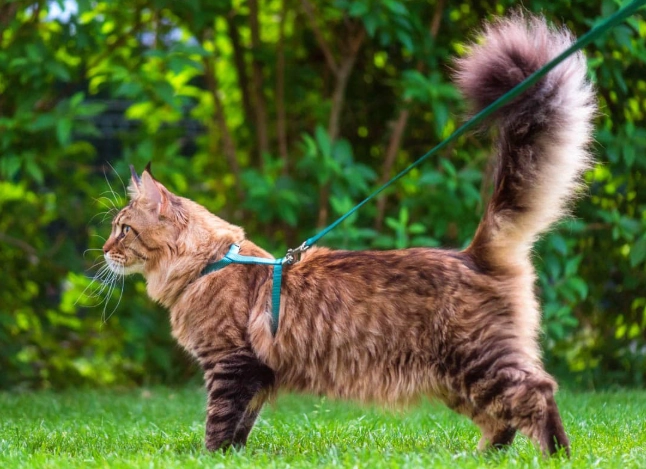
| Potential Benefit | Associated Risk | How to Mitigate the Risk |
|---|---|---|
| Mental Stimulation | Overwhelming Stress | Start super slow, indoors. Let the cat set the pace. Watch for stress signs (see below). |
| Safe Exploration | Escape from Harness | Invest in a secure, well-fitted H-style or vest harness. Practice the "two-finger" fit rule. |
| Bonding Experience | Creating Fear of You | Use only positive reinforcement (treats, praise). Never force or drag. End on a positive note. |
| Controlled Exercise | Physical Injury (tangling, falls) | Use a short leash (4-6 ft). Constantly scan the environment. Avoid heights and dense brush. |
My Personal Mistake: I once thought a "figure-8" style harness looked sleek. My cat, in a moment of startle, pulled backwards and somehow got a leg through the neck loop. It wasn't dangerous, but it was awkward and scared her. I immediately switched to a more secure vest style. Lesson learned: function over fashion, always.
Is Your Cat a Good Candidate? A Reality Check
This might be the most important section. Look, you might want a hiking cat buddy, but your cat might be telling you it wants to be a blanket fort specialist. You have to listen. Here's a quick checklist.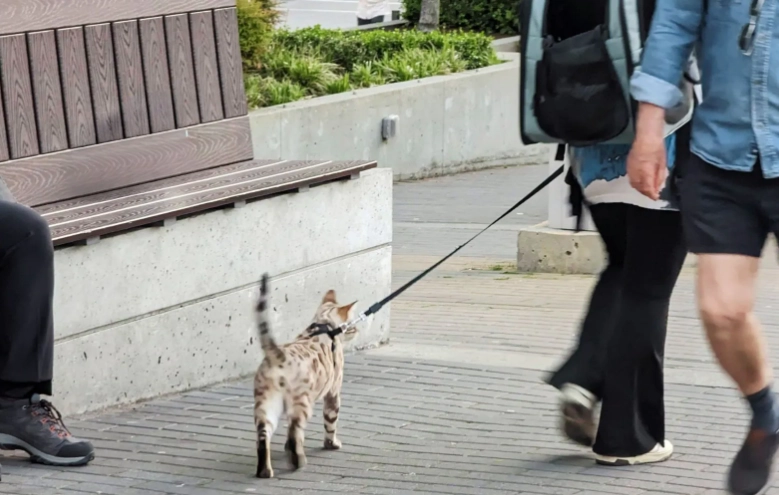
Signs Your Cat MIGHT Take Well to a Leash:
- Confident & Curious: They readily explore new rooms, aren't hiding from guests, and are fascinated by windows.
- Comfortable with Handling: They don't mind being picked up, having their paws touched, or wearing a collar (if they do).
- Food or Play Motivated: They'll work for treats or a favorite toy. This is your training currency.
- Younger or Adaptable: While kittens can learn quickly, older cats can too if they have the right temperament. It's more about personality than age.
Signs Leash Training Might Be an Uphill Battle (or a Bad Idea):
- Naturally Nervous or Skittish: Loud noises, sudden movements, or new objects send them under the bed for hours.
- Easily Stressed: They have a history of stress-related issues (like cystitis).
- Aggressive When Scared: If their fear response is to fight, not flee, you're putting yourself at risk.
- The Senior Homebody: A 15-year-old cat who has never expressed interest in the door might just want peace, quiet, and sunbeams.
Be honest. It's okay if the answer is no.
The Step-by-Step Guide: How to Put a Cat on a Leash... the RIGHT Way
If you've decided to proceed, throw out any timeline. This takes days, weeks, or even months. Rushing is the number one reason people fail and declare that putting a cat on a leash is cruel. It's not cruel; your method was.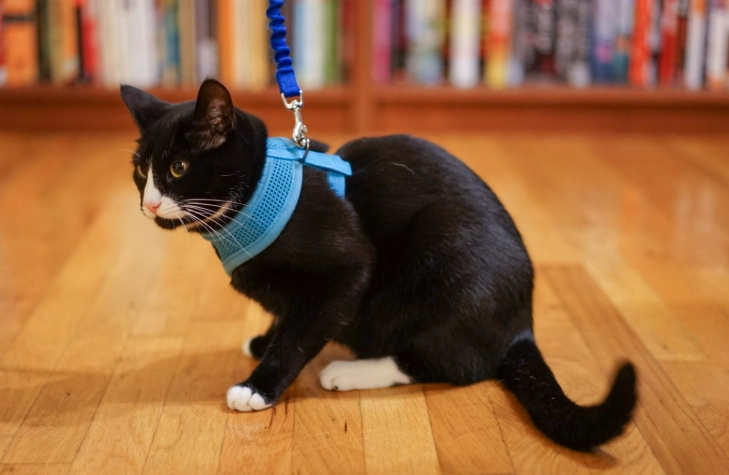
Phase 1: Gear Up and Make Friends with the Harness
Don't even think about the outdoors yet.
- Choose the Right Harness: Avoid collars-only; cats can strangle themselves or slip out. The gold standards are H-harnesses (secure, often the hardest to escape) or vest-style harnesses (comfortable, good distribution). Get a lightweight, adjustable one. The leash should be lightweight too, 4-6 feet, not a retractable one. Retractable leashes offer no control and can snap.
- Let the Harness Become a Friend: Leave the harness near your cat's bed or food bowl for a few days. Let them sniff it, rub on it, ignore it. You want it to smell like home.
- Treats and Touch: Hold the harness, give a treat. Touch the harness to your cat's back, give a treat. Clip it open and shut (loudly away from the cat at first, then quietly near them), give a treat. Build positive associations.
Phase 2: The Indoor Fitting and "Walk"
- First Fitting (Quick!): Put the harness on loosely for literally 3 seconds, then take it off and give a jackpot of treats. Do this multiple times a day. If they freeze or flop over (the "harness flop" is classic), don't panic. Just gently remove it. The goal is to get it on and off before they react negatively.
- Increasing Wear Time: Slowly increase the time they wear the loose harness indoors. One minute, then five, then twenty while they eat dinner or play with a favorite wand toy. Distraction is key. The fit should be snug enough that you can only just slip two fingers under any strap. Check this constantly.
- Attach the Leash... Indoors: Clip the leash on and let them drag it around under supervision (so it doesn't get caught). Then, pick up the end and follow them around your living room. You are following them. Do not pull or guide. Just be a dead weight at the end of the line. Practice gentle tension and calling them to you for a treat.
Pro Tip: Do these sessions before a meal when your cat is hungry and more motivated by food. Keep sessions short (5-10 minutes max) and always, always end on a positive note with a treat and the harness coming off.
Phase 3: The Big (Controlled) Outdoors
Your first outdoor trip is NOT to the park.
- Start in a Secure, Boring Space: A quiet backyard, a patio, or even just outside your front door on a quiet day. Sit on the ground with your cat. Let them observe from the safety of your lap. No walking. Just sitting. If they want to retreat inside, let them. This might be the whole session for several days.
- Follow the Cat: When they seem comfortable, let them take a few steps. You follow. Let them sniff a leaf for five minutes if they want. Your job is to watch for dangers and provide reassurance.
- Watch for Stress Signals: Ears flattened back, tail tucked or lashing, wide eyes, crouching low to the ground, trying to bolt, excessive panting. If you see these, calmly pick up your cat (if possible) or gently guide them back inside. Don't scold. Just end the session.
- Build Slowly: Over many sessions, you can gradually explore further. Always choose quiet times of day. Avoid areas with dog traffic, loud traffic, or lots of people.
So, is it okay to put a cat on a leash? By this method, you're not "putting" them on anything. You're carefully introducing a tool for safe exploration at their comfort level.
Choosing Your Gear: A Quick Comparison
| Harness Type | Best For | Potential Drawback | My Take |
|---|---|---|---|
| H-Harness (2 straps forming an "H") | Security, escape-artist cats, good weight distribution. | Can be trickier to put on correctly. Some cats dislike the neck strap feel initially. | My top pick for safety. Once fitted right, it's very secure. |
| Vest Harness (Jacket-style) | Comfort, cats sensitive to straps, easier for beginners to put on. | Some cheaper models can be escaped from if not snug. Can be warmer. | Great for building positive associations. Look for ones with multiple adjustment points. |
| Figure-8 Harness | ...Honestly, not much. It's simple. | High escape risk, can tighten unevenly if the cat pulls. The one I had the bad experience with. | I don't recommend these. The risk isn't worth it. |
| Leash Material | Lightweight Nylon or Rope (4-6 ft fixed length) | Provides control, less likely to startle cat with retractor noise/movement. | Retractable Leashes: Avoid. They teach constant tension, can break, and offer no control in a crisis. |
Safety First: The Non-Negotiable Rules
Even when you think you've got it down, stay vigilant.
- Never Tie or Tether Your Cat Unattended: Not even for a second. They can strangle, panic, or be attacked.
- ID is a Must: Ensure your cat has a secure collar with an ID tag (with your phone number) in addition to the harness. Microchipping is essential, and make sure your registry info is up-to-date. The American Veterinary Medical Association (AVMA) provides great resources on microchip importance.
- Up-to-Date on Preventatives: Outdoor exposure, even limited, means exposure to fleas, ticks, and parasites. Talk to your vet about appropriate preventatives.
- Know Your Local Laws: Some areas have leash laws that include cats. Check your municipal regulations.
- Weather Watch: Avoid extreme heat (pavement burns paws!) or cold. Cats overheat easily.
I keep a "go bag" by the door: treats, a collapsible water bowl, a small towel, and my cat's carrier (left open). If anything spooks us, I can quickly get her in the carrier and back inside. It makes me feel more prepared, which probably makes me calmer for her too.
Answering Your Burning Questions
Listen to your cat. They'll tell you.
Wrapping It Up: The Final Verdict
So, is it okay to put a cat on a leash? The answer is a nuanced, conditional yes.
It's okay if your primary goal is your cat's enrichment, not your social media feed. It's okay if you are prepared to invest weeks of patience in training, following your cat's lead at a snail's pace. It's okay if you prioritize safety and your cat's comfort over any preconceived notion of a "walk." It's a tool for safe exploration, not a mandatory activity.
But it's not okay if you force it on a terrified cat, use poor equipment, ignore stress signals, or expect a dog-like experience. The potential harm from a bad experience far outweighs any potential benefit.
The journey of leash training, when done right, is less about controlling your cat and more about learning to communicate and build trust in a new way. You learn to read their body language more acutely. They learn that you are their safe harbor. For some human-cat teams, it opens a wonderful door to shared adventures. For others, the door stays shut, and that's perfectly fine too. The most important thing is that you asked the question, considered your cat's needs, and are seeking to do right by them. That's what makes a great cat guardian.





Leave a comment