Let's be honest. The idea of potty training a puppy often comes with images of chewed slippers and mysterious puddles on your new rug. It feels daunting. I've trained more puppies than I can count, and the single biggest mistake I see new owners make isn't about technique—it's about expectations. They expect it to be linear, quick, and perfect. It's none of those things. It's messy, it requires patience you didn't know you had, and yes, you will be cleaning up accidents.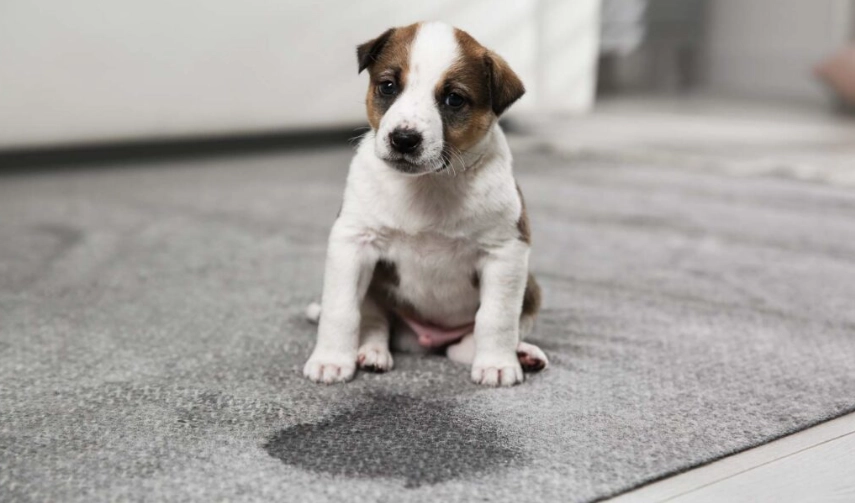
But here's the non-consensus truth most blogs won't tell you: The goal isn't to prevent every accident. The goal is to create so many successful outdoor potties that the accidents become irrelevant outliers. Your focus shifts from frustration to celebration. This guide will show you how, with a concrete schedule, the right mindset, and fixes for the problems that actually trip people up.
What's Inside This Guide
- Forget Perfection: The Mindset That Makes Training Work
- Gathering Your Arsenal: The 5 Essential Supplies
- The Non-Negotiable Potty Training Schedule
- How to Use Crate Training for Potty Success
- Conquering the Night: A Peaceful Sleep Routine
- The 3 Most Common Potty Training Mistakes (And How to Fix Them)
- Your Top Potty Training Questions Answered
Forget Perfection: The Mindset That Makes Training Work
Your puppy's bladder is tiny. Their brain is still wiring itself. A common guideline is a puppy can hold it for one hour per month of age, up to about 8 hours. So a 3-month-old pup has a 3-hour window, max. But that's in a calm state. Play, excitement, drinking water—that resets the clock.
Accidents are not defiance. They are information. Each one tells you something: the schedule was off, you missed a signal, you gave too much freedom too soon. The American Veterinary Society of Animal Behavior emphasizes force-free, reward-based methods. Punishing for accidents creates anxiety, which can lead to more hiding and eliminating.
Gathering Your Arsenal: The 5 Essential Supplies
You don't need fancy gear. You need effective gear.
A High-Value Treat Pouch: Clip it to your waist. Fill it with tiny, smelly treats your puppy goes nuts for—boiled chicken, cheese bits, commercial training treats. This needs to be within arm's reach 24/7 during the first few weeks.
An Enzymatic Cleaner: This is non-negotiable. Regular cleaners like vinegar or carpet shampoo remove the stain and smell for you. Your puppy's nose is a billion times more sensitive. They can still smell the urine enzymes, which screams "BATHROOM HERE!" Enzymatic cleaners (like Nature's Miracle) biologically eat those enzymes. No scent marker, no repeat offense.
A Properly Sized Crate: Not a giant mansion. Just big enough for them to stand, turn around, and lie down. If it's too big, they'll use one corner as a toilet. A divider panel in a larger crate is perfect for growing pups.
A Consistent Potty Spot: Pick one area of your yard. Always go there. The familiar smells trigger the urge to go. Use a specific phrase like "Go potty" while they're doing it.
Patience (Sold Separately): Okay, you can't buy it. But you can cultivate it. This is a marathon, not a sprint.
The Non-Negotiable Potty Training Schedule
Consistency is your secret weapon. A schedule removes guesswork. Follow this religiously for the first month. I've seen this cut training time in half for clients who were previously just taking their pup out "when they thought about it."
| When To Go Out | Why This Timing Matters |
|---|---|
| First thing in the morning | Bladder is full after a night's sleep. Non-negotiable. |
| 15-20 minutes after eating or drinking | The gastro-colic reflex kicks in. Food in, waste out. |
| After every play session or nap | Excitement and waking up stimulate the bladder/bowels. |
| Right before bedtime | Empty the tank for a longer, accident-free sleep. |
| Every 1-2 hours during the day | Proactive prevention. Don't wait for signs. |
Stick to this. Set alarms on your phone. The routine itself becomes a cue. Your puppy's body will start to anticipate potty breaks.
How to Use Crate Training for Potty Success
This is where I see the biggest misunderstanding. People think crates are cruel. Used correctly, they're a sanctuary and your #1 training tool. Dogs are den animals; a cozy crate satisfies that instinct.
The magic is this: Most dogs have a natural instinct not to soil their sleeping space. The crate taps into that. It teaches bladder and bowel control.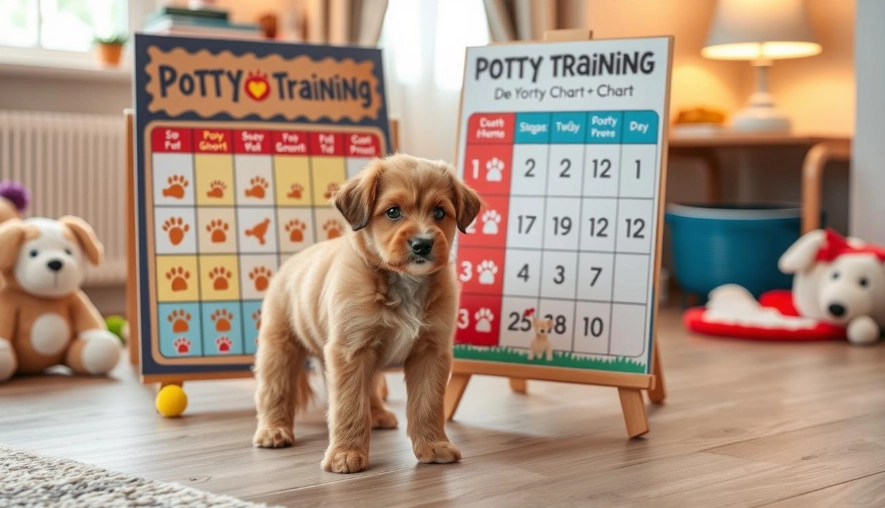
The Right Way to Introduce the Crate
Make it awesome. Feed meals in it. Toss treats inside. Never use it as punishment. Start with short durations (5-10 minutes) while you're home. Gradually increase time as your pup relaxes.
Conquering the Night: A Peaceful Sleep Routine
Nighttime potty training is a different beast. The goal is to stretch the time between breaks.
Step 1: Cut off water about 2 hours before bedtime. Ensure a big potty break right before you sleep.
Step 2: Crate next to your bed. Hearing and smelling you reduces anxiety. You'll also hear them stir when they need to go.
Step 3: Set an alarm for the middle of the night at first (e.g., 2-3 AM for a young pup). Take them out on leash, be boring, praise for going, straight back to bed. No play, no cuddles. This is a business trip.
Step 4: Gradually push the alarm back by 15-30 minutes every few nights as your puppy shows they can hold it.
Most puppies can sleep through the night without a potty break by 4-5 months old if you follow this.
The 3 Most Common Potty Training Mistakes (And How to Fix Them)
These aren't the obvious ones. These are the subtle errors that prolong the process.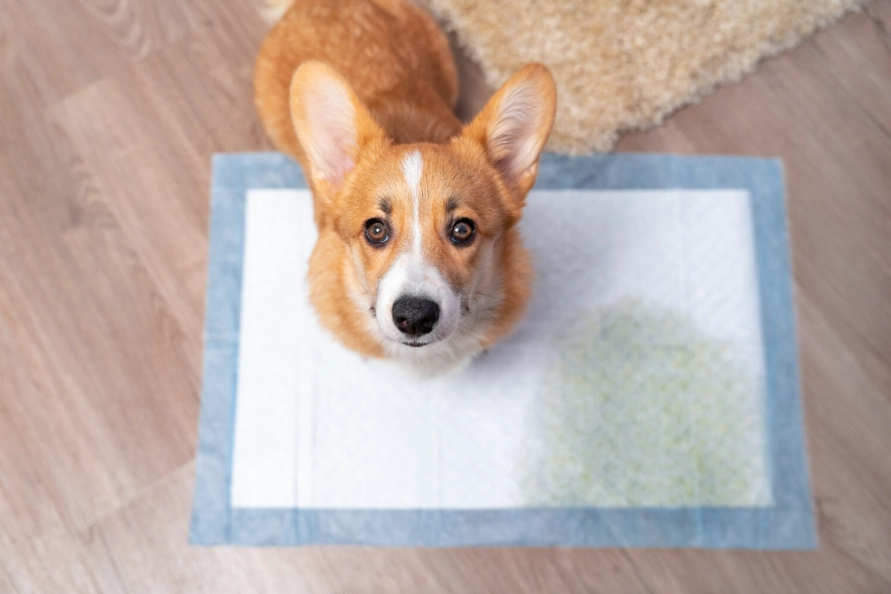
1. The Inconsistent "Yes" Zone: Letting your puppy roam free in the house one day, then confining them the next after an accident. Freedom is a privilege earned by a history of success. Use baby gates or a leash tethered to you to manage their space until they're reliable.
2. The Unproductive Potty Break: You take them out, they sniff around, maybe pee, then you let them play. They learn: outdoors = playtime. Structure the break: Potty first. Immediate praise and treat right as they finish. Then you can have a short play session. This makes pottying the ticket to fun.
3. Misreading the "I Need to Go" Signals: Sniffing the ground intently is the big one. But also watch for sudden quietness, circling, leaving the room, or whining at a door. Puppies often give very subtle, quiet signals before they go. If you only react to frantic pacing or barking, you've missed the earlier, calmer cue.
Your Top Potty Training Questions Answered
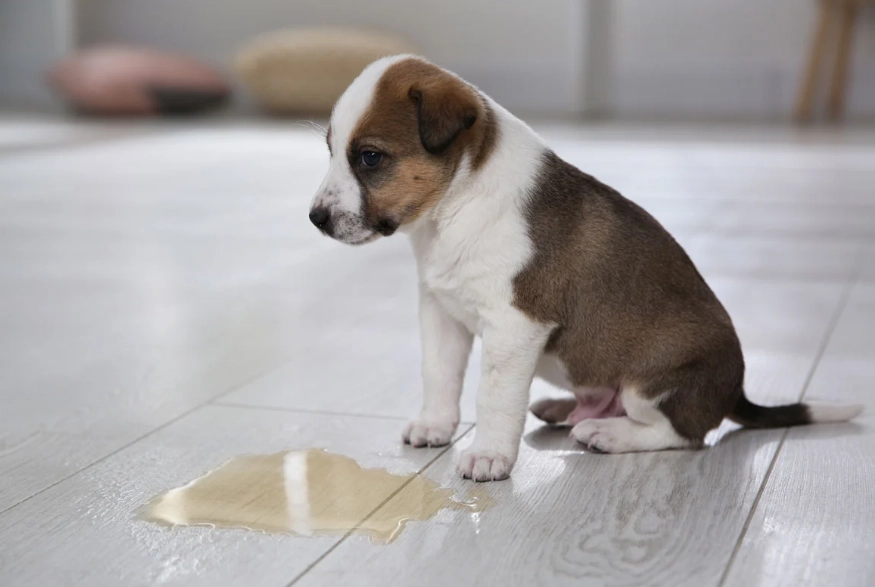 Remember, every puppy learns at their own pace. Some get it in weeks, others take months. Your consistency is the constant. Celebrate the small wins—the first time they go to the door, the first accident-free day, the first full night of sleep. Those are the moments that build a clean, happy life together.


Leave a comment