Quick Guide
- The Absolute First Thing You Must Do: Stay Calm and Assess
- A Step-by-Step Guide to Treating the Sting at Home
- Red Flags: When a Bee Sting Becomes a Veterinary Emergency
- What to Expect at the Vet (If You Need to Go)
- Common Questions Dog Owners Ask (FAQs)
- Building a Pet First Aid Kit: Be Prepared for Next Time
- A Quick Comparison: Bee vs. Wasp Sting on Your Dog
It happens in a flash. One minute your dog is happily sniffing around the garden, the next they're yelping, pawing frantically at their snout, and you see a tell-tale lump starting to form. A bee sting on a dog's face is one of those common pet emergencies that can send even a seasoned dog owner into a mild panic. I've been there – my old Labrador, Barney, once tried to eat a bumblebee and paid the price with a swollen lip that made him look like a cartoon character for a day.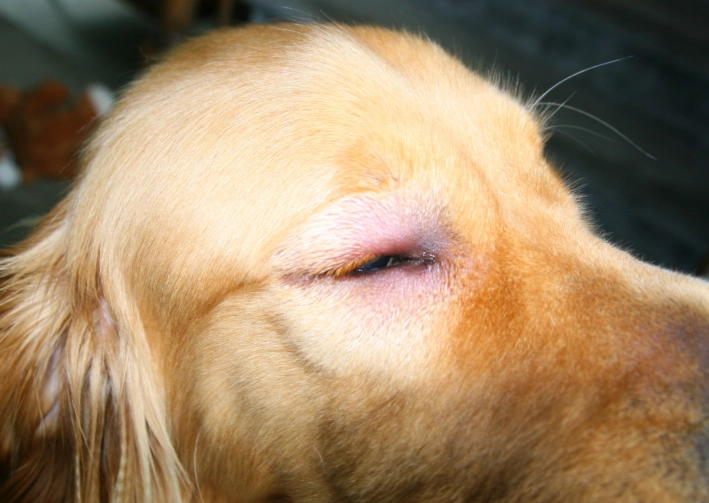
The face is a particularly tricky spot for a sting. It's sensitive, close to important airways, and swelling can escalate quickly. The core question racing through your mind is simple but urgent: how do you treat a bee sting on a dog's face? The answer isn't just one thing; it's a sequence of calm, informed actions. This guide will walk you through everything, from the immediate "oh no" moment to the aftercare, and help you spot when it's more than just a simple sting.
Let's be clear from the start. Most bee stings on dogs are painful and annoying, but not life-threatening. The real danger lies in an allergic reaction, which can be serious. Knowing the difference is 90% of the battle.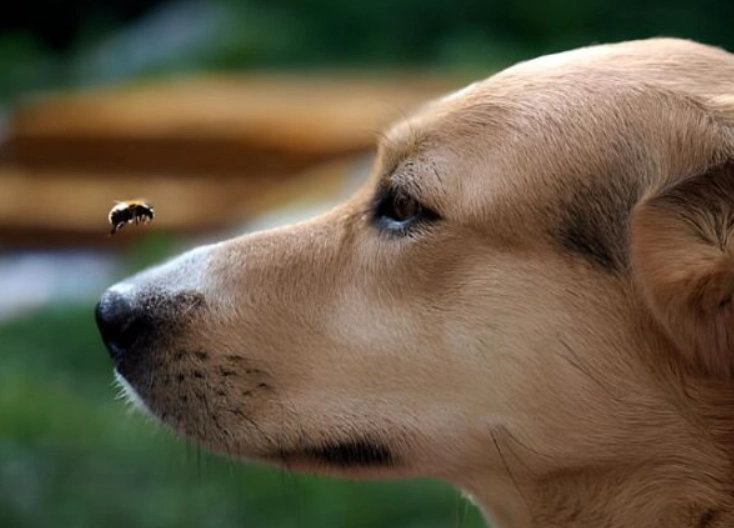
The Absolute First Thing You Must Do: Stay Calm and Assess
Your dog is already scared and in pain. If you start freaking out, they will too, making everything harder. Take a deep breath. Your first job is to be a detective for about 60 seconds.
While you're looking, check your dog's overall state. Are they breathing normally? Is the swelling localized to the sting site (like just the lip or cheek), or is it spreading rapidly to their neck or around their eyes? A little whining is normal. Excessive drooling, agitation, or difficulty breathing are red flags.
This initial assessment directly informs your next move. It decides whether you're moving to basic home care or heading straight to the car.
A Step-by-Step Guide to Treating the Sting at Home
Assuming your dog is acting relatively normal aside from the pain and local swelling, here's your action plan for treating that bee sting on your dog's face. Think of it as a checklist.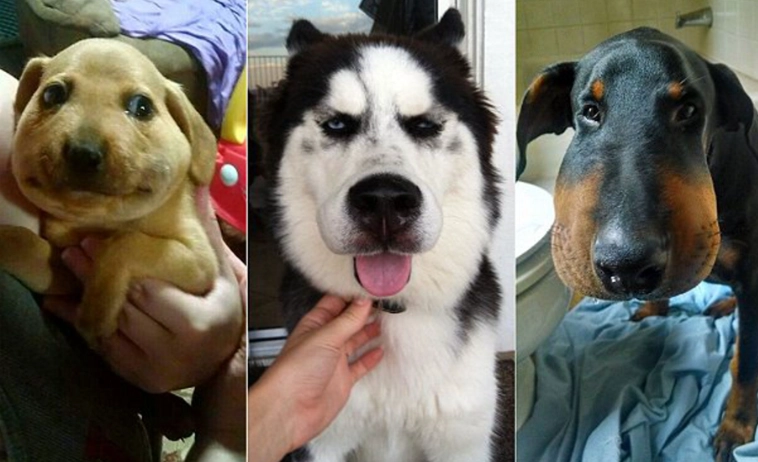
Step 1: The Initial Clean-Up and Cool-Down
First, gently clean the area with cool water and a mild soap. This helps remove any dirt and a bit of the venom from the surface. The real MVP here is a cold compress. Grab a bag of frozen peas, some ice cubes wrapped in a thin cloth, or a cold pack. Apply it to the swollen area for 5-10 minutes at a time, with breaks in between.
This does two crucial things: it reduces swelling and numbs the pain. Your dog might not love it at first, but most will lean into the relief it provides. Do this several times over the first few hours.
Step 2: The Baking Soda Paste (For Bee Stings Only)
Here's a classic home remedy with some science behind it. Bee venom is acidic. Baking soda (sodium bicarbonate) is a mild base. Making a paste with a little baking soda and water and dabbing it on the sting site can help neutralize some of the venom and ease itching. Leave it on for 10-15 minutes before gently wiping it off.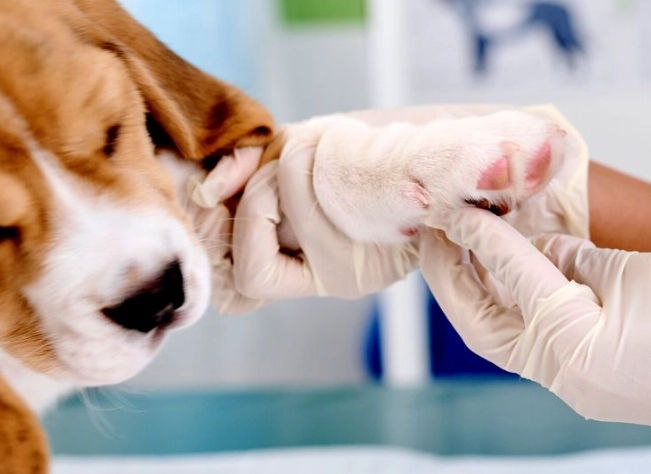
Important caveat!
This is only for bee stings. If you suspect a wasp or hornet sting (which have alkaline venom), this paste won't help and might even irritate. When you're not sure, skip it and stick with the cold compress.
Step 3: Managing Discomfort and Itch
The sting will itch as it heals, and dogs will scratch or rub their face on the carpet. To prevent them from making it raw, you can ask your vet about an appropriate dose of an antihistamine like diphenhydramine (Benadryl). Never give any medication without explicit vet instruction. Dosage is critical and depends entirely on your dog's weight. A call to your vet's office for a quick dose recommendation is always the best move.
A natural alternative is to apply a small amount of pure aloe vera gel (make sure it contains no alcohol or xylitol, which is toxic to dogs) or a cool, wet black tea bag. The tannins in tea can have a soothing, anti-inflammatory effect.
Step 4: Monitor, Monitor, Monitor
This is the most important step that lasts for the next 12-24 hours. Keep a close eye on your dog. The swelling from a facial sting might look dramatic—puffy lips, one eye half-closed—but it often peaks within a few hours and then gradually goes down. You should see steady improvement.
Make sure they have access to fresh water. They might not want to eat much right away if their mouth is sore, and that's okay for a short while. Just watch their behavior.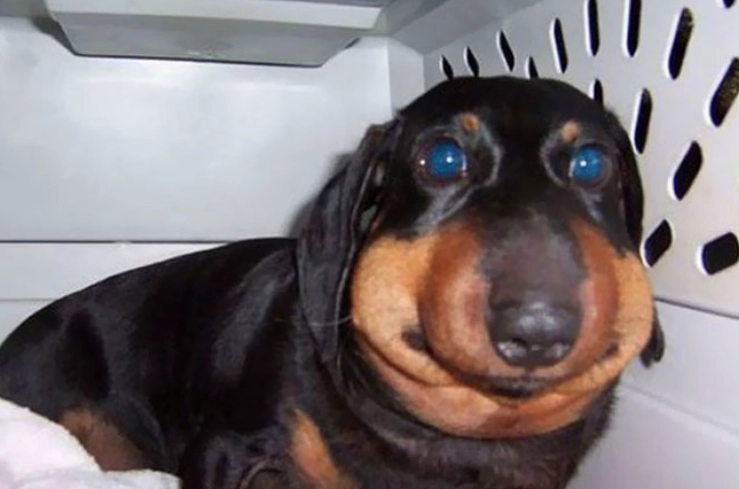
Red Flags: When a Bee Sting Becomes a Veterinary Emergency
This is the section you need to burn into your memory. Knowing how to treat a bee sting on a dog's face means knowing when your home treatment isn't enough. An allergic reaction (anaphylaxis) can be rapid and severe.
If you see any of the following signs, stop what you're doing and get to the nearest emergency vet immediately:
- Difficulty breathing: Noisy breathing, wheezing, excessive panting when at rest, blue-tinged gums.
- Severe swelling: Swelling that spreads beyond the sting site to the neck, throat, or around both eyes.
- Widespread hives: Raised, itchy bumps appearing all over the body, not just the face.
- Extreme weakness, collapse, or vomiting/diarrhea: These are signs of systemic shock.
- Excessive drooling (more than the usual "mouth is sore" drool).
Don't wait to see if it gets better. Don't try to drive and call the vet at the same time—have a passenger call to alert them you're on the way. Time is critical in anaphylaxis. Vets have injectable epinephrine and steroids that can reverse the reaction.
Some dogs are more prone to reactions than others. Smaller dogs, just due to their size relative to the venom dose, and dogs who have been stung before can be at higher risk.
What to Expect at the Vet (If You Need to Go)
If you end up at the vet, either for an emergency reaction or because the swelling is just too severe for comfort, here's what they'll likely do. It's good to know so you're not anxious about the process.
For a severe allergic reaction, they will act fast. They may administer an injection of epinephrine to stop the reaction, followed by corticosteroids (like prednisone) and antihistamines to reduce inflammation and prevent a rebound. They might give intravenous fluids to support blood pressure. Your dog may need to be monitored for several hours.
For a bad but non-life-threatening swelling, the vet will probably give a corticosteroid injection and/or a stronger antihistamine than you can give at home. This will bring the swelling down much faster, usually within hours. They might also prescribe a short course of oral anti-inflammatories. Honestly, for a really puffy face, this is sometimes the kindest option to relieve your dog's discomfort quickly.
Common Questions Dog Owners Ask (FAQs)
Let's tackle some of the specific worries that pop up when you're searching for answers.
Can I give my dog ibuprofen or aspirin for the pain?
Absolutely not. Human over-the-counter pain relievers like ibuprofen (Advil), naproxen (Aleve), and acetaminophen (Tylenol) are highly toxic to dogs and can cause severe stomach ulcers, kidney failure, or liver damage. Never use them. The only safe pain relief is what your vet prescribes specifically for your dog.
How long will the swelling last?
With proper care, the worst of the swelling usually subsides within 12-24 hours. Minor puffiness or a small, firm lump might linger for a few days. If swelling increases after the first day or lasts more than 3 days, check back with your vet to rule out infection.
My dog keeps pawing at their face. What can I do?
Try the cold compress for relief. If needed, and if your dog tolerates it, a loose-fitting Elizabethan collar (the "cone of shame") for a short period can prevent them from scratching the area raw. Distraction with a favorite chew toy or a short, gentle walk can also help take their mind off the itch.
Can a bee sting on the face cause long-term damage?
From a single, non-allergic sting? Almost never. Once the swelling and discomfort pass, your dog will be back to normal. The main risk of long-term issues comes from a severe allergic reaction that isn't treated promptly, or from a secondary skin infection if the area is scratched excessively.
How can I prevent this from happening again?
You can't eliminate the risk, but you can reduce it. During peak bee season, be extra vigilant in gardens and near flowering plants. Keep outdoor food and sweet drinks covered. If your dog has had a severe reaction, talk to your vet about whether carrying an emergency epinephrine pen (Epi-Pen) is advisable for future outings. The American Veterinary Medical Association (AVMA) has great general resources on pet safety outdoors.
Building a Pet First Aid Kit: Be Prepared for Next Time
After dealing with Barney's sting, I put together a proper pet first aid kit. It saves the scramble when you're stressed. Here's what should be in yours for sting incidents:
- A card for scraping stingers (an old gift card works perfectly).
- Vet-approved antihistamine with the correct dosage for your dog's weight written on the box.
- Sterile saline wash for cleaning wounds.
- Gauze pads and self-adhering vet wrap (doesn't stick to fur).
- Digital thermometer (pet-specific).
- Tweezers (for splinters, not stingers!).
- Your vet's and the emergency vet's phone numbers.
The ASPCA's guide to disaster preparedness includes a solid checklist for a comprehensive first aid kit that goes beyond just stings.
A Quick Comparison: Bee vs. Wasp Sting on Your Dog
It's useful to know what you're dealing with, as the first-aid advice differs slightly.
| Feature | Bee Sting | Wasp/Hornet Sting |
|---|---|---|
| Stinger Left Behind? | Yes, barbed. Needs to be scraped out. | No, smooth. Can sting multiple times. |
| Venom Type | Acidic | Alkaline |
| Helpful Home Remedy | Baking soda paste (to neutralize acid) | Diluted vinegar compress (to neutralize alkali) |
| General Aggression | Less aggressive, stings in defense. | More aggressive, can be territorial. |
In practice, if you didn't see the insect, just focus on the universal steps: remove a stinger if present, clean, apply a cold compress, and monitor. The specific paste is a bonus if you're sure.
It's natural to feel awful when your pet is hurt. But by knowing exactly how to treat a bee sting on your dog's face, you can be their calm, effective helper. Give them some extra cuddles, maybe a special treat once their mouth feels better, and they'll likely forgive you for not being faster than that bee.
Remember, when in doubt, a call to your veterinarian is always the right move. They'd rather answer a quick question than handle a full-blown emergency later. Now go enjoy the outdoors with your pup—just maybe keep a closer eye on those flower beds.


Leave a comment