You're not alone if you've caught your dog in the act. That moment of horror, the frantic shout, the dash across the yard – it's a scene countless dog owners know too well. The technical term is coprophagia, and while it's one of the most disgusting habits to us, for dogs, it's a complex behavior with roots in instinct, nutrition, and environment. Let's cut through the internet myths and get to the heart of why this happens and, more importantly, what you can actually do about it.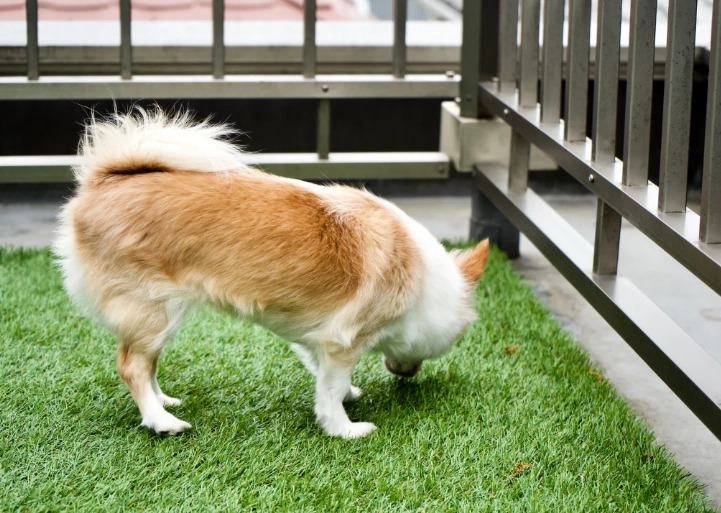
What's Inside?
The 5 Main Reasons Dogs Eat Poop (It's Rarely Just "Bad Behavior")
Labeling it as "naughty" is the first mistake most owners make. This oversimplification leads to frustration and ineffective solutions like punishment, which usually makes things worse. Understanding the "why" is 90% of the battle.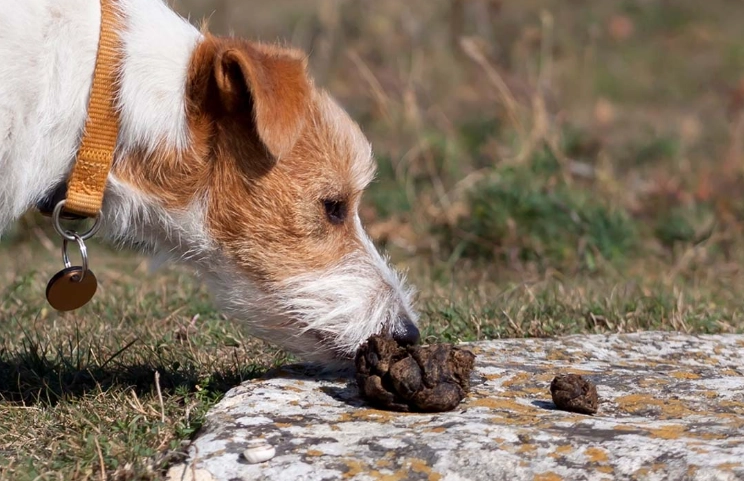
1. Nutritional Deficiencies & Enzyme Seeking
This is the big one that many generic articles gloss over. It's not just about a "low-quality diet." Modern kibble, even premium brands, is cooked at high temperatures. This process can destroy natural enzymes that aid digestion. A dog's body might sense it didn't fully extract nutrients the first time. Undigested food particles in stool can smell like, well, food to them. I've seen cases where switching to a raw or gently cooked diet (under veterinary guidance) resolved the issue within weeks, not because it's "fancy," but because of higher bioavailability of nutrients and natural enzymes.
2. Instinctual & Maternal Behavior
In the wild, consuming waste keeps dens clean and removes scents that could attract predators. Mother dogs instinctively eat their puppies' feces to keep the nest sanitary. Puppies may mimic this. For some dogs, this ancient wiring is still active, especially in high-anxiety or environmentally sensitive dogs.
3. Attention-Seeking (Yes, Even Negative Attention)
Here's the subtle error: owners often yell, chase, or make a huge scene when they catch their dog. The dog learns: "Eating poop = big reaction from my human!" Even if it's negative, it's still engagement. For a bored dog, that's a win.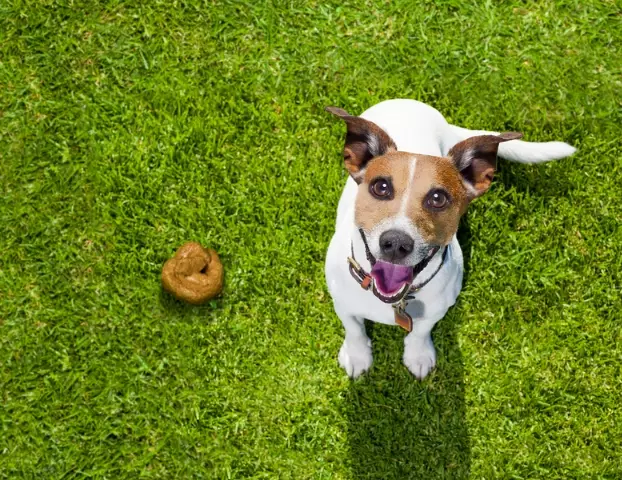
4. Underlying Medical Conditions
This is the critical category you can't afford to ignore. Conditions like:
- Exocrine Pancreatic Insufficiency (EPI): The pancreas doesn't produce enough digestive enzymes. The dog is literally starving and will try to get nutrients anywhere.
- Malabsorption Syndromes: Issues with the intestines preventing nutrient uptake.
- Parasites: Worms stealing nutrients from the dog's system.
- Diabetes, Cushing's disease, or thyroid problems: Can cause ravenous hunger.
5. Boredom, Anxiety, or Confinement Stress
A dog left alone for long hours in a yard or crate with access to their waste may do it out of sheer boredom or stress. It becomes a self-reinforcing habit, a way to pass the time.
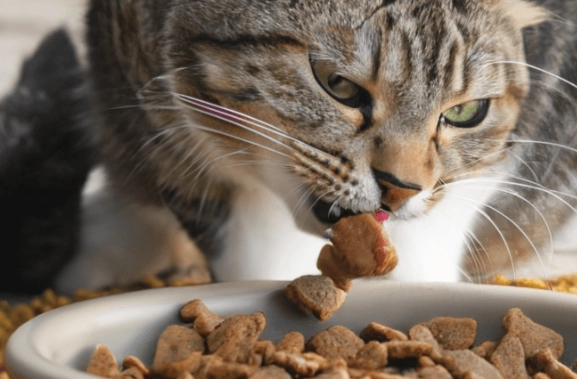
Quick Self-Check: Does your dog primarily eat their own poop, another dog's, or cat poop? If it's specifically cat poop, the attraction is often the high protein and fat content in cat food, making the waste incredibly appealing. A baby-gated litter box room is your best friend.
Health Risks & Common Myths Debunked
Let's clear up the confusion. Is it dangerous? Sometimes. Is it always a sign of a terrible diet? No.
The Real Risk: The primary danger is parasite transmission. If your dog eats the feces of another animal (or even their own if they're re-infected), they can ingest parasite eggs like roundworms, hookworms, or giardia. This is why consistent, vet-recommended deworming is non-negotiable. There's also a risk of bacterial infections like E. coli or Salmonella.
Myth #1: "It means their food is bad." Not necessarily. It can happen with any diet if the underlying cause is behavioral or medical.
Myth #2: "They're missing something in their diet." This is partially true but oversimplified. A general vitamin supplement might not fix an enzyme deficiency or a specific malabsorption issue.
Myth #3: "Adding pineapple/meat tenderizer/pumpkin to food will stop it." These are old wives' tales. The theory is they make poop taste bad. The problem? They have to pass through the entire digestive system first. The evidence for these is anecdotal at best.
Your Step-by-Step Plan to Stop It
Throwing random solutions at the wall is exhausting. Follow this sequence. Rule out the serious stuff first.
Step 1: The Veterinary Check-Up (Non-Negotiable)
Before you try anything else, book a vet visit. Explain the behavior clearly. Your vet will likely recommend:
- A fecal exam to check for parasites.
- Blood work to screen for EPI, diabetes, thyroid issues.
- A discussion about your dog's current diet.
This isn't an upsell; it's responsible pet ownership. Treating an undiagnosed medical condition is the most effective solution.
Step 2: Environmental Management & Interruption
Make the behavior impossible while you work on the root cause.
- Become a Poop Ninja: Clean up the yard immediately after your dog goes. No access, no habit.
- Supervise, Don't Punish: On walks, keep them on a short leash near poop-prone areas. The moment they show interest (sniffing intently), use a cheerful "Leave it!" and offer a high-value treat for disengaging. You're teaching an alternative behavior.
- Muzzle Train (for serious cases): A basket muzzle on walks allows panting and drinking but prevents snacking. It's a management tool, not a punishment.
Step 3: Dietary & Nutritional Tweaks
Discuss these with your vet:
- Diet Upgrade: Consider a diet with higher digestibility. Look for statements from the Association of American Feed Control Officials (AAFCO) feeding trials, not just "meets nutritional levels."
- Enzyme Supplement: Products like Prozyme or adding a bit of canned pumpkin (plain) can sometimes help digestion, making stool less appealing.
- Feeding Schedule: Sometimes feeding smaller, more frequent meals improves nutrient absorption.
Step 4: Behavioral Enrichment & Training
Attack the boredom and anxiety component.
Increase daily mental stimulation. A tired dog is a good dog, but a mentally tired dog is even better. 15 minutes of nose work (hiding treats) uses more energy than a 30-minute walk. Practice "Leave It" with high-value items daily, starting easy and building up to more tempting items. This builds impulse control.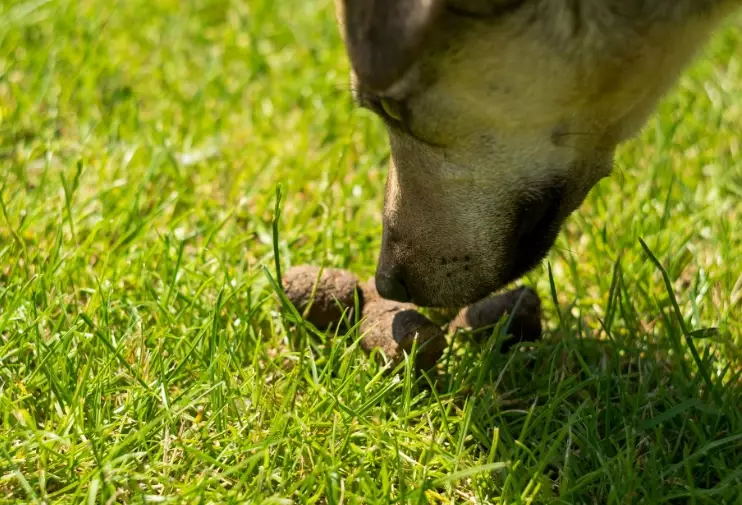
If the behavior is rooted in anxiety (like separation anxiety), you need to address that core issue, possibly with help from a certified behaviorist. Resources from the American College of Veterinary Behaviorists can point you in the right direction.
When It's a Red Flag for Your Vet
Most coprophagia is a management puzzle, but seek immediate veterinary advice if your dog suddenly starts eating poop and also shows:
- Drastic increase in thirst and urination.
- Weight loss despite a good appetite.
- Lethargy, vomiting, or diarrhea.
- A ravenous, insatiable hunger.
Sudden onset of any unusual behavior paired with other symptoms is your cue to call the vet, not Google.
Your Top Questions, Answered
The journey to stop coprophagia requires patience and a detective's mindset. Start with your vet, manage the environment relentlessly, and enrich your dog's life. You're not just stopping a gross habit; you're ensuring your dog's long-term health and strengthening your bond through positive training. Consistency is your most powerful tool.


Leave a comment