Quick Navigation
- The Absolute No-Go List: Nuts That Are Toxic to Dogs
- Why Are Nuts and Seeds Problematic for Dogs, Anyway?
- A Practical Guide: Which Nuts, Seeds, and Legumes Are Less Bad?
- What to Do If Your Dog Eats Something Dangerous
- Answering Your Burning Questions (The FAQ Section)
- The Bottom Line: A Simple Rule for a Complicated Topic
You're sitting on the couch, cracking open some almonds or maybe scooping out pumpkin seeds for a salad, and those big, pleading eyes lock onto you. That universal dog question: "For me?" It's so tempting to share a little piece of what we're eating. After all, nuts and seeds are healthy for us, right? So, can dogs eat nuts and seeds and legumes safely? The answer isn't a simple yes or no. It's a messy, complicated, and sometimes scary landscape that every dog owner should have a map for.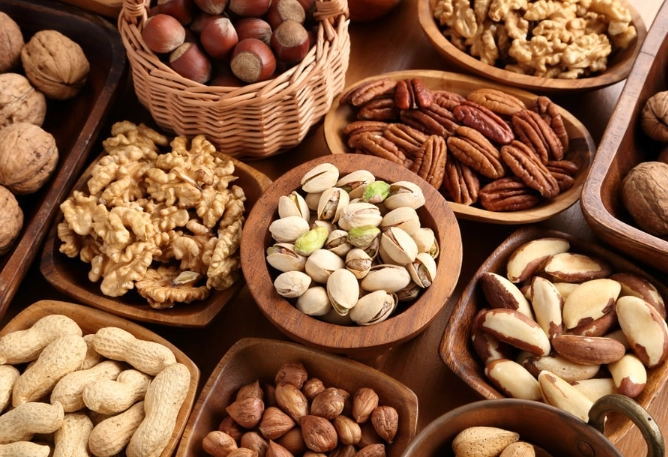
I've been through this myself. My own dog, a curious Labrador mix, once managed to snag a whole bag of trail mix that had fallen behind the couch. The panic that sets in is real. That experience sent me down a rabbit hole of research, talking to vets, and sifting through resources from places like the ASPCA Animal Poison Control Center to get clear answers. What I learned was surprising. Some foods I thought were harmless turned out to be risky, and others I'd banned were maybe okay in tiny amounts.
The Absolute No-Go List: Nuts That Are Toxic to Dogs
This is the non-negotiable section. If you remember nothing else from this article, remember these. These aren't just "maybe not good"—they are known to cause specific, documented toxic reactions in dogs.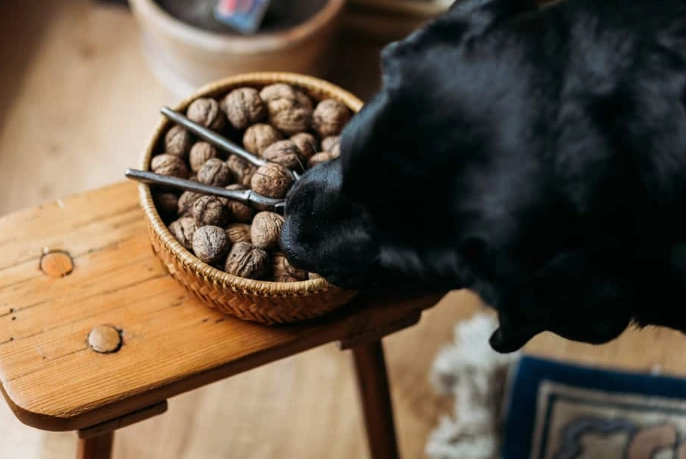
Macadamia Nuts: The Top Offender
Macadamia nuts are public enemy number one in the nut world for dogs. The exact toxin is still unknown, but the effects are well-documented. Even a small amount (as few as 2-3 nuts for a small dog) can cause poisoning. Symptoms usually appear within 12 hours and include weakness (especially in the hind legs), lethargy, vomiting, tremors, and hyperthermia (elevated body temperature). The good news is that with supportive care from a vet, most dogs recover within 24-48 hours, but why put them through it? Just keep macadamias far away.
Moldy Nuts and the Aflatoxin Danger
This one catches people off guard. It's not about the nut type itself, but its condition. Any nut (walnuts, peanuts, etc.) that is old, damp, or stored improperly can grow mold. This mold can produce aflatoxins and other mycotoxins. For dogs, aflatoxin poisoning is serious business. It attacks the liver and can cause irreversible damage, leading to symptoms like vomiting, lethargy, loss of appetite, jaundice (yellow gums/eyes), and even death. The FDA has issued warnings about this risk in pet food, and it applies doubly to old, forgotten nuts in your pantry or those found on the ground during walks.
Why Are Nuts and Seeds Problematic for Dogs, Anyway?
Even for nuts that aren't outright toxic, there are several built-in hazards. Understanding these helps explain why vets often give a blanket "avoid" recommendation.
High Fat Content: Most nuts are loaded with fats. While healthy fats are good, a sudden, large amount of rich fat can overwhelm a dog's pancreas, leading to pancreatitis. This is a painful and potentially life-threatening inflammation. Symptoms include severe vomiting, abdominal pain, hunched back, and lethargy.
Choking and Intestinal Blockage: This is a huge one, especially for larger nuts or whole nuts in shells. A dog doesn't chew like we do. They tend to gulp. A whole walnut or a handful of almonds can easily become lodged in the esophagus, stomach, or intestines. Shells are even worse—they are sharp and can cause tears or obstructions. Surgery is often required to remove blockages.
Salt and Seasonings: The nuts we eat are almost always salted, honey-roasted, or coated in spices like garlic or onion powder. Excessive salt can lead to sodium ion poisoning, causing vomiting, diarrhea, tremors, and seizures. Garlic and onion are toxic to dogs, damaging their red blood cells.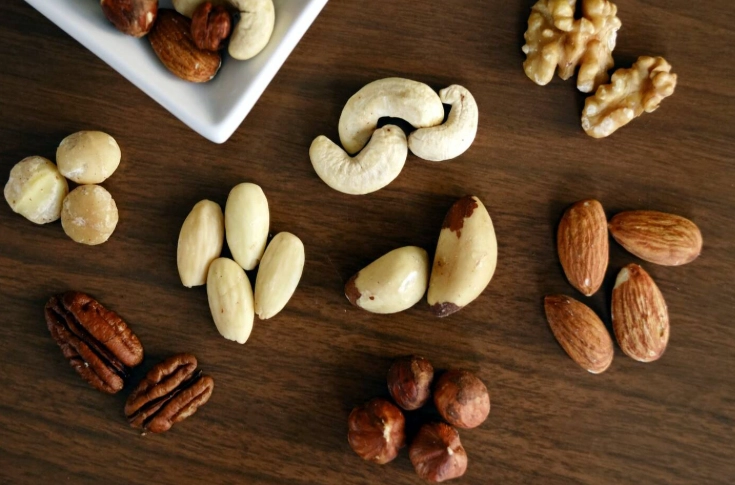
Potential for Allergies: Just like people, dogs can develop allergies. Peanuts are a common allergen. Introducing a new nut could trigger an allergic reaction.
A Practical Guide: Which Nuts, Seeds, and Legumes Are Less Bad?
Okay, so the world of nuts is fraught with peril. But what if your dog literally eats one peanut that fell on the floor? Or you're considering a tiny bit of pure peanut butter in a Kong toy? Let's break it down with a bit more nuance. This table summarizes the common ones. Remember, "low risk" doesn't mean "recommended." It means if a single, plain, unsalted piece is accidentally ingested, you probably don't need to panic.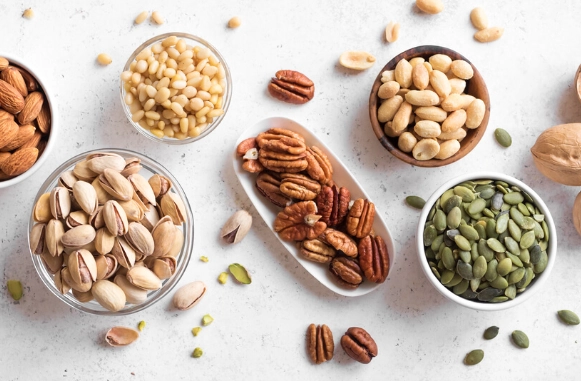
| Food Item | Risk Level & Key Concerns | Our Verdict |
|---|---|---|
| Peanuts & Peanut Butter | Moderate Risk. High fat, choking hazard (whole), common allergen. Xylitol warning: Some sugar-free peanut butchers contain xylitol, which is FATAL for dogs. | Plain, unsalted peanuts in tiny amounts are usually okay. Peanut butter must be 100% peanut, no xylitol, salt, or sugar. Use sparingly. |
| Cashews | Moderate Risk. Very high in fat. Often salted. | One or two plain, unsalted cashews as a rare treat might be okay for a large dog. Not a habit. |
| Almonds | Moderate to High Risk. Hard to digest, high fat, major choking/blockage risk due to shape and size. | Not recommended. The blockage risk is significant, and they offer no nutritional benefit to dogs. |
| Walnuts & Pecans | High Risk. High mold risk (aflatoxin), very high fat, choking/blockage hazard. Black walnuts can be especially toxic. | Avoid. The mold risk from store-bought or ground-found nuts is too high. |
| Pistachios | High Risk. High fat, often heavily salted, shells are a severe choking/blockage hazard. | Avoid. The shell danger alone rules them out. |
| Pumpkin Seeds (Pepitas) | Low Risk if prepared correctly. Raw, shelled, and unsalted. | Can be a healthy treat. Rich in nutrients. Must be plain, and grind them to avoid choking. |
| Sunflower Seeds | Moderate Risk. Shells are indigestible. Often salted. | Only the plain, shelled kernel in tiny amounts. The work to remove shells isn't worth it. |
| Chia & Flax Seeds | Low Risk. Good source of omega-3s and fiber. | Safe in small amounts. Always mix with wet food or liquid, as they absorb water and expand. |
| Cooked Chickpeas, Lentils, Beans | Low Risk. Good plant-based protein and fiber. | Safe in moderation. Must be plain, cooked (never raw), and unsalted. Can cause gas! |
| Raw Kidney Beans | High Risk. Contain a toxin called phytohemagglutinin. | Poisonous when raw or undercooked. Only fully cooked, plain kidney beans are safe in small amounts. |
See the pattern? The problems are almost never *just* the food itself. It's the fat, the salt, the shell, the mold, or the seasoning. When people ask "can dogs eat nuts and seeds and legumes," they're really asking about the plain, ideal version. Reality is messy.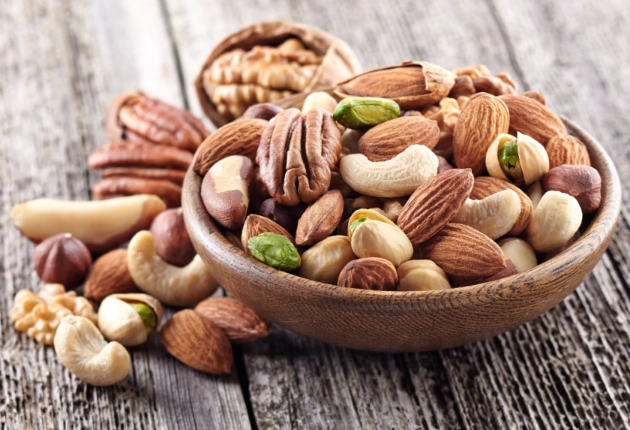
What to Do If Your Dog Eats Something Dangerous
Mistakes happen. Dogs are scavengers by nature. Here's your action plan, straight from the pros:
- Don't Panic, But Act Quickly. First, identify what and how much they ate. Grab the package or try to estimate the number of nuts.
- Call for Expert Help Immediately. Do not wait for symptoms. Call your regular veterinarian or an emergency vet clinic. If they are closed, call the ASPCA Animal Poison Control Center (888-426-4435) or the Pet Poison Helpline (855-764-7661). These are fee-based services, but their advice is invaluable and can guide your vet. Having this number saved in your phone is one of the best things you can do as a pet owner.
- Follow Instructions. The expert may tell you to induce vomiting (only if instructed!), bring your dog in, or monitor at home. Do not try home remedies without professional guidance.
Answering Your Burning Questions (The FAQ Section)
"My dog ate one almond. Should I rush to the ER?"
Probably not. For a medium or large dog, one plain, unsalted almond is unlikely to cause poisoning. The main risk is choking or blockage if it was swallowed whole. Watch for signs of distress, vomiting, or inability to pass stool. If you have a tiny dog, or if the almond was coated in something, a call to your vet for advice is a good idea. But one almond usually isn't an emergency.
"Is peanut butter safe for dogs? I hear different things."
This is the big one. Most peanut butter is safe, but you must read the label like a detective. The only ingredient should be peanuts. Avoid:
- Xylitol: This sugar substitute is an absolute nightmare for dogs. It causes a rapid and severe release of insulin, leading to hypoglycemia (low blood sugar), seizures, and liver failure. It's in many "sugar-free" or "low-carb" products. The FDA has repeatedly warned about xylitol poisoning.
- Added sugar or corn syrup.
- Excessive salt.
- Chocolate or other flavorings.
A small spoonful of pure, xylitol-free peanut butter is a classic treat for hiding pills or in a toy.
"What about almond butter or almond milk?"
Almond butter carries the same high-fat and potential blockage concerns as whole almonds, but without the choking hazard. A tiny lick is probably fine, but it's not a healthier alternative to peanut butter. Almond milk is mostly water and often contains additives like sweeteners, thickeners, or vanilla flavoring. Plain, unsweetened almond milk in a small amount isn't toxic, but it offers no nutritional benefit and could upset their stomach. Water is always the better drink.
"Are beans and lentils good for my dog's diet?"
Cooked, plain beans and lentils can be a healthy occasional addition or are found in some high-quality commercial dog foods as a protein and fiber source. They must be thoroughly cooked (never feed raw beans) and have no salt, onions, garlic, or seasonings. Start with a small spoonful to see how their stomach handles it. Be prepared for some extra gas—it's a common, if humorous, side effect.
Can dogs eat nuts and seeds and legumes from a can? With beans, yes, but you must rinse them thoroughly to remove the salty, starchy canning liquid.
"What's a safe alternative treat?"
This is the best question to ask! Instead of worrying about nuts, stick with treats made for dogs. Small pieces of plain, cooked chicken, turkey, or lean beef. Dog-safe fruits and veggies like blueberries, sliced apples (no seeds), carrots, or green beans. Commercial training treats. These are all lower-risk, lower-fat options that your dog will love just as much.
The Bottom Line: A Simple Rule for a Complicated Topic
After all this information, it can feel overwhelming. So let's simplify it into a rule you can live by:
Treat nuts, seeds, and most legumes as unnecessary risks, not treats.
The potential dangers—from sudden pancreatitis to a life-threatening blockage or hidden toxins like xylitol and aflatoxin—far outweigh any minimal nutritional benefit they might offer your dog. Their regular food is complete. The occasional dog-safe fruit, vegetable, or piece of plain meat is a much smarter way to show love.
Can dogs eat nuts and seeds and legumes? Technically, some, in very specific forms, in tiny amounts, might not hurt. But knowing what I know now, after my own scare and all the research, I just don't give them. It's one less thing to worry about, and my dog doesn't feel like he's missing out. He's perfectly happy with his carrot stick, and I'm perfectly happy knowing he's safe.
Keep the trail mix for yourself.
Share a carrot instead.
Your dog's health is worth the simple swap. If you're ever unsure, a quick call to your vet or a glance at a trusted resource like the Merck Veterinary Manual can give you peace of mind. Stay safe out there.



Leave a comment