Quick Navigation: What You'll Find Here
- Forget One-Size-Fits-All: Why Age is Your Starting Point
- The Kitten Phase (0 - 12 Months): Fueling the Growth Spurt
- The Adult Cat (1 - 7 Years): Finding the Maintenance Sweet Spot
- The Senior & Geriatric Stage (7+ Years): Adjusting for Age-Related Changes
- Special Considerations: It's Not Just About Age
- The Tools You Need: Beyond the Food Bowl
- Your Questions Answered: The Practical Stuff
- Putting It All Together: Your Weekly Check-In
Let's be honest. When I brought my first kitten home, the feeding part was a total mystery. The bag said "feed as directed," but what did that even mean? Was a handful enough? Too much? I spent more time worrying about how much to feed a cat by age than almost anything else. And you know what? I messed up. I probably overfed that little guy for months.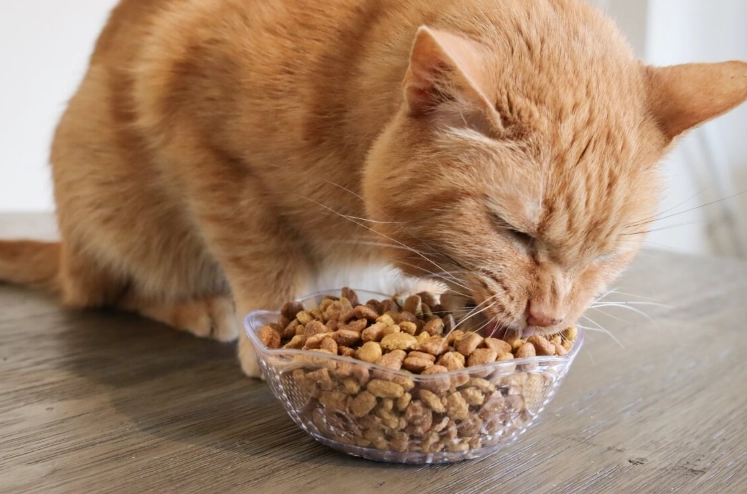
It's not just about dumping food in a bowl. Getting the portions right for your cat's age is one of the most direct things you can do for their long-term health. Underfeed a growing kitten, and you risk developmental problems. Overfeed an adult cat, and you're looking at obesity, diabetes, joint issues—the list goes on. It feels like a tightrope walk sometimes.
But it doesn't have to be confusing. After years of trial and error, talking to vets, and digging through resources from places like the American Association of Feline Practitioners (AAFP) and the World Small Animal Veterinary Association (WSAVA), I've learned that there's a clear logic to it. This guide is my attempt to strip away the guesswork and give you a straightforward, stage-by-stage look at how much to feed a cat by age.
We'll cover everything from the tiny milk-dependent newborn to the dignified senior cat with slower metabolism. I'll even throw in some of the mistakes I made, so you can avoid them.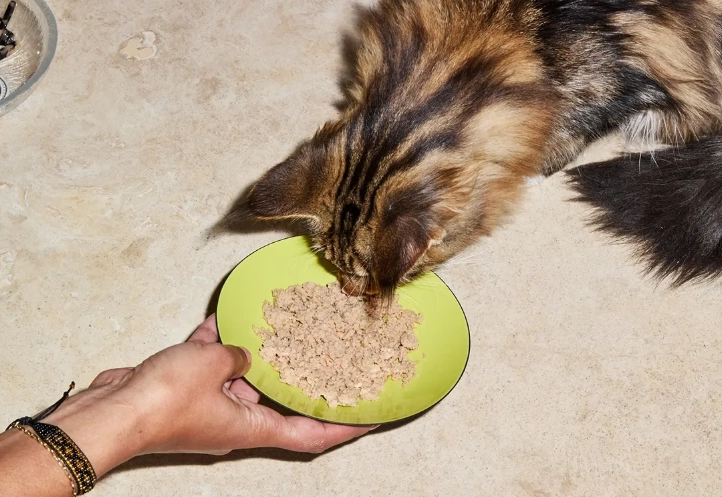
Forget One-Size-Fits-All: Why Age is Your Starting Point
You wouldn't feed a toddler the same meal as a teenager, right? The same principle applies to cats. Their nutritional needs shift dramatically throughout their lives. A calorie amount that's perfect for a 2-year-old active cat could starve a 4-month-old kitten or pile on unhealthy weight for a 12-year-old senior.
The core variables that change with age are:
- Energy Density Needed: Kittens are growth machines. Pound for pound, they need nearly double the calories of an adult cat. Seniors, on the other hand, often need fewer calories but more targeted nutrients.
- Nutrient Profile: Kittens require more protein, fat, and certain minerals like calcium for bone development. Adult maintenance food has a different balance. Senior formulas might have joint supplements, easier-to-digest proteins, and controlled phosphorus levels.
- Feeding Frequency: A kitten's tiny stomach can't hold a day's worth of food. They need multiple small meals. Adults can often do well on two. Some seniors or cats with health issues might go back to smaller, more frequent meals.
The golden rule? The feeding guidelines on your cat food bag are just that—guidelines. They're a starting point, not a gospel. Your individual cat's metabolism, activity level, and health status mean you'll almost always need to adjust. Monitoring their body condition is key.
The Kitten Phase (0 - 12 Months): Fueling the Growth Spurt
This is the most critical phase for setting the right habits. Kittens grow from helpless newborns to mini-adults in a year, and their feeding needs evolve just as fast.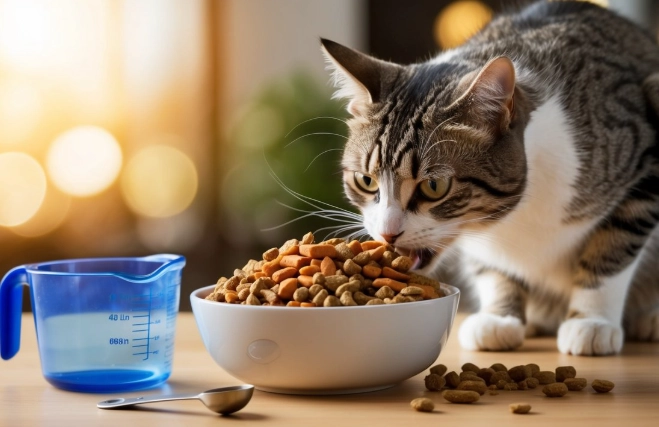
Newborn to 4 Weeks: The Milk-Only Stage
If you're caring for an orphaned kitten, this is intensive care territory. They need a commercial kitten milk replacer (never cow's milk!) every 2-4 hours, around the clock. The amount is based on weight, usually about 8 ml per ounce of body weight per day, divided into those many feedings. Keeping them warm and helping them eliminate is part of the process. Honestly, if you find yourself in this situation, your first call should be to a vet or a rescue experienced in neonatal kittens. The Kitten Lady website is an incredible resource for this stage.
For kittens with their mother, she handles everything. Your job is to make sure mom is well-fed with a high-quality kitten or all-life-stages food to support her milk production.
4 Weeks to 6 Months: The Rocket Fuel Phase
This is when kittens are weaned onto solid food and experience their most rapid growth. Their energy needs are insane. I remember my cat, Leo, at this age—a blur of fur and boundless energy. He seemed to burn calories just by blinking.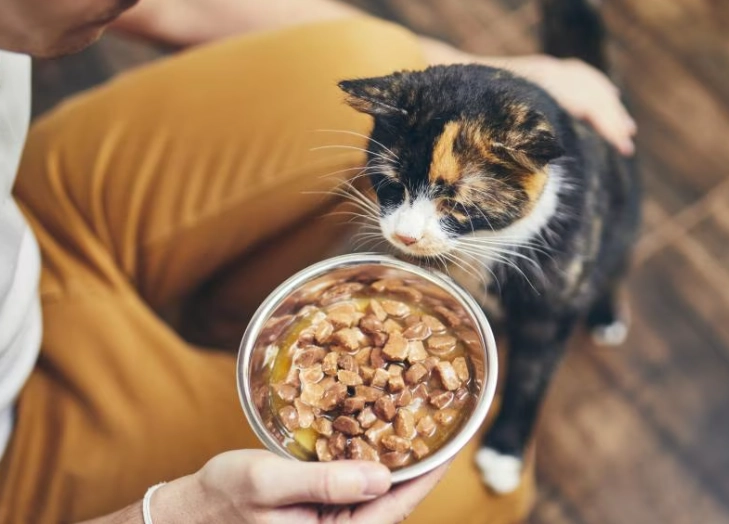
Here's a rough framework for how much to feed a cat by age during this high-growth period. Remember, this is for a high-quality kitten food. Cheaper foods with lots of fillers might have you feeding more volume for the same nutrition, which isn't ideal.
| Kitten Age | Weight Range | Daily Calories (Approx.) | Feeding Frequency | Key Notes |
|---|---|---|---|---|
| 2 months | 1.5 - 2.5 lbs | 200 - 275 kcal | 4+ meals | Fully weaned. Stomach is tiny. |
| 3-4 months | 3 - 5 lbs | 275 - 350 kcal | 4 meals | Peak growth rate. May seem bottomless! |
| 5-6 months | 5 - 7 lbs | 300 - 400 kcal | 3 meals |
Free-feeding vs. Scheduled Meals: For many kittens, leaving out a bowl of dry kitten food (free-feeding) works fine, as they tend to self-regulate during growth spurts. But watch out for the ones who will eat anything in sight—those guys need scheduled meals to prevent obesity even at this young age. For wet food, scheduled meals are a must.
6 to 12 Months: The Slowdown Begins
Growth starts to taper off. You might notice your kitten filling out rather than shooting up. Calorie needs begin to stabilize towards adult levels. This is a good time to transition from 3-4 meals a day down to 2-3.
Start paying closer attention to their body condition. You should be able to feel their ribs easily under a thin layer of fat, and they should have a visible waist when viewed from above. If you're unsure about what a healthy weight looks like, the Pet Nutrition Alliance has excellent body condition score charts.
My biggest mistake with Leo was not reducing his portions as he hit 8-9 months. I kept feeding him like the ravenous 4-month-old he once was. He got a little... round. It took a conscious effort to cut back and get him playing more to get back to a healthy weight.
The Adult Cat (1 - 7 Years): Finding the Maintenance Sweet Spot
This is the longest life stage, and where most questions about how much to feed a cat by age really settle in. The goal is maintenance—providing enough energy for health and activity without causing weight gain.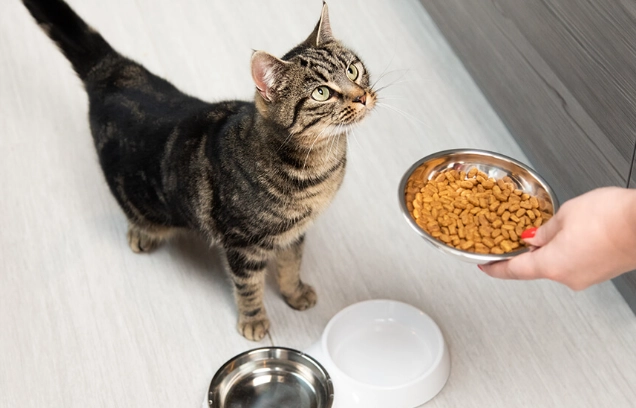
The classic formula vets use is: Resting Energy Requirement (RER) = (30 x body weight in kg) + 70. For a 10 lb (4.5 kg) cat, that's about (30 x 4.5) + 70 = 205 calories just for basic bodily functions.
Then, you multiply that RER by a factor based on lifestyle:
- Neutered Adult, Indoor, Normal Activity: RER x 1.2 (This covers most pet cats)
- Intact Adult: RER x 1.4
- Very Active/Outdoor Cat: RER x 1.6+
- Overweight/Prone to Gain: RER x 1.0 (for weight loss, a vet might go even lower)
So, our 10 lb neutered indoor cat needs about 205 x 1.2 = 246 calories per day.
Let's put that into a more practical table. These are estimates for an average indoor, neutered adult cat. An active Bengal or a lazy Ragdoll will differ.
| Cat Weight (lbs) | Daily Calories (Approx.) | Dry Food (cups)* | Wet Food (5.5oz cans)* |
|---|---|---|---|
| 6 lbs | 180 - 200 kcal | 1/3 - 1/2 cup | ~3/4 can |
| 8 lbs | 220 - 240 kcal | 1/2 - 2/3 cup | ~1 can |
| 10 lbs | 240 - 280 kcal | 2/3 - 3/4 cup | ~1 - 1.25 cans |
| 12 lbs | 280 - 320 kcal | 3/4 - 1 cup | ~1.25 - 1.5 cans |
*This assumes a mid-range calorie density (around 400 kcal/cup for dry, 100-120 kcal/can for wet). Always check your specific brand's calorie content! It's on the label, usually in kcal/kg or kcal/cup.
The number one mistake I see (and made myself) is "eyeballing" portions. A level measuring cup is essential. That "extra little bit" you think is nothing can add up to 50+ extra calories a day—that's over 3 pounds of weight gain in a year! Weighing their food is even more accurate and prevents the creep of extra calories.
The Senior & Geriatric Stage (7+ Years): Adjusting for Age-Related Changes
Around age 7 (earlier for some breeds), cats enter their senior years. Their metabolism slows, muscle mass can decrease, and they're often less active. But they're not just "old adults." Their needs are different.
Many older cats actually need fewer calories than a middle-aged adult to prevent obesity. But at the same time, they might need more easily digestible protein to support muscle mass, and specific nutrients for joint, kidney, and brain health.
Feeding Adjustments for Seniors
- Calorie Reduction: Start by reducing their daily intake by 10-20% from their adult maintenance amount, but monitor their weight weekly. The goal is to keep them lean, not thin.
- Protein Quality: Look for foods with high-quality, highly digestible animal proteins. Senior cats can be less efficient at processing protein, so they need the good stuff.
- Hydration is King: Kidney function naturally declines. Wet food becomes incredibly valuable here to increase water intake. Consider adding water or low-sodium broth to dry food.
- Frequency: Smaller, more frequent meals (3-4 a day) can be easier on their digestion.
This is also the time when underlying health issues (kidney disease, hyperthyroidism, arthritis, dental disease) become common. Each of these conditions requires a specific dietary approach. A vet check-up every 6 months is crucial. Your vet can recommend prescription or therapeutic diets tailored to your senior cat's health.
Special Considerations: It's Not Just About Age
While how much to feed a cat by age gives us the framework, these other factors are the fine-tuning knobs.
- Neutering/Spaying: This reduces metabolic rate by 20-30%. That's why the adult calculation uses a factor of 1.2 for neutered cats vs. 1.4 for intact ones. Adjust portions immediately after the procedure to prevent weight gain.
- Activity Level: A cat that plays fetch for 20 minutes a day needs more than a cat that only moves to eat and use the litter box. Adjust accordingly.
- Indoor vs. Outdoor: Outdoor cats deal with temperature extremes and more activity, so they need more calories. But they also have more risks (disease, injury), so many vets recommend keeping cats indoors.
- Breed: A large Maine Coon or Ragdoll will need more than a petite Siamese, even at a healthy weight. Use target weight, not current weight if your cat is overweight.
See? It's a puzzle. But you hold most of the pieces.
The Tools You Need: Beyond the Food Bowl
Getting the amount right is half the battle. How you deliver it matters.
- Measuring Cups & Kitchen Scales: Non-negotiable for accuracy. A scale is best for dry food.
- Scheduled Meals: I'm a huge advocate for 2-3 scheduled meals vs. free-feeding for adults. It lets you monitor appetite (a key health indicator), prevents boredom eating, and allows for multi-cat households to manage individual diets.
- Puzzle Feeders & Slow Feeders: These are game-changers. They turn eating into a mental and physical activity, slowing down gobblers and providing enrichment. A simple muffin tin can work!
- Separate Feeding Stations: If you have multiple cats with different dietary needs (kitten vs. senior, weight loss vs. maintenance), you must feed them separately in different rooms or with microchip-activated feeders.
Your Questions Answered: The Practical Stuff
How do I know if I'm feeding the right amount?
Use the Body Condition Score (BCS). You should be able to easily feel their ribs with a slight fat covering (like the back of your hand). They should have a visible waist when viewed from above and an abdominal tuck when viewed from the side. If you can't feel ribs, they're likely overweight. If ribs are prominent, they're underweight. Weigh your cat monthly.
My cat is always begging for food. Does that mean he's hungry?
Not necessarily. Cats are masters of manipulation and creatures of habit. If you feed them when they beg, you train them to beg more. Stick to the schedule. Ensure they're at a healthy weight (see BCS above). Sometimes, boredom or thirst (mistaken for hunger) is the cause. Try a play session or offering water first.
Should I feed wet, dry, or a combination?
There's no single right answer, but here's my take: Wet food is superior for hydration and lower carbohydrates. It's especially important for seniors and cats prone to urinary issues. Dry food is convenient and can be better for dental health (though not a substitute for brushing). A combination is popular. If you combo feed, remember to reduce the dry food amount to account for the wet food calories. Don't just add wet food on top of the full dry portion—that's a sure path to weight gain.
How do I switch my cat to a new food or adjust portions?
Slowly. Over 7-10 days, mix increasing amounts of the new food with decreasing amounts of the old. For portion changes, adjust by only 10% at a time over a week or two. Sudden changes can cause digestive upset or food rejection.
Putting It All Together: Your Weekly Check-In
Figuring out how much to feed a cat by age isn't a one-time calculation. It's an ongoing conversation with your cat's body.
Here's a simple routine:
- Weekly: Do a quick hands-on BCS check. Feel those ribs.
- Monthly: Weigh your cat. A simple baby scale works. Track it.
- Every 6-12 Months (or as recommended by your vet): Have a vet assess their weight and overall health. Discuss their diet.
- When in Doubt: Talk to your veterinarian. They can give you a personalized calorie target and recommend specific foods for your cat's life stage and health status.
It gets easier. I promise.
The goal isn't perfection. It's awareness. It's moving from guessing to knowing, from worrying to having a plan. By understanding the "why" behind the amounts—the changing needs from kittenhood to the golden years—you become the best advocate for your cat's lifelong health. And that's a feeling that beats any guilty treat you might want to give them.
Start with the math for their age and weight. Then watch, adjust, and listen to what their body tells you. You've got this.



Leave a comment