You hear that sound. The one every dog owner dreads. It's 2 AM, and your furry friend is scrambling to the door, whining. You let them out, and sure enough, it's diarrhea. Your heart sinks. What do you do now? What can you even give them?
Let's cut straight to the chase. For a single, uncomplicated bout of diarrhea in an otherwise healthy adult dog, the first line of defense isn't a magic pill—it's often a brief period of gut rest, followed by a bland diet. Think plain boiled chicken and white rice, or a bit of canned pumpkin. But the devil, as they say, is in the details. Giving the wrong thing, or the right thing at the wrong time, can make it worse.
I've been through this more times than I care to remember with my own dogs, including my sensitive-stomached Golden Retriever, Luna. I've also made the classic mistake of panicking and offering food too soon. This guide pulls from vet advice, scientific resources like the Merck Veterinary Manual, and hard-earned personal experience to walk you through exactly what to do.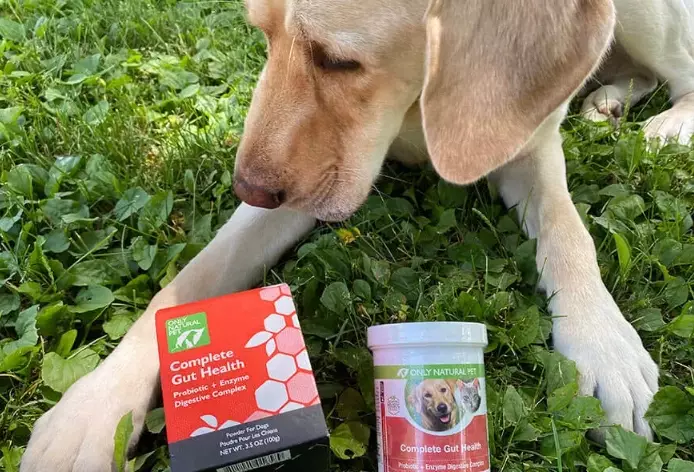
Quick Navigation: What You'll Find Here
What to Give a Dog with Diarrhea: The Step-by-Step Plan
Don't just start throwing food at the problem. A structured approach works best. This is the sequence I follow now after learning the hard way.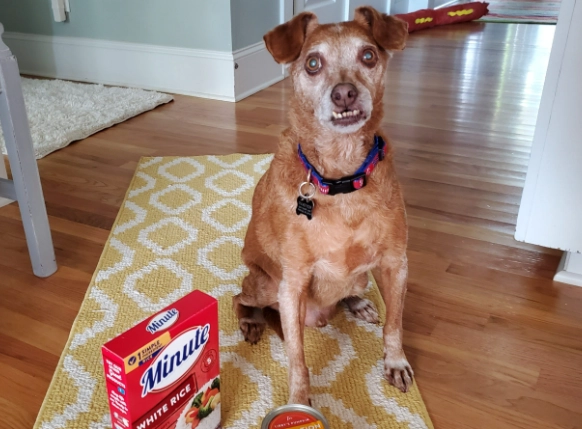
Step 1: Assess and Withhold Food (Briefly)
If your dog just had one loose stool but is acting perfectly normal—playing, begging for treats—you can sometimes skip this step. But for active, watery diarrhea, most vets recommend a 12 to 24-hour fasting period for adult dogs. No food at all. This gives the inflamed intestinal tract a chance to rest and reset.
Critical Note: This is a food fast, not a water fast. Your dog must have access to fresh, clean water at all times. Diarrhea causes fluid loss, and dehydration is the real danger. If they're not drinking, offer ice cubes or a small amount of low-sodium chicken broth (onion and garlic-free) to encourage intake.
Puppies, small breed dogs, or dogs with pre-existing health conditions should not be fasted without consulting a vet. Their energy reserves are too low.
Step 2: Introduce a Bland Diet
After the fasting period, if the diarrhea has subsided, it's time for the classic bland diet. The goal is something easily digestible, low in fat, and binding.
The most common recipe is:
- Boiled White Meat Chicken (no skin, no bones, no seasoning) or Extra-Lean Ground Beef (boiled and rinsed to remove fat).
- Plain White Rice or Plain Boiled Potatoes (no butter or salt).
The ratio should be about 1 part protein to 2 parts carbohydrate. So, for example, 1 cup of shredded chicken mixed with 2 cups of white rice.
Start small. Offer a few tablespoons for a small dog, or a half-cup for a large dog. Wait a few hours. If that stays down and the stool starts to firm up, you can offer another small meal.
Step 3: The Slow Transition Back
Here's where most people slip up. Your dog seems fine after two days of chicken and rice, so you go right back to their regular kibble. Big mistake. That sudden switch can shock the system and cause diarrhea to return.
Feed the bland diet for 2-3 days after the stools have normalized. Then, over the course of 3-4 days, gradually mix their regular food back in. Day 1: 75% bland diet, 25% regular food. Day 2: 50/50. Day 3: 25% bland, 75% regular. By Day 4 or 5, they should be back on their normal diet.
The Safe Foods List: What You Can Actually Give
Beyond the chicken and rice standard, there are a few other vet-approved options. This table breaks down the what, why, and how.
| Food Item | Why It Can Help | How to Prepare & Serve | Notes & Cautions |
|---|---|---|---|
| Plain Canned Pumpkin (100% pure) | High in soluble fiber, which absorbs excess water in the gut and adds bulk to stool. Not pumpkin pie filling. | 1-4 tablespoons mixed into bland food, depending on dog size. Start small. | A go-to for both diarrhea and constipation. It's a gut regulator. |
| Plain Yogurt or Probiotic Supplements | Introduces beneficial bacteria to help restore the gut microbiome after digestive upset. | A spoonful of plain, unsweetened yogurt with active cultures. Or a vet-recommended canine probiotic powder. | Some dogs are lactose intolerant. Probiotic supplements are often more reliable. |
| Bone Broth (Dog-Safe) | Provides hydration, electrolytes, and amino acids like glycine that are soothing to the gut lining. | Serve warm as a drink, or pour over a bit of white rice. Ensure it's made without onions, garlic, or excess salt. | Excellent for encouraging drinking. You can find pre-made dog bone broth in pet stores. |
| Boiled Sweet Potato | Another easily digestible, fiber-rich carbohydrate alternative to white rice. | Peel, boil until soft, and mash. Mix with a lean protein. | Some dogs tolerate this better than rice. It's also more nutrient-dense. |
What NOT to Give: Common Mistakes That Backfire
In your desire to help, it's easy to reach for the wrong thing. Avoid these like the plague when your dog has diarrhea:
- Dairy Products (Milk, Cheese): Most adult dogs are lactose intolerant to some degree. Dairy will almost certainly worsen diarrhea and gas.
- Fatty Foods or Greasy Leftovers: Bacon, sausage, hamburger grease, fried foods. Fat is very hard for an upset gut to process and is a major cause of pancreatitis, a serious condition that often starts with vomiting and diarrhea.
- High-Fiber Dog Food or Treats (Abruptly): While fiber can help, suddenly switching to a high-fiber diet can exacerbate the issue. Stick to the simple bland foods first.
- Human Anti-Diarrheal Medications (Like Imodium/Loperamide): This is a big one. Some vets may prescribe it in specific cases, but it can be toxic for certain breeds (like Collies) and can mask a serious underlying problem. Never give without explicit vet instruction.
- Rich or Novel Proteins: Hold off on that new bag of salmon kibble or venison treats. Stick to the lean, boring protein they're used to.
Red Flags: When Home Care Isn't Enough
Knowing when to call the vet is as important as knowing what to feed. Home treatment is for simple, acute cases. If you see any of the following, pick up the phone.
Stop Home Treatment and Contact Your Vet Immediately If:
- Diarrhea is accompanied by vomiting, especially if they can't keep water down.
- You see blood (bright red or dark, tarry stools) in the diarrhea.
- Your dog seems lethargic, depressed, or in pain (whining, hunched posture).
- The diarrhea is profuse and watery and has lasted more than 48 hours despite fasting and bland diet.
- Your dog is a puppy, senior, or has a pre-existing condition like diabetes or kidney disease.
- You suspect they ate something toxic (chocolate, xylitol, grapes, etc.) or a foreign object.
Persistent diarrhea can signal parasites (like giardia), bacterial infections, food allergies, inflammatory bowel disease, or other serious issues. Your vet can run tests to find the root cause.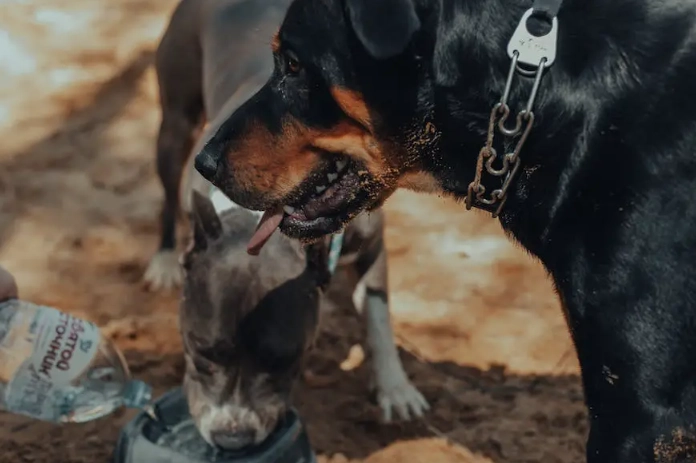
Your Top Questions on Dog Diarrhea, Answered
It depends on the duration. A single loose stool in a happy, energetic dog might just be a minor dietary indiscretion. Monitor them closely. If it happens more than twice, or if the stool becomes watery, start the home care plan (brief fast, then bland diet). The key is watching for any change in behavior. If the diarrhea continues beyond 24 hours even with a normal attitude, a vet check is wise to rule out parasites or other low-grade issues.
Start with 1-2 tablespoons of plain canned pumpkin mixed into their bland food. You can give this 1-2 times a day. The goal isn't to fill them up with pumpkin, but to use its fiber content. Too much pumpkin too fast can have the opposite effect or cause gas. For smaller dogs, start with a teaspoon; for larger dogs, you might go up to 1/4 cup, but always start on the lower end.
For the very first meal after a fast, plain white rice alone is fine. It's binding and easy to digest. However, for more than a meal or two, you should add a lean protein. Dogs need protein. A rice-only diet lacks essential amino acids and won't support healing in the long term. The chicken (or other lean protein) provides the building blocks for repairing the irritated intestinal lining.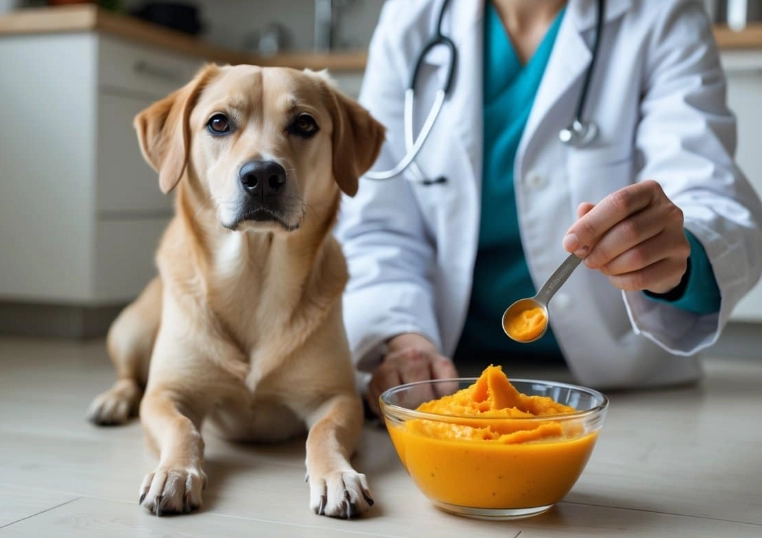
This is a classic case. Immediately stop the new food. Go back to the home care basics: a short fast, then a bland diet of chicken and rice or their old food if it agreed with them. The diarrhea was likely caused by switching foods too quickly. Once their stomach is settled, if you still want to switch foods, do it over 7-10 days, mixing increasing amounts of the new food with the old. A slower transition gives the gut enzymes and bacteria time to adapt.
Many are, but quality varies wildly. Human probiotics may not contain strains optimal for canine guts. Look for a probiotic made specifically for dogs, with strains like Enterococcus faecium and Bifidobacterium animalis, which have research supporting their use in dogs. Brands like Purina Pro Plan FortiFlora are widely recommended by vets. When in doubt, ask your veterinarian for a recommendation—they often carry proven products in-clinic.
Dealing with a sick dog is stressful. But having a clear, vet-informed plan takes some of the panic away. Remember the core sequence: assess, rest the gut, reintroduce with bland food, transition slowly. Keep water available, watch for red flags, and don't hesitate to seek professional help when things seem off. Here's to your dog's quick recovery and happier tummy days ahead.
Leave a comment