In This Guide
- What Is a Healthy Female Cat Body Weight? (It's Not One Number)
- How to Check Your Cat's Weight and Body Condition at Home
- Why Getting Your Female Cat's Body Weight Right Is Crucial
- How to Help Your Female Cat Lose Weight (Safely)
- How to Help Your Female Cat Gain Weight (The Right Way)
- Special Considerations: Spayed Cats, Seniors, and Breeds
- Your Female Cat Body Weight Questions, Answered
- Putting It All Together: A Simple Monthly Check-In Routine
You've probably heard the statistic from the Pet Obesity Prevention group – over 60% of cats in the US are overweight or obese. That's a staggering number. And female cats, especially after spaying, can be particularly prone to weight gain. But on the flip side, an unexpectedly low female cat body weight can signal serious health issues that need immediate attention. So, where's the sweet spot? How do you find it and maintain it? That's exactly what we're diving into.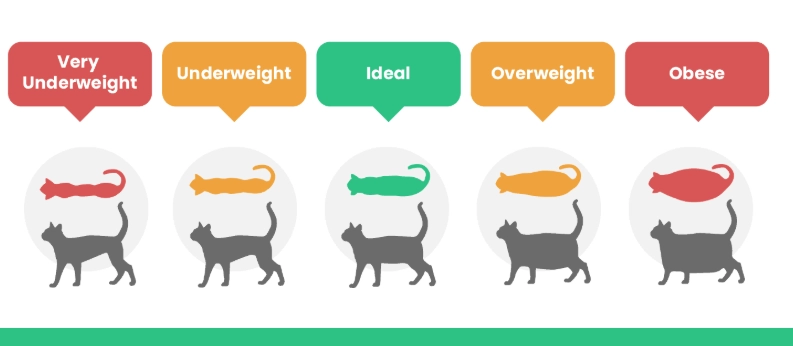
What Is a Healthy Female Cat Body Weight? (It's Not One Number)
This is the biggest myth to bust right away. There is no single "perfect weight" for all female cats. Asking "How much should my female cat weigh?" is like asking "How tall should a person be?" It depends. A lot. The typical domestic shorthair female cat usually falls between 8 and 12 pounds (3.6 to 5.4 kg). But that's a huge range, and it's just a starting point.
My neighbor's sleek Siamese is perfectly healthy at 6 pounds. My friend's sturdy Maine Coon mix is a lean, mean hunting machine at 14 pounds. Both are at their ideal female cat body weight. The key is understanding the factors that shift that ideal target.
Factors That Determine Ideal Weight
Breed: This is the big one. A Singapura is genetically tiny; a Norwegian Forest Cat is built large. Always consider breed standards first. The Cat Fanciers' Association (CFA) provides breed standards that often include weight ranges, which is a useful reference point.
Frame Size: Even within a breed or mix, cats have different frames. You can have a "small-boned" or "large-boned" cat. Feel her ribs and spine – the structure underneath tells you about her frame.
Age & Life Stage: A kitten's weight skyrockets. An adult cat should be stable. A senior cat might lose muscle mass, causing weight to drop even if she looks okay. Their nutritional needs and metabolism change dramatically.
Whether She's Spayed: This is non-negotiable for most pet cats and has a major impact. Spaying reduces energy requirements by about 20-30%. If you keep feeding the same amount, weight gain is almost guaranteed. It's not the spaying itself that makes them fat; it's the unchanged diet post-surgery.
Here’s a more detailed look at average weight ranges. Remember, these are averages and guides, not rules.
| Life Stage | Typical Age | Healthy Weight Range (Avg. Domestic Cat) | What's Happening |
|---|---|---|---|
| Kitten | 0 - 6 months | 0.5 lbs (at birth) to 5-6 lbs | Rapid growth. Weight should increase steadily weekly. |
| Junior | 7 months - 2 years | Reaching full adult size, 7-10 lbs | Filling out, muscle development. Activity high. |
| Prime Adult | 3 - 6 years | Stable at 8-12 lbs (ideal maintenance) | Metabolism stable. This is her "base weight." |
| Mature Adult | 7 - 10 years | May see slight increase or decrease | Activity may drop. Need to monitor closely for creep. |
| Senior | 11 - 14 years | May decrease due to muscle loss | Sarcopenia (muscle loss) can cause weight drop even if eating. |
| Geriatric | 15+ years | Often lower, varies greatly | Health management critical. Weight often a key indicator. |
See? It's a moving target. A 12-pound cat might be obese, ideal, or underweight depending on where she falls in that grid.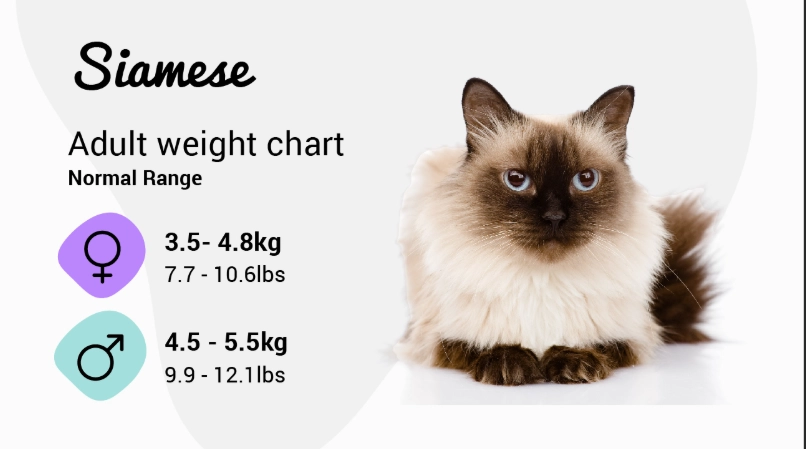
How to Check Your Cat's Weight and Body Condition at Home
You don't need a vet visit every week. Here’s a simple, hands-on method you can do right now. I do this with Mochi every month – it takes two minutes.
The Rib Test: Place both hands on the sides of her chest, behind her front legs. You should be able to easily feel her ribs with a light touch, like feeling the bones on the back of your hand. If you have to press, there's too much fat. If the ribs are protruding sharply, she's too thin.
The Profile View: Look at her from the side while she's standing normally. You should see a slight upward tuck in her abdomen behind the ribs. A straight line from chest to hips or a sagging belly (the dreaded "primordial pouch" is one thing, but fat is another) suggests excess weight.
The Bird's-Eye View: Look down at her from above. You should see a gentle hourglass shape – a slight indent at the waist behind the ribs. If her body is oval-shaped or cylindrical (like a football or a tube of cat treats), she's carrying extra weight.
The 9-Point Body Condition Score (BCS) Chart
Vets use this. You should too. It standardizes what you're feeling and seeing.
- BCS 1 (Emaciated): Ribs, spine, hip bones visible from a distance. No fat. Obvious loss of muscle.
- BCS 2 (Very Thin): Ribs easily felt, minimal fat. Waist obvious from above. Abdominal tuck pronounced.
- BCS 3 (Thin): Ribs easily felt with slight fat cover. Waist noticeable. Abdominal tuck present.
- BCS 4 (Underweight): Ribs felt with minimal fat. Waist visible from above. Slight abdominal tuck.
- BCS 5 (IDEAL): Ribs felt without excess fat. Waist observed behind ribs from above. Abdomen tucked up when viewed from side.
- BCS 6 (Overweight): Ribs felt with slight excess fat. Waist discernible but not prominent. Abdominal tuck may be slight.
- BCS 7 (Heavy): Ribs difficult to feel under fat. Waist poorly visible or absent. Obvious rounding of abdomen. Fat deposits on lower back.
- BCS 8 (Obese): Ribs very difficult to feel under thick fat. No waist. Abdomen rounded and distended. Obvious fat deposits on spine, base of tail.
- BCS 9 (Grossly Obese): Massive fat deposits on chest, spine, base of tail. Abdomen grossly distended. No waist or abdominal tuck.
Aim for a BCS of 5. If your cat is a 6 or 7, it's time for a gentle course correction. An 8 or 9 means a serious, vet-guided plan is needed.
Why Getting Your Female Cat's Body Weight Right Is Crucial
This isn't about aesthetics or cat-shaming. It's about longevity and quality of life. The consequences of an improper female cat body weight are severe and well-documented.
- Diabetes Mellitus: This is a huge one. Excess fat causes insulin resistance. Feline diabetes is a lifelong, expensive, and demanding condition to manage. The Cornell Feline Health Center notes obesity as a top risk factor.
- Arthritis & Joint Pain: Those little joints aren't meant to carry extra load. It leads to pain, less mobility, and a vicious cycle (less movement = more weight gain).
- Urinary Tract Disease: Overweight cats are more prone to FLUTD (Feline Lower Urinary Tract Disease).
- Hepatic Lipidosis (Fatty Liver Disease): If an obese cat stops eating for even a few days, the body dumps fat into the liver to process for energy, overwhelming it. This is a life-threatening emergency.
- Skin Problems: They can't groom properly, leading to matting, dandruff, and skin infections.
- Anesthesia Risk: Any surgery becomes much riskier.
It shortens their lives. Period.
But let's not forget the other side.
The Dangers of Being Underweight: A sudden drop in female cat body weight, or a chronically low weight, is often a red flag for underlying disease:
- Hyperthyroidism (very common in seniors)
- Chronic kidney disease
- Inflammatory bowel disease (IBD)
- Dental disease causing pain while eating
- Cancer
Any unexplained weight loss in a cat warrants a vet visit ASAP. It's one of the most sensitive indicators of illness.
How to Help Your Female Cat Lose Weight (Safely)
If your girl is a BCS 6 or above, here's a practical plan. Critical first step: See your vet. Rule out medical causes (like hypothyroidism, which is rare but possible) and get a safe target weight and daily calorie goal. Crash diets are dangerous for cats.
Step 1: Measure Her Food. Exactly.
Stop free-feeding kibble. That's public enemy number one for cat weight. Use a measuring cup or, better yet, a kitchen scale for absolute accuracy. Feed her specific, measured meals 2-4 times a day. The bag's feeding guide is a starting point, often too generous. Your vet will give you a better number.
Step 2: Choose the Right Food.
Look for a high-protein, moderate-fat, low-carbohydrate food. Protein keeps them feeling full and preserves muscle mass during weight loss. Canned/wet food is often better than dry for weight loss because it's lower in carbs and higher in moisture, which helps with satiety. There are also excellent prescription weight management diets (like Hill's Metabolic or Royal Canin Satiety) that are clinically proven and work through specific nutrient blends.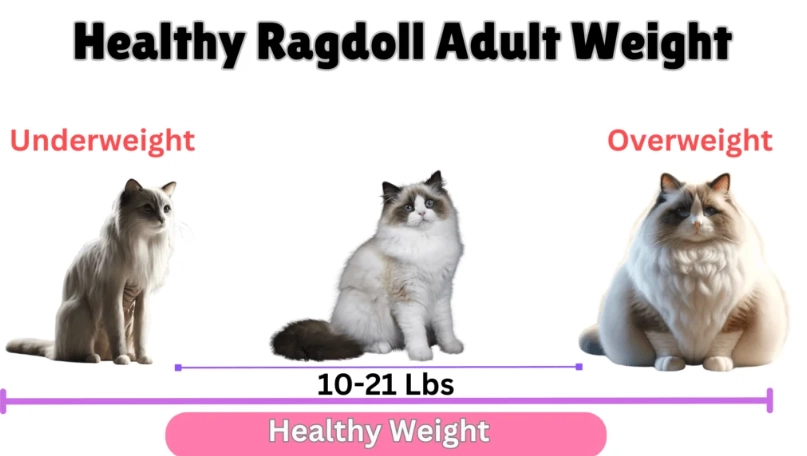
Step 3: Increase Activity. Think like a Hunter.
You can't out-run a bad diet, but activity is essential. It's not about making her jog. It's about simulating hunting bursts.
- Interactive Play: 10-15 minutes, twice a day. Use a wand toy (Da Bird is legendary for a reason) to make her run, jump, and pounce. End with a "catch" and give her a tiny treat or her meal.
- Food Puzzles: Don't just bowl-feed. Use puzzle feeders, snuffle mats, or hide small portions around the house. This engages her brain and slows eating.
- Vertical Space: Cat trees, shelves, and window perches encourage climbing and movement.
Weight loss should be gradual. Aim for 0.5-2% of body weight per week. For a 14-pound (6.4 kg) cat, that's about 0.07 to 0.28 pounds per week. Slow and steady wins the race and prevents fatty liver disease.
How to Help Your Female Cat Gain Weight (The Right Way)
This is trickier than it sounds. You can't just dump more kibble in the bowl, especially if the low weight is due to illness.
First, find the cause. The vet is essential here. Once medical issues are managed (e.g., thyroid medication for hyperthyroidism), you can focus on nutrition.
Strategies for Healthy Weight Gain:
- High-Calorie, High-Nutrient Density Food: Look for kitten food or "recovery" formulas. They are packed with calories and protein in a small volume. Brands like Hill's a/d or Royal Canin Recovery are veterinary staples.
- Increase Palatability: Warm the wet food slightly to enhance smell. Try different textures (pate, shreds, gravy). Offer small, frequent meals (4-6 times a day) rather than large ones.
- Supplement Cautiously: Talk to your vet about high-calorie nutritional gels (like Tomlyn Nutri-Cal) or adding a bit of plain, cooked chicken or fish to meals to encourage eating. Never force-feed.
The goal is to build muscle, not just fat. So again, protein is key.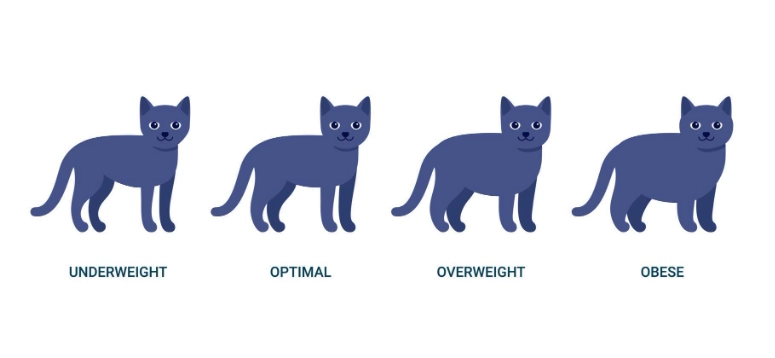
Special Considerations: Spayed Cats, Seniors, and Breeds
The Spayed Female Cat
As mentioned, metabolism drops. The single best thing you can do is switch her to a "light" or "sterilized" formula food right after surgery and follow the portion guidelines. Reduce her daily intake by about 20-25% from her pre-spay amount, assuming she was at a good weight then. Monitor her BCS monthly for the first year.
The Senior Female Cat
Muscle loss (sarcopenia) is real. Her weight might stay the same, but fat replaces muscle, which isn't good. She needs even higher protein to try and preserve that muscle mass. Senior diets are formulated for this. Also, arthritis pain might make her move less, so managing pain (with vet guidance) can help maintain activity and a healthy female cat body weight.
Specific Breed Tendencies
- Maine Coon, Norwegian Forest Cat: Large frames. A 13-15 pound female can be perfectly lean. Focus on BCS.
- Siamese, Oriental Shorthair: Naturally slender, fine-boned. A 6-8 pound weight is often normal.
- British Shorthair, Scottish Fold: Stocky, "cobby" build. They have a rounder shape naturally, which can mask weight gain. Be extra diligent with the rib test.
Your Female Cat Body Weight Questions, Answered
Putting It All Together: A Simple Monthly Check-In Routine
Let's make this dead simple. Once a month: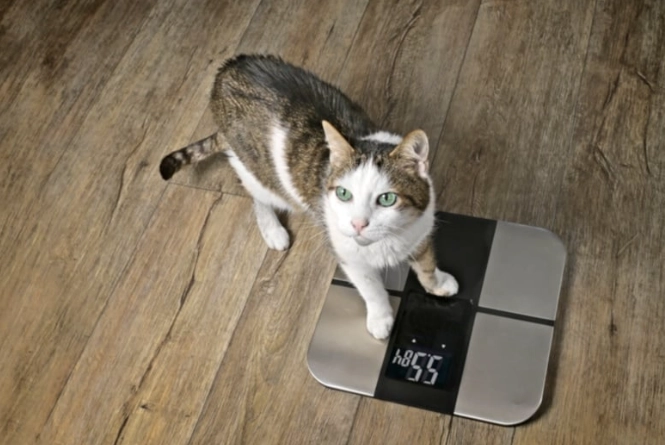
- Weigh her. Note it down.
- Do the Rib, Profile, and Bird's-Eye View checks. Assign a Body Condition Score (1-9).
- Feel her coat. Is it greasy, matted, or does she have dandruff? Grooming issues can be weight-related.
- Observe her activity. Is she jumping as easily as last month? Playing?
This 5-minute routine gives you powerful insight into her health. Catching a slow, steady gain of half a pound early is so much easier than tackling five pounds a year from now.
Managing your female cat's body weight is one of the most impactful things you can do for her long-term health. It's not about perfection; it's about awareness and gentle course corrections. Start with that hands-on body check today. You might be surprised by what you learn. I know I was with Mochi. It changed how I cared for her, and she's now a sprightly, healthy-weight 10-year-old who can still leap to the top of the bookshelf. That's the goal – more years, and more life in those years.
Remember, your vet is your partner in this. Any major changes to diet or concerns about weight should start with a conversation with them. They can provide the tailored advice that generic articles (even long, detailed ones like this) simply can't. Good luck!


Leave a comment