Let's talk about kitten treats. It seems simple, right? You see a cute bag at the store, your kitten meows, you buy it. But after a decade of working with cats and raising more than a few rambunctious kittens of my own (looking at you, Mochi), I've seen the good, the bad, and the downright ugly when it comes to treats. Most guides just list products. We're going deeper. We're talking about the why, the how much, and the sneaky marketing tricks that can trip up even well-meaning cat parents. Getting treats right isn't just about a happy meow; it's foundational for their health, your bond, and successful training.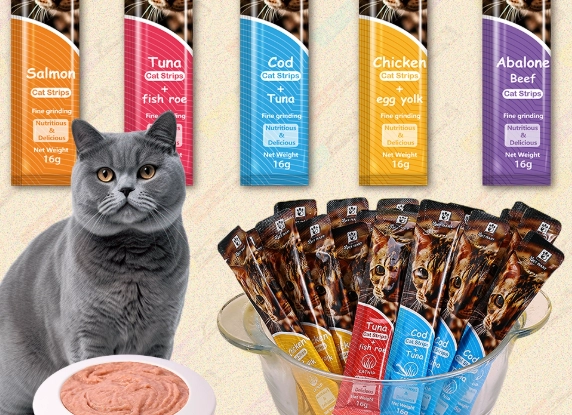
What's Inside This Guide
Why Treats Are More Than Just a Snack
Think of treats as a communication tool. For a kitten, every interaction is data. When you give a treat after they use the scratching post, you're telling them, "That! Do that!" It's faster and clearer than any "no" you could ever yell. Beyond training, treats build trust. A shy kitten learns your hand brings good things. A nervous kitten during nail trims learns the clipper isn't so scary when chicken follows.
But here's the expert nuance everyone misses: The treat itself is less important than the timing. A mediocre treat given the *instant* your kitten does something good is worth ten premium treats given five seconds late. Their brains make fast connections. Delay ruins the lesson.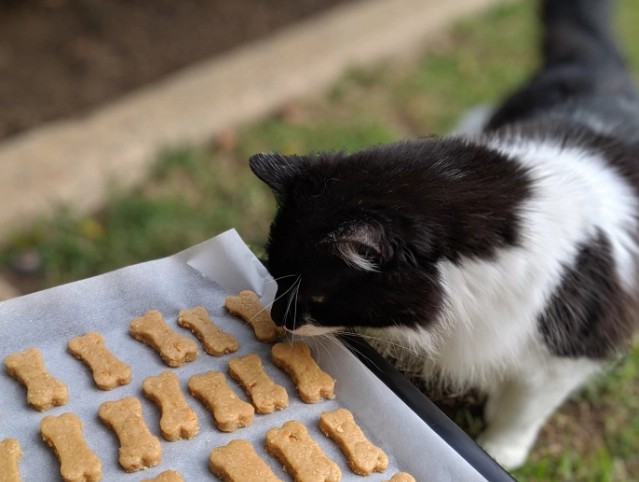
How to Choose the Right Treat: An Ingredient Detective's Guide
Walk down the pet aisle and you'll see "grain-free," "natural," "with real meat!" It's overwhelming. Let's cut through the noise.
The Golden Rule: Treats should never exceed 10% of your kitten's daily calorie intake. For a tiny kitten, that's maybe 15-20 calories max. Overdoing it leads to obesity and teaches them to hold out for snacks instead of eating their balanced meals.
What to Look For (The Shortlist)
- A named protein source first: "Chicken" or "Salmon," not "meat" or "poultry."
- Limited ingredients: The shorter the list, the better. You should recognize most of them as food.
- Appropriate size & texture: Tiny, soft treats are best for small mouths and fast consumption during training.
- Calorie info on the bag: If it's not listed, put it back. You can't manage what you can't measure.
The Ingredient Red Flags (My Personal Pet Peeves)
"Grain-free" is a massive marketing trap for cat treats. Cats are obligate carnivores, but the fear of grains has led to an overuse of starches like potatoes, peas, and tapioca as fillers. These can be just as high in carbs. The real issue is the quality and source of the protein, not the presence of a grain like rice. I'd take a treat with chicken and brown rice over one with "mystery meat meal" and potato starch any day.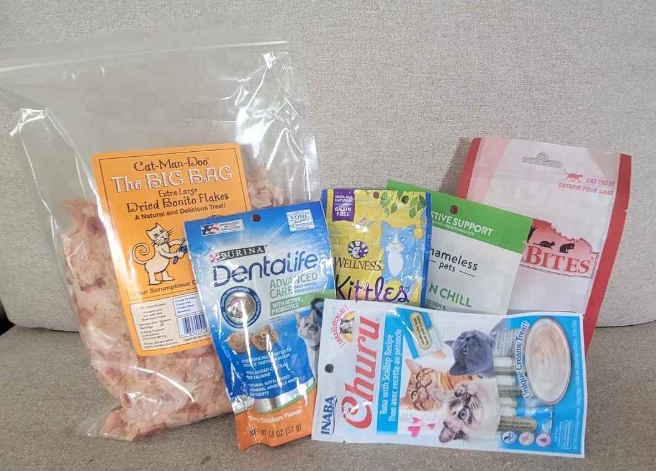
Watch out for these:
- Artificial colors (Red 40, Blue 2): Your cat doesn't care if the treat is neon orange. These are for you, not them, and offer zero nutritional value.
- Excessive sugars or syrups: Corn syrup, molasses, sucrose. Cats can't taste sweetness well, and this just adds empty calories.
- Vague by-products: "Animal by-products" can be low-quality. "Chicken by-products" is more specific and can include nutritious organ meats, which isn't inherently bad, but I prefer muscle meat for treats.
| Treat Type | Best For | Watch Out For | Pro Tip |
|---|---|---|---|
| Freeze-Dried Protein (Chicken, Salmon) | High-value training, picky eaters. Pure protein, minimal processing. | Can be pricey. Ensure it's 100% meat with no additives. | Crush into a powder to sprinkle on food for a reluctant eater. |
| Soft/Moist Training Treats | Everyday training, quick rewards. Easy to chew and portion. | Often contain more binders, starches, and preservatives. | Look for ones with a single protein and under 2 calories per piece. |
| Dental Chews | Older kittens (6+ months), promoting chewing. | Often high in calories and carbs. Not a substitute for brushing. | The Veterinary Oral Health Council (VOHC) seal is the only proof of efficacy. Check their website. |
| "Human Food" Treats (Plain cooked chicken) | The ultimate high-value reward. You control the ingredients. | Portion control is critical. Never seasoned with salt, garlic, or onion. | Cook a batch, cut into tiny pea-sized bits, and freeze in portions. |
Using Treats for Training (Yes, You Can Train a Kitten)
This is where the magic happens. Kittens are learning machines. Use treats to shape the cat you want to live with for the next 20 years.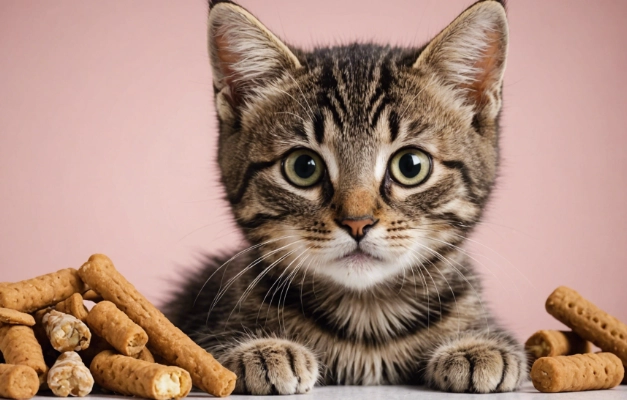
Scenario: Teaching "Come When Called." Start when they're already walking toward you. Say their name or "come!" in a happy voice, then immediately give a treat when they arrive. Not later. Immediately. Do this 5-10 times a day, randomly. Soon, the sound predicts chicken. This isn't just a party trick; it's a safety behavior.
Scenario: Discouraging Ankle-Biting. The mistake is yelling "no!" which is still attention. The fix? Have treats in your pocket. The moment they pounce, go completely still (no drama), then toss a treat 3 feet away. They learn: "Biting ankles makes play stop, but chasing that thing over there is rewarding." You redirect the energy.
My cat Mochi used to attack feet under the blanket. It was painful. Instead of shoving him away, I started keeping a stash of freeze-dried liver by the bed. The second he looked at the blanket mound without pouncing—click (I used a clicker), treat. He learned that ignoring the moving blanket was the job that paid. Problem solved in three nights.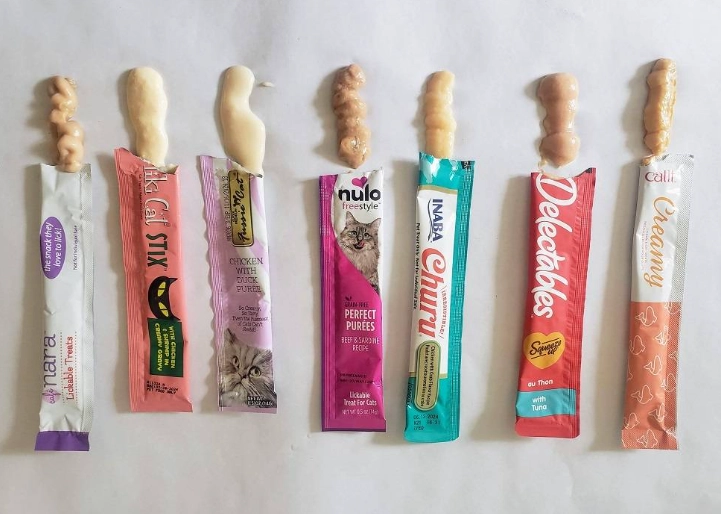
Critical Safety Note: The FDA has issued warnings about a potential link between certain grain-free diets and Dilated Cardiomyopathy (DCM) in dogs. While a direct link in cats is less established, it's a reminder to be wary of trends. For treats, the risk is lower due to small quantities, but it underscores the importance of prioritizing proven, simple ingredients over marketing buzzwords. Always discuss major dietary choices with your vet.
Top 3 Mistakes Even Experienced Owners Make
I've made these. My clients have made these. Let's skip the learning curve.
1. Using Treats as a Primary Food Source
This happens slowly. The kitten doesn't finish their balanced kitten food, so you offer a few more treats to "get something in them." Now they're holding out for the good stuff. Their main food is formulated by animal nutritionists to have the perfect calcium:phosphorus ratio, taurine levels, and vitamins for growth. No treat can match that. If they're refusing meals, the problem isn't a lack of treats—it's time for a vet visit.
2. Free-Feeding Treats from the Hand
This drains all their value. If treats come randomly just for being cute, they lose their power as a training tool. Make treats earnable. Did they just use the scratching post? Treat. Did they sit calmly while you put their harness on? Jackpot. This creates a kitten that offers good behaviors, hoping to make the treat happen.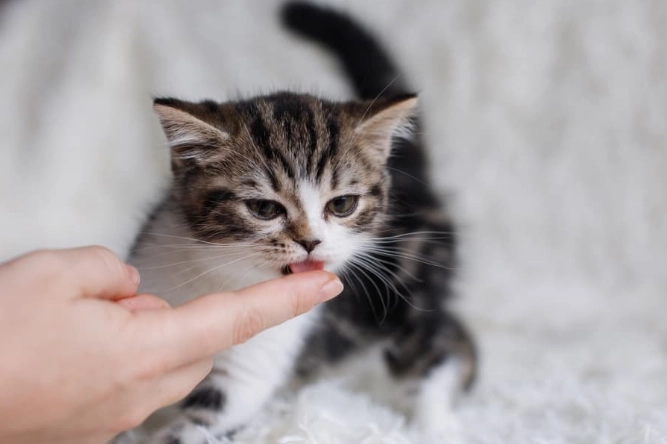
3. Ignoring the Calorie Math
Here's the brutal truth. One popular brand of soft salmon treats has about 2 calories per piece. Give your kitten 5 of those, and that's 10 calories. If your 4-month-old kitten only needs 200 calories a day, you've just given 5% of their diet as low-nutrition filler. Do that twice a day, and you're at 10%. It adds up silently, leading to weight gain before you notice. Use a kitchen scale for their main food and count treat pieces like currency.
Your Burning Questions, Answered
They're not "toxic," but let's break them down. The first ingredient is usually a carbohydrate (like corn meal), not meat. They contain artificial colors and are highly processed. The reason cats go wild is often the strong, consistent flavor and smell from digest and yeast extracts—it's like kitty crack. They're fine as a very occasional, few-piece reward, but I wouldn't make them my primary training tool. There are better options with meat as ingredient #1.
Absolutely, and it's a fantastic strategy for managing calories. Dedicate a portion of their daily kibble allotment (say, 20 pieces) to use as "low-value" rewards throughout the day for easy behaviors like coming when called or sitting. Save the high-value, smelly treats (like freeze-dried liver) for harder tasks, like getting into the carrier or tolerating nail trims. This creates a hierarchy of rewards and keeps them motivated.
This is the art of the fade. Once a behavior is reliable (they do it 9 out of 10 times when you ask), start variable reinforcement. Give the treat every other time, then randomly. Mix in praise and pets as the "reward" sometimes. The goal is to move from a continuous bribe ("do this for that") to a variable lottery ("you never know when the chicken will come!"), which is actually more powerful for long-term behavior. The food motivation builds the initial habit; your relationship and their routine maintain it.
Yes, in tiny amounts. Plain cooked chicken, turkey, or fish (no bones, skin, or seasoning) are gold standards. A tiny bit of cooked egg or plain pumpkin puree (not pie filling) can be okay. The key words are plain and tiny. Avoid all onions, garlic, grapes, raisins, chocolate, and anything with xylitol (a common sweetener in peanut butter—so check labels!). When in doubt, a commercial treat formulated for kittens is the safer bet.
Start with a single-protein, limited-ingredient treat that uses a protein source they already tolerate in their main food. If they eat chicken-based kibble without issue, try a 100% freeze-dried chicken treat. Introduce one single piece and wait 24 hours. No digestive upset? You've likely found a winner. Avoid treats with long lists of ingredients, novel proteins (like alligator if they've never had it), or lots of gums and fillers. When dealing with sensitivities, the American College of Veterinary Internal Medicine notes that dietary consistency is key, so once you find a safe treat, stick with it.
The bottom line with kitten treats is intentionality. Don't just hand them out. Use them as your secret weapon to build communication, encourage good manners, and strengthen your bond. Read the bag like a detective, count the calories, and always, always reward the behavior you want to see more of. That tiny tiger counting on you will thank you for it with a lifetime of purrs and good habits.

Leave a comment