Your cat’s meow has changed. Maybe it’s louder, more frequent, or happens at all hours. At first, you might brush it off as your senior cat just getting more vocal, maybe a bit senile. But here’s the thing I’ve learned after years in feline care: a change in vocalization is rarely just a behavioral quirk in an older cat. More often than not, it’s a flashing neon sign pointing straight to a common and serious health issue—feline hyperthyroidism.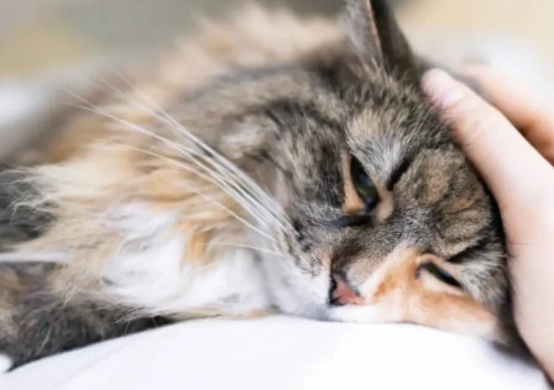
I’ve seen it countless times. An owner brings in their cat, concerned about the midnight yowling or the constant, plaintive cries. They’re often surprised when I immediately want to check the thyroid. The link between a cat’s thyroid gland and its voice isn’t just anecdotal; it’s a direct physiological consequence of the metabolic chaos this disease creates. Ignoring this symptom means ignoring a disease that, while manageable, can severely damage your cat’s heart and kidneys.
What You’ll Learn in This Guide
What Exactly Is Feline Hyperthyroidism?
Think of the thyroid gland as your cat’s internal thermostat and gas pedal. It produces hormones (T4 and T3) that regulate metabolism. In hyperthyroidism, usually due to a benign tumor on the gland, this thermostat gets stuck on maximum. The gland overproduces hormones, cranking your cat’s entire system into overdrive.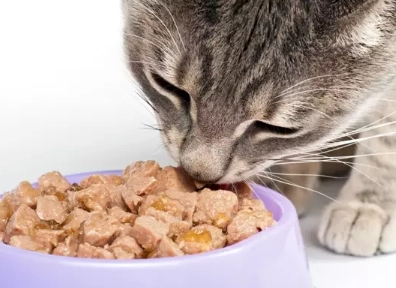
It’s primarily a disease of middle-aged and senior cats. The Cornell Feline Health Center notes it’s one of the most common endocrine disorders in older cats. That racing metabolism explains nearly every symptom, including the change in meowing. The cat feels constantly “wired,” anxious, and hungry—a state that naturally leads to more vocal communication, often of a demanding or distressed nature.
Key Takeaway: Hyperthyroidism isn’t a subtle disease. It’s a systemic storm. The meowing is just the most audible alarm bell. The real damage is happening to the heart (which thickens and weakens from working too hard) and the kidneys (which get strained by increased blood flow).
The Full Symptom Picture: Beyond the Meow
While the meowing change brings many owners to the vet, it’s never the only sign. It comes packaged with a cluster of other symptoms that, when seen together, paint a clear picture. A classic mistake is focusing on one symptom in isolation.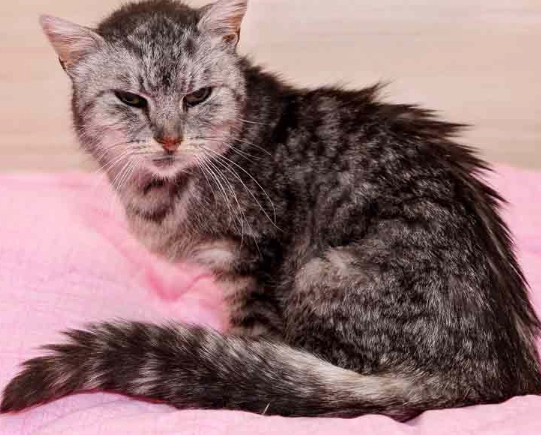
How Hyperthyroidism Specifically Changes the Meow
It’s not just “more meowing.” The character of the vocalization changes in specific ways:
- Increased Frequency & Urgency: This is the big one. Your cat may meow to demand food constantly, even right after eating. They might vocalize for no apparent reason, walking around the house crying.
- Nighttime Yowling: A particularly disruptive sign. The metabolic restlessness doesn’t shut off at night, leading to loud, mournful-sounding yowls in the dark.
- Change in Tone: The meow can become louder, sharper, or more insistent. In some cases, it might become hoarse or weak if the disease is causing muscle wasting, but that’s less common.
- Context Shift: A previously quiet cat becomes a chatterbox. A cat that only meowed at meal times now vocalizes during petting, when you walk in a room, or seemingly at the wall.
I remember a case with a 12-year-old cat named Oliver. His owner said he’d started howling like a banshee at 4 AM every morning. She thought he was going senile. When we checked, he’d lost nearly two pounds, had a heart rate like a rabbit, and his thyroid levels were through the roof. The meowing was his cry for help, driven by internal frenzy.
The Other Symptoms You Must Check For
Take a mental inventory of your cat. Alongside the new vocal habits, do you see any of these?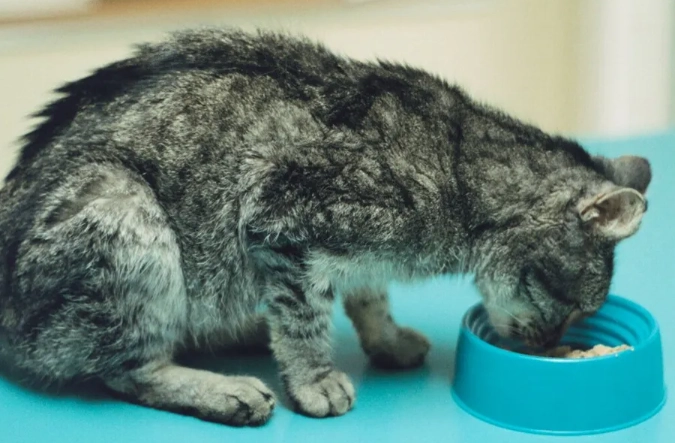
| Symptom | Why It Happens | What to Look For |
|---|---|---|
| Weight Loss | Metabolism is burning calories far too fast. | Feeling prominent spine/hips, loose skin, clothes looking baggy. |
| Ravenous Appetite | The body demands fuel for its runaway engine. | Begging, stealing food, eating unusually fast, seeming never full. |
| Hyperactivity/Restlessness | The “gas pedal” is floored. | Pacing, inability to settle, seeming anxious or irritable. |
| Poor Coat Condition | Energy is diverted from maintenance. | Greasy, matted, or unkempt fur, excessive shedding. |
| Increased Thirst & Urination | Increased blood flow through kidneys. | Larger clumps in litter box, more frequent trips, drinking from taps. |
| Vomiting or Diarrhea | GI tract is moving too quickly. | Occasional vomiting of food or hair, soft stools. |
If you’re ticking more than two of these boxes alongside the vocal changes, the odds are high you’re dealing with hyperthyroidism.
Don’t Wait: The most dangerous symptom is the one you can’t see: heart damage. A cat can live with excessive meowing for months, but every day with untreated hyperthyroidism increases the risk of irreversible heart muscle changes (hypertrophic cardiomyopathy). This isn’t just about noise; it’s about longevity.
Getting a Diagnosis: What the Vet Will Do
Diagnosing hyperthyroidism is straightforward. It’s not a mystery illness. The vet’s process usually follows a clear path:
- Physical Exam: The vet will feel your cat’s neck for an enlarged thyroid gland (it’s often palpable). They’ll check heart rate (consistently fast), listen for heart murmurs, assess body condition, and note coat quality.
- Blood Panel: This is the cornerstone. A standard senior blood panel will include a Total T4 (thyroxine) level. In most hyperthyroid cats, this value is significantly elevated above the normal range. However, some cats (especially those with other concurrent illnesses) may have T4 levels in the high-normal range, requiring more nuanced investigation.
- Additional Tests: Your vet will likely recommend a full blood chemistry and complete blood count (CBC). This isn’t just to confirm hyperthyroidism; it’s to check the health of the kidneys, liver, and other organs before starting treatment. This is critical. Up to 30% of hyperthyroid cats have underlying kidney disease that is masked by the increased blood flow from the thyroid disease. Treating the thyroid can unmask this, and you need to know upfront.
A clean diagnosis gives you a clear starting point and helps rule out other causes of excessive vocalization, like hypertension, pain from arthritis, or cognitive decline.
Your Cat’s Treatment Roadmap
Once diagnosed, you have several effective options. The best choice depends on your cat’s age, overall health, your budget, and your lifestyle. Let’s break them down.
1. Daily Oral Medication (Methimazole)
This is the most common starting point. Methimazole pills or transdermal ear gel (applied to the inner ear flap) block the production of thyroid hormone.
- Pros: Non-invasive, relatively inexpensive upfront cost, reversible (you can stop if there are issues).
- Cons: Requires giving a pill or gel every single day, for the rest of the cat’s life. Some cats experience side effects like vomiting, lethargy, or (rarely) blood cell changes. Requires regular blood monitoring (every 3-6 months) to adjust dose.
2. Prescription Diet (Hill’s y/d, Hill’s y/d dry, Hill’s y/d wet)
This is a unique option. The food is severely restricted in iodine, a mineral essential for thyroid hormone production.
- Pros: No pills, no gels. If your cat will eat only this food, it can be very effective.
- Cons: The cat must eat only this food. No treats, no hunting, no other flavored medications. Even one bite of another food can disrupt treatment. It’s also a lifelong commitment and can be expensive.
3. Radioactive Iodine Therapy (I-131)
This is often considered the gold standard treatment. It involves a single injection of radioactive iodine, which is absorbed by the overactive thyroid tissue and destroys it without harming surrounding tissue.
- Pros: Curative in 95%+ of cases. No daily pills, no special diet, no side effects. After a short isolation period (usually 1-2 weeks at the clinic), the cat returns home cured.
- Cons: High upfront cost (often $1,500-$3,000). Requires a specialized facility and a period of hospitalization. Not suitable for cats with severe other health issues.
4. Surgical Thyroidectomy
Surgical removal of the affected thyroid gland(s).
- Pros: Can be curative.
- Cons: Requires anesthesia, which can be risky for older cats with potential heart disease. Risk of damaging the parathyroid glands (which regulate calcium). Usually only considered if other options are impossible.
Most owners start with medication or diet to stabilize the cat, then consider radioactive iodine as a long-term cure if the cat is a good candidate. The choice is deeply personal and should be made in partnership with your vet.
Action Plan: If You’re Hearing the Signs
Don’t panic. Hyperthyroidism is very treatable, and cats can live many happy years after diagnosis. Here’s your step-by-step plan:
- Schedule a Vet Appointment: Don’t wait for the next “check-up.” Call and explain you’re concerned about hyperthyroidism due to increased meowing and other symptoms.
- Prepare for the Visit: Note down all symptoms, even minor ones. Record your cat’s approximate weight (if you can weigh them at home). Bring a fresh stool sample if possible.
- Discuss the Diagnosis: If the blood test confirms hyperthyroidism, ask your vet about the full blood panel results, especially kidney values.
- Explore Treatment Options: Have an honest conversation about cost, lifestyle fit, and your cat’s personality. Which option feels most sustainable for you?
- Commit to Monitoring: Whatever treatment you choose, follow-up blood tests are non-negotiable. They ensure the treatment is working and not causing harm.
Your cat’s changing voice isn’t a sign of aging to accept. It’s a clue to be investigated. By understanding the link between cat thyroid symptoms and meowing, you’ve taken the first step toward getting your feline friend the help they need. A quieter, healthier, and happier cat is the likely outcome.
Common Questions About Cats, Thyroid, and Meowing
My senior cat yowls at night. Is it dementia or hyperthyroidism?
It's a classic dilemma. Both hyperthyroidism and cognitive dysfunction (dementia) can cause nighttime vocalization in older cats. The key differentiator is the presence of other physical symptoms. Check for weight loss despite a ravenous appetite, a fast heart rate you might feel as a rapid thumping in the chest, and an unkempt coat. Hyperthyroidism also often causes increased thirst and urination. If the nighttime yowling is accompanied by any of these signs, hyperthyroidism is the more likely culprit and requires immediate veterinary attention. A vet can easily distinguish between the two with a blood test.
Can hyperthyroid cats have a weak or hoarse meow instead of a loud one?
Yes, and this is a nuance many owners miss. While increased volume and frequency are more common, some cats develop a weak, raspy, or hoarse meow. This can happen if the disease causes muscle wasting, including the laryngeal muscles, or if concurrent issues like dehydration or laryngitis are present. Don't rule out thyroid problems just because the meow isn't louder; any significant change in vocal character in an older cat warrants a vet visit.
My cat's thyroid levels are borderline. Should I treat if the meowing is my only complaint?
This is a critical decision point. 'Borderline' or subclinical hyperthyroidism is tricky. While the excessive meowing might be your primary concern, the disease is silently damaging other organs, primarily the heart and kidneys. Treatment isn't just about quieting the meowing; it's about preventing heart failure and managing kidney strain. A discussion with your vet should weigh the progression rate, the cat's age, and the health of other organs. Often, starting a low-dose treatment or closely monitoring with rechecks every 3-6 months is recommended to protect long-term health, even if symptoms seem mild.
Will treating hyperthyroidism definitely stop the excessive meowing?
In the vast majority of cases, yes, once thyroid hormone levels are normalized. The meowing is a direct behavioral response to the metabolic 'overdrive.' However, there are two caveats. First, if the behavior has been going on for a long time, it may have become a habit. You might need to combine treatment with gentle behavioral redirection. Second, ensure the treatment is effective. Some cats on medication may have fluctuating levels, and a dose adjustment might be needed. If the meowing persists after treatment, a follow-up blood test is essential to check if thyroid levels are truly in the normal range.




Leave a comment