Quick Guide
- The Three Stages of Heat Stroke in Dogs: A Clear Breakdown
- Stage 1: Heat Stress (The Early Warning Signs)
- Stage 2: Heat Exhaustion (The Body Starts Losing the Fight)
- Stage 3: Heat Stroke (Systemic Collapse and Organ Failure)
- Beyond the Stages: Treatment, Recovery, and Brutal Honesty About Prevention
- Your Questions Answered (The Stuff You're Secretly Googling)
- Wrapping It Up: Your Takeaway Checklist
Let's talk about something scary but super important. Every summer, I see posts online about dogs getting rushed to the vet for heat stroke. Sometimes the story has a happy ending, sometimes it doesn't. It's heartbreaking, and honestly, a lot of the time it's preventable if you know what to look for. The problem is, heat stroke doesn't just happen suddenly out of nowhere. It creeps up in stages. If you can spot the early stage, you have a huge chance to stop it in its tracks. So, the big question is: what are the three stages of heat stroke in dogs? It's not just about knowing they exist, it's about understanding exactly what your dog looks and acts like in each one.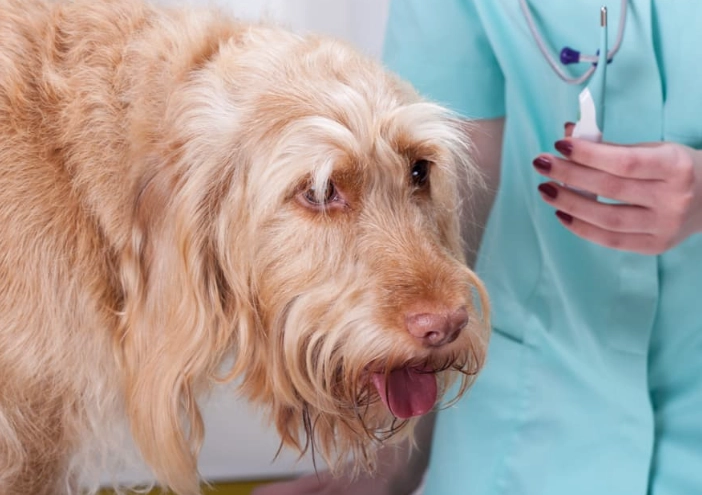
I remember a friend's Bulldog, Bruno, who got into trouble after a short walk on a warm, humid morning. Bruno was panting like crazy, but my friend thought it was normal. It wasn't until Bruno started stumbling that the panic set in. That's the tricky part—the line between "heavy panting" and "danger" can be blurry. That's why breaking it down into clear stages is so helpful. It gives you a roadmap. This isn't just academic stuff; it's a practical guide that could sit in the back of your mind every time you're out with your dog on a sunny day.
The Three Stages of Heat Stroke in Dogs: A Clear Breakdown
Veterinarians often describe the progression of canine heat-related illness in phases. While the lines between them can sometimes blur, thinking of it as three distinct stages helps with recognition and response. Think of it like a warning light on your car's dashboard. Stage one is the yellow light. Stage two is a flashing red light. Stage three is the engine smoking on the side of the road. We want to act at the yellow light.
Here’s a quick overview before we dive deep into each one. This is the core of what you came here to learn.
| Stage | Common Name | Core Physiological Change | Key Action |
|---|---|---|---|
| Stage 1 | Heat Stress / Early Hyperthermia | Body temperature begins to rise (100.5°F - 103.5°F / 38°C - 39.7°C). Compensatory mechanisms are working hard. | Immediate Cooling & Removal from Heat |
| Stage 2 | Heat Exhaustion / Moderate to Severe Hyperthermia | Compensatory mechanisms start to fail. Body temperature is dangerously high (103.5°F - 106°F / 39.7°C - 41.1°C). | Aggressive First Aid & Emergency Vet Call |
| Stage 3 | Heat Stroke / Systemic Collapse | Critical organ damage occurs. Body temperature may be extremely high (>106°F / 41.1°C) or paradoxically fall if the body is shutting down. | Life-Saving Emergency Veterinary Intervention |
See the progression? It starts with the body trying to cope and ends with the body breaking down. Now, let's get into the nitty-gritty details of each stage. This is where you learn to become your dog's first line of defense.
Stage 1: Heat Stress (The Early Warning Signs)
This is the most important stage for you, the owner, to recognize. It's your golden window of opportunity. In this initial phase, your dog's internal temperature is elevated above normal (think 100.5°F to 103.5°F), but their body is still fighting back effectively. All systems are go, but they're working in overdrive.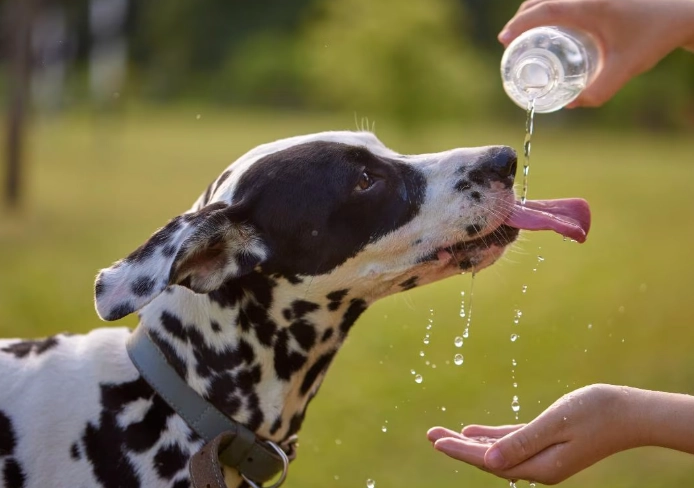
The symptoms here are often subtle and easy to dismiss as just being "hot." But if you know what to look for, they're clear warnings.
Symptoms You'll Actually See
- Excessive, frantic panting: This is the number one sign. Not just normal panting, but panting that seems louder, faster, and doesn't slow down easily when they rest in the shade.
- Increased thirst: They'll be seeking out water constantly.
- Mild lethargy: They might seem a bit more tired or less interested in play than usual for the situation.
- Seeking shade/cool surfaces: A dog in stage one will actively try to find a cool spot to lie on, like tile or in the shade under a bush.
- Slightly brighter red gums: Their gum color might be a brighter pink or red than usual, but they should still feel wet and slippery (the capillary refill time is still normal, which is a good sign).
What To Do Immediately (Your Action Plan)
- STOP all activity. No more walking, no more fetch. Immediately.
- Move them to a cool, shaded area ideally with air conditioning or a fan.
- Offer small amounts of cool (not ice-cold) water to drink. Let them sip, don't let them gulp.
- Begin gentle cooling: Apply cool (again, not ice-cold) tap water to their belly, groin, armpits, and paw pads. You can also use damp towels. The goal is to cool the blood in major vessels.
- Let them rest completely and monitor them closely for the next 30-60 minutes. If symptoms improve and they return to normal behavior, you've likely caught it early. If symptoms persist or worsen, you're moving into Stage 2.
This stage answers the first part of "what are the three stages of heat stroke in dogs?" It's the "uh-oh, something's not right" phase. Catching it here is a win.
Stage 2: Heat Exhaustion (The Body Starts Losing the Fight)
If Stage 1 is ignored, the dog progresses to heat exhaustion. This is a serious medical emergency. Their body's cooling mechanisms are starting to fail. The internal temperature is now in a dangerous range, typically between 103.5°F and 106°F. At this point, you can't fix this at home alone; veterinary help becomes essential.
The signs are more dramatic and harder to miss. The panting from Stage 1 evolves into something more distressing.
Clear Signs of Trouble
- Heavy, labored panting that may become uneven or noisy. The tongue may appear very large and dark red or purple.
- Weakness, stumbling, or lack of coordination (ataxia). They may trip over their own feet or seem "drunk." This is a major red flag.
- Thick, sticky saliva or dry gums. As dehydration worsens, saliva production drops.
- Gums may turn bright red, then later brick red or purple. Capillary refill time (the time it takes for color to return after you press on the gum) becomes slower (more than 2 seconds).
- Vomiting or diarrhea, which can sometimes be bloody. This is a sign of systemic distress.
- Anxious or dazed expression. They may not respond to their name as usual.
- Increased heart rate. You might feel their heart pounding in their chest.
The Critical Two-Part Response
Your actions now have two simultaneous goals: start aggressive first aid and get professional help.
- Call your vet or the nearest emergency animal hospital ON YOUR WAY. Tell them you have a dog with suspected heat exhaustion and are en route. This allows them to prepare.
- Continue and intensify cooling during transport. Use cool water on the body core (belly, groin) and use air conditioning in the car. You can place a damp towel over them, but don't wrap them in it as it can trap heat. Avoid ice or ice water, as this can cause blood vessels to constrict and trap heat inside or lead to shock.
- Do not force water into their mouth if they are dazed, vomiting, or unable to swallow properly—they could aspirate it.
This stage is terrifying to witness. It makes the concept of what are the three stages of heat stroke in dogs horrifyingly real. The dog's system is overwhelmed.
Stage 3: Heat Stroke (Systemic Collapse and Organ Failure)
This is the final and most critical stage. Heat stroke is defined by the onset of neurological dysfunction and multi-organ failure. The body's temperature regulation system has completely failed. Internal temperatures can soar above 106°F, causing direct damage to cells. In some cases, if the body is in the process of shutting down, the temperature may paradoxically drop, which is an even worse prognostic sign.
The damage happening now can be irreversible and is often fatal, even with aggressive treatment.
Signs of Catastrophic Failure
- Collapse or inability to stand.
- Seizures or muscle tremors.
- Loss of consciousness or coma.
- Pale, blue, or gray gums indicating poor oxygenation or shock.
- Difficulty breathing or respiratory arrest.
- Weak or irregular pulse.
What Veterinary Treatment Involves
Understanding this stage isn't about home treatment—it's about knowing why the vet's actions are so urgent and complex. Treatment is intensive and aims to stabilize the dog while managing the cascade of organ damage. According to resources from institutions like the American Veterinary Medical Association (AVMA), care typically includes:
- Aggressive intravenous (IV) fluids to treat shock and dehydration, support blood pressure, and aid kidney function.
- Controlled cooling with IV fluids and careful external methods, monitored constantly to avoid overcooling.
- Oxygen therapy to support organs.
- Blood tests to monitor for organ damage (kidneys, liver), electrolyte imbalances, and clotting disorders—a common and deadly complication called DIC (Disseminated Intravascular Coagulation).
- Medications to control seizures, protect the gut, and address other issues.
The road to recovery from Stage 3 is long, expensive, and uncertain. It starkly illustrates why knowing what are the three stages of heat stroke in dogs is about prevention and early action, not heroics at the end.
Beyond the Stages: Treatment, Recovery, and Brutal Honesty About Prevention
So we've covered the three stages of heat stroke in dogs. But your questions probably don't stop there. What happens after the vet? Can they fully recover? And most importantly, how do you make sure this never, ever happens?
What Recovery Looks Like (If They Survive)
Recovery isn't just about the body temperature coming down. Dogs that survive heat stroke, especially Stages 2 and 3, often face a 48-72 hour critical period. Organ damage may not be immediately apparent. The vet will keep them hospitalized for monitoring. Some dogs recover fully, but others may have permanent damage to their kidneys, liver, or brain. It's a brutal reality. The cost of treatment can run into thousands of dollars, which adds another layer of stress to an already traumatic event.
Prevention: It's Not Just About Water and Shade
Everyone says "don't leave your dog in a hot car" and "provide water." That's baseline. Let's get more specific, because some dogs are ticking time bombs in the heat.
- Brachycephalic (short-nosed) breeds: Bulldogs (French and English), Pugs, Boston Terriers, Boxers. Their messed-up airways make cooling by panting incredibly inefficient. I love these dogs, but their anatomy is a disaster for heat tolerance.
- Thick-coated or double-coated breeds (Huskies, Malamutes, Newfoundlands).
- Overweight dogs.
- Elderly dogs, very young puppies, or dogs with heart/respiratory disease.
My practical prevention tips that go beyond the obvious:
- Feel the pavement. The 7-second rule: place the back of your hand on the asphalt. If you can't hold it for 7 seconds, it's too hot for your dog's paws. Walk in the early morning or late evening.
- Humidity is the silent killer. A 75°F day with 80% humidity is more dangerous than a 85°F day with 30% humidity. Panting relies on evaporation, which fails in high humidity. Check the "feels like" temperature, not just the number.
- Indoors can be dangerous too. A sunny room, a crate in direct sunlight, or a house without AC on a hot day can trigger heat stroke.
- Exercise is not the same in summer. That hour-long hike your dog loves in spring? Cut it to 20 minutes in summer heat, and bring water for both of you.
Your Questions Answered (The Stuff You're Secretly Googling)
Wrapping It Up: Your Takeaway Checklist
So, after all this, what should you actually remember? Let's ditch the jargon and make a simple mental checklist.
- The Three Stages are your alarm system. Stage 1 (panting, seeking shade) means ACT NOW AT HOME. Stage 2 (stumbling, vomiting) means GET TO THE VET NOW. Stage 3 (collapse, seizures) means FIGHT FOR THEIR LIFE AT THE HOSPITAL.
- Cool, don't freeze. Use cool tap water on the belly and groin. Avoid ice baths.
- Know your dog's risk level. If you have a squishy-faced dog, your margin for error is almost zero.
- Humidity matters as much as temperature. A muggy day is a high-alert day.
- When in doubt, call the vet. It's never wrong to ask. A phone call is free. An emergency stay in the ICU is not.
Understanding what are the three stages of heat stroke in dogs isn't about scaring you. It's about empowering you. It gives you the confidence to know when your dog is just warm and when they are in real danger. It helps you move from panic to a plan. Share this with other dog owners. Talk about it. The more we know, the fewer tragedies we'll see when the temperature rises.
Stay cool out there, and give your pup a pat from me.



Leave a comment