Let's be honest. Cleaning up dog diarrhea is nobody's idea of a good time. You see it, your heart sinks a little. Is it serious? What did they eat? Should you call the vet right now? As someone who's dealt with this more times than I'd like to admit across several dogs, I can tell you that panic rarely helps. The real cure for dog diarrhea starts with understanding what's happening inside your pup and knowing the smart, sequential steps to take. Most cases are manageable at home, but some are red-alert emergencies. This guide cuts through the noise and gives you the clear, actionable plan you need.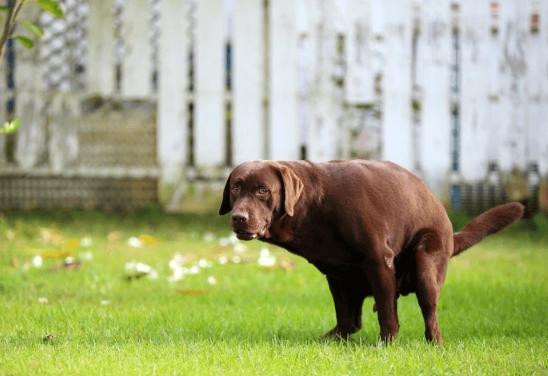
What's Inside This Guide?
What Causes Diarrhea in Dogs?
You can't fix what you don't understand. Diarrhea is just a symptom, your dog's system trying to flush something out. The causes range from "oops" to "oh no."
Think of the last walk. Did they snatch a bite of something gross? Dietary indiscretion is the superstar here. That includes:
- Scavenging: Rotting food, garbage, dead things. A canine delicacy, apparently.
- Sudden Diet Change: Switching foods too fast is a classic gut disruptor.
- Rich/Fatty Foods: Your leftover pizza or bacon grease is a one-way ticket to loose stools.
- Food Intolerances: Some dogs just can't handle certain proteins or grains.
Then there are the bugs. Viruses like parvovirus (a severe, often fatal threat to unvaccinated puppies, as noted by the American Veterinary Medical Association), bacteria like Salmonella or E. coli, and parasites like Giardia or worms. Stress can do it too—new house, boarding, fireworks.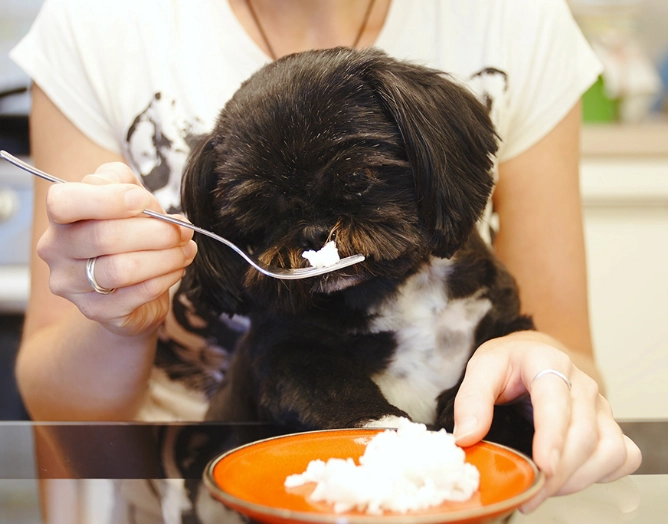
And sometimes, it's a sign of deeper trouble: inflammatory bowel disease, pancreatitis, kidney or liver issues, or even certain cancers. That's why paying attention to the other symptoms is so critical.
How to Cure Dog Diarrhea at Home: The 24-Hour Protocol
For a dog that's otherwise acting normal—still playful, interested in food, no vomiting—you can often manage this at home. The goal isn't to stop the diarrhea instantly (that can trap toxins), but to let the gut rest and reset. Here's the step-by-step I've used successfully for years.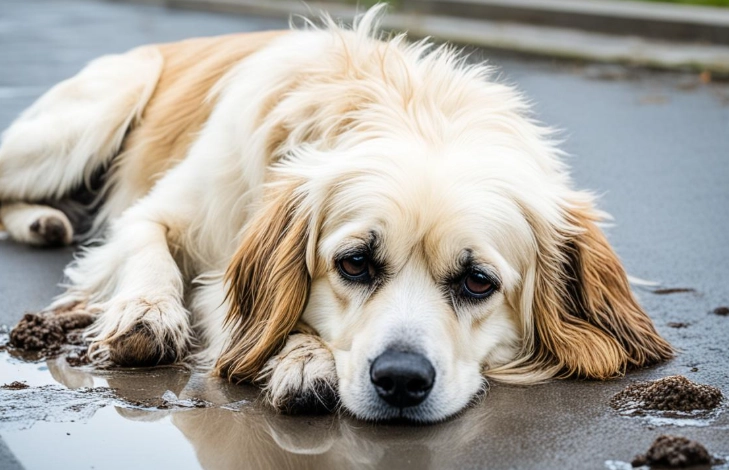
Step 1: The Strategic Fast
Withhold all food for 12-24 hours. Yes, even if they're begging. This is the most overlooked and most important step. An empty gut stops the irritation cycle and allows the intestinal lining to begin healing. Provide plenty of fresh water. If they won't drink, offer ice cubes or a splash of low-sodium chicken broth in the water.
Expert Tip: Many owners cave and feed too soon because their dog "seems hungry." Hunger is a good sign! It means their energy is up. Stick to the fast. Giving in often just restarts the diarrhea.
Step 2: The Bland Diet Reintroduction
After the fast, don't jump back to kibble. Introduce a bland diet. The classic is boiled white meat chicken (no skin, no bones) and plain white rice. The ratio is about 1:2 (one part chicken to two parts rice).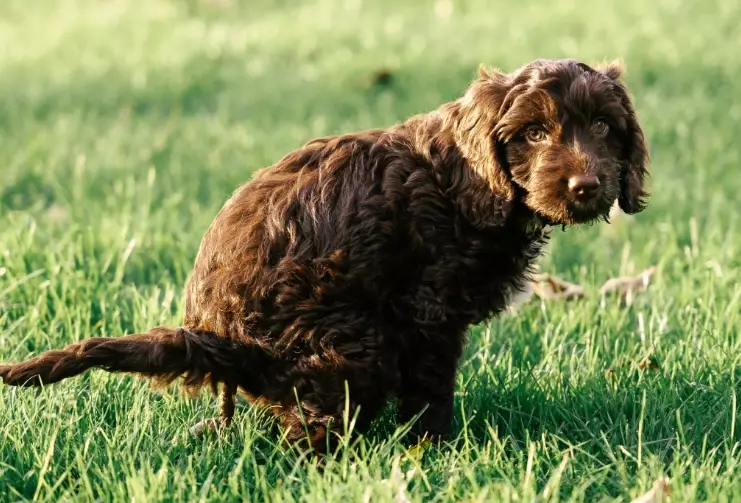
Feed small, frequent meals. Think ¼ of their normal meal amount, but given 4-6 times a day. A huge meal will shock a sensitive stomach.
Feed this for 2-3 days after stools have firmed up. Then, transition back to regular food slowly over 3-4 days, mixing increasing amounts of kibble with decreasing amounts of bland diet.
Step 3: Supportive Supplements & What to Avoid
Pumpkin is magic. Plain canned pumpkin (not pie filling) is high in fiber and can help absorb excess water in the gut. A tablespoon for medium dogs mixed into food can work wonders.
Probiotics are your friend. They replenish the good gut bacteria. Look for a canine-specific probiotic paste or powder. I've found products with multiple strains like Enterococcus faecium to be particularly effective.
Avoid human anti-diarrheal meds like Imodium (loperamide). This is a big one. In some dogs, especially certain breeds like Collies, it can cause severe neurological toxicity. Never give it without explicit vet instruction.
When Dog Diarrhea Becomes a Veterinary Emergency
This is where you need to drop everything and call the vet. Home cure protocols are for mild cases only. Here are the red flags: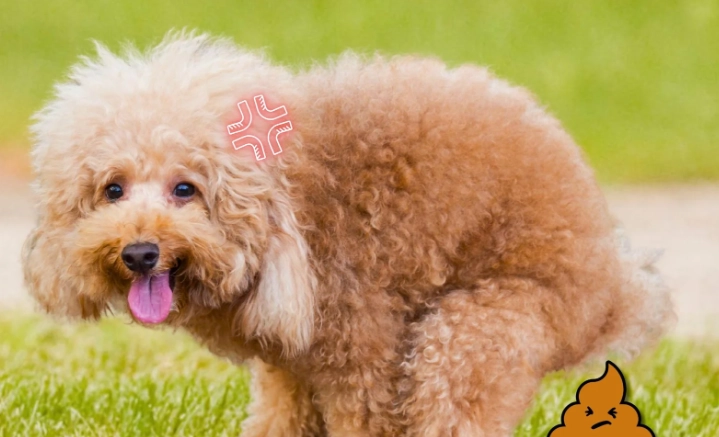
| Symptom | Why It's Serious | Possible Cause |
|---|---|---|
| Blood in Stool (bright red or dark, tarry) | Indicates severe intestinal irritation, ulceration, or clotting issues. | Parvovirus, Hemorrhagic Gastroenteritis (HGE), poisoning, foreign body. |
| Repeated Vomiting with diarrhea | Rapidly leads to dangerous dehydration and electrolyte imbalance. | Blockage, pancreatitis, systemic infection. |
| Lethargy/Weakness/Depression | Your dog feels systemically ill, not just has an upset stomach. | Severe infection, toxin, organ disease. |
| Pale Gums | Can signal shock, internal bleeding, or severe anemia. | Internal bleeding (e.g., from rat poison), HGE. |
| Diarrhea in a Very Young, Old, or Sick Dog | They have fewer reserves and dehydrate much faster. | Any cause becomes more dangerous. |
| No Improvement in 48 Hours on home care | The body isn't resolving the issue on its own. | Needs diagnostic work (parasites, bacteria, etc.). |
Act Fast: If you see a combination of these—like bloody diarrhea and lethargy—this is an immediate trip to the emergency vet. Dehydration and sepsis can set in frighteningly quick.
What Your Vet Might Do: Professional Treatments
If you go to the vet, what happens? It's not just a shot and send-home. A good vet will work to find the root cause.
First, they'll assess dehydration (often by checking skin tenting and gum moisture) and may administer subcutaneous or intravenous fluids. This is the fastest way to rehydrate and support circulation.
They might give an injection of an anti-nausea medication (like Cerenia) and/or a gut-protectant. For certain bacterial infections, they'll prescribe a targeted antibiotic, but not for every case—antibiotics can sometimes make diarrhea worse by wiping out good flora.
Diagnostics are key. They may recommend:
- Fecal Exam: To check for parasites like Giardia, worms, or harmful bacteria.
- Bloodwork: To rule out pancreatitis, kidney disease, or other systemic issues.
- X-rays/Ultrasound: If a foreign object or blockage is suspected.
They may prescribe a highly digestible prescription diet for the recovery phase, which is often more effective than a homemade bland diet for sensitive cases.
Keeping the Gut Happy: Prevention Tips
An ounce of prevention is worth a pound of... well, you know. After you've navigated a bout of diarrhea, think about how to avoid the next one.
Diet Discipline: Be the treat gatekeeper. No table scraps, especially fatty ones. If you change foods, do it over 7-10 days, mixing old and new.
Scavenging Control: This is tough. Muzzle training for walks can be a lifesaver for dogs who can't resist street snacks. Keep garbage cans secured.
Stress Management: For anxious dogs, use calming aids (pheromone diffusers, supplements) during known stressors like thunderstorms or travel.
Routine Care: Keep up with deworming and annual fecal checks. Even indoor dogs can pick up parasites.
Leave a comment