Quick Navigation
- The Big Picture: How a Female Cat's Body is Built
- The Internal Powerhouse: The Reproductive System
- Spaying (Ovariohysterectomy): The Most Common Surgery
- The Rest of the Amazing Machine
- How Anatomy Changes Through Life Stages
- Common Health Issues Linked to Female Anatomy
- Answers to Questions You Might Be Asking
- Wrapping It Up: Why This Knowledge Matters for You
So you've got a female cat. Maybe she's a tiny kitten, a graceful adult, or a dignified senior. You know she's different from the boys, obviously, but have you ever stopped to really think about what's going on under all that fur? Understanding female cat anatomy isn't just for vets or biology nerds. It's practical knowledge that can help you be a better, more observant cat parent. It explains her behaviors, her health needs, and why things like spaying are such a big deal.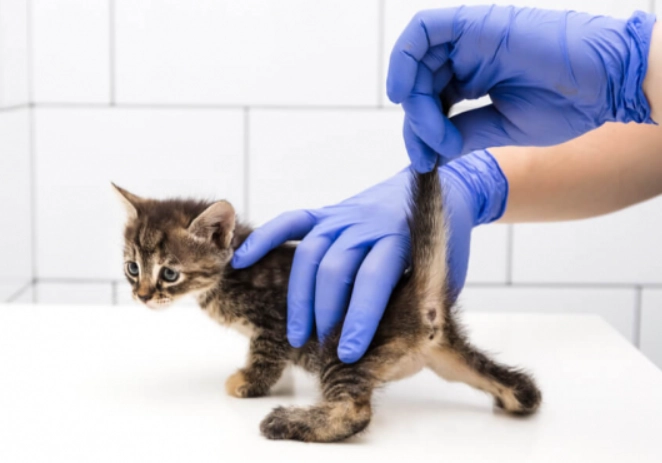
I remember the first time I really looked into this. My own cat, Luna, was going through her first heat cycle, and let me tell you, it was... an experience. The yowling, the restlessness. It made me realize how little I actually knew about her cat anatomy female style. I knew the basics, sure, but the specifics of her reproductive system? Not a clue. That curiosity led me down a rabbit hole of research, talking to vets, reading textbooks (the accessible ones!), and piecing it all together.
This guide is that research, boiled down into something we can all understand. We'll skip the overly complex medical jargon and focus on what matters for you as an owner. Because knowing this stuff helps you spot problems early, make informed decisions (like about spaying), and just generally appreciate the amazing creature sharing your home.
The Big Picture: How a Female Cat's Body is Built
Let's start from the outside and work our way in. On the surface, telling a female from a male kitten can be tricky, but in adults, the visual differences in their anatomy become more about function and less about obvious markers. A female cat (queen, is the proper term) is generally slightly smaller and finer-boned than a tomcat of the same breed, but that's not a hard rule.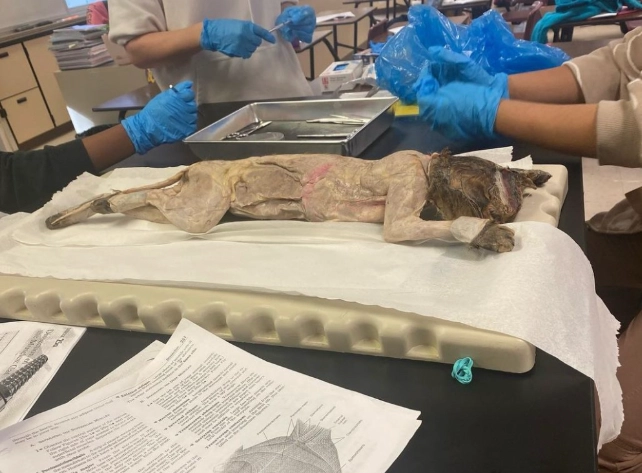
The real magic—and the most significant differences—are internal. The reproductive system is the star of the show here, but it's deeply integrated with her entire body, influencing her hormones, behavior, and long-term health.
The External View: More Than Meets the Eye
Under the tail, the anatomy is distinct. Females have a shorter distance between the anus and the genital opening (the vulva) compared to males. The vulva itself is a vertical slit. It's a small but crucial part of the overall female cats anatomy. You might not examine this area often, and that's fine, but being familiar with what's normal is key. If you ever notice swelling, discharge, or excessive licking in that area, it's a sign to call the vet.
Then there are the mammary glands. Both males and females have them, but in queens, they are fully developed for nursing. Usually, there are four pairs (eight total) running along the belly. You should make gently checking these during petting sessions a habit. Look for any lumps, thickening, or redness. Mammary tumors are unfortunately common in unspayed females and even in some spayed ones, so early detection is everything.
The Internal Powerhouse: The Reproductive System
This is the core of what defines female cat anatomy. It's a compact, efficient system designed for one thing: reproduction. And it runs on a hormonal cycle that dictates a huge part of a queen's life if she's left intact.
The main players are the ovaries, the uterus, and the vagina. Simple list, complex function.
- Ovaries: These tiny, almond-shaped organs are the command center. They produce eggs (ova) and, crucially, the hormones estrogen and progesterone. Estrogen is what triggers the infamous heat cycle.
- Uterus: Also called the womb. It's a Y-shaped organ with a central body and two long "horns" where embryos implant and develop. This design is perfect for the average cat litter of multiple kittens.
- Vagina: The muscular canal that connects the uterus to the outside world. It's the birth canal during delivery.
The heat cycle (estrus) is where this system becomes impossible to ignore. Cats are "induced ovulators," meaning they only release an egg after mating. This leads to repeated heat cycles every 2-3 weeks during the breeding season (spring and summer, mostly) until she mates or is spayed. The behaviors—loud vocalizing, restlessness, affectionate rubbing, and the distinctive mating posture—are all driven by those ovarian hormones. It's her body's way of shouting its readiness.
It's a big deal.
Living with an intact queen means managing these cycles. It can be stressful for her and for you. This is the single biggest practical reason why understanding this part of cat anatomy female leads most owners to one major decision: spaying.
Spaying (Ovariohysterectomy): The Most Common Surgery
When we talk about "fixing" a female cat, we almost always mean an ovariohysterectomy. This isn't a simple little procedure; it's major abdominal surgery where the veterinarian removes the ovaries and the uterus. Let's be clear about what that means in terms of anatomy: the primary hormone-producing organs and the entire reproductive tract are gone.
The benefits are massive and well-documented. The International Cat Care organization provides excellent resources on the reasons for and process of neutering. Here’s what changes:
- No More Heat Cycles: Immediate end to the yowling and restless behavior.
- Population Control: Prevents unwanted litters.
- Drastically Reduced Disease Risk: This is the huge one. Removal eliminates the risk of ovarian and uterine cancers and pyometra (a life-threatening uterine infection). It also massively reduces the risk of mammary tumors, especially if done before the first heat.
- Longer Lifespan: On average, spayed cats live longer, healthier lives because they avoid the risks above and roam less.
The surgery does alter her internal female cat anatomy permanently. Her hormonal profile becomes stable and quiet. For the vast majority of pet cats, this is a profoundly positive change for their health and wellbeing.
The Rest of the Amazing Machine
While the reproductive system gets the spotlight, a queen's body is a complete, integrated system. Understanding the anatomy of a female cat means appreciating how it all works together.
Urinary System: Not Just for Waste
Female cats have a shorter, wider urethra than males. This is a double-edged sword. The good news? It makes them less prone to the life-threatening urinary blockages that male cats are famous for. The potential downside? It can make them slightly more susceptible to ascending bacterial infections (like UTIs), as bacteria have a shorter path to the bladder. Keeping her hydrated with wet food or water fountains is a great preventative measure.
Skeletal and Muscular Systems: Built for Agility
There's no fundamental skeletal difference between sexes, but overall size and muscle mass play a role. A smaller, lighter frame contributes to that iconic feline grace and explosive power. Her powerful hind legs are her engine for jumping and pouncing. Watching a female cat move is a lesson in efficient biomechanics.
Digestive System: The Fuel Processor
Identical in function to males. It's a relatively short, simple system designed for a carnivore. From mouth to stomach to intestines, it's built to process meat efficiently. Pregnancy does put extra demands on this system, requiring more high-quality calories and nutrients, which is why feeding a pregnant or nursing queen a kitten-formula food is recommended.
How Anatomy Changes Through Life Stages
A queen's anatomy isn't static. It evolves, and knowing what to expect helps you provide the right care.
| Life Stage | Anatomical & Physiological Focus | Owner's Key Considerations |
|---|---|---|
| Kitten (0-6 months) | Rapid growth of all systems. Reproductive organs developing but inactive. First heat can occur as early as 4 months. | This is the ideal window for spaying (often recommended at 4-6 months) to gain maximum health benefits before sexual maturity. |
| Young Adult (6 months - 7 years) | Peak physical condition. If intact, regular heat cycles. If spayed, stable anatomy and hormones. | Maintain healthy weight through diet and exercise. For intact cats, manage heat cycles and consider spaying. Regular vet check-ups. |
| Mature Adult / Senior (7+ years) | Metabolism slows. Muscle mass may decrease. Organ systems (kidneys, etc.) require monitoring. | Increased focus on preventive care. Monitor for age-related issues like arthritis or dental disease. Senior bloodwork becomes crucial. |
| Pregnancy & Nursing | Uterus enlarges significantly. Mammary glands develop for lactation. High nutritional demands. | Provide excellent prenatal nutrition (kitten food). Prepare a quiet nesting area. Work closely with a vet throughout. |
Seeing it laid out like that makes it clearer, doesn't it? Your care strategy should shift as she moves through these stages. A senior queen has very different needs from a kitten, and her body will tell you that if you know what to look for.
Common Health Issues Linked to Female Anatomy
Some health problems are directly tied to the unique aspects of female cats anatomy. Being aware of them is half the battle.
- Pyometra: I mentioned this earlier, but it deserves its own bullet point. It's a bacterial infection of the uterus that fills it with pus. It's an absolute emergency, most common in older, unspayed females. Symptoms include lethargy, vomiting, excessive thirst, and sometimes vaginal discharge. Spaying is the only sure prevention.
- Mammary Tumors: About 85% of feline mammary tumors are malignant (cancerous). According to the Cornell Feline Health Center, the risk is drastically reduced by early spaying. Checking those mammary chains regularly is vital.
- Ovarian and Uterine Cancers: Rare in spayed cats, as the organs are removed. Another strong argument for the procedure.
- Dystocia (Difficult Birth): While most births go smoothly, problems can arise if a kitten is too large or positioned wrong. Knowing the signs of labor and when to call the vet (e.g., more than 60 minutes of strong straining without a kitten) is critical for breeders.
It sounds scary when listed, but the empowering part is that for most of these, you have a powerful tool: prevention through spaying and vigilant observation.
Answers to Questions You Might Be Asking
Here are some specific questions that pop up when people dig into cat anatomy female topics.
How can I tell if my cat is pregnant?
Early signs are subtle: she might seem more affectionate, have a slightly increased appetite, or her nipples may become more prominent and pinkish (called "pinking up") around 2-3 weeks. Later, weight gain and abdominal swelling are obvious. A vet can confirm with ultrasound or palpation. The American Veterinary Medical Association (AVMA) has a good overview of responsible pet breeding and care, which includes pregnancy.
My cat was spayed, but she still seems to go into heat sometimes. Why?
This is rare but can happen. If a tiny piece of ovarian tissue is accidentally left behind (called ovarian remnant syndrome), it can produce enough hormones to cause heat behavior. It requires a vet visit for diagnosis (usually a hormone test) and possibly a second surgery to find and remove the remnant.
Are there any downsides to spaying?
Every surgery has risks (anesthesia, infection), but these are minimal in a healthy cat undergoing a routine procedure performed by a qualified vet. The long-term health benefits overwhelmingly outweigh these very small risks. The potential for weight gain is manageable, as discussed.
What's the difference between spaying and just tying tubes?
Tubal ligation (tying the tubes) only prevents pregnancy. It leaves the ovaries and uterus intact. This means the cat will still go into heat, be at risk for pyometra and cancers of those organs, and experience all the hormonal behaviors. It's almost never recommended for pets. Ovariohysterectomy is the gold standard because it addresses both reproduction and disease.
It just makes more sense.
Wrapping It Up: Why This Knowledge Matters for You
At the end of the day, diving into the details of female cat anatomy isn't an academic exercise. It's practical. It turns you from someone who just feeds and pets a cat into an informed advocate for her health.
You can better interpret her behaviors—is that extra affection a sign of heat or just a good day? You can perform simple at-home checks on her mammary glands. You understand the profound, long-term impact of spaying, making it an informed health decision rather than just a "should I or shouldn't I" dilemma. You know what to watch for as she ages.
Your cat's body is a fascinating, resilient, and beautifully designed system. Taking the time to understand the basics of her anatomy, especially what makes her uniquely female, strengthens that bond. It allows you to provide care that's not just loving, but also smart and proactive. And that's the best thing you can do for the feline friend who has chosen to share her life with you.





Leave a comment