If you've ever walked your dog through a dry, grassy field in summer and later found them shaking their head or licking their paw incessantly, you might have encountered one of the most underrated dangers in the canine world: foxtail grass. It's not a plant you can ignore. Those innocent-looking seed heads are designed by nature to burrow, and they don't care if the target is soil or your dog's skin. I've seen the aftermath—the abscesses, the frantic pawing at the nose, the emergency vet visits that could have been avoided. This isn't just a "watch out" tip; it's a full survival guide for dog owners in foxtail country.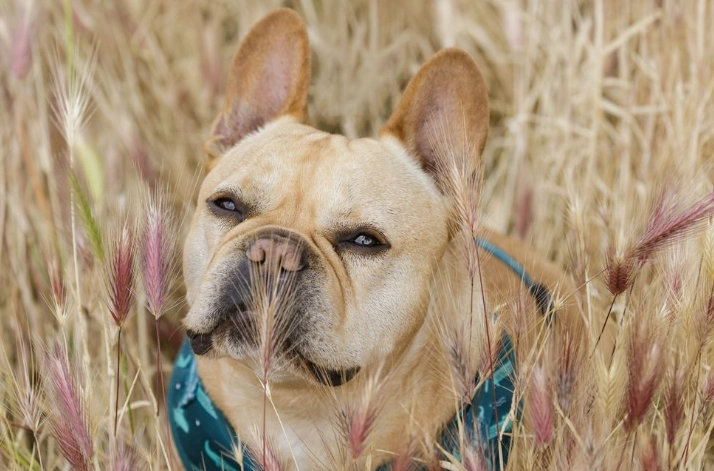
What You'll Learn in This Guide
What Are Foxtails and Why Are They So Dangerous?
Foxtail isn't one specific plant. It's a common name for the seed heads of several grassy weeds, primarily in the Hordeum (wild barley) and Setaria (foxtail millet) genera. What makes them a nightmare for dogs is their unique structure. Each seed head is covered in microscopic, backward-pointing barbs. Think of a fishhook. This design allows the seed to move forward easily (aided by an animal's movement or wind) but makes it nearly impossible to back out.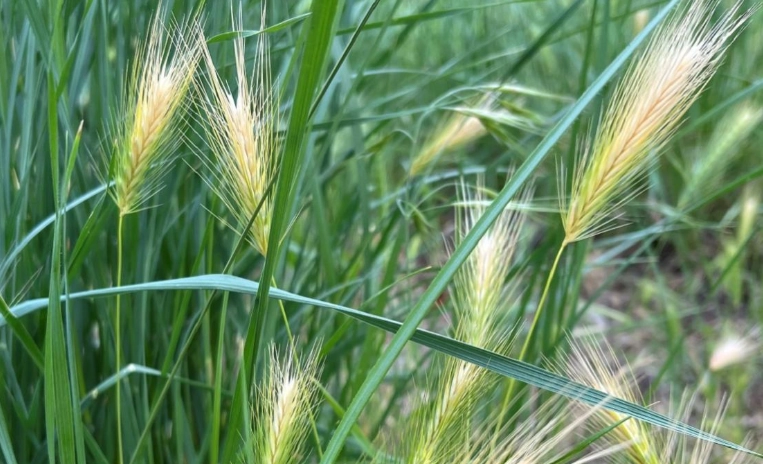
They don't dissolve. They don't get "absorbed." Once a foxtail seed penetrates the skin or enters an orifice, it keeps migrating inward, driven by motion and the one-way barbs. This migration can lead to:
- Painful abscesses and infections: The seed carries bacteria deep into tissue, creating pockets of pus.
- Internal damage: I've read case studies from veterinary journals where foxtails have migrated into the lungs, spinal cord, or abdominal cavity, requiring major surgery.
- Persistent discomfort: Even a tiny seed in a paw pad can make a dog lame and miserable for weeks if undetected.
Where and When Are Foxtails a Threat?
Geography matters. Foxtails are prolific in the western United States (California is notorious), but they've spread to many dry, grassy areas across North America. You'll find them in:
- Vacant lots, roadsides, and hiking trails.
- Parks and open fields, especially where grass is dry, dead, or overgrown.
- Even your backyard if you don't manage weeds.
The season is critical. The danger peaks in late spring through fall, once the green grasses have dried out and turned to straw. That's when the seed heads become brittle, break off easily, and lie in wait. A wet winter often leads to a bumper crop of foxtails the following summer.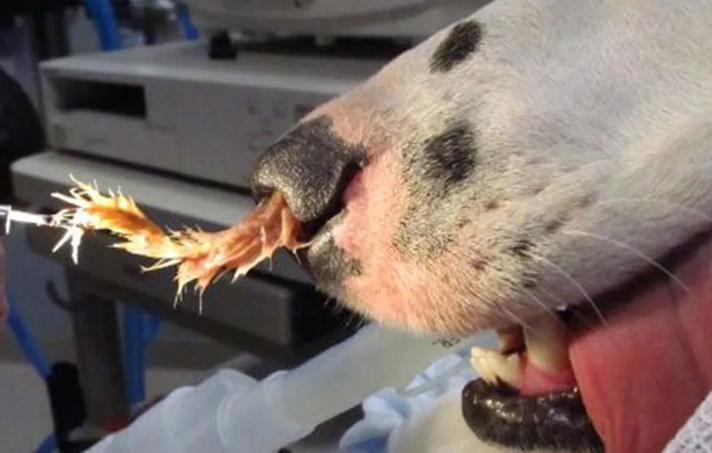
How to Check Your Dog for Foxtails: A Step-by-Step Guide
After every walk in risky areas, make this a ritual. It takes five minutes and can save you thousands in vet bills. Do it in good light, and be thorough.
The Post-Walk Foxtail Check
Paws & Toes: Spread each toe apart. Look deep in the webbing. Feel for any hard, sharp objects. Check the pads for tiny holes or red, swollen areas.
Ears: Gently lift the ear flap. Foxtails often get flicked into ears. Signs include sudden, violent head shaking, tilting the head, or pawing at the ear.
Nose: Watch for sudden, repeated sneezing—sometimes bloody. A foxtail inhaled up the nostril is an urgent situation.
Eyes: Look for squinting, redness, discharge, or holding the eye closed. Seeds can get under the third eyelid.
Coat & Skin: Run your hands over the entire body, against the grain of the fur. Pay special attention to the armpits, groin, and under the collar where seeds can get trapped. Feel for small bumps or mats.
What to Do If You Find or Suspect a Foxtail
Here's your action plan:
- Visible and loose: If you see a seed just caught in the fur and it hasn't pierced the skin, carefully brush or pluck it out with tweezers and dispose of it securely.
- Embedded in paw or skin: If it's already sticking in, even a little, or if there's a visible entry point (a small hole), it's vet time. Restrict your dog's movement to prevent further migration.
- In an orifice (ear, nose, eye): This is an immediate veterinary emergency. Do not wait. The seed is migrating inward with every breath, head shake, or blink.
Your vet has the tools—otoscopes, nasal scopes, flush solutions, and sometimes ultrasound—to locate and safely remove the foreign body. According to the American Kennel Club, foxtail-related issues are a leading cause of summer vet visits in endemic areas.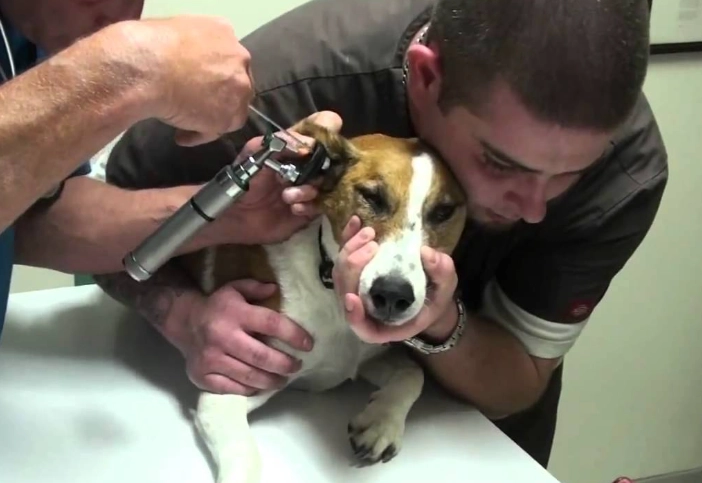
Prevention: Your Best Defense Against Foxtails
Stopping the problem before it starts is infinitely better than treating it. A multi-layered approach works best.
- Avoidance is key. During peak season, choose walking routes on pavement, in wooded areas with dense canopy, or on well-maintained, short-grass parks. Scan the edges of trails for dried, seed-headed grasses.
- Grooming matters. For dogs with long, feathery fur or thick double coats, consider a "foxtail haircut" for summer. Trimming the hair between the toes, around the ears, and on the legs can drastically reduce the number of seeds that get caught. It's not just about looks; it's a functional safety cut.
- Protective gear. Products like Outfox Field Guards (mesh hoods that cover the head and ears) or durable dog boots can be game-changers for hiking in high-risk zones. It might look silly, but it works.
- Yard maintenance. Regularly mow your lawn and actively remove foxtail plants before they seed. Pull them, don't just mow them, as mowing can spread the seeds.
To help you quickly identify a problem, here's a breakdown of common foxtail invasion sites and what to watch for:
| Entry Point | Common Symptoms | Urgency Level |
|---|---|---|
| Paws / Toes | Licking, chewing, limping, swelling between toes, small hole or abscess on pad. | High - See vet within 24 hours. |
| Ears | Sudden, violent head shaking, head tilt, pawing at ear, crying out when ear is touched. | Emergency - See vet same day. |
| Nose | Frenzied sneezing (often only one nostril), nasal discharge, pawing at face, possible nosebleed. | Emergency - See vet immediately. |
| Eyes | Squinting, redness, excessive tearing, mucus discharge, visible swelling under lid. | Emergency - See vet immediately. |
| Skin / Coat | Localized swelling, lump that may be painful or drain pus, persistent licking at one spot. | High - See vet to locate and remove. |
Your Foxtail Questions Answered
The bottom line with foxtails is that a little paranoia is healthy. Knowing what they are, where they lurk, and how your dog might react gives you the power to prevent a minor nuisance from becoming a major medical crisis. Change your walking habits during the risky season, make that post-walk check a habit, and don't hesitate to get professional help. Your dog's safety is worth those few minutes of extra vigilance.




Leave a comment