You hear that sound. The one that means you're about to find an unpleasant surprise on the floor. Dog diarrhea hits fast, and your first thought is usually, "What can I give them to make this stop?" Let's cut to the chase: the answer isn't a single magic pill from your medicine cabinet. It's a process. Before you raid the fridge or the pharmacy, your first call should always be to your veterinarian if you're unsure or if there are any red flags. For simple, acute cases, a strategic plan involving rest, specific foods, and close observation is your best bet.
Quick Guide: What's Inside
Understanding Dog Diarrhea: It's a Symptom, Not a Disease
Diarrhea is your dog's body trying to quickly flush out something it doesn't like. Think of it as a system reset. Common triggers include:
- Dietary indiscretion: The classic. Getting into the trash, eating a dead thing on a walk, a sudden treat overload, or a rapid food switch.
- Stress or anxiety: A new pet, loud noises (like thunderstorms), or boarding can upset their gut.
- Parasites: Giardia, roundworms, and others are frequent culprits, especially in puppies.
- Bacterial imbalance: Sometimes the good gut bacteria just get out of whack.
Most simple diarrhea episodes fall into the first category and can be managed at home with patience. The goal of home treatment isn't to "stop" the diarrhea immediately—that can trap toxins—but to soothe the gut and provide binders that help form firmer stools.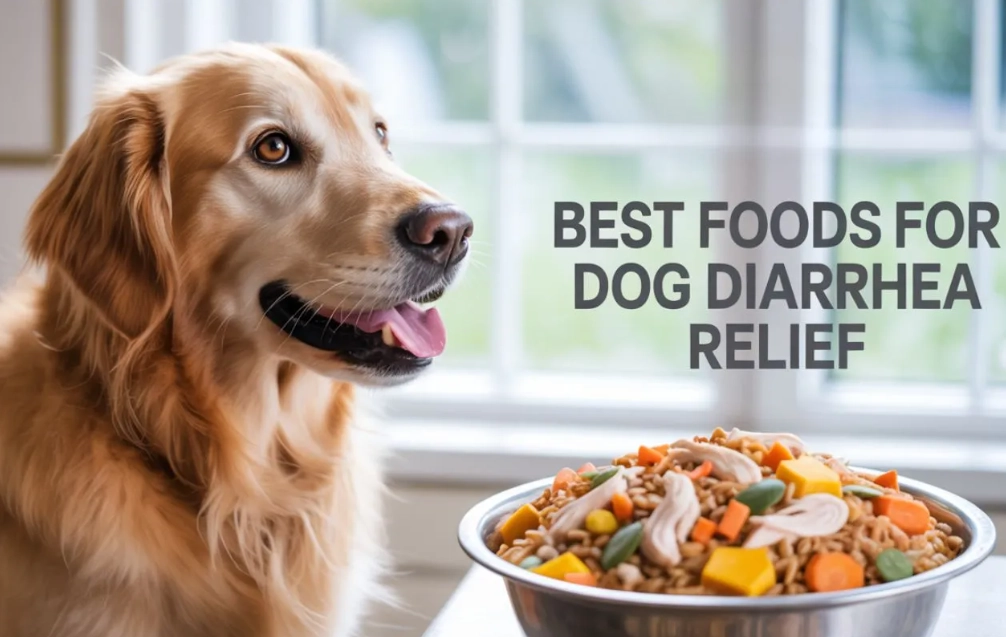
Stop. Read This First.
This guide is for adult dogs with mild, acute diarrhea who are otherwise acting normally (energetic, drinking water, no pain). It is not a substitute for professional veterinary advice. If your dog is a puppy, a senior, has existing health issues, or shows any of the warning signs in the next section, call your vet immediately.
When to Worry: Signs You Need the Vet, Not Google
This is the most important part. Home care is great, but knowing when to escalate is critical. I learned this the hard way when my own dog, a usually iron-stomached Labrador, had diarrhea that turned out to be from a foreign object. Don't wait if you see:
- Blood in the stool: Bright red blood or black, tarry stools.
- Vomiting along with diarrhea: This dramatically increases the risk of dehydration.
- Lethargy, depression, or obvious pain: If your dog won't get up, seems tender in the belly, or cries out.
- Diarrhea lasting more than 48 hours despite home care.
- Loss of appetite for more than one meal.
- If your dog is very young, very old, or has a chronic illness like diabetes or kidney disease.
Dehydration is the silent danger. Check their gums—they should be wet and slick, not tacky. Gently pinch the skin on their shoulder; it should snap back quickly. If it stays tented, they're dehydrated.
The 3-Step Home Care Plan for Mild Upset Stomachs
Okay, your dog has the runs but is still wagging their tail. Here's the action plan I've used successfully for years.
Step 1: The Strategic Fast (12-24 Hours)
This is the step everyone wants to skip. Don't. Giving the gastrointestinal tract a complete rest is often the most effective thing you can do. Withhold all food for 12-24 hours. Provide unlimited access to fresh, clean water. You can even offer ice cubes if they're hesitant to drink.
Important Exception
Do NOT fast puppies, toy breeds, or dogs with blood sugar issues. Their small size and metabolism mean they can't handle going without food. For them, move straight to Step 2 with very small, frequent bland meals.
Step 2: Rehydration is Key
During the fast and after, focus on fluids. Plain water is fine. If you want to offer an electrolyte boost, skip the sports drinks (too much sugar). You can offer a small amount of low-sodium chicken or beef broth (make sure it contains NO onions or garlic), or ask your vet about oral rehydration solutions made for pets.
Step 3: Introducing a Bland Diet
After the fast, it's time for the famous bland diet. This isn't their regular kibble. The goal is low-fat, easily digestible, and binding.
The Gold Standard Recipe: Boiled, skinless, boneless white meat chicken (or lean ground beef/turkey) mixed with plain, white rice in a 1:1 ratio. Boil the chicken—don't bake or fry—to keep fat to a minimum. The rice provides binding fiber.
How to feed it: Start with a small meal—think about a quarter of their normal portion. Offer this 3-4 times a day for the first day. Small, frequent meals are easier on a recovering stomach than one large one.
The Magic Additive: Stir in a tablespoon of plain, canned pumpkin (100% pumpkin, NOT pie filling). Pumpkin is a fantastic source of soluble fiber, which absorbs excess water in the gut and helps solidify stools. This is my secret weapon.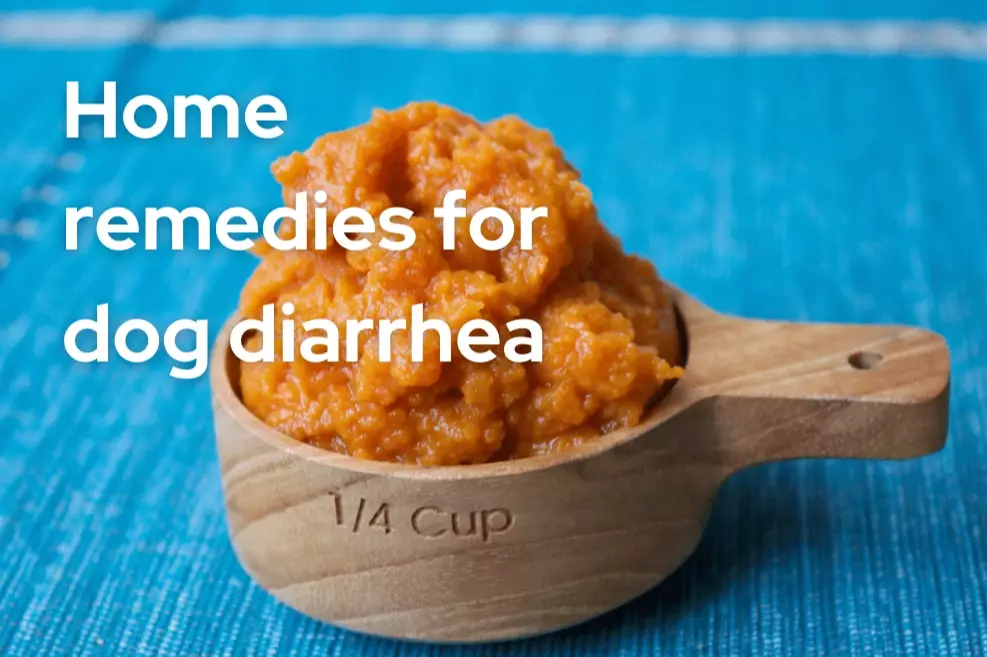
Safe Foods vs. Dangerous "Remedies"
Let's get specific. The internet is full of advice, and some of it is terrible. Here’s a clear breakdown.
| Safe & Recommended (In Moderation) | Dangerous or Ineffective (Avoid!) |
|---|---|
| Plain, Boiled Chicken/Bee/Turkey Easy protein, low fat. |
Human Anti-Diarrheal Meds (Imodium, Pepto-Bismol) Dosage is critical; can be toxic. Never use without vet say-so. |
| Plain White Rice or Plain Pumpkin The binding backbone of the bland diet. |
Dairy Products (Milk, Cheese, Yogurt) Many dogs are lactose intolerant. This can worsen diarrhea. |
| Plain, Canned Pumpkin (100%) A fiber superstar for firming stools. |
Fatty Foods, Grease, or Rich Treats Will further irritate the gut. This includes bacon grease. |
| Bone Broth (Onion/Garlic-Free) Great for hydration and palatability. |
Chocolate, Onions, Garlic, Grapes, Xylitol Always toxic, but especially dangerous when a dog is already unwell. |
| Probiotic Supplements for Dogs Can help repopulate good gut bacteria post-crisis. |
Sudden Diet Changes Back to Regular Kibble The fastest way to trigger a relapse. Transition slowly. |
How to Transition Back to Regular Food
Once your dog has had normal stools for 24-48 hours on the bland diet, you can start the transition. The biggest mistake is switching back to regular food overnight.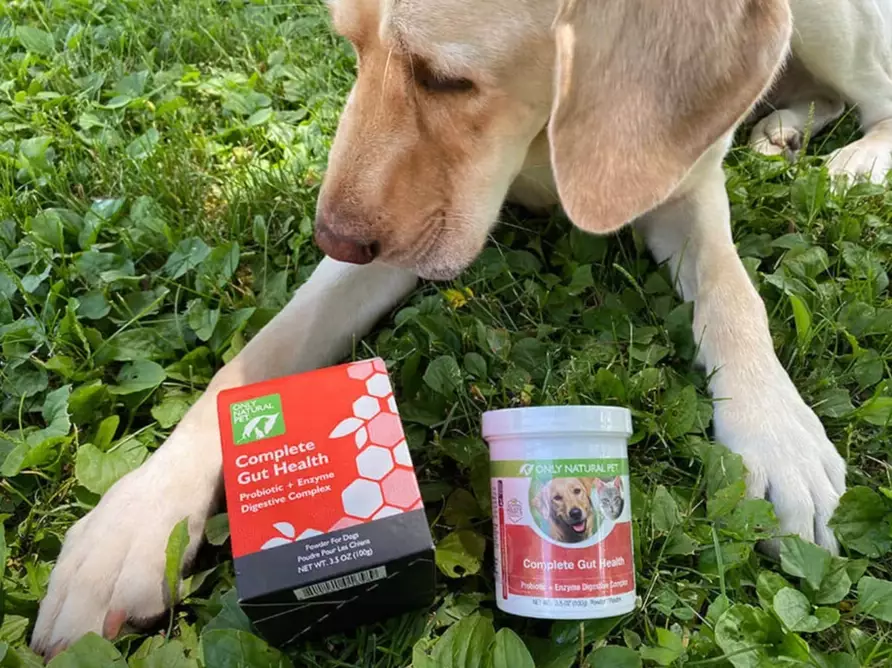
- Day 1-2: Mix 75% bland diet with 25% regular food.
- Day 3-4: Move to a 50/50 mix.
- Day 5-6: Mix 25% bland diet with 75% regular food.
- Day 7: Fully back to their normal diet.
If diarrhea returns at any point during this transition, go back a step or two in the ratio and move more slowly. Some dogs with sensitive stomachs benefit from a week or more on the transition.
Pro Tips from a Decade of Dog Ownership
After dealing with this more times than I'd like to admit, here are a few nuanced things most generic lists miss.
1. Probiotics are for after, not during. Giving a probiotic while diarrhea is active is like sending in construction workers while the floodwaters are still raging. Wait until the stools are starting to firm up (usually day 2 or 3 of the bland diet) to start a canine-specific probiotic. This helps rebuild the gut flora army.
2. Pumpkin is powerful—don't overdo it. Too much pumpkin can have the opposite effect and cause constipation. Stick to 1-4 tablespoons per meal, depending on your dog's size.
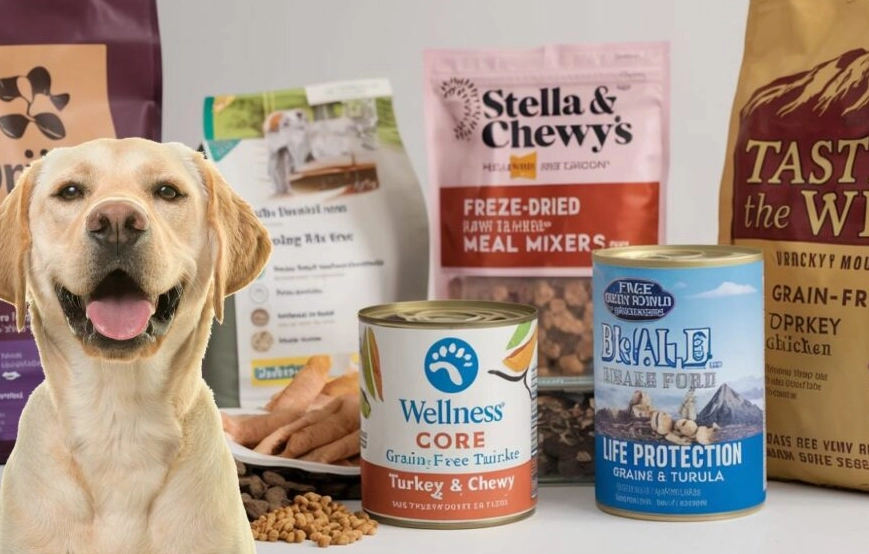
3. Keep a "Diarrhea Kit" in your pantry. Mine has a can of plain pumpkin, a bag of white rice, and a few cans of a high-quality, sensitive-stomach wet food. When disaster strikes at 8 PM, you're not scrambling at the store.
4. The "ick" factor matters. If your dog's diarrhea is particularly foul-smelling, contains mucus, or looks like strawberry jelly (a sign of severe intestinal inflammation), it's more likely to be parasitic or bacterial. This skews the odds towards needing a vet visit for medication like metronidazole or fenbendazole, which you can't get at home.
Your Dog Diarrhea Questions, Answered
 My dog has diarrhea but is acting normal. When should I worry?

Leave a comment