Quick Navigation
- Why Raw Asparagus is a Tricky Proposition for Cats
- Nutritional Breakdown: What's Actually in Asparagus for a Cat?
- The Step-by-Step Guide (If You Insist on Proceeding)
- What About Other Parts of the Asparagus Plant?
- Safer Vegetable Alternatives for Curious Cats
- Answering Your Burning Questions (FAQs)
- The Final Verdict: To Feed or Not to Feed?
So you're chopping up some asparagus for dinner, and those big, curious eyes are locked on you. The head tilts. A paw might reach out. You pause, spear in hand, and the question hits you: wait, can cats eat asparagus raw? Is this a cute little treat waiting to happen, or a one-way ticket to an emergency vet visit? Let's be real, figuring out what's safe for our cats to nibble on can feel like navigating a minefield sometimes. One minute they're fine with a bit of chicken, the next they're giving you the side-eye for offering a green bean.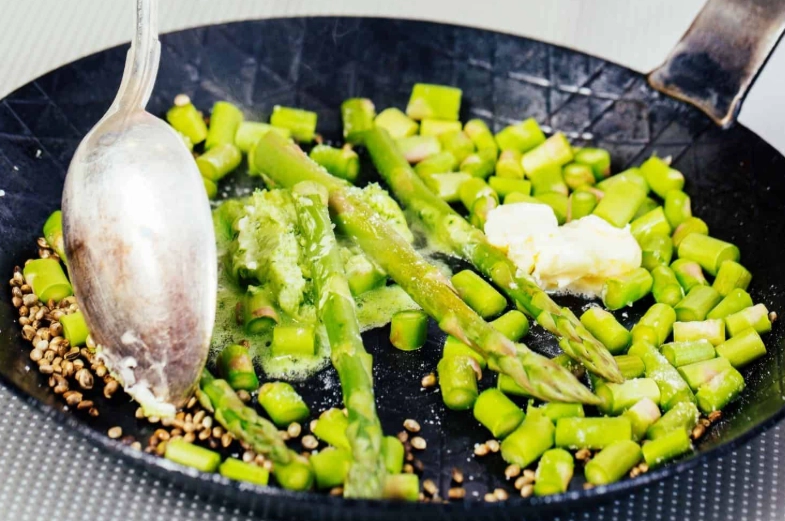
I've been there. My own cat, a mischievous tabby named Leo, once became utterly obsessed with the smell of steamed broccoli. It led me down a rabbit hole of research about vegetables and cats that I never knew I needed. The short, and maybe surprising, answer to can cats eat asparagus raw is... technically, yes, but with a huge stack of caveats and warnings taller than a cat tree. It's not a simple yes or no. It's a "proceed with extreme caution, and probably don't bother" kind of situation.
The Core Answer: Raw asparagus is not toxic to cats in the same way onions, garlic, or chocolate are. The American Society for the Prevention of Cruelty to Animals (ASPCA) does not list asparagus as a poisonous plant for cats. So, a tiny, accidental lick or minuscule piece likely won't spell disaster. However, non-toxic does not mean recommended, safe, or beneficial. Feeding raw asparagus comes with significant risks and offers little to no nutritional upside for your obligate carnivore.
Think about it. Cats are designed by evolution to thrive on animal protein. Their digestive systems are short and acidic, perfect for breaking down meat, not complex plant fibers. Asking if cats can eat asparagus raw is a bit like asking if you could live on only candy. You probably could for a day, but it's not good for you, and your body would complain loudly.
Why Raw Asparagus is a Tricky Proposition for Cats
Let's break down the raw asparagus stalk itself. It's tough, fibrous, and has a woody texture. For us humans, that's part of the appeal, especially with a nice crunch. For a cat? It's a potential physical hazard.
The Choking and Obstruction Hazard: This is the number one, most immediate danger. A piece of raw asparagus, especially if it's not cut into impossibly tiny, mush-like pieces, can be a serious choking risk. Even if swallowed, those tough, stringy fibers are very difficult for a cat to digest. They can cause gastrointestinal blockages or irritation. An intestinal blockage is a severe, life-threatening emergency requiring surgery. It's just not a risk worth taking for a vegetable your cat doesn't need.
Beyond the physical danger, there's the digestive upset. Cats lack the necessary enzymes to efficiently break down cellulose, the main fiber in plants. Introducing a hard-to-digest food like raw asparagus can lead to:
- Vomiting: Their stomach might just reject it outright.
- Diarrhea or Constipation: The fiber can swing things wildly in either direction, disrupting their gut balance.
- Gas and Abdominal Discomfort: Not fun for anyone, especially your cat who can't tell you what's wrong.
And here's a weird one some people don't consider: asparagus can change the smell of urine (in humans too, famously!). While not harmful, if your cat has a history of urinary issues or you're monitoring their litter box habits, this could cause unnecessary confusion and worry.
Nutritional Breakdown: What's Actually in Asparagus for a Cat?
Okay, so it's risky. But maybe it's a superfood packed with vitamins they need? Let's look at the facts. Asparagus does contain some nutrients: folate, vitamins K, A, and C, and some fiber. Sounds good on paper, right?
What does that mean in plain English? Cats need their nutrients from meat. The taurine in meat is essential for heart and eye health; a cat can't make enough on its own. The Vitamin A in asparagus is in a form (beta-carotene) that cats cannot convert efficiently. They need pre-formed Vitamin A from liver and other organs. So, while the vitamins in asparagus exist, they are largely inaccessible or unnecessary for your cat. Their complete and balanced commercial cat food (or a properly formulated raw meat diet) is already delivering all these nutrients in the right forms and amounts.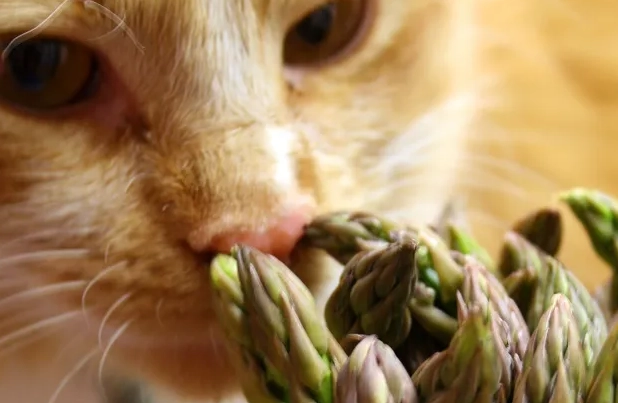
Feeding asparagus for nutrition is, frankly, pointless for them. You'd be giving them a difficult, risky food for nutrients they either can't use or already get from their regular diet.
Raw vs. Cooked: Is There a Safer Way?
This leads to the natural follow-up: if raw is so bad, what about cooked? Can cats eat asparagus if it's steamed or boiled?
Cooked asparagus is undeniably safer than raw from a physical hazard standpoint. Cooking softens the fibers, making it less of a choking and blockage risk. It also breaks down some of the tough cellulose, making it slightly easier on their stomach. However, the core issues remain.
- It's still a novel food that can cause digestive upset.
- It still offers no meaningful nutritional benefit to a cat on a proper diet.
- You must cook it plainly—no butter, oil, salt, garlic, onions, or seasonings. These additions are often more dangerous than the vegetable itself.
If you are absolutely determined to let your cat try a minuscule piece of asparagus as a one-time curiosity, cooked (steamed or boiled until very soft) and then pureed or mashed into an absolute paste is the only method I'd even remotely consider. And even then, I'd hesitate. A piece the size of a pea is more than enough.
The Step-by-Step Guide (If You Insist on Proceeding)
Let's say you've read all the warnings and you still want to see for yourself. Maybe your cat is an adventurous eater who has safely sampled other veggies. Here is the ultra-cautious, damage-control protocol. Treat this like a science experiment, not a treat.
- Choose & Prepare: Select one fresh spear. Wash it thoroughly to remove any pesticides. Cut off the tough, woody end.
- Cook Thoroughly: Steam or boil it until it is fork-tender and mushy. No al dente. Let it cool completely to room temperature.
- Mash to Oblivion: Take a tiny piece (pea-sized) and mash it completely with a fork. There should be no recognizable fibers or chunks.
- The Tiny Taste Test: Place this microscopic amount on a plate, away from their regular food.
- Observe Like a Hawk: Watch for their reaction. Do they eat it? Ignore it? After eating, monitor them closely for the next 24-48 hours for any signs of vomiting, diarrhea, lethargy, or changes in litter box habits.
- Portion Control is Everything: If, against all odds, they seem to love it and have no ill effects, this "treat" should never constitute more than 1-2% of their daily caloric intake. For most cats, that's a piece smaller than a blueberry, once in a blue moon. It is not a dietary staple.
Honestly, after writing that list, it sounds like so much work for so little reward. It really highlights why the question "can cats eat asparagus raw" usually ends with a recommendation to just skip it altogether.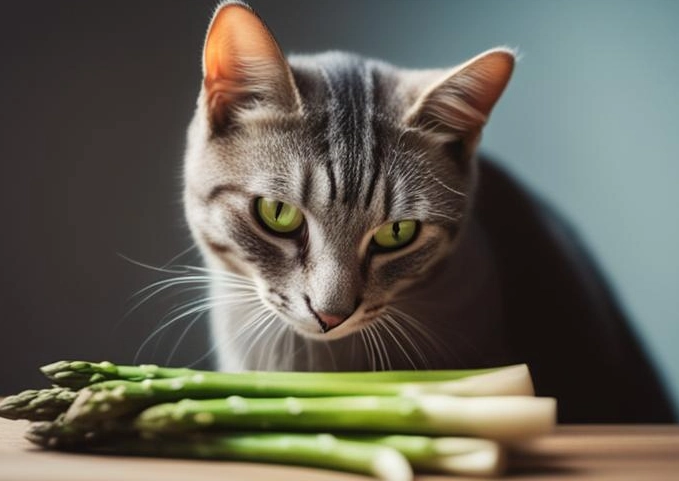
What About Other Parts of the Asparagus Plant?
Good question. The spear is what we eat, but what if your cat nibbles on a fern from an asparagus plant in the garden?
The asparagus fern (often sold as a houseplant) is a different story. Despite its name, it's not a true fern and is toxic to cats. The ASPCA lists the Asparagus fern (*Asparagus setaceus*, often called lace fern or plumosa fern) as toxic, causing vomiting, diarrhea, and abdominal pain if ingested. The berries it produces are also toxic.
So, the distinction is crucial: the edible garden asparagus spear (*Asparagus officinalis*) is non-toxic but physically risky. The ornamental asparagus fern plant is toxic. Keep both away from your cat to be safe.
Safer Vegetable Alternatives for Curious Cats
Some cats genuinely seem interested in greens. It might be the texture, the moisture, or just plain curiosity. If you want to offer a safer, more feline-appropriate green experience, consider these options. Always introduce in tinier-than-tiny amounts and cooked plain.
| Vegetable | Preparation | Potential Benefit / Note | Risk Level |
|---|---|---|---|
| Cooked Pumpkin (Plain) | Canned, plain (100% pumpkin, NOT pie filling) or cooked and mashed. | Often used to add fiber for constipation or diarrhea. High in water content. | Low (when plain and in moderation) |
| Cooked Green Beans | Steamed or boiled until very soft, no seasoning. | Low-calorie, some fiber. A common vet-recommended filler for dieting cats. | Low to Moderate |
| Cooked Carrot | Steamed/boiled and mashed or pureed. | Beta-carotene (again, not useful to cats) but soft texture when cooked. | Moderate (can be a choking hazard if not mashed) |
| Cat Grass (Wheatgrass, Oatgrass) | Grown specifically for pets from pet-safe seeds. | Provides safe fiber, may aid with hairballs. Satisfies urge to chew greens. | Very Low |
| Cooked Peas | Mashed thoroughly. | Sometimes found in commercial cat foods. Offer only occasionally. | Low to Moderate |
| Spinach (Cooked) | Steamed and chopped finely. | Controversial. Contains oxalates which can contribute to urinary crystals in prone cats. Avoid if your cat has a history of urinary issues. | Moderate to High (due to oxalates) |
See? There are options that are generally considered lower risk than raw asparagus. Cat grass is probably the best bet—it's made for them.
Answering Your Burning Questions (FAQs)
Can asparagus kill a cat?
It is highly unlikely that the asparagus itself is poisonous enough to kill a cat. However, the physical consequences of eating it—specifically a gastrointestinal blockage from a large or tough piece—can be fatal if not treated surgically and immediately. So, while not directly toxic, it can indirectly lead to a life-threatening situation.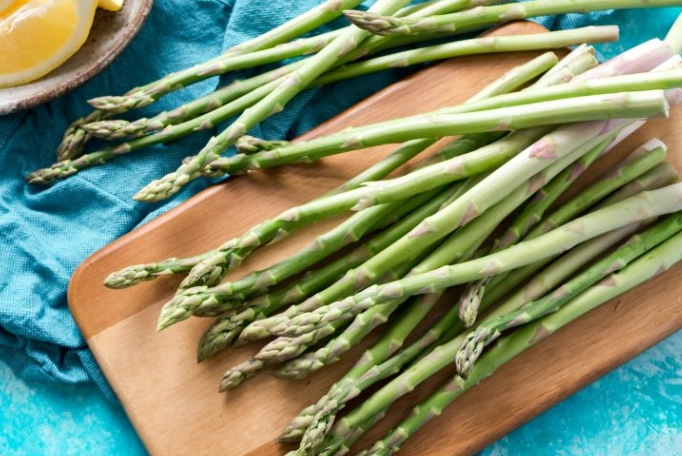
My cat ate a piece of raw asparagus! What do I do?
First, don't panic. Assess the situation.
How much did they eat?
If it was a tiny sliver they licked or a small piece they chewed and swallowed, they will probably be okay. Monitor them closely for the next 24-48 hours for any signs of distress: vomiting, gagging, not eating, lethargy, or straining in the litter box. Ensure they are drinking water.
If they ate a large piece or the whole tip?
Or if they are a kitten or a small cat? Or if you see any symptoms of choking (pawing at mouth, distress, blue gums) or illness? Contact your veterinarian or an emergency pet poison hotline like the ASPCA Animal Poison Control Center immediately for guidance. It's always better to be safe and get professional advice.
Why does my cat like asparagus?
Cats are weird. Some might be attracted to the smell or the texture. It might remind them of grass. They might be curious about something you're holding. Or, they might just be trying to get your attention. Liking something doesn't mean it's good for them—many cats like the taste of antifreeze, which is tragically deadly.
Is it okay for cats to eat asparagus regularly?
No. Absolutely not. Asparagus should not be a regular part of a cat's diet. It offers no benefits and introduces consistent, unnecessary risks of digestive upset and potential physical harm. Their regular, nutritionally complete cat food is all they need.
What human foods are truly dangerous for cats?
While we're on the topic of cats eating asparagus raw, it's vital to know the real enemies. These are the foods you must keep locked away:
- Onions, Garlic, Chives, Leeks: Cause oxidative damage to red blood cells, leading to anemia.
- Chocolate: Contains theobromine, toxic to cats.
- Xylitol: An artificial sweetener found in gum, candy, some peanut butters. Causes insulin release leading to hypoglycemia and liver failure.
- Grapes & Raisins: Cause acute kidney failure in dogs, and toxicity in cats is suspected. Never risk it.
- Alcohol & Caffeine: Extremely dangerous even in small amounts.
- Raw Dough (Yeast): Can expand in the stomach and produce alcohol.
- Bones (Cooked): Can splinter and cause internal damage or blockages.
Compared to this list, raw asparagus seems mild, but its dangers are more mechanical than chemical.
The Final Verdict: To Feed or Not to Feed?
After all this, where do we land on the central question of can cats eat asparagus raw?
My honest, experienced opinion? Don't do it. The risks—choking, intestinal blockage, digestive upset—far, far outweigh any non-existent benefits. There is no nutritional gap in your cat's diet that a piece of asparagus will fill. You are introducing a potential problem for zero gain.
The Bottom Line: Your cat's diet should be built on a foundation of high-quality animal protein. Vegetables are, at best, an occasional, unnecessary curiosity and, at worst, a direct physical hazard. If your cat is obsessed with greens, grow them some certified pet-safe cat grass. It's cheaper, safer, and designed for them. Save the asparagus for your own dinner plate, and maybe share a bit of plain cooked chicken or a commercial cat treat instead. They'll thank you for it (with purrs, not with a trip to the vet).
Remember, when in doubt about any food, your veterinarian is your best resource. They know your cat's specific health history and can give you personalized advice. It's always okay to call and ask, "Hey, my cat just ate this..." It's a call I've made more than once, and it's always better than a night of worrying.
So next time those eyes are on your veggie prep, you'll know the answer isn't a simple yes or no. It's a thoughtful, informed "let's find you something better."

Leave a comment