You've probably seen them pop up on social media or in your local pet store—cute, ring-shaped snacks or toys labeled "dog donuts." They're not the sugary breakfast kind (please, never give your dog those), but a growing trend in the pet world. But what are they really for? Are they just a fad, or do they serve a genuine purpose in your dog's life? I've spent over a decade working with dogs, from high-drive working breeds to anxious rescues, and I've seen how a simple concept like a dog donut can be a game-changer or a complete waste of money, depending on how you use it. Let's cut through the marketing and look at what dog donuts actually offer.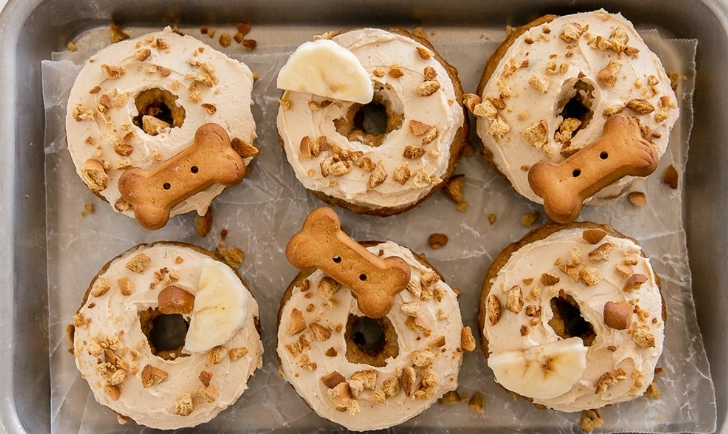
What You'll Find in This Guide
What Are Dog Donuts, Really?
At its core, a "dog donut" refers to one of two things: a treat or a toy, both shaped like a torus (that's the fancy word for a ring). The shape isn't just for looks. For treats, it can make them easier to hold or slower to eat. For toys, the hole in the middle is the whole point—it's perfect for stuffing, tossing, or using in interactive games.
The confusion starts when owners don't distinguish between the two. I've had clients buy a plush donut toy, only to be frustrated when their dog destroys it in minutes. Or they'll buy bagged donut-shaped treats without checking the ingredients, which are sometimes just cheap carbs and fillers. Understanding the distinction is your first step to using them effectively.
Dog Donut Treats: A Deep Dive
Let's talk about the edible kind first. These are baked or dehydrated snacks shaped like little rings. A good dog donut treat should be a functional part of your training or enrichment toolkit, not just an empty-calorie snack.
Why the ring shape? Beyond being adorable, it can be safer for some dogs. Larger breeds can grab them easily without nipping your fingers during training. The hole also allows for creative uses, like threading them onto a rope for a DIY puzzle.
What to Look For in Store-Bought Dog Donut Treats
The pet treat aisle is overwhelming. Here’s a breakdown of what matters, based on what I recommend to my clients. Ignore the flashy packaging and look at the back label.
| Feature | What to Look For | Red Flags / Common Mistakes |
|---|---|---|
| Primary Protein | A named, whole protein source as the FIRST ingredient (e.g., "chicken," "salmon," "beef"). | "Meal" or "by-products" listed first, or vague terms like "animal protein." |
| Fillers & Carbs | Limited, recognizable carbs like sweet potato, oats, or pumpkin. | Corn, wheat, soy, or multiple forms of sugar (sucrose, syrup) high on the list. |
| Additives | Minimal. Natural preservatives like mixed tocopherols (Vitamin E) are okay. | Artificial colors (Red 40, Blue 2), flavors, or preservatives (BHA, BHT, ethoxyquin). |
| Calorie Density | Check the kcal/treat. Ideal for training: 5-15 calories each. | Treats over 30 kcal each—they add up fast and disrupt your dog's diet. |
A brand I've had good results with for dogs with sensitive stomachs is "Buddy's Bakery" (look for their limited-ingredient line). Their salmon and sweet potato donuts are a hit. On the other hand, I'd avoid anything brightly colored or that smells overly sweet—your dog doesn't care about neon pink frosting.
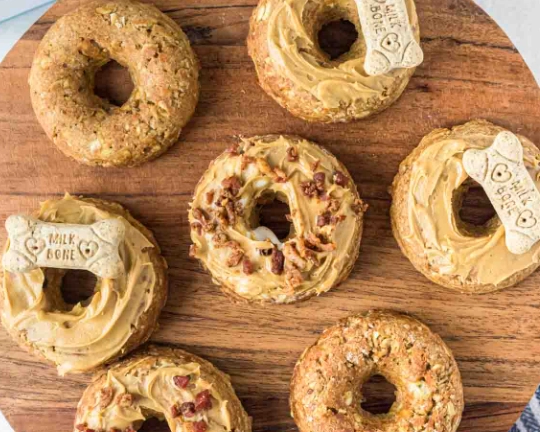
How to Make Healthy Homemade Dog Donuts
This is where you can really tailor the treat to your dog's needs. Homemade dog donuts let you control every ingredient, which is perfect for dogs with allergies or specific dietary requirements. The process is simpler than you think.
Base Recipe for Simple Pumpkin & Peanut Butter Dog Donuts:
- Wet Mix: 1 cup pure pumpkin puree (not pie filling), 1/4 cup natural, xylitol-free peanut butter, 1 large egg.
- Dry Mix: 2 cups whole wheat flour (or oat flour for gluten-free), 1 teaspoon baking powder.
- Method: Mix wet ingredients, then gradually fold in dry until a dough forms. Roll out to about 1/2 inch thickness. Use a large round cutter and a small bottle cap to create the ring shape. Bake at 350°F (175°C) for 20-25 minutes until firm. Let cool completely.
Critical Safety Note: Always double-check your peanut butter for xylitol, an artificial sweetener that is extremely toxic to dogs. It's in more products than you'd think, including some "natural" brands. The American Society for the Prevention of Cruelty to Animals (ASPCA) lists it as a top poison hazard.
The beauty of this recipe is its flexibility. Swap pumpkin for mashed banana or unsweetened applesauce. Add a tablespoon of ground flaxseed for omega-3s, or use shredded carrot for extra crunch. Store them in the fridge for a week or freeze for up to three months.
Dog Donut Toys: The Ultimate Enrichment Guide
This is, in my opinion, the more valuable side of the dog donut trend. A well-chosen donut toy can address boredom, anxiety, and even messy eating habits.
I remember working with a Border Collie named Dash who would get destructive in the afternoons. His owners were ready to rehome him. We introduced a heavy-duty rubber donut toy stuffed with frozen kibble and yogurt. That 30 minutes of focused licking and chewing became his daily mental reset, and the destructive behavior dropped by 80% in a week. The shape was key—it was easy for him to hold between his paws and didn't roll away under the couch.
Choosing the Right Dog Donut Toy: A Quick Decision Guide
- For Powerful Chewers: Go for solid rubber options from brands like Kong (their classic tire shape is essentially a donut) or West Paw. Avoid any plush or rope versions.
- For Mental Stimulation: Look for ones with textures, grooves, or holes perfect for smearing paste (like peanut butter) or stuffing with a mix of treats and kibble. The "hole" is a built-in stuffing pocket.
- For Play & Fetch: Some rubber donuts have an erratic bounce, making fetch more interesting. Ensure it's sized appropriately so your dog can't accidentally swallow it.
- For Anxiety & Slow Feeding: The ring shape naturally slows dogs down. Use it as a slow-feeder by mixing wet food with kibble and freezing it inside the toy's center. Licking is a calming activity for dogs.
A subtle mistake I see? Owners use the same filling every time. Dogs get bored. Rotate between wet food, yogurt, banana, soaked kibble, and commercial "puzzle pastes." Keep it unpredictable.
Your Dog Donut Questions, Answered

Leave a comment