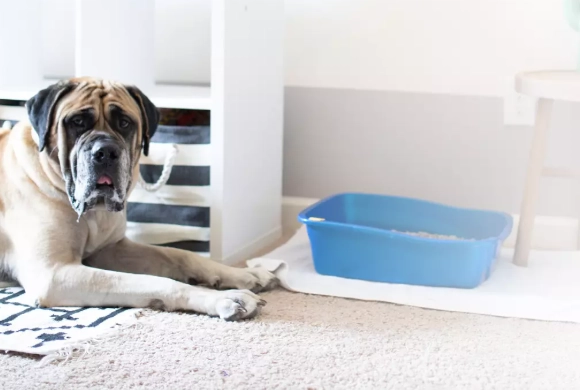
You walk into the room and there he is. Head deep in the litter box, tail wagging with the gusto of a treasure hunter who just struck gold. Except the gold is, well, cat poop. If this scene is familiar, you're not just dealing with a gross habit. You're facing a common, frustrating, and frankly unsanitary problem in multi-pet homes. Let's cut to the chase: keeping your dog out of the litter box isn't about one magic trick. It's about understanding the why behind the behavior and layering smart, physical solutions with consistent training. I've seen everything from a curious Labrador to a determined terrier fixated on the litter box, and the fix always starts with shutting down the opportunity.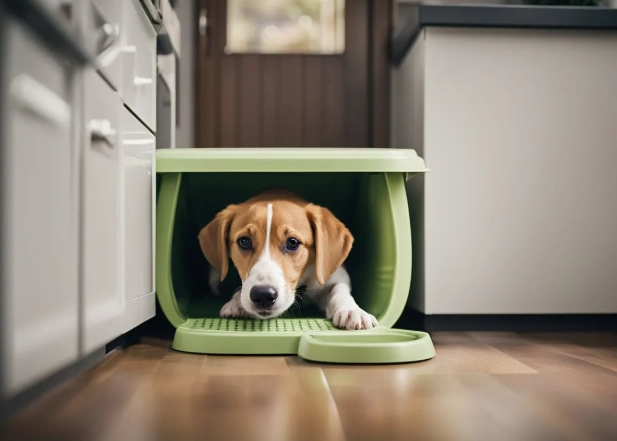
What You'll Find in This Guide
The Real Reasons Dogs Raid the Litter Box
Calling your dog "weird" or "disgusting" misses the point. From their perspective, the litter box is a fascinating source of information and, unfortunately, snacks. The technical term is coprophagia, and while eating feces can sometimes signal a health issue (more on that later), the litter box has its own unique appeal.
First, cat food is high in protein and fat, which makes cat waste smell incredibly interesting and potentially tasty to a dog. It's like a potent, processed scent cocktail. Second, dogs explore the world with their noses and mouths. A litter box is a concentrated archive of your cat's activities. And for some dogs, especially bored or anxious ones, it becomes a self-rewarding activity. They're bored, they sniff it out, they get a "treat," and the cycle reinforces itself.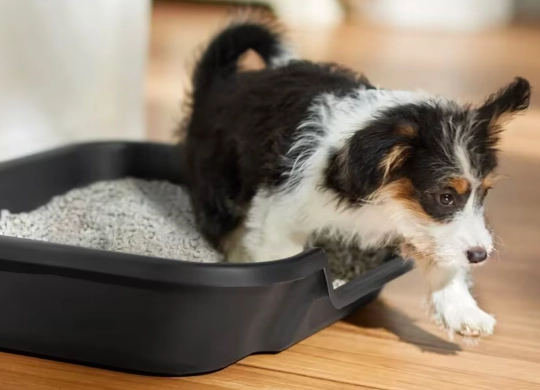
I remember a client's Border Collie, Buddy, who would meticulously hunt for "treats" the moment the owner started a work Zoom call. It wasn't about hunger; it was about finding a stimulating job to do when his human was mentally unavailable.
Physical Barriers That Actually Work
This is your first and most important line of defense. If your dog can't access the box, they can't practice the behavior. The goal is cat access, dog denial.
1. The Strategic Door or Gate
Installing a baby gate a few inches off the floor is a classic. Your cat slips under, your dog can't. For larger gaps, get a gate with a built-in pet door sized specifically for your cat. Place the litter box in a bathroom or closet and use the gate to block the doorway. This is foolproof for most dogs.
2. Top-Entry Litter Boxes: A Game Changer
These are my top recommendation for many households. The cat jumps in through a hole in the top, does its business, and jumps out. Most dogs, even agile ones, can't figure out how to get in, and it contains litter scatter beautifully. Measure your cat to ensure they can comfortably get in and out.
3. Elevation and Furniture Hacks
Can your cat jump onto a counter or washing machine but your dog can't? Use that. You can also place the litter box inside a piece of furniture like a cabinet or bench with a cat-sized cutout. IKEA hacks are popular for this. Just ensure there's enough ventilation and it's easy for you to clean.
| Barrier Type | Best For | Potential Drawback |
|---|---|---|
| Baby Gate (Elevated) | Doorways, wide openings. Dogs of all sizes. | Older or less mobile cats may struggle. |
| Gate with Pet Door | Persistent dogs. Allows full cat access. | Cost. Must match pet door size to your cat. |
| Top-Entry Litter Box | Most home layouts. Contains litter scatter. | Large or elderly cats may find it difficult. |
| Furniture Enclosure | Aesthetic homes. Hides the box completely. | Can be pricey. Requires assembly/DIY. |
Building a "Leave It" Training Foundation
Barriers handle the unsupervised times. Training handles the moments when you're present. You're not training your dog to "leave the litter box"; you're training a rock-solid "Leave It" command that applies to everything.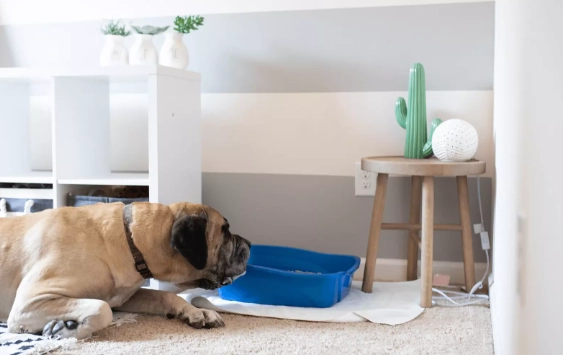
Start away from the litter box. Put a low-value treat in your hand, close your fist, and say "Leave it." The moment your dog stops sniffing/nosing your hand and looks away, mark that behavior (with a clicker or a verbal "Yes!") and reward with a different, higher-value treat from your other hand. This teaches them that leaving something alone makes better stuff appear.
Graduate to putting the treat on the floor, covering it with your hand, and using the same process. Over days and weeks, increase the difficulty. The end goal? You can drop a piece of cat food near the litter box area, say "Leave it," and your dog will disengage and look to you for a reward. This takes consistency, but it gives you verbal control in tempting situations.
Environmental Hacks & Litter Box Management
Sometimes small adjustments tilt the odds in your favor.
- Scoop Immediately: This is non-negotiable. The fresher the "prize," the more appealing it is. Scoop the box at least twice daily, ideally right after your cat uses it. An automatic self-cleaning litter box can be a worthwhile investment here, as it removes the temptation within minutes.
- Experiment with Litter: Some dogs dislike the feel of certain litters in their mouth. Clumping litter might be less appealing than larger, crystal-type litter. This is hit or miss, but worth a try if your cat will tolerate a switch.
- Manage the Menu: Ensure your dog is on a high-quality, nutritionally complete diet. While true dietary deficiencies are rare in well-fed pets, a dog that feels unsatisfied may seek out extra... sources. Discuss your dog's diet with your vet.
- Provide an Alternative: Give your dog something better to do. A stuffed Kong, a puzzle feeder, or a chew toy in a room away from the litter box can redirect their attention during high-risk times (like when you're cleaning the box or not directly supervising).
Why You Need to Stop This (Beyond the Gross Factor)
Troubleshooting for the Most Determined Dogs
What if you have a Houdini dog who scales gates or a genius who opens cabinet doors? You layer solutions.
Scenario: Your dog jumps over the baby gate.
Solution: Get a taller gate, or add a second, offset gate to create a maze (cats can jump through the gap, dogs can't navigate it). Or, abandon the gate and switch to a top-entry box placed in a closet with the door propped open just enough for the cat.
Scenario: Your dog is obsessed and waits by the litter box.
Solution: This is a red flag for boredom or anxiety. Drastically increase their daily mental and physical exercise. More walks, more training sessions, more puzzle toys. Make their real life more interesting than the litter box. You may also need to temporarily keep the dog on-leash in the house to prevent rehearsing the behavior while you implement the barriers and training.
The final piece of advice? Clean the litter box area thoroughly with an enzymatic cleaner designed to break down organic matter. This removes the lingering scent that might still be tempting your dog.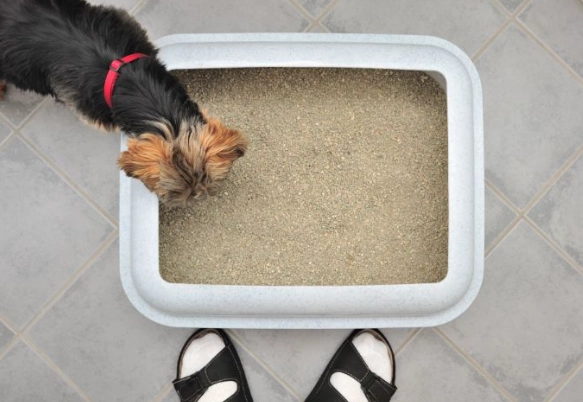
Your Questions, Answered
Is it dangerous for my dog to eat cat poop from the litter box?
What is the single most effective barrier to keep a dog out of a litter box?
My dog only raids the litter box when I'm at work. How can I stop this?
Will punishing my dog after I catch them in the act work?

Leave a comment