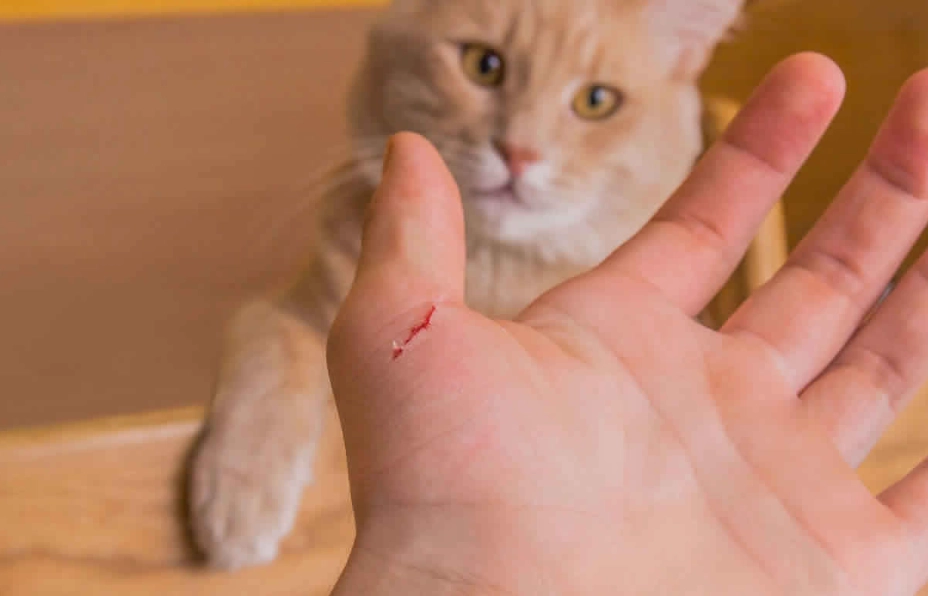
It happens in a flash. One moment you're playing, the next you're staring at a line of red beading up on your skin. Your cat scratched you, and this time it drew blood. That initial sting is followed by a wave of questions: Is this serious? Do I need a tetanus shot? Why did she do that? And most importantly, how do I make sure it doesn't happen again?
Let's cut through the panic. A bleeding cat scratch is common, but it's not something to brush off. The real risk isn't the scratch itself—it's the bacteria, like Bartonella henselae (the culprit behind cat scratch fever), that can be introduced under your skin. I've been there, and I've made the mistakes so you don't have to. This guide walks you through exactly what to do, why it happened, and how to build a scratch-free relationship with your feline friend.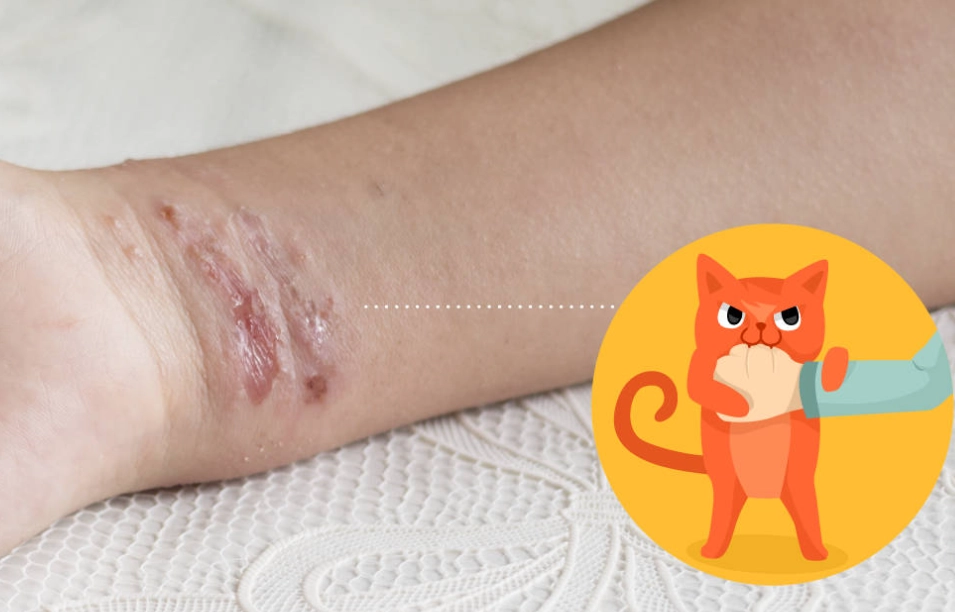
What You’ll Learn in This Guide
Immediate First Aid: The 5-Step Protocol for a Bleeding Cat Scratch
Forget old wives' tales. The goal here is to flush out bacteria and prevent infection. Here’s the exact sequence I follow, backed by first-aid principles from sources like the American Red Cross and CDC guidelines on wound care.
Step 1: Wash Your Hands First. Before you even touch the wound, scrub your own hands with soap. You don't want to add your germs to the mix.
Step 2: Let It Bleed (Briefly). For a shallow scratch, let it bleed for a minute. This helps flush out some of the bacteria naturally. Don't do this for deep, heavy bleeding—apply pressure instead.
Step 3: The Critical Cleanse. Hold the wound under lukewarm running water. Use a mild soap (antibacterial is ideal) and gently wash the area for a full 5 minutes. Yes, five. This is the single most important step to reduce infection risk. Most people rinse for 15 seconds and call it a day. That's not enough.
Step 4: Disinfect and Protect. Pat the area dry with a clean paper towel. Apply an over-the-counter antibiotic ointment like Neosporin. Cover it with a sterile bandage or adhesive strip. This keeps dirt out and creates a moist environment for healing.
Step 5: Monitor Relentlessly. Change the bandage daily, or whenever it gets wet or dirty. Reapply ointment. Watch the wound like a hawk for the next 7-10 days.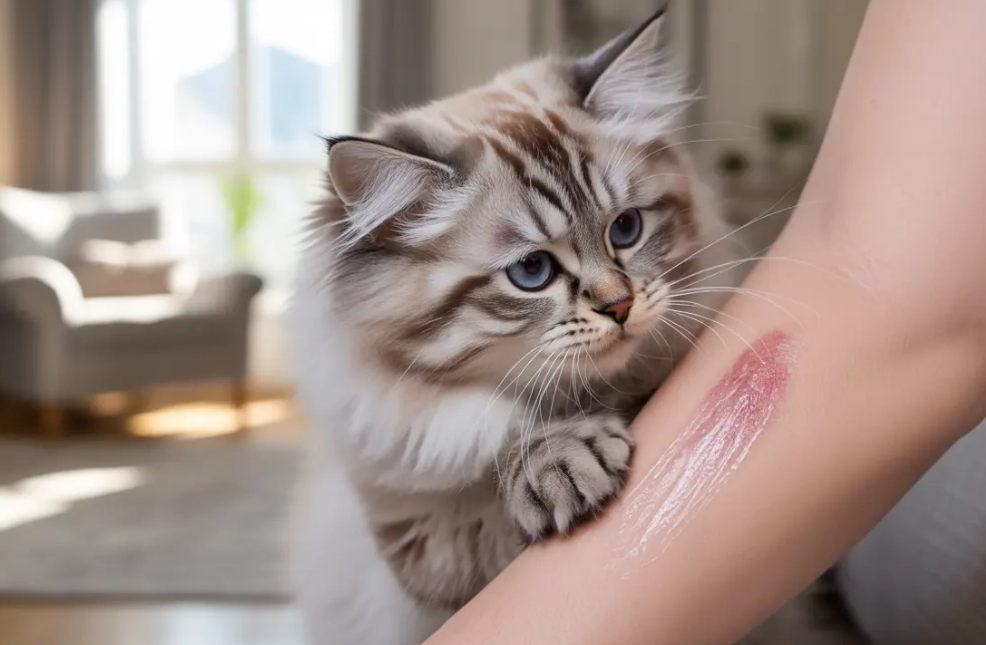
Why Did My Cat Scratch Me? Decoding the 5 Main Reasons
Cats don't scratch to be "mean." It's communication. Understanding the "why" is your first step to prevention. Here are the five most common triggers.
Play Aggression (The Most Common Culprit): This is classic. You're wiggling your fingers under a blanket, using your hand as a toy, or playing a bit too rough. Your cat gets over-excited, her predatory instincts kick in, and bam—she treats your hand like prey. Kittens are especially prone to this.
Fear or Defensiveness: You reached to pet her when she wasn't in the mood. You tried to pick her up when she was hiding. You cornered her. The scratch is a last-ditch "back off" signal. Look for flattened ears, a twitching tail, or a crouched posture beforehand.
Pain or Discomfort: This one is often overlooked. If your cat has arthritis, an injury, or even a sore belly, a normally gentle pet in a specific area can trigger a reactive scratch. If your cat's scratching behavior is new or focused, a vet check is non-negotiable.
Overstimulation (Petting-Induced Aggression): She was purring one second, then latched onto your hand the next. Cats have a threshold for physical contact. Signs she's had enough include a twitching or thumping tail, skin rippling on her back, ears turning sideways, or a sudden stiffening of her body.
Redirected Aggression or Territorial Stress: She saw another cat outside the window, got agitated, and you happened to be the nearest target. Or a new pet/person in the house has her on edge.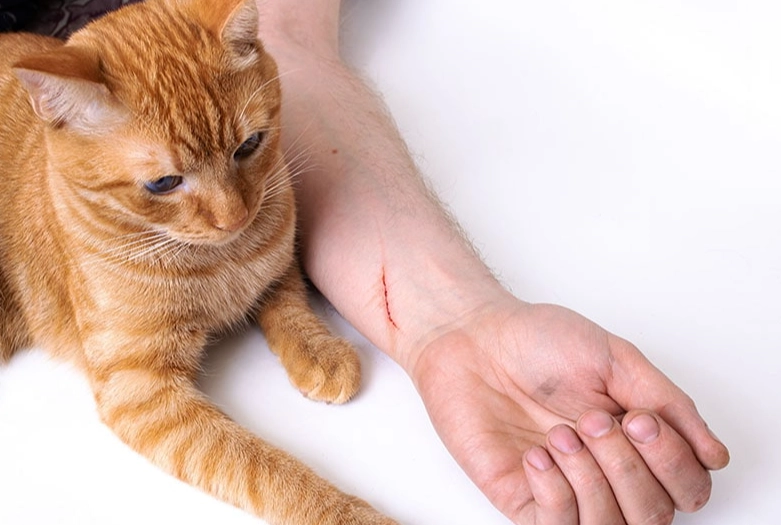
The Subtle Signal Most People Miss
Here's a nuance most guides don't mention: watch the claws during play. Playful batting is usually done with sheathed claws. When you see those claws come out, even just a little, the interaction has escalated from play to a serious warning. That's your cue to disengage immediately.
How to Stop Your Cat From Scratching You: A Practical 3-Pronged Strategy
Punishment never works. It just makes your cat fear you. The solution is a combination of management, communication, and meeting their needs.
Prong 1: Environmental Enrichment (The Boredom Cure)
- Interactive Toys are Key: Use wand toys (like Da Bird or a simple string on a stick) to keep distance between claws and your skin. This satisfies the hunt-catch-kill sequence.
- Scheduled Play Sessions: Two 15-minute sessions a day, before meals, work wonders. It mimics the natural hunt-eat-groom-sleep cycle.
- Provide Ample Scratching Posts: Vertical and horizontal, near sleeping areas. It's not just for claw health—it's a stress reliever and territory marker.
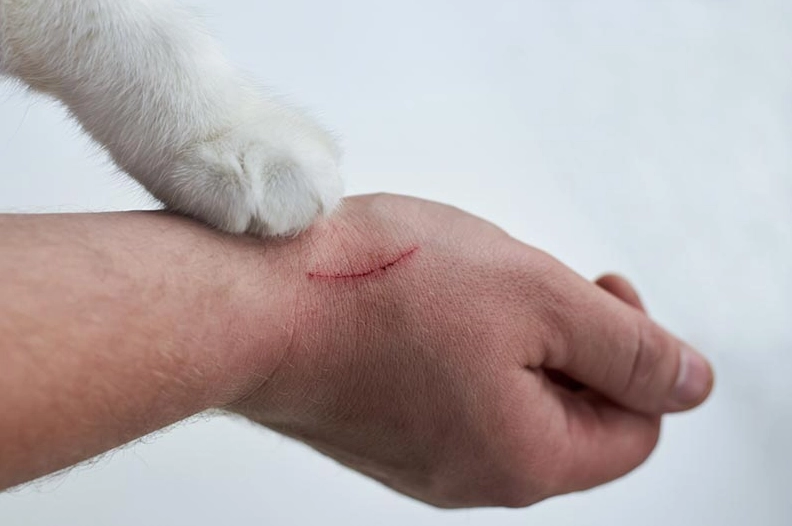
Prong 2: Learn & Respect Feline Body Language
This is your force field. Pet for short periods (3-5 strokes), then pause. Let the cat re-initiate contact. If she leans in for more, continue. If she stays still or looks away, stop. It's that simple.
Prong 3: The "Hands Are Not Toys" Rule
Never, ever use your hands or feet to play wrestle with your cat. If she attacks your moving feet under the covers, freeze completely until she loses interest, then redirect her to a kicker toy.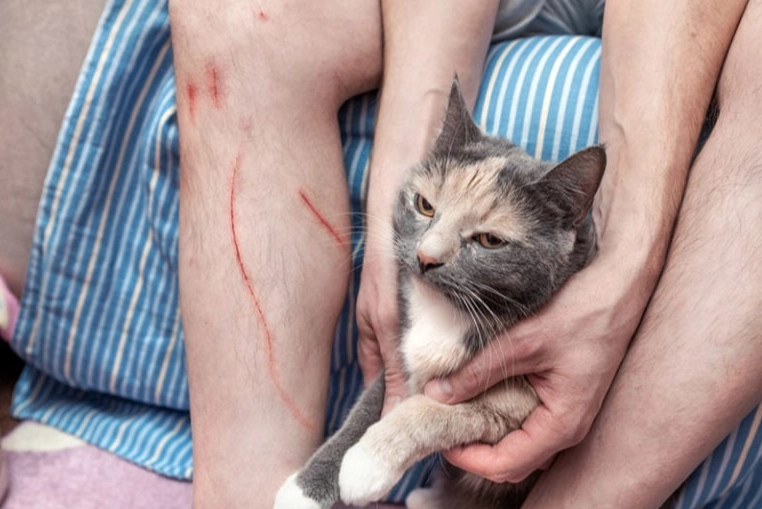
When to See a Doctor: Red Flags You Must Not Ignore
Most scratches heal fine. But according to the CDC, about 40% of cats carry Bartonella at some point in their lives. Knowing when to seek medical help is crucial.
| Sign of Normal Healing | Red Flag (See a Doctor) |
|---|---|
| Mild redness around the scratch (less than 1/4 inch). | Red streaks spreading away from the wound (lymphangitis). |
| Mild swelling that goes down after 1-2 days. | Swelling that increases, feels hot, or is accompanied by pus. |
| Dull, manageable ache. | Throbbing pain that worsens. |
| Scab forming within a couple of days. | The wound reopens, won't close, or oozes. |
| No fever, normal energy levels. | Fever, chills, body aches, fatigue, or swollen lymph nodes near the scratch (e.g., scratch on arm, swollen armpit). |
Tetanus Shot? If your scratch is deep, contaminated (with dirt, rust), or you haven't had a booster in over 10 years, consult your doctor. Cat scratches themselves are a lower risk for tetanus than puncture wounds from rusty metal, but it's a conversation to have.
My Personal Story: Learning the Hard Way
Years ago, my cat Leo gave me a deep scratch on my wrist during a rowdy play session. I washed it, but not thoroughly enough. Three days later, a red, painful lump the size of a grape appeared at the site. The lymph node in my armpit was swollen and tender. I had a low-grade fever.
I had classic early signs of cat scratch disease. A course of antibiotics from my doctor cleared it up, but it was a miserable week. My mistake? I treated it like a simple cut, not a potential vector for bacteria. I didn't wash long enough, and I ignored the early signs of inflammation. Now, I treat every scratch that breaks the skin with the 5-step protocol, no exceptions. It's a habit that's saved me from repeat infections.
 Is cat scratch fever really a common thing?




Leave a comment